The Shift from Fluorescent to LED Lighting: An Industry Overview
The lighting industry has undergone a significant transformation over the past decade, with LED technology emerging as the preferred choice for both commercial and residential applications. Fluorescent tubes, once the standard for energy-efficient lighting, are increasingly being replaced by LED tubes due to their superior performance, longevity, and environmental benefits. The lifespan of LED tubes can reach up to 50,000 hours, compared to the 7,000 to 15,000 hours typically offered by fluorescent tubes. This remarkable durability not only reduces the frequency of replacements but also minimizes maintenance costs, making LED lighting a more economical choice in the long run.
For lighting contractors, understanding this evolution is critical. Not only does it influence the products they recommend and install, but it also affects compliance with energy regulations and customer satisfaction. The question often arises: can a fluorescent tube be directly replaced with an LED tube? The answer is nuanced and depends on several factors, including the type of LED tube, the existing fixture, and electrical considerations. Some LED tubes are designed to be compatible with existing fluorescent ballasts, allowing for a simple swap, while others require a complete rewiring of the fixture. This complexity can impact installation time and costs, making it essential for contractors to stay informed about the latest technologies and installation techniques.
Moreover, the shift to LED lighting is not just a matter of replacing one technology with another; it also opens up new opportunities for innovation in design and functionality. LED technology allows for a wider range of color temperatures and brightness levels, enabling spaces to be tailored to specific needs and moods. For instance, warm white LEDs can create a cozy atmosphere in residential settings, while cooler, daylight-like LEDs are ideal for workspaces that require focus and productivity. Additionally, the rise of smart lighting systems, which integrate LED technology with IoT capabilities, is revolutionizing how we interact with our environments. These systems can be programmed for energy efficiency, automated to adjust based on occupancy, and even controlled remotely via smartphone apps, further enhancing the appeal of LED solutions.
Understanding the Differences Between Fluorescent and LED Tubes
How Fluorescent Tubes Work
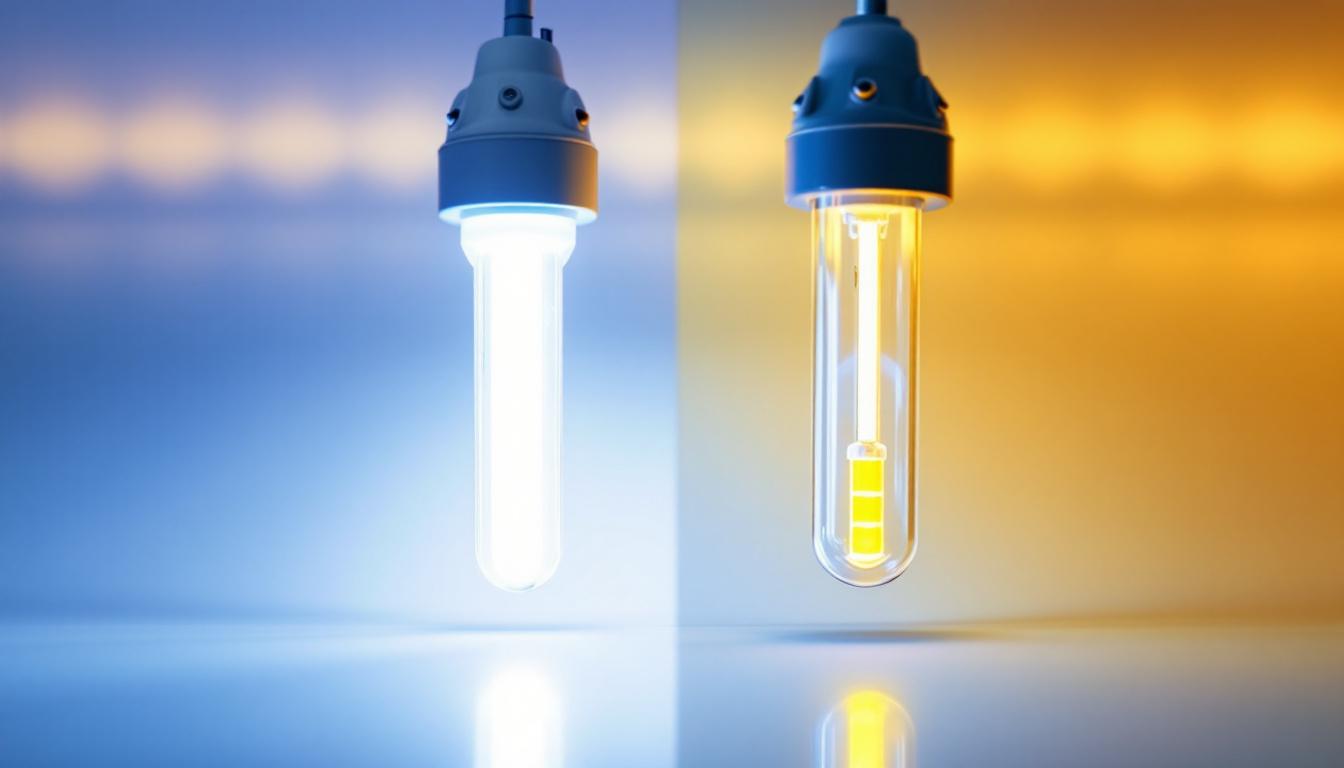
Fluorescent tubes operate by passing an electric current through mercury vapor, which emits ultraviolet light. This ultraviolet light then excites a phosphor coating inside the tube, producing visible light. While efficient compared to incandescent bulbs, fluorescent tubes have limitations such as mercury content, warm-up time, and shorter lifespans. Additionally, fluorescent tubes can sometimes flicker or hum, especially when they are nearing the end of their life cycle or if the ballast is failing. This flickering can be distracting and may lead to discomfort in spaces where people work or study for extended periods.
The Mechanics of LED Tubes
LED (Light Emitting Diode) tubes use semiconductor technology to produce light. When an electrical current passes through the diode, it emits photons directly, resulting in light without the need for mercury or phosphors. This direct emission leads to higher energy efficiency, instant-on capabilities, and longer operational life. Furthermore, LED tubes are available in a range of color temperatures, allowing users to select lighting that best suits their environment, whether it be a warm, inviting glow for a cozy living room or a bright, cool light for a workspace. The ability to dim LED lights also adds to their versatility, making them suitable for various applications.
Moreover, LED tubes come in various designs tailored to fit existing fluorescent fixtures, but with different internal wiring and electrical requirements. This diversity necessitates careful consideration before replacement. Some LED tubes are designed to work with existing ballasts, while others may require a direct wire installation that bypasses the ballast altogether. This can significantly impact installation costs and the overall efficiency of the lighting system. Additionally, the lifespan of LED tubes can reach up to 50,000 hours, which is several times longer than that of fluorescent tubes, making them a more sustainable choice in the long run.
Can You Replace a Fluorescent Tube With an LED Tube?
Types of LED Tubes and Compatibility
LED tubes designed to replace fluorescent tubes generally fall into three categories:
- Direct Replacement (Plug and Play): These LED tubes are designed to work with the existing fluorescent ballast. They require minimal or no rewiring, making installation straightforward. However, compatibility with the ballast type (electronic or magnetic) must be verified to avoid flickering or reduced lifespan.
- Ballast Bypass (Direct Wire): These LED tubes require the removal or bypassing of the fluorescent ballast. The fixture is rewired to connect the LED tube directly to the line voltage. This method reduces maintenance costs associated with ballast failures and improves energy efficiency but involves more labor during installation.
- Hybrid or Universal: These tubes can operate with or without a ballast, offering flexibility during retrofit projects. However, they may come at a higher initial cost.
For lighting contractors, selecting the appropriate LED tube type depends on the existing infrastructure, client preferences, and budget considerations.
Electrical and Safety Considerations
Replacing fluorescent tubes with LED tubes is not always as simple as swapping one tube for another. Fluorescent fixtures are designed to work with ballasts that regulate current, while LED tubes often require different electrical setups.
Incorrect installation can lead to electrical hazards, reduced efficiency, or premature failure. Therefore, contractors must assess the fixture’s wiring, ballast compatibility, and local electrical codes before proceeding. Additionally, some regions have regulations restricting the disposal of fluorescent tubes due to mercury content, making LED replacements an environmentally responsible choice.
Benefits of Switching to LED Tubes
Energy Efficiency and Cost Savings
One of the most compelling reasons to replace fluorescent tubes with LED tubes is the significant reduction in energy consumption. LED tubes typically use 40-60% less energy compared to fluorescent tubes while providing the same or better light output. This efficiency translates to lower electricity bills and reduced carbon footprint for clients.
Over the lifespan of an LED tube, which can exceed 50,000 hours, the cumulative savings on energy and maintenance costs are substantial. For commercial buildings with extensive lighting systems, these savings can be a major selling point during client consultations.
Improved Light Quality and Performance
LED tubes offer superior light quality, including better color rendering and consistent brightness without flickering. This improvement enhances visual comfort and can positively impact productivity in workplaces. Unlike fluorescent tubes, LEDs turn on instantly without warm-up time, which is advantageous in environments where immediate lighting is necessary.
Environmental Impact
Fluorescent tubes contain mercury, a hazardous material that requires special handling and disposal procedures. LED tubes eliminate this concern, making them a safer and more environmentally friendly option. Additionally, the longer lifespan of LEDs reduces waste and the frequency of replacements.
Challenges and Considerations for Lighting Contractors
Initial Investment and Return on Investment (ROI)
While LED tubes offer long-term savings, the upfront cost is generally higher than fluorescent tubes. Lighting contractors must help clients understand the total cost of ownership, including energy savings, reduced maintenance, and potential incentives or rebates for energy-efficient upgrades.
Providing detailed ROI analyses can assist clients in making informed decisions and justify the initial investment in LED technology.
Fixture Compatibility and Retrofit Complexity
Not all fluorescent fixtures are compatible with LED tubes without modification. Some older fixtures may require rewiring or ballast removal, which adds labor and complexity to the retrofit process. Contractors need to evaluate each installation site carefully and plan accordingly.
In some cases, replacing the entire fixture with an LED-specific fixture may be more cost-effective and provide better performance than retrofitting existing fluorescent fixtures.
Quality and Warranty Considerations
The market for LED tubes is diverse, with varying quality levels. Lighting contractors should prioritize products from reputable manufacturers that offer robust warranties and have undergone rigorous testing. This approach minimizes the risk of premature failures and client dissatisfaction.
Practical Steps for Lighting Contractors When Replacing Fluorescent Tubes with LED Tubes
Assessment and Planning
Begin with a thorough assessment of the existing lighting system, including fixture types, ballast conditions, wiring, and electrical load. Understanding these factors is essential to select the appropriate LED tubes and determine if fixture modifications are necessary.
Client Education and Proposal
Educate clients about the benefits and considerations of switching to LED lighting. Present clear proposals outlining costs, energy savings, installation requirements, and expected lifespan. Transparency builds trust and facilitates decision-making.
Installation Best Practices
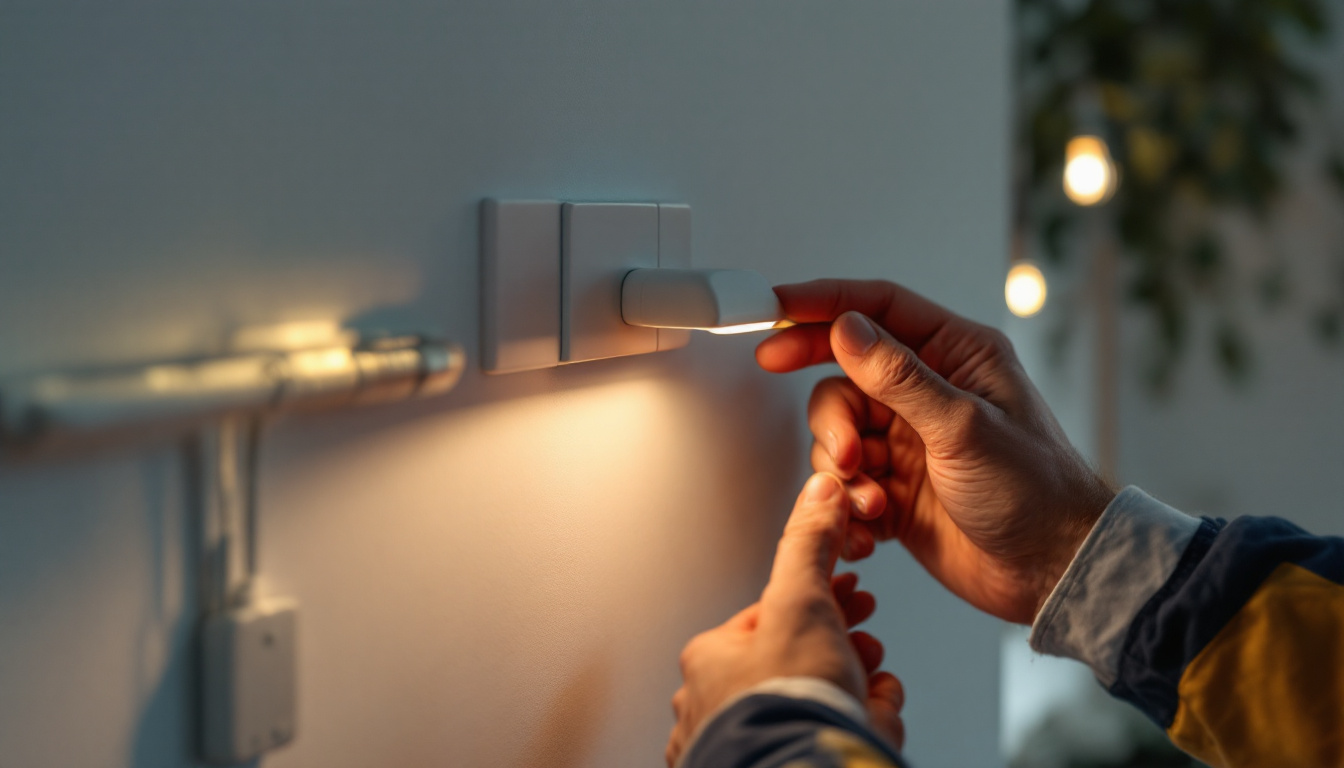
Ensure that all electrical work complies with local codes and safety standards. If ballast removal or rewiring is required, use qualified electricians to perform the work. Test all installations thoroughly to confirm proper operation and light quality.
Post-Installation Support
Offer maintenance advice and warranty support to clients. Monitoring the performance of the new LED lighting system can help identify any issues early and reinforce the value of the upgrade.
The Future of Lighting: Embracing LED Technology
The transition from fluorescent to LED lighting is more than a trend; it represents a fundamental shift in how spaces are illuminated. For lighting contractors, embracing LED technology is essential to remain competitive and meet evolving client expectations.
Advancements in LED technology continue to improve efficiency, color quality, and smart lighting integration. Contractors who stay informed about these developments can offer innovative solutions that enhance building performance and sustainability.
Ultimately, replacing fluorescent tubes with LED tubes is a practical step toward modernizing lighting systems, reducing environmental impact, and delivering superior lighting experiences.
Illuminate Your Projects with LumenWholesale
Ready to take the next step in the evolution of lighting and give your clients the efficiency and quality they deserve? LumenWholesale is here to support your transition from fluorescent to LED lighting. We provide contractors with spec-grade LED tubes and a wide range of lighting solutions at unbeatable wholesale prices. Say goodbye to local distributor markups and hello to our premium, cost-effective lighting options. With free shipping on bulk orders, you can trust that you’re getting the best value without any hidden fees. Elevate your lighting projects today by visiting Wholesale Lighting at the Best Value and discover how we blend quality, affordability, and convenience at LumenWholesale.