Understanding Lumens: The Heart of Lighting Quality
When discussing lighting, lumens are the currency of brightness. A measurement of the total amount of visible light emitted by a source, lumens determine how well a space is illuminated. For lighting contractors, mastering the concept of lumens is non-negotiable. It’s not just about installing fixtures; it’s about delivering the right amount of light for the environment.
Consider a 320-lumen output. It’s a moderate brightness level, roughly equivalent to a traditional 25-watt incandescent bulb. While it may sound low, this level of lumens is vital in specific applications where subtlety and ambiance matter more than sheer brightness. Top contractors understand how to balance lumens with space size, function, and client expectations to create lighting schemes that are both efficient and effective.
Why Lumens Matter More Than Watts
The old habit of judging light bulbs by wattage is fading, replaced by lumens as the true measure of brightness. Watts measure energy consumption, not light output. Lighting contractors who prioritize lumens can design systems that optimize energy use without sacrificing illumination quality.
For example, a 320-lumen LED bulb consumes far less power than an incandescent bulb producing the same brightness. This efficiency is critical in commercial and residential projects aiming for sustainability and lower operating costs. Clients increasingly demand lighting solutions that save energy while maintaining comfort and style, and contractors who grasp this are ahead of the curve.
Moreover, understanding lumens allows contractors to tailor lighting to specific tasks and moods. For instance, in a kitchen, where precision is key for cooking and food preparation, higher lumens are often necessary to ensure visibility. In contrast, a living room may benefit from softer, lower-lumen lighting that fosters relaxation and conversation. This nuanced approach not only enhances functionality but also elevates the overall aesthetic of a space, demonstrating to clients that thoughtful lighting design can transform their environments.
Additionally, the interplay between lumens and color temperature plays a crucial role in lighting design. Color temperature, measured in Kelvins, affects how we perceive brightness and can dramatically influence the atmosphere of a room. A warm light (around 2700K) can make a space feel cozy and inviting, while a cooler light (above 5000K) can create a more energizing and alert environment. By combining an understanding of lumens with color temperature, lighting contractors can create dynamic and versatile spaces that cater to the diverse needs of their clients, ensuring that every area is not only well-lit but also perfectly suited to its intended use.
Precision in Lighting Design: Tailoring Lumens to Space
Not all spaces require the same lighting intensity. A hallway, a kitchen, and a conference room each have unique lighting needs. The ability to calculate and apply the correct lumens per square foot is a skill that distinguishes leading lighting contractors from the rest.
For instance, a hallway might only need around 10-20 lumens per square foot, making 320 lumens a perfect choice for wall sconces or accent lighting. Meanwhile, work areas demand much higher levels, often exceeding 50 lumens per square foot. Understanding these nuances ensures lighting is functional, comfortable, and visually appealing.
Balancing Ambient, Task, and Accent Lighting
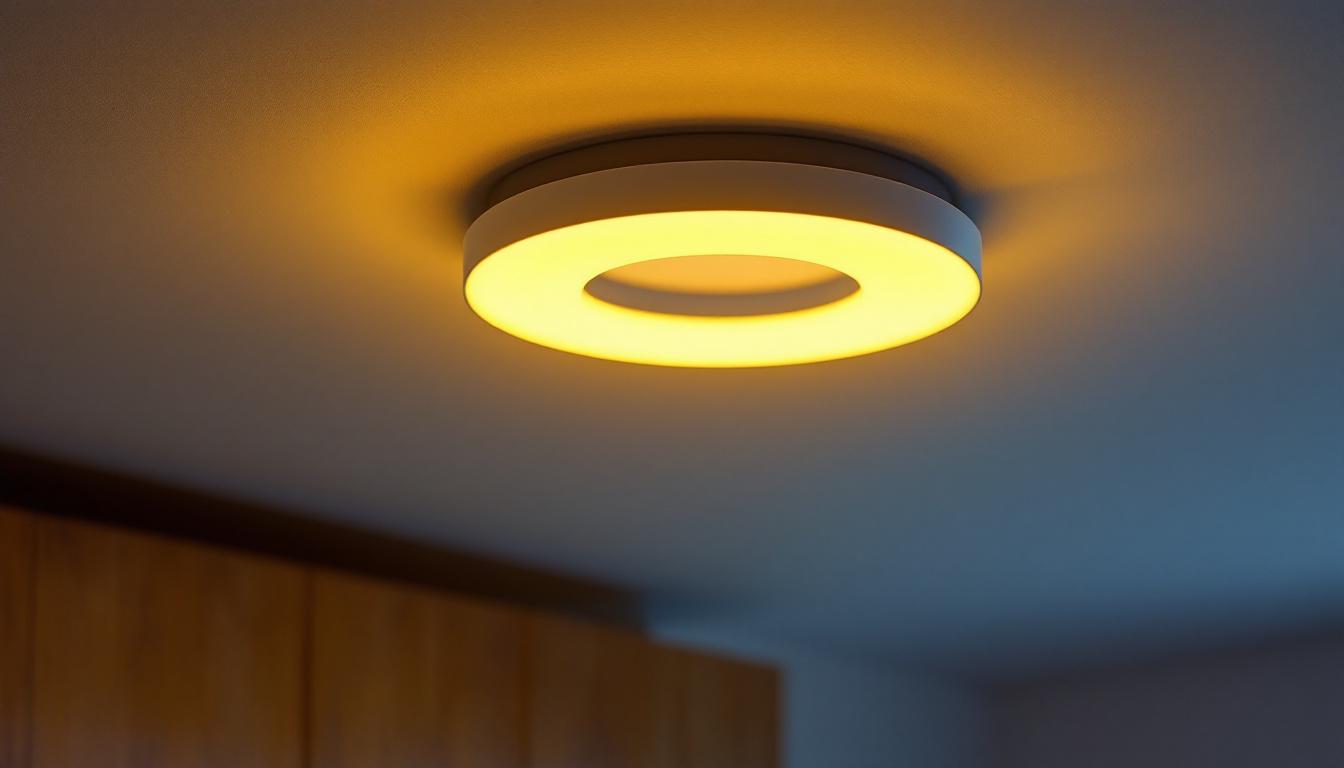
Top contractors don’t rely on a single layer of lighting. Instead, they blend ambient, task, and accent lighting to create dynamic environments. A 320-lumen fixture might serve as an accent light highlighting artwork or architectural features, while other fixtures provide the ambient glow or task illumination needed.
This layered approach enhances the user experience, reduces eye strain, and adds depth to the space. Contractors who master lumen allocation across these layers can transform ordinary rooms into inviting, practical spaces. For example, in a kitchen, ambient lighting can be achieved through ceiling-mounted fixtures, while under-cabinet lights serve as task lighting for food preparation. Accent lighting can be introduced through decorative pendants that not only illuminate but also add a stylish touch to the overall design.
Moreover, the choice of color temperature plays a crucial role in how light is perceived in different environments. Warmer tones (around 2700K to 3000K) create a cozy atmosphere, ideal for living rooms and bedrooms, while cooler tones (4000K and above) are better suited for workspaces, promoting alertness and focus. By understanding the psychological effects of light, contractors can further refine their designs to enhance mood and productivity, ensuring that every space is not only well-lit but also conducive to its intended use.
Quality Components and Installation Practices
Brightness alone doesn’t define quality lighting. The choice of fixtures, bulbs, and installation techniques plays a crucial role in the final outcome. Lighting contractors who insist on high-quality components and meticulous installation set themselves apart. They understand that the interplay between light and space can dramatically affect the ambiance and functionality of an area, making their expertise invaluable in both residential and commercial projects.
Choosing the Right Fixtures for 320 Lumens
Fixtures designed to deliver around 320 lumens must be carefully selected to match the intended use. For example, LED puck lights or small recessed fixtures often produce this level of brightness, ideal for under-cabinet lighting or highlighting specific areas. The aesthetics of the fixtures also play a significant role; they should complement the overall design of the space while providing the necessary illumination. Selecting fixtures with adjustable features can further enhance versatility, allowing clients to tailor the lighting to their needs.
Contractors who understand fixture compatibility with lumen output avoid common pitfalls like glare, uneven light distribution, or premature bulb failure. This knowledge also helps in advising clients on maintenance and replacement options, ensuring long-term satisfaction. Furthermore, educating clients about the energy efficiency of various bulbs can lead to significant cost savings over time, making it a win-win situation for both the contractor and the homeowner.
Installation Techniques That Maximize Performance
Even the best fixtures can underperform if installed improperly. Factors like fixture placement, angle, and wiring quality impact how effectively 320 lumens illuminate a space. Skilled contractors use tools like light meters during installation to verify output and uniformity. They also take into account the color temperature of the bulbs, which can drastically change the perception of brightness and warmth in a room, ensuring that the lighting not only serves its functional purpose but also enhances the mood of the environment.
Additionally, attention to detail in wiring and mounting prevents future issues such as flickering or dimming. This professionalism not only improves lighting quality but also builds client trust and reputation. By implementing best practices, such as using high-grade wiring and ensuring secure connections, contractors can mitigate risks associated with electrical failures. Moreover, incorporating smart technology into lighting systems allows for greater control and customization, appealing to a tech-savvy clientele who value convenience and efficiency in their living spaces.
Energy Efficiency and Sustainability: A Competitive Edge
Energy-efficient lighting is more than a trend; it’s a necessity. Contractors who integrate energy-saving solutions without compromising on brightness gain a significant advantage. A 320-lumen LED fixture, for example, typically consumes a fraction of the energy of older lighting technologies. This not only translates to lower utility bills for clients but also contributes to a reduced carbon footprint, aligning with global efforts to combat climate change.
Clients increasingly prioritize sustainability, whether for cost savings or environmental responsibility. Contractors who can demonstrate measurable energy reductions, often through lighting audits and smart controls, position themselves as forward-thinking professionals. Moreover, the integration of energy-efficient systems can enhance property value, making them more attractive to potential buyers who are increasingly aware of the benefits of sustainable living.
Smart Lighting Controls and Lumens Management
Incorporating smart controls like dimmers, occupancy sensors, and programmable timers allows contractors to optimize lumen output dynamically. This means spaces are never over-lit, and energy is conserved when rooms are unoccupied. The ability to tailor lighting to specific needs not only improves energy efficiency but also enhances the overall ambiance of a space, creating environments that are both functional and inviting.
For a 320-lumen fixture, dimming capability can extend its versatility, adapting brightness to different times of day or activities. This flexibility enhances user comfort and reduces waste, making it a compelling selling point for clients. Furthermore, advanced smart lighting systems can be integrated with other building management technologies, allowing for seamless control over heating, cooling, and ventilation. This holistic approach to energy management not only maximizes efficiency but also simplifies the user experience, making it easier for clients to embrace sustainable practices in their daily operations.
Client Communication and Education: Building Trust Through Knowledge
Top contractors don’t just install lighting; they educate clients about what lumens mean and why certain choices are made. Clear communication about the benefits of a 320-lumen fixture in a given context helps clients feel confident and informed.
Explaining how lumen levels affect mood, productivity, and energy costs can turn a simple lighting installation into a value-added service. Contractors who take the time to educate clients often see stronger relationships and repeat business.
Providing Customized Lighting Plans
Offering detailed lighting plans that specify lumen requirements, fixture types, and placement demonstrates professionalism. It also sets expectations upfront, reducing misunderstandings and enhancing satisfaction.
When clients see a well-thought-out design that balances brightness, aesthetics, and efficiency, they appreciate the expertise behind it. This transparency is a hallmark of top-tier lighting contractors.
Conclusion: The Difference Is in the Details
320 lumens might seem like a small number, but it represents a critical piece of the lighting puzzle. Leading contractors leverage their deep understanding of lumens, design principles, component quality, energy efficiency, and client communication to deliver superior lighting solutions.
Success in this field comes down to precision, knowledge, and professionalism. Those who master these elements consistently stand out, earning the trust and loyalty of clients who value quality and expertise.
Illuminate Your Projects with LumenWholesale
Ready to elevate your lighting game and set your services apart? Choose LumenWholesale for your next project and experience the difference that quality and value can make. Our extensive range of spec-grade lighting products is designed to meet your every need, ensuring you deliver that perfect 320 lumens—or any other specification—with confidence. Say goodbye to middleman markups and hello to unbeatable wholesale prices, free shipping, and the convenience you deserve. Wholesale Lighting at the Best Value is just a click away. Partner with LumenWholesale and shine a light on excellence today.