Why Shallow Can Light Housings Matter in Modern Lighting Projects
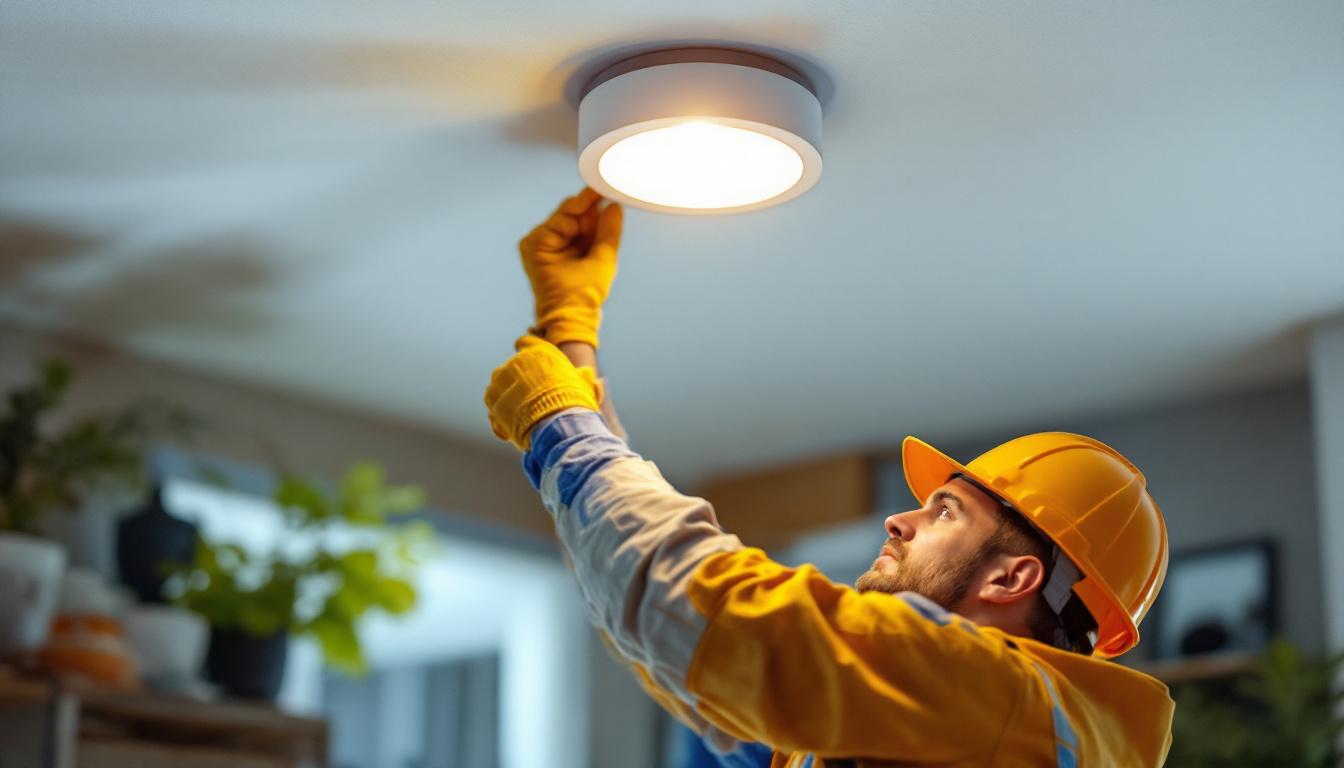
Lighting contractors often face challenges when working with tight ceiling spaces or complex architectural designs. Traditional recessed lighting housings require significant clearance above the ceiling, which can be a major obstacle in renovations, commercial spaces, or residential projects with limited plenum depth. This is where shallow can light housings come into play, offering a practical solution that blends functionality with design flexibility.
Shallow can light housings are engineered to fit into confined spaces without compromising performance. Their low-profile design allows contractors to install recessed lighting in areas where standard housings simply won’t fit. This capability not only broadens the scope of potential projects but also streamlines installation processes, saving time and reducing labor costs.
Space Constraints and Building Codes
Many lighting contractors encounter strict building codes and regulations that dictate minimum clearances around electrical components. Shallow housings help meet these requirements while maintaining the aesthetic appeal of recessed lighting. They are especially valuable in retrofit applications where ceiling cavities are already occupied by HVAC ducts, plumbing, or structural elements.
With a shallow housing, contractors can avoid costly ceiling modifications or the need to switch to surface-mounted fixtures, which might not achieve the desired look. This adaptability is crucial for projects aiming to balance design intent with practical installation constraints.
Moreover, shallow can light housings are not just beneficial for compliance with building codes; they also enhance energy efficiency. Many modern shallow housings are designed to accommodate LED technology, which is known for its low energy consumption and long lifespan. By integrating LED options, contractors can provide clients with sustainable lighting solutions that lower utility bills while minimizing environmental impact. This is particularly important in commercial settings where energy costs can significantly affect the bottom line.
Additionally, the versatility of shallow can light housings allows for creative lighting designs that can transform a space. Whether it’s accent lighting to highlight architectural features or ambient lighting to create a warm atmosphere, these fixtures can be strategically placed to achieve the desired effect without the constraints of traditional housing. This opens up new possibilities for designers and architects, enabling them to push the boundaries of their projects while ensuring that functionality is never sacrificed.
Technical Advantages of Shallow Can Light Housings
Beyond fitting into tight spaces, shallow can light housings offer several technical benefits that enhance lighting performance and contractor efficiency.
Improved Thermal Management
One common concern with recessed lighting is heat buildup, which can reduce bulb lifespan and pose fire hazards. Many shallow housings are designed with advanced thermal management features, such as heat sinks or ventilation channels, to dissipate heat effectively. This ensures compliance with safety standards and prolongs the life of LED modules commonly used in these fixtures. Furthermore, effective thermal management contributes to consistent light output, preventing flickering or dimming that can occur when fixtures overheat. By maintaining optimal operating temperatures, shallow can light housings not only enhance safety but also ensure that the lighting remains bright and reliable over time.
Compatibility with LED Technology
LED lighting has become the industry standard due to its energy efficiency and longevity. Shallow can light housings are often optimized for LED retrofit kits or integrated LED modules, making them a perfect match for modern lighting solutions. Their design accommodates the unique heat and electrical requirements of LEDs, allowing contractors to deliver high-quality illumination with minimal maintenance. Additionally, many shallow housings support dimming capabilities, offering users the flexibility to adjust brightness levels according to their needs. This adaptability not only enhances the ambiance of a space but also contributes to energy savings, as lower light levels can significantly reduce electricity consumption.
Ease of Installation
Many shallow housings come with features that simplify installation, such as adjustable mounting brackets, quick-connect wiring, and tool-free access panels. These innovations reduce installation time and minimize errors, which translates into cost savings and improved client satisfaction. For contractors juggling multiple projects, these efficiencies are invaluable. Moreover, the lightweight design of shallow can light housings makes them easier to handle and position, further streamlining the installation process. Some models even include integrated clips that allow for a secure fit in various ceiling types, ensuring a snug installation without the need for additional hardware. This versatility not only benefits contractors but also provides homeowners with a seamless and polished look in their living spaces.
Design Flexibility and Aesthetic Impact
Lighting is not just about illumination; it’s about creating ambiance and enhancing architectural features. Shallow can light housings contribute significantly to design flexibility.
Flush and Low-Profile Finishes
Because these housings require less clearance, they allow for slimmer ceiling profiles and more seamless integration. This is especially important in modern interiors where clean lines and minimalist aesthetics dominate. The ability to install recessed fixtures without bulky housings protruding above the ceiling plane preserves design integrity.
Variety of Trim Options
Shallow housings support a wide range of trim styles, from baffles and reflectors to decorative rings. This versatility enables contractors to tailor lighting to specific client preferences or project requirements. Whether the goal is to highlight artwork, provide general illumination, or create mood lighting, shallow can light housings can accommodate the necessary trims and lenses.
Case Studies: Real-World Applications of Shallow Can Light Housings
Examining practical examples reveals why lighting contractors rely on shallow can light housings to solve complex challenges.
Residential Retrofit in Low-Ceiling Homes
A contractor working on an older home with low ceilings found that traditional recessed housings would require extensive ceiling modifications. By switching to shallow can light housings, the contractor was able to install energy-efficient LED recessed lights without altering the ceiling height. The result was a modernized lighting scheme that respected the home’s original architecture.
Commercial Office Space with HVAC Constraints
In a commercial office renovation, ductwork and piping severely limited ceiling clearance. Shallow housings allowed the contractor to maintain a uniform lighting layout without costly ceiling reconfigurations. The client appreciated the quick turnaround and the clean, professional finish.
Hospitality Projects Needing Precise Lighting Control
Hotels and restaurants often require layered lighting to create inviting atmospheres. Shallow can light housings enabled the installation of adjustable trims and dimmable LED modules, giving designers and contractors the flexibility to craft dynamic lighting scenes that enhance guest experiences.
Choosing the Right Shallow Can Light Housing
Selecting the appropriate shallow can light housing depends on several factors that contractors must evaluate carefully.
Ceiling Type and Material
Different ceiling constructions-drywall, drop ceilings, plaster-affect housing compatibility. Some shallow housings are designed specifically for certain ceiling types, featuring mounting systems that ensure secure installation without damaging the ceiling surface.
IC vs. Non-IC Ratings
Insulation contact (IC) rated housings can be safely installed in ceilings with insulation, while non-IC housings require clearance to prevent overheating. Contractors must verify the housing rating to comply with safety codes and avoid fire risks.
Voltage and Wiring Considerations
Low-voltage versus line-voltage housings have different wiring needs. Choosing the right housing simplifies electrical work and ensures compatibility with existing systems or new installations.
Certification and Compliance
Look for housings that meet UL or ETL standards, ensuring they have been tested for safety and performance. Compliance with local building codes is also critical to avoid inspection issues.
Maximizing Profitability with Shallow Can Light Housings
For lighting contractors, shallow can light housings are not just a technical choice-they’re a business advantage.
Reducing Labor and Material Costs
Faster installations and fewer ceiling modifications translate into lower labor hours and reduced material expenses. Contractors can complete projects more efficiently and take on more work, boosting overall profitability.
Expanding Service Offerings
Mastering shallow housing installations enables contractors to bid on projects previously out of reach due to space constraints. This opens doors to specialized markets such as historic renovations, high-end residential, and commercial retrofits.
Enhancing Client Satisfaction and Referrals
Delivering sleek, functional lighting solutions that respect architectural integrity builds trust and earns repeat business. Satisfied clients are more likely to recommend contractors to others, fueling growth through word-of-mouth.
Future Trends in Shallow Can Light Housing
Lighting technology continues to evolve, and shallow can light housings are poised to keep pace with emerging innovations.
Integration with Smart Lighting Systems
As smart homes and buildings become standard, housings compatible with sensors, dimmers, and wireless controls will gain importance. Contractors who adopt these systems early can differentiate themselves in a competitive market.
Advancements in Materials and Design
New lightweight, durable materials and modular designs will make shallow housings even easier to install and customize. This will further reduce installation times and expand design possibilities.
Energy Efficiency and Sustainability
With increasing emphasis on green building standards, shallow housings that optimize LED performance and reduce energy consumption will be in high demand. Contractors can leverage these features to meet client sustainability goals.
Conclusion
Shallow can light housings represent a critical tool for lighting contractors striving to deliver high-quality, efficient, and aesthetically pleasing recessed lighting solutions. Their ability to fit into tight spaces, support modern LED technology, and simplify installation makes them indispensable in a wide range of projects.
By understanding their technical advantages, design flexibility, and business benefits, contractors can leverage shallow can light housings to overcome challenges, expand their service offerings, and increase profitability. Staying informed about emerging trends will ensure that contractors remain at the forefront of lighting innovation, ready to meet the evolving needs of clients and the industry.
Illuminate Your Projects with LumenWholesale
Ready to enhance your lighting projects with the efficiency and elegance of shallow can light housings? Look no further than LumenWholesale, where we provide contractors with the highest quality, spec-grade lighting products at unbeatable wholesale prices. Say goodbye to inflated markups and hello to superior lighting solutions that meet the highest industry standards. Plus, with free shipping on bulk orders, you can trust that you’re getting the best value without any hidden fees. Elevate your lighting game and experience the perfect blend of quality, affordability, and convenience. Visit LumenWholesale today for Wholesale Lighting at the Best Value, and light up your next project with confidence.