Understanding Solar Can Lights and Their Growing Appeal
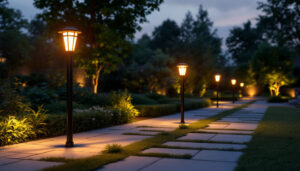
Solar can lights are rapidly gaining traction in the lighting industry, especially among contractors seeking sustainable and cost-effective solutions. These fixtures combine the sleek, recessed design of traditional can lights with solar-powered technology, offering a unique blend of aesthetics and energy efficiency. Unlike conventional lighting that relies on grid electricity, solar can lights harness sunlight, converting it into electrical energy stored in onboard batteries for nighttime illumination.
For lighting contractors, this means a chance to offer clients a product that reduces energy consumption and simplifies installation. The absence of wiring requirements cuts down on labor costs and installation time, making solar can lights an attractive option for both residential and commercial projects. Furthermore, their versatility allows them to be used in various applications—from garden pathways and patios to remote locations where running electrical lines would be impractical or expensive.
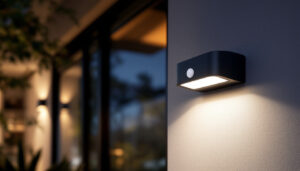
Moreover, the technology behind solar can lights has advanced significantly in recent years. Many models now come equipped with motion sensors and adjustable brightness settings, allowing homeowners to customize their lighting experience while enhancing security. This feature is particularly appealing for outdoor spaces, where well-lit areas can deter potential intruders. Additionally, some solar can lights are designed with weather-resistant materials, ensuring durability and longevity even in harsh environmental conditions, which is a crucial consideration for outdoor installations.
As the demand for eco-friendly solutions continues to rise, solar can lights are also becoming a popular choice for environmentally conscious consumers. By utilizing renewable energy, these fixtures contribute to a reduction in carbon footprints, aligning with the growing trend of sustainable living. Many manufacturers are now focusing on creating aesthetically pleasing designs that blend seamlessly with modern architecture, further enhancing their appeal. As communities become more aware of the benefits of solar technology, the integration of solar can lights into urban planning and landscaping projects is likely to become more commonplace, paving the way for a brighter, greener future.
Key Advantages of Solar Can Lights for Contractors
Energy Efficiency and Cost Savings
One of the most compelling reasons to recommend solar can lights is their ability to drastically cut energy expenses. Since these lights operate independently of the electrical grid, they consume zero electricity from the utility provider. This is particularly appealing to clients focused on reducing their carbon footprint or lowering monthly energy bills.
Additionally, solar can lights require minimal maintenance. The LED bulbs used in these fixtures are long-lasting, often rated for tens of thousands of hours, and the solar panels themselves have durable lifespans. Over time, this translates into fewer replacements and reduced maintenance costs, which clients will appreciate.
Ease of Installation and Flexibility
Traditional recessed lighting installation can be labor-intensive, involving cutting holes, running wiring, and ensuring compliance with electrical codes. Solar can lights eliminate much of this complexity. Since they are self-contained units powered by solar panels, they require no trenching, conduit, or electrical connections.
This ease of installation opens up new possibilities for lighting contractors. Solar can lights can be installed in locations where wiring is difficult or impossible, such as outdoor decks, garden beds, or remote outbuildings. This flexibility not only broadens the scope of potential projects but also allows contractors to serve a wider client base.
Environmental Impact and Client Appeal
Clients are increasingly aware of environmental issues and often seek greener alternatives for their homes and businesses. Offering solar can lights positions contractors as forward-thinking and environmentally responsible. These products contribute to reducing greenhouse gas emissions by relying on renewable energy, which can be a significant selling point.
Moreover, some jurisdictions offer incentives or rebates for installing solar-powered lighting solutions. Contractors knowledgeable about these programs can help clients take advantage of financial benefits, further enhancing the attractiveness of solar can lights.
Choosing the Right Solar Can Lights for Your Projects
Assessing Solar Panel Quality and Battery Capacity
Not all solar can lights are created equal. The efficiency of the solar panel directly affects how well the light charges during the day and how long it can operate at night. High-quality monocrystalline panels generally provide better performance, especially in shaded or less sunny environments.
Battery capacity is equally important. Lithium-ion batteries tend to offer longer life spans and better performance in varying temperatures compared to traditional nickel-metal hydride or lead-acid batteries. For contractors, specifying fixtures with robust batteries ensures client satisfaction through reliable, consistent lighting.
Light Output and Color Temperature
Understanding the light output, measured in lumens, is crucial when selecting solar can lights. Different applications require different brightness levels. For example, pathway lighting might only need 100-200 lumens, while security or task lighting could require upwards of 500 lumens.
Color temperature also plays a role in the ambiance and functionality of the lighting. Warmer tones (2700K-3000K) create a cozy atmosphere, ideal for residential patios, whereas cooler tones (4000K-5000K) provide a crisp, clear light better suited for commercial or security purposes.
Durability and Weather Resistance
Since solar can lights are predominantly used outdoors, durability is non-negotiable. Look for fixtures with high IP (Ingress Protection) ratings to ensure resistance against dust and water. Materials like stainless steel or high-grade aluminum housings can withstand harsh weather conditions and prevent corrosion.
Contractors should also consider the mounting options and how easily the fixtures integrate into existing structures. Adjustable brackets or modular designs can simplify installation and maintenance.
Installation Best Practices for Solar Can Lights
Site Assessment and Optimal Placement
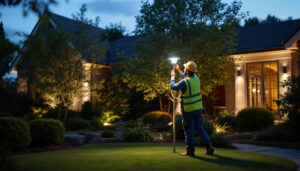
Successful solar lighting depends heavily on proper placement. Before installation, contractors should evaluate the site for sunlight exposure throughout the day. Even partial shading can significantly reduce the charging efficiency of solar panels.
Positioning the solar panel where it receives maximum direct sunlight-ideally south-facing in the northern hemisphere-is essential. In some cases, separating the solar panel from the fixture with a wired or wireless connection allows for more flexible placement, ensuring optimal sunlight capture without compromising lighting location.
Preparing the Installation Area
While solar can lights reduce the need for wiring, proper preparation of the mounting area remains important. For recessed installations, ensure the hole dimensions match the fixture specifications to avoid gaps or insecure fittings. Use weatherproof sealants to prevent moisture intrusion, which can damage internal components.
For surface-mounted units, ensure the mounting surface is stable and level. Secure fixtures firmly to avoid movement caused by wind or physical contact, which could damage solar panels or disrupt wiring connections.
Testing and Commissioning
After installation, test the solar can lights during the first night to verify proper operation. Check for consistent illumination and ensure the lights turn on automatically at dusk. If any issues arise, verify panel orientation, battery charge levels, and sensor functionality.
Providing clients with basic operational guidance and maintenance tips at handover can prevent future misunderstandings and enhance satisfaction. Simple instructions on cleaning solar panels and replacing batteries when needed add value to the service.
Common Challenges and How to Overcome Them
Dealing with Shaded or Low-Light Environments
Solar can lights rely on sunlight, so shaded areas or regions with limited daylight hours pose challenges. In such cases, selecting models with higher-efficiency panels or larger battery capacities can compensate for reduced charging time.
Alternatively, hybrid systems that incorporate both solar and wired power sources offer a reliable solution. These systems switch seamlessly between power inputs, ensuring uninterrupted lighting regardless of weather or seasonal variations.
Battery Degradation and Replacement
Battery performance naturally declines over time, affecting runtime and brightness. Contractors should inform clients about expected battery lifespans and recommend periodic checks. Using fixtures with easily replaceable batteries simplifies maintenance and extends the overall life of the lighting system.
Some manufacturers offer warranties or battery replacement programs, which can be a selling point. Staying informed about these options helps contractors provide comprehensive after-sales support.
Ensuring Compliance with Local Codes and Standards
While solar can lights simplify installation, contractors must still ensure compliance with local building and electrical codes. This includes verifying that fixtures meet safety standards and that installations do not interfere with other systems like fire alarms or emergency lighting.
Consulting with local authorities or code enforcement officers before large-scale installations can prevent costly rework and legal issues. Documentation of compliance can also reassure clients and enhance professional credibility.
Maximizing Client Satisfaction with Solar Can Lights
Customizing Solutions to Client Needs
Every project is unique, and tailoring solar can light solutions to specific client requirements can set contractors apart. Whether the priority is aesthetics, security, or energy savings, understanding client goals allows for informed product selection and system design.
Offering options such as adjustable brightness settings, motion sensors, or remote control capabilities can enhance functionality and user experience. Demonstrating these features during consultations helps clients appreciate the value of solar can lights.
Educating Clients on Benefits and Maintenance
Clear communication about the benefits and limitations of solar can lights builds trust. Clients should understand how solar technology works, what to expect in terms of performance, and how to care for their lighting system.
Providing written materials or digital resources that cover routine cleaning, battery replacement schedules, and troubleshooting tips empowers clients to maintain their investment effectively. This proactive approach reduces service calls and fosters positive referrals.
Leveraging Solar Can Lights for Marketing and Business Growth
Contractors who embrace solar lighting solutions can position themselves as leaders in sustainable building practices. Highlighting successful solar can light installations in portfolios and marketing materials attracts environmentally conscious clients.
Participating in green building initiatives or certifications can further enhance reputation and open doors to new business opportunities. Staying updated on emerging solar lighting technologies ensures contractors remain competitive and can offer the latest innovations.
Conclusion: Integrating Solar Can Lights into Modern Lighting Projects
Solar can lights represent a powerful tool for lighting contractors aiming to deliver efficient, attractive, and environmentally friendly solutions. Their ease of installation, energy savings, and flexibility make them suitable for a wide range of applications. By carefully selecting quality products, adhering to best installation practices, and educating clients, contractors can maximize the benefits of solar can lights and position themselves at the forefront of sustainable lighting innovation.
Embracing solar can lights not only meets growing market demand but also contributes to a greener future-one project at a time.
Illuminate Your Projects with LumenWholesale
Ready to enhance your lighting solutions with the efficiency and sustainability of solar can lights? At LumenWholesale, we provide contractors with the highest quality, spec-grade solar lighting products at unbeatable wholesale prices. Our commitment to excellence ensures that you can deliver reliable and high-performance lighting to your clients without the burden of inflated costs. Plus, with free shipping on bulk orders, you can stock up on premium lighting solutions while enjoying the best value. Don’t compromise on quality or price—choose LumenWholesale for all your lighting needs. Wholesale Lighting at the Best Value is just a click away.