Understanding the Client’s Vision and Property Needs
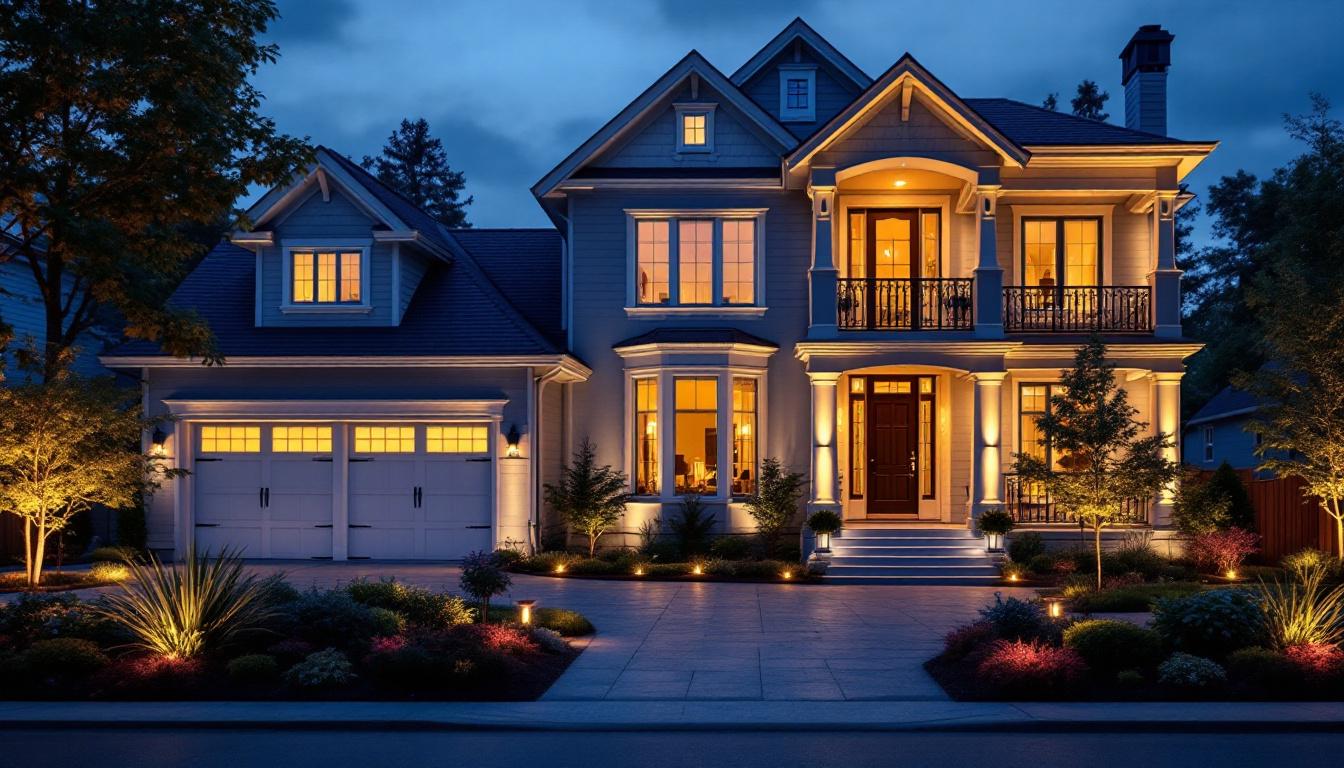
Every residential exterior lighting project begins with a clear understanding of the homeowner’s vision. This is more than just illuminating pathways or highlighting a garden feature-it’s about creating an atmosphere that complements the architecture and lifestyle of the residents. Lighting contractors need to ask targeted questions about how the space is used after dark, what mood the client wants to evoke, and any specific areas they want to emphasize or keep discreet. For instance, a family that enjoys outdoor gatherings may prioritize lighting around seating areas and dining spaces, while a couple seeking tranquility might focus on soft lighting in garden nooks or along serene pathways.
Assessing the property itself is equally important. The layout, landscaping, and architectural style all influence lighting choices. For example, a modern home with clean lines benefits from sleek fixtures and focused beams, while a traditional cottage might call for softer, warmer lighting that blends with natural materials. Taking time to walk the property during different times of day and noting existing light sources can help avoid over-illumination or awkward shadows. Additionally, considering seasonal changes in foliage and how they might affect visibility can lead to more thoughtful design choices that adapt throughout the year.
Balancing Aesthetics and Functionality
Clients often want their homes to look stunning at night, but lighting must also serve practical purposes: safety, security, and usability. Pathways and steps require sufficient illumination to prevent accidents, while entryways need bright, welcoming light. Yet, too much brightness can cause glare or light pollution, detracting from the home’s curb appeal and disturbing neighbors. Integrating motion sensors can enhance security while ensuring that lights are only on when needed, providing peace of mind without excessive energy use.
Striking this balance requires careful fixture placement and selecting the right beam angles and light intensity. Using dimmers or smart controls can help homeowners adjust lighting levels based on need and time of night, enhancing both comfort and energy efficiency. Furthermore, incorporating layered lighting techniques—such as combining ambient, task, and accent lighting—can create depth and dimension in outdoor spaces. This approach not only highlights architectural features and landscaping but also allows for versatility, enabling homeowners to tailor their outdoor ambiance for different occasions, from intimate dinners to lively celebrations.
Choosing the Right Fixtures and Technologies
Exterior lighting technology has advanced rapidly, offering contractors a wide range of options that combine durability, energy efficiency, and design flexibility. LED lighting dominates the market due to its long lifespan and low power consumption, but not all LEDs are created equal. Selecting fixtures with high-quality LEDs ensures consistent color rendering and prevents premature dimming. Moreover, the color temperature of LED lights can significantly affect the ambiance of outdoor spaces; warmer tones can create a cozy atmosphere, while cooler tones can enhance visibility and security.
Fixtures should be rated for outdoor use, with appropriate IP ratings to withstand moisture, dust, and temperature fluctuations. Materials like die-cast aluminum or stainless steel provide resilience against corrosion, especially in coastal or humid environments. Additionally, the choice of finish can impact longevity; powder-coated surfaces not only resist fading but also offer an aesthetic appeal that complements various architectural styles. When selecting fixtures, it’s also beneficial to consider the light distribution patterns, as this can enhance both functionality and aesthetics in outdoor spaces.
Incorporating Smart Lighting Solutions
Smart lighting systems are becoming increasingly popular in residential settings. These allow homeowners to control exterior lights remotely via smartphones or integrate them with home automation systems. For contractors, offering smart options can differentiate services and add value for clients. Furthermore, the integration of smart lighting with other systems, such as security cameras or alarms, can create a comprehensive safety net that enhances the overall security of the property.
Motion sensors, photocells, and timers can be incorporated to automate lighting based on occupancy or ambient light levels, improving security and reducing energy waste. However, it’s crucial to educate clients on proper sensor placement to avoid false triggers or blind spots. For instance, placing motion sensors too close to busy pathways can lead to unnecessary activations, while positioning them strategically can ensure that areas are well-lit when needed. Additionally, educating clients about the potential for scheduling features can empower them to set their lights to mimic occupancy when they are away, further enhancing security and energy efficiency.
Design Principles for Effective Exterior Lighting
Good exterior lighting design follows certain principles that ensure the lighting enhances the property without overwhelming it. Layering light is one such principle—combining ambient, task, and accent lighting creates depth and visual interest. This approach allows for a more dynamic and functional outdoor environment, where different areas can be illuminated according to their specific uses and the time of day. For instance, a well-lit pathway can guide guests safely while also highlighting the beauty of surrounding landscaping.
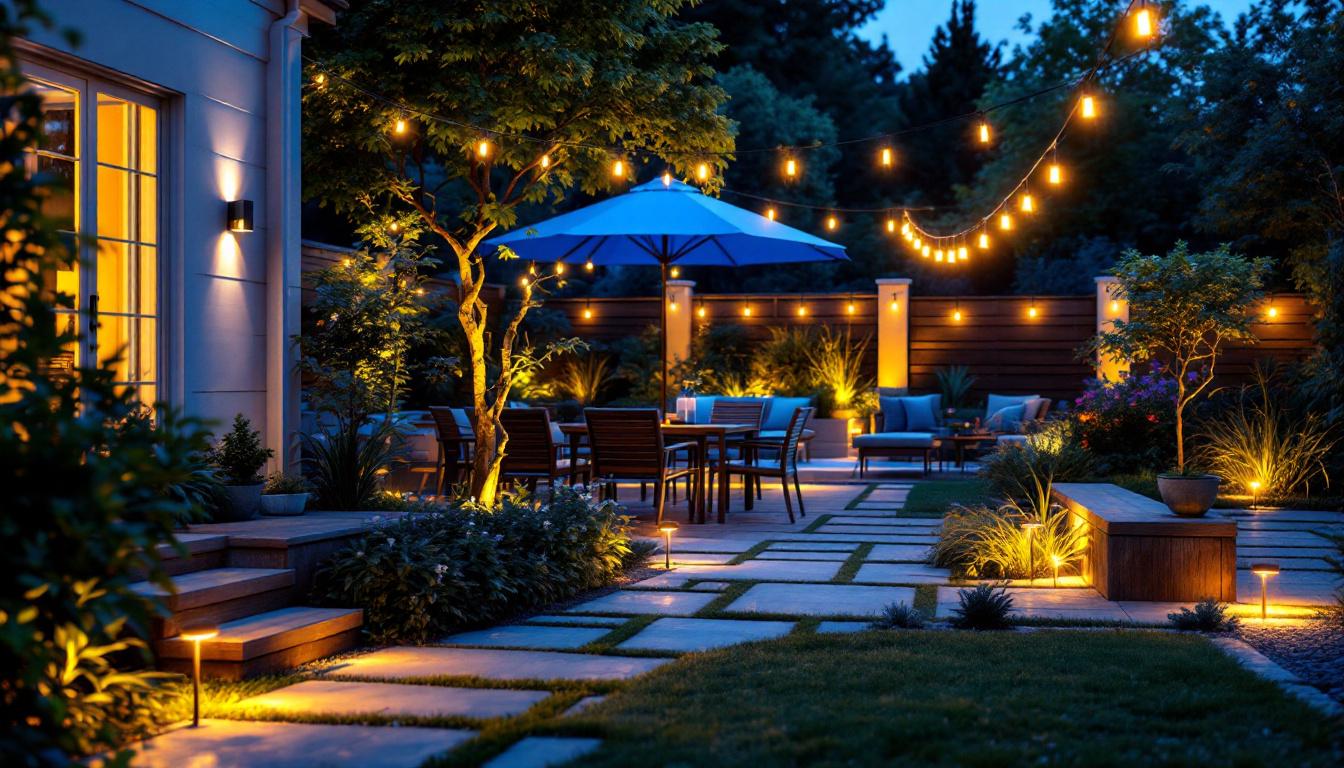
Ambient lighting provides general illumination, such as soft floodlights or wall sconces. Task lighting focuses on specific areas where activities occur, like grill stations or seating areas. Accent lighting draws attention to architectural details, plants, or water features. By integrating these different types of lighting, homeowners can create a welcoming atmosphere that invites gatherings and enhances the overall aesthetic appeal of the property.
Using Shadows and Contrast to Add Dimension
Lighting isn’t just about brightness; shadows and contrast play a vital role in shaping perception. Strategic placement of fixtures can cast appealing shadows from trees or textured walls, adding drama and dimension to the outdoor space. For example, a well-placed uplight can illuminate a tree trunk, creating intricate patterns on the ground that change as the night progresses. This interplay between light and shadow can transform an ordinary garden into a captivating nighttime oasis.
However, excessive contrast can create dark zones that feel unsafe or uninviting. Lighting contractors should aim for gradual transitions between light and dark areas, ensuring the entire space feels cohesive and accessible. Incorporating softer light sources, such as lanterns or string lights, can help bridge these gaps, providing a warm glow that encourages movement throughout the area. Additionally, using dimmers or smart lighting systems allows for flexibility in adjusting the intensity of light, catering to different moods and occasions, whether it’s a lively outdoor party or a quiet evening under the stars.
Energy Efficiency and Sustainability Considerations
Energy efficiency is a top priority for many homeowners, driven by environmental concerns and the desire to reduce utility bills. Contractors can recommend fixtures and controls that minimize energy use without compromising performance. By adopting energy-efficient practices, homeowners can significantly decrease their carbon footprint while also enjoying the financial benefits of lower energy costs. This dual advantage makes energy efficiency a compelling choice for modern living.
Using LED fixtures with high lumens-per-watt ratings, incorporating solar-powered lights where appropriate, and installing lighting controls like dimmers and timers all contribute to sustainability. Additionally, specifying warm color temperatures (2700K to 3000K) reduces light pollution and is more wildlife-friendly. These choices not only enhance the aesthetic appeal of outdoor spaces but also promote a healthier ecosystem by minimizing disruption to nocturnal wildlife. Furthermore, incorporating smart technology can optimize energy usage, allowing homeowners to control their lighting remotely and adjust settings based on their needs and preferences.
Compliance with Local Regulations and Standards
Lighting contractors must stay informed about local codes and ordinances related to exterior lighting. Many municipalities have restrictions on brightness, fixture types, and light trespass to protect neighbors and preserve night skies. Understanding these regulations is crucial for ensuring that installations are not only functional but also harmonious with the surrounding environment. This awareness can also guide contractors in selecting appropriate products that align with local sustainability initiatives.
Ensuring compliance not only avoids fines but also builds trust with clients who want a responsible and professional installation. Familiarity with standards such as the Illuminating Engineering Society (IES) guidelines can help contractors design lighting that meets both aesthetic and regulatory requirements. Moreover, engaging with local community boards or environmental groups can provide insights into upcoming changes in regulations, allowing contractors to stay ahead of the curve. This proactive approach not only enhances a contractor’s reputation but also fosters collaboration with clients who are increasingly interested in sustainable practices and responsible resource management.
Installation Best Practices and Maintenance Tips
Proper installation is critical to the longevity and effectiveness of exterior lighting. Contractors should follow manufacturer guidelines meticulously, ensuring secure mounting, correct wiring, and proper waterproofing of connections.
Ground-mounted fixtures require stable bases and protection against lawn equipment damage. Wiring should be buried at appropriate depths and use outdoor-rated cables. Testing the system thoroughly before project completion helps identify issues early.
Educating Clients on Maintenance
Clients often overlook maintenance, which can lead to reduced performance and costly repairs. Lighting contractors should provide clear instructions on cleaning fixtures, replacing bulbs, and checking sensors periodically.
Offering maintenance contracts or seasonal inspections can be a valuable service, keeping the lighting system in optimal condition and reinforcing the contractor’s commitment to quality.
Building Strong Client Relationships Through Communication
Exterior lighting projects can be complex, involving design decisions, technical challenges, and budget considerations. Transparent communication throughout the process helps manage expectations and fosters client satisfaction.
Providing detailed proposals with visuals, timelines, and clear pricing builds confidence. After installation, follow-up visits or calls to ensure the client is happy with the results demonstrate professionalism and care.
Leveraging Client Feedback for Continuous Improvement
Encouraging clients to share their experiences and suggestions can reveal insights that improve future projects. Positive testimonials also serve as powerful marketing tools, helping contractors attract new business in a competitive market.
Staying responsive to client needs and adapting to emerging trends keeps contractors relevant and trusted in the residential exterior lighting niche.
Illuminate Your Projects with LumenWholesale
Ready to elevate your lighting projects with products that blend quality, affordability, and convenience? Look no further than LumenWholesale. We provide contractors with spec-grade lighting solutions at unbeatable wholesale prices, ensuring every exterior lighting project shines without breaking the bank. Our extensive selection meets the highest industry standards, so you can deliver reliable, high-performance lighting every time. Plus, with free shipping on bulk orders, you can enjoy premium lighting at the best value — all without hidden fees or compromises. Don’t settle for less; choose LumenWholesale for your lighting needs and make your next project a glowing success. Wholesale Lighting at the Best Value