The Growing Importance of Staircase Lighting in Modern Design
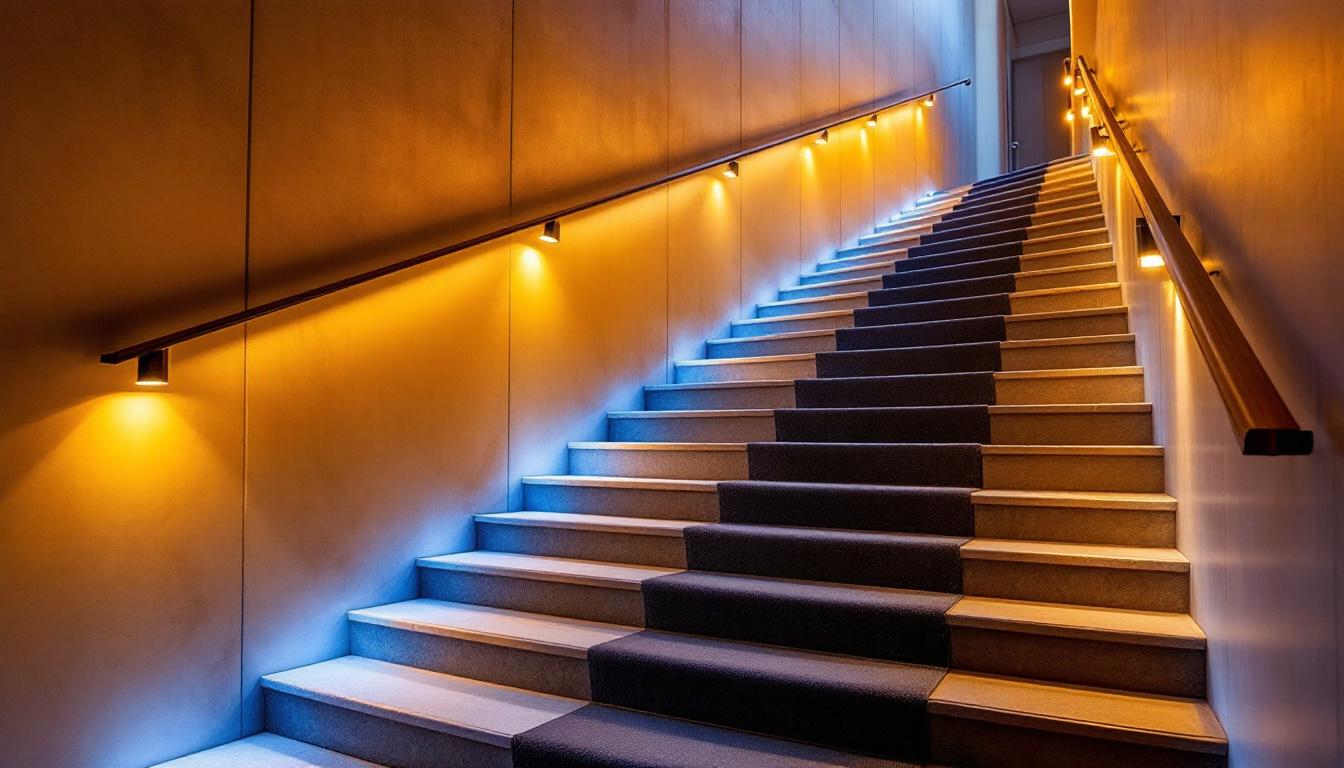
Staircase lighting has evolved from being a purely functional element to an integral part of architectural aesthetics and safety. For lighting contractors, understanding this shift is crucial to delivering value to clients and staying competitive in a dynamic market. Staircase lights not only illuminate steps but also enhance the ambiance, contribute to energy efficiency, and comply with increasingly stringent safety regulations.
Recent trends emphasize the use of LED technology, smart controls, and customizable lighting solutions that adapt to various environments and user needs. As homes and commercial spaces become more design-conscious, the demand for innovative staircase lighting solutions grows, making it essential for contractors to stay informed about the latest products and installation techniques.
Why Staircase Lighting is More Than Just Illumination
Properly installed staircase lighting improves visibility, reducing the risk of accidents and injuries. According to safety studies, well-lit staircases can decrease fall-related incidents by a significant margin, which is particularly important in public buildings, elderly care facilities, and high-traffic areas.
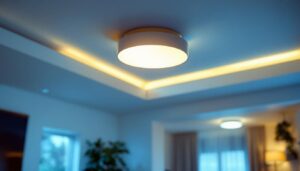
Beyond safety, staircase lights contribute to the overall mood and style of a space. They can highlight architectural features, create visual interest, and even influence the perceived size and openness of a room. For lighting contractors, this means that offering tailored lighting solutions can set their services apart and satisfy clients who prioritize both form and function.
Moreover, the integration of smart technology in staircase lighting systems allows for enhanced user experience. Homeowners can control the brightness and color temperature of their staircase lights through mobile apps or voice-activated devices, creating a personalized atmosphere that can change with the time of day or occasion. This adaptability not only improves convenience but also promotes energy savings, as users can program their lights to turn off when not needed. Such features are increasingly appealing to tech-savvy consumers who value innovation and efficiency in their home design.
Additionally, the aesthetic possibilities offered by modern staircase lighting are virtually limitless. From recessed lighting that provides a clean, minimalist look to decorative fixtures that serve as statement pieces, designers can experiment with various styles and configurations. The use of color-changing LEDs can also transform a staircase into a dynamic focal point, allowing homeowners to express their personality and creativity. As the market continues to evolve, lighting contractors who embrace these trends will find themselves well-positioned to meet the diverse needs of their clients, ultimately enhancing the overall appeal and functionality of their projects.
Technological Advancements Transforming Staircase Lighting
Lighting technology has seen rapid advancements, and staircase lighting is no exception. Staying updated on these innovations allows contractors to recommend and install cutting-edge solutions that optimize performance, efficiency, and user experience. As homeowners become more design-conscious and safety-aware, the demand for sophisticated lighting solutions has surged, prompting contractors to elevate their offerings.
LED Lighting: Efficiency and Versatility
LEDs have become the standard for staircase lighting due to their longevity, energy efficiency, and versatility. Unlike traditional incandescent or halogen bulbs, LEDs consume significantly less power and generate less heat, making them safer and more cost-effective in the long run. Their durability also means they require less frequent replacement, which is a significant advantage in high-traffic areas like staircases.
Lighting contractors should be familiar with various LED configurations, including strip lights, recessed fixtures, and step-mounted modules. These options offer flexibility in design and installation, allowing for seamless integration into different staircase styles and materials. Additionally, the ability to customize colors and brightness levels with LED technology can enhance the aesthetic appeal of staircases, creating dramatic effects or subtle accents that elevate the overall ambiance of a home.
Smart Lighting Controls and Automation
The rise of smart home technology has influenced staircase lighting systems, enabling features such as motion sensors, dimming controls, and programmable schedules. These innovations enhance convenience and energy savings while improving safety by ensuring lights activate only when needed. The integration of smart lighting not only simplifies daily routines but also adds a layer of sophistication to home environments.
Contractors who understand how to integrate smart controls can provide clients with modern, user-friendly solutions that align with broader home automation trends. This knowledge also opens opportunities for upselling and expanding service offerings. For instance, incorporating voice-activated systems or mobile app controls allows homeowners to manage their lighting effortlessly, further enhancing the appeal of smart staircase lighting solutions.
Human-Centric Lighting and Color Temperature
Human-centric lighting focuses on adjusting color temperature and intensity to support natural circadian rhythms and improve comfort. Staircase lighting that adapts to different times of day can reduce eye strain and create a more pleasant environment. This approach not only enhances the visual experience but also contributes to the overall well-being of the occupants, making it an increasingly popular choice among homeowners.
Lighting contractors should stay informed about tunable white LEDs and other technologies that facilitate these effects, as clients increasingly seek lighting that promotes wellness alongside aesthetics and safety. By educating clients on the benefits of human-centric lighting, contractors can position themselves as knowledgeable professionals who prioritize the health and comfort of their clients. This can lead to more personalized lighting designs that cater to individual preferences, ultimately fostering stronger client relationships and enhancing project satisfaction.
Regulatory Standards and Safety Compliance
Compliance with building codes and safety standards is a non-negotiable aspect of staircase lighting installation. Lighting contractors must keep abreast of evolving regulations to ensure their work meets legal requirements and protects clients.
Understanding Building Codes and Accessibility Requirements
Building codes often specify minimum illumination levels, placement, and types of fixtures for staircases, especially in commercial and public buildings. Additionally, accessibility standards such as the Americans with Disabilities Act (ADA) influence lighting design to accommodate individuals with visual impairments.
Contractors who are well-versed in these requirements can avoid costly rework, legal liabilities, and reputational damage. They can also advise clients on best practices that enhance safety and inclusivity. For instance, the use of contrasting colors in lighting can help visually impaired individuals navigate staircases more effectively, while strategically placed fixtures can minimize shadows that might obscure steps. This attention to detail not only complies with regulations but also fosters a welcoming environment for all users, reinforcing the importance of thoughtful design in public spaces.
Energy Efficiency Regulations and Incentives
Energy codes increasingly mandate the use of efficient lighting technologies, including LEDs and occupancy sensors. Some jurisdictions offer incentives or rebates for installing energy-saving lighting systems, which can be a compelling selling point for clients.
Staying updated on these regulations and programs enables contractors to guide clients toward compliant and cost-effective solutions, reinforcing their role as trusted advisors. Furthermore, the integration of smart lighting systems can enhance energy efficiency by adjusting illumination based on occupancy and natural light levels, leading to significant long-term savings. As sustainability becomes a priority for many organizations, contractors who can provide innovative, energy-efficient solutions will not only meet regulatory demands but also position themselves as leaders in the industry, appealing to environmentally conscious clients who prioritize green building practices.
Best Practices for Installation and Maintenance
Proper installation and ongoing maintenance are critical to maximizing the benefits of staircase lighting. Contractors who master these aspects can ensure long-term performance and client satisfaction.
Precision in Fixture Placement and Wiring
Effective staircase lighting requires careful planning of fixture locations to avoid shadows and glare while providing uniform illumination. Wiring must comply with electrical codes and be concealed or protected to maintain aesthetics and safety.
Contractors should use tools such as lighting simulation software and adhere to manufacturer guidelines to optimize installation outcomes. Additionally, considering the architectural style of the staircase can enhance the overall design; for instance, modern staircases may benefit from sleek, recessed lighting, while traditional designs might call for ornate sconces that complement the decor.
Furthermore, it’s essential to take into account the color temperature of the bulbs used, as warmer tones can create a welcoming atmosphere, while cooler tones may be more suitable for a contemporary look. By balancing these elements, contractors can create a visually appealing and functional lighting scheme that meets the specific needs of the space.
Maintenance Strategies to Extend Lifespan
Regular inspection and maintenance prevent premature failures and maintain lighting quality. This includes cleaning fixtures, checking connections, and replacing components as needed.
Offering maintenance services or educating clients on upkeep can build long-term relationships and generate repeat business. In addition to routine checks, contractors should recommend the use of energy-efficient LED bulbs, which not only last longer but also reduce energy costs for clients. Implementing a scheduled maintenance plan can help clients stay proactive, ensuring that their lighting systems remain in optimal condition and continue to enhance the safety and aesthetic appeal of their staircases.
Moreover, educating clients about the importance of seasonal maintenance, such as checking for dust accumulation or moisture damage, can further extend the lifespan of the lighting fixtures. By fostering a culture of care and attention to detail, contractors can position themselves as trusted advisors in the realm of staircase lighting, ultimately leading to enhanced customer loyalty and satisfaction.
Market Opportunities and Client Education
Lighting contractors who stay updated on staircase lighting trends and technologies can tap into expanding market opportunities and enhance client engagement.
Custom Solutions for Diverse Client Needs
From residential homes to commercial complexes, clients have varied preferences and requirements. Contractors who can design and implement customized staircase lighting solutions stand out in a competitive market.
Examples include integrating lighting with architectural elements, using color-changing LEDs for dynamic effects, or installing emergency lighting systems for safety compliance.
Educating Clients on Benefits and Options
Many clients may not be aware of the latest staircase lighting technologies or the importance of proper lighting design. Contractors who provide clear, informative guidance can build trust and facilitate informed decision-making.
Demonstrating the value of energy savings, safety improvements, and aesthetic enhancements helps clients appreciate the full benefits of professional lighting services.
Conclusion: The Imperative for Continuous Learning
For lighting contractors, staying updated on staircase lighting is not merely a matter of professional development but a strategic necessity. The intersection of technology, design, safety, and regulation creates a complex landscape that demands ongoing education and adaptability.
By embracing new technologies, understanding regulatory frameworks, mastering installation techniques, and engaging clients effectively, contractors can elevate their service quality and secure a competitive edge. Staircase lighting represents a vital niche where expertise translates directly into safer, more beautiful, and energy-efficient environments.
Illuminate Your Projects with LumenWholesale
As a lighting contractor committed to excellence, your journey towards creating safer, more beautiful, and energy-efficient spaces is never-ending. At LumenWholesale, we support your dedication to continuous learning and innovation by providing spec-grade lighting products that meet the highest industry standards. Take advantage of our unbeatable wholesale prices and hassle-free bulk buying process, complete with free shipping. Elevate your staircase lighting projects and beyond with our reliable, high-performance solutions. Discover the perfect blend of quality, affordability, and convenience. Wholesale Lighting at the Best Value is just a click away.