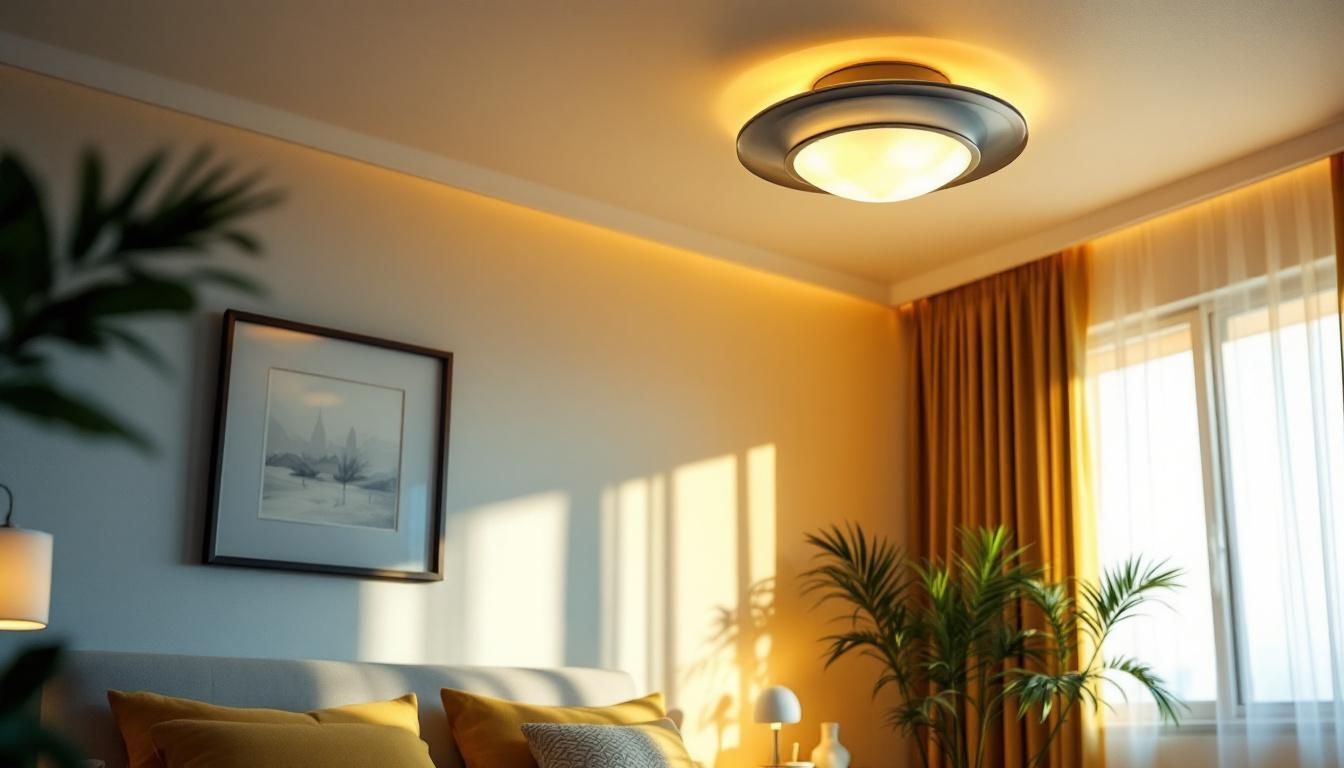
Understanding the Importance of LED Bulb Shapes in Lighting Design
Choosing the right LED light bulb shape is more than just an aesthetic decision. For lighting contractors, bulb shape directly impacts light distribution, fixture compatibility, and overall project success. While LED technology has revolutionized energy efficiency and longevity, the physical form of the bulb remains a critical factor in delivering the desired lighting effect.
Different bulb shapes serve different purposes—some focus light narrowly, while others spread it widely. Selecting the correct shape ensures that the lighting meets the functional requirements of the space, whether it’s a retail store, office, or residential setting. Ignoring the shape can lead to uneven lighting, glare issues, or even premature fixture wear.
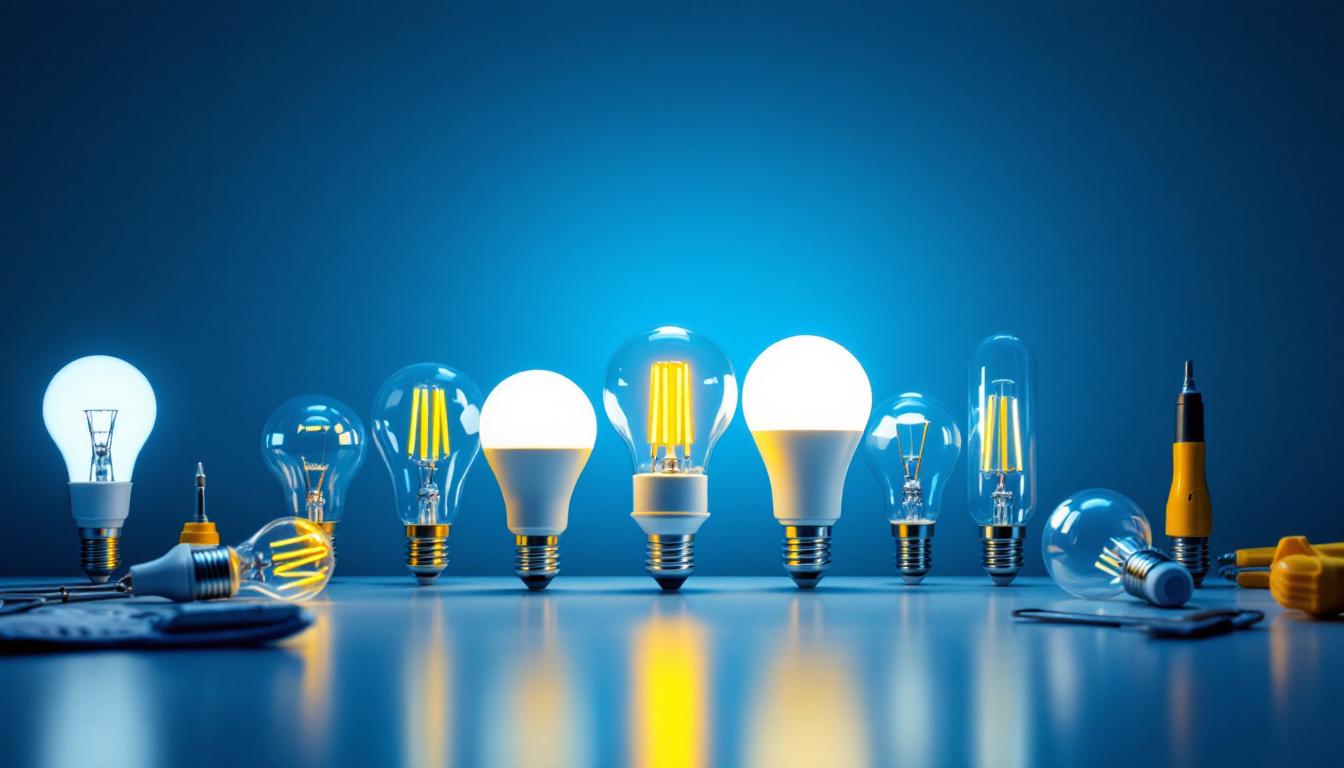
For instance, the classic A-shape bulb, often used in household lamps, provides a broad and even light distribution, making it ideal for general lighting in living rooms and bedrooms. In contrast, the PAR (Parabolic Aluminized Reflector) bulb is designed for directional lighting, perfect for spotlighting artwork or highlighting specific areas in a retail environment. Understanding these distinctions allows designers to tailor their lighting solutions to enhance the ambiance and functionality of a space, creating a more inviting and effective environment.
Moreover, the evolution of LED bulb shapes has led to innovative designs that cater to various applications. Specialty bulbs, such as globe or candle shapes, not only add a decorative touch but also serve specific lighting needs, such as in chandeliers or pendant fixtures. These unique forms can dramatically influence the overall aesthetic of a room while still providing the energy efficiency and longevity that LEDs are known for. As the demand for customized lighting solutions grows, the importance of selecting the right bulb shape becomes increasingly paramount in achieving both practical and design objectives.
Common LED Bulb Shapes and Their Applications
A19 – The Standard Workhorse
The A19 shape is the most familiar bulb shape, resembling the classic incandescent bulb. It’s versatile, fitting most household fixtures and many commercial applications. Lighting contractors often specify A19 LEDs for general ambient lighting in pendant fixtures, table lamps, and ceiling fans.
Its broad, omnidirectional light output makes it ideal where uniform illumination is needed. However, in recessed or directional fixtures, A19 bulbs may not be the best choice due to their wide beam spread. In addition to their common use in homes, A19 bulbs are also popular in office environments, where they can provide consistent lighting for workspaces, helping to reduce eye strain and improve productivity. Furthermore, with advancements in LED technology, A19 bulbs are now available in various color temperatures, allowing users to select warmer tones for a cozy atmosphere or cooler tones for a more vibrant and energetic feel.
BR and PAR Bulbs – Directional Lighting Specialists
Bulged Reflector (BR) and Parabolic Aluminized Reflector (PAR) bulbs are designed for focused, directional lighting. BR bulbs typically have a softer beam spread, suitable for general floodlighting in recessed cans or track lighting. PAR bulbs, on the other hand, provide a tighter beam angle, making them perfect for accent lighting or highlighting architectural features.
Lighting contractors should consider these shapes when specifying lighting for retail displays, galleries, or outdoor security. Their shape allows for precise control of light, reducing unwanted spill and increasing energy efficiency. Additionally, PAR bulbs are often favored in theatrical lighting and photography due to their ability to produce intense, focused beams that can dramatically enhance the visual impact of a scene. With options for dimmable features, both BR and PAR bulbs can also be adjusted to create the perfect ambiance for any occasion, from a cozy dinner to a vibrant event.
Torpedo and Candle Bulbs – Decorative and Specialty Uses
Torpedo and candle-shaped LED bulbs are often used in chandeliers, wall sconces, and decorative fixtures. Their elongated form mimics traditional flame-shaped bulbs, adding elegance and style without sacrificing efficiency.
While these shapes are primarily aesthetic, they also influence how light interacts with the fixture and space. For example, candle bulbs often produce a softer glow, enhancing ambiance in hospitality or residential environments. Beyond their decorative appeal, these bulbs can also be utilized in outdoor settings, such as patio lighting or garden fixtures, where their unique shapes can complement landscaping designs. Some manufacturers even offer torpedo and candle bulbs with smart technology, allowing users to control brightness and color remotely, making them not just beautiful but also functional in modern smart homes.
Key Considerations When Selecting LED Bulb Shapes
Fixture Compatibility and Socket Types
Not all bulb shapes fit every fixture. Lighting contractors must verify that the chosen bulb shape matches the fixture’s socket and physical dimensions. For instance, a BR30 bulb is too large for a fixture designed for an A19 bulb.
Additionally, some fixtures have trim or housing that restricts bulb size or shape. Ensuring compatibility avoids installation issues and maintains the fixture’s aesthetic integrity.
Beam Angle and Light Distribution
The shape of an LED bulb often correlates with its beam angle. Spherical or pear-shaped bulbs like A19 typically have wide beam angles, providing even, ambient light. Reflector bulbs like PAR and BR have narrower beams for focused lighting.
Lighting contractors should match the beam angle to the application. For example, wide beam angles are suitable for general room lighting, while narrow beams are better for task or accent lighting. Understanding this relationship helps optimize lighting design and energy use.
Color Temperature and CRI Considerations
While bulb shape doesn’t directly affect color temperature or Color Rendering Index (CRI), these factors influence the perceived quality of light. Contractors should specify bulbs that not only fit physically but also meet the visual requirements of the space.
For retail or hospitality projects, high CRI bulbs paired with the right shape enhance product appearance and ambiance. In contrast, cooler color temperatures might be preferred in office environments to boost alertness and productivity.
Advanced LED Bulb Shapes for Specialized Projects
G-Type Bulbs for Task Lighting
G-type (globe) bulbs are often used in bathroom vanities, pendant lights, and decorative fixtures. Their round shape provides uniform light distribution, reducing shadows on faces-critical for grooming or makeup application.
Contractors working on residential or hospitality projects should consider G-type bulbs when the goal is flattering, shadow-free illumination.
T-Shaped and Tubular LEDs for Linear Fixtures
Linear fixtures and under-cabinet lighting often utilize T-shaped or tubular LED bulbs. These shapes fit narrow fixtures and provide consistent, linear illumination. They are common in commercial kitchens, offices, and retail shelving.
Choosing the correct tubular bulb ensures even light coverage and prevents dark spots, which can detract from the space’s functionality and appearance.
Specialty Shapes: MR and R Bulbs
Multifaceted Reflector (MR) bulbs are small, directional bulbs used in track lighting and display cases. Their compact size and focused beam make them ideal for highlighting merchandise or artwork.
R-shaped bulbs, similar to BR bulbs but with a rounder reflector, are often used in recessed lighting. Both shapes offer contractors options for precise lighting control in tight spaces.
Practical Tips for Lighting Contractors When Specifying LED Bulb Shapes
Test Before Committing
Whenever possible, test different bulb shapes in the actual fixture and space. Lighting effects can vary dramatically based on shape, beam angle, and fixture design. A test installation helps identify glare issues, uneven light distribution, or aesthetic mismatches early.
Consider Energy Efficiency and Cost Over Time
While LED bulbs are generally energy-efficient, some shapes may consume more power due to their design or intended use. For example, reflector bulbs with narrow beams often have higher wattage equivalents to achieve the desired brightness.
Contractors should balance upfront costs with long-term energy savings and maintenance. Choosing the right shape can reduce the number of bulbs needed or extend fixture life, saving clients money over time.
Stay Updated on Industry Standards and Innovations
The lighting industry continuously evolves with new shapes and technologies emerging regularly. Staying informed about the latest LED bulb designs, dimming capabilities, and compatibility with smart controls ensures contractors provide cutting-edge solutions.
For instance, some new LED shapes integrate advanced optics to improve beam control or incorporate smart features that enhance user experience. Awareness of these developments can differentiate a contractor’s service offering.
Common Challenges and How to Overcome Them
Dealing with Fixture Limitations
Older fixtures may not accommodate modern LED bulb shapes or sizes. Contractors often face challenges when retrofitting LED bulbs into vintage or specialty fixtures. Custom adapters or selecting bulbs with smaller profiles can be effective solutions.
Managing Glare and Light Pollution
Improper bulb shape selection can cause glare, which is uncomfortable and reduces visual clarity. Using bulbs with appropriate beam angles and diffusers helps control glare. In outdoor lighting, selecting shapes that minimize light spill reduces light pollution and complies with regulations.
Ensuring Consistency Across Multiple Fixtures
In large projects, consistency in bulb shape and light output is crucial for a cohesive look. Contractors should source bulbs from reliable manufacturers and verify specifications to avoid mismatched lighting.
Conclusion: Mastering LED Bulb Shapes for Optimal Lighting Solutions
For lighting contractors, understanding LED bulb shapes is essential to delivering effective, efficient, and attractive lighting solutions. Each shape offers unique benefits and challenges, influencing light distribution, fixture compatibility, and overall project success.
By carefully considering the application, fixture constraints, and desired lighting effects, contractors can specify the right LED bulb shapes that meet client needs and stand up to practical demands. Testing, staying informed, and balancing cost with performance are key strategies to master this aspect of lighting design.
Ultimately, the right LED bulb shape transforms a lighting installation from merely functional to truly exceptional.
Illuminate Your Projects with LumenWholesale
Ready to elevate your lighting projects with the perfect LED bulb shapes? At LumenWholesale, we provide lighting contractors with an exceptional range of high-quality, spec-grade lighting products at unbeatable wholesale prices. Say goodbye to local distributor markups and hello to superior lighting solutions that meet the highest industry standards. With our hassle-free bulk buying and free shipping, you’ll enjoy premium lighting at the best value — all without hidden fees or compromises. Don’t just take our word for it; experience the LumenWholesale difference today and transform your lighting installations from functional to extraordinary.