What Are Motion Light Switches and Why They Matter
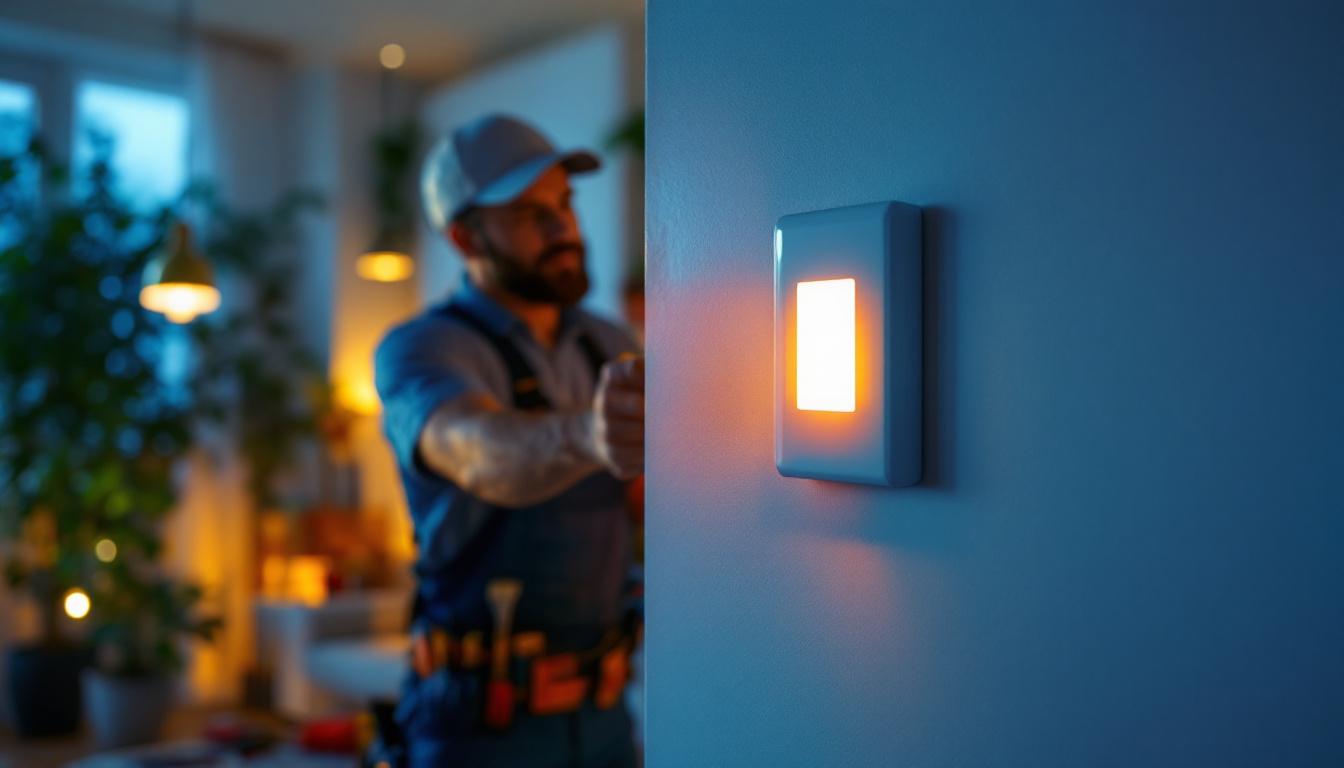
Motion light switches are devices that automatically control lighting based on movement detection. Instead of flipping a traditional switch, these smart controls use sensors to turn lights on when someone enters a space and off after a period of inactivity. For lighting contractors, understanding these switches is crucial because they offer energy savings, convenience, and compliance with modern building codes.
They are especially popular in commercial settings like offices, warehouses, and restrooms, but their use is growing in residential projects too. The ability to reduce energy waste while enhancing user experience makes motion light switches a valuable addition to any lighting installation.
These switches typically utilize passive infrared (PIR) sensors, which detect heat emitted by the human body, or ultrasonic sensors that send out sound waves to detect movement. This technology not only ensures that lights are only on when needed but also contributes to a safer environment by illuminating spaces automatically, reducing the risk of accidents in dimly lit areas. Furthermore, many modern motion light switches come equipped with adjustable sensitivity and time delay settings, allowing users to customize their operation based on specific needs or preferences.
In addition to their practical benefits, motion light switches can also play a significant role in enhancing the aesthetic appeal of a space. By eliminating the need for visible switches, they contribute to a cleaner, more streamlined look in both residential and commercial designs. Moreover, with the rise of smart home technology, many motion light switches can now be integrated with home automation systems, enabling users to control their lighting remotely or set specific schedules. This integration not only adds convenience but also opens up new possibilities for energy management and security, making motion light switches an increasingly essential component of modern lighting solutions.
Types of Motion Sensors in Light Switches
Passive Infrared (PIR) Sensors
PIR sensors detect changes in infrared radiation, which is emitted by warm bodies like humans. When a person moves within the sensor’s field of view, the switch triggers the light to turn on. These sensors are highly effective in enclosed areas with controlled temperature environments.
They are cost-effective and widely used, but their detection range and sensitivity can be affected by environmental factors such as temperature fluctuations and obstacles blocking the sensor’s line of sight. For instance, if a PIR sensor is installed near a window, it may be less effective during sunny days when the infrared radiation from the sun can interfere with its readings. Additionally, the placement of furniture or other objects can create dead zones where movement may not be detected, which is an important consideration when designing the layout of a room.
Ultrasonic Sensors
Ultrasonic sensors emit high-frequency sound waves and measure the reflection of these waves to detect movement. They excel in spaces where motion might be subtle, like slight hand movements or slow walking. Unlike PIR sensors, ultrasonic sensors can detect motion around corners or behind objects, as sound waves can bounce off surfaces.
However, they may be prone to false triggers caused by air currents or vibrations, so proper placement and calibration are essential. For example, installing these sensors in areas with heavy foot traffic or near HVAC vents can lead to unnecessary light activation. To mitigate these issues, some models come with adjustable sensitivity settings, allowing users to fine-tune the sensor’s response based on the specific environment. This adaptability makes ultrasonic sensors particularly useful in settings like offices or classrooms, where movement patterns can vary widely throughout the day.
Dual-Technology Sensors
Combining PIR and ultrasonic technologies, dual-technology sensors offer enhanced accuracy by requiring both sensor types to detect motion before activating the light. This reduces false triggers and improves reliability in challenging environments.
For contractors, dual-technology switches can be a great option in spaces with complex layouts or where precise control is necessary. These sensors are particularly beneficial in large open areas, such as warehouses or auditoriums, where traditional sensors might struggle to cover the entire space effectively. Furthermore, many dual-technology sensors are designed with energy efficiency in mind, automatically adjusting their sensitivity based on ambient light levels or occupancy patterns. This feature not only conserves energy but also extends the lifespan of the lighting fixtures, making them a smart choice for both residential and commercial applications.
Key Features Lighting Contractors Should Know
Adjustable Time Delay
Most motion light switches allow the installer or end-user to set how long the light stays on after motion is no longer detected. This feature is critical for balancing energy savings with user comfort. For example, in a restroom, a shorter delay might be preferred, while in a conference room, a longer delay prevents frequent switching. Additionally, some advanced models offer customizable delay settings that can be programmed for different times of day or specific events, allowing for a more tailored lighting experience. This adaptability not only enhances user satisfaction but also contributes to energy conservation by reducing unnecessary light usage during off-peak hours.
Sensitivity Settings
Adjustable sensitivity helps tailor the sensor’s detection range and responsiveness. This is important to avoid false activations from pets, HVAC systems, or passing traffic outside a window. Contractors should test and adjust sensitivity on-site to optimize performance. Furthermore, some motion sensors come equipped with dual technology, combining passive infrared (PIR) and microwave detection, which can significantly reduce the likelihood of false triggers. This dual approach allows for a more reliable detection system, ensuring that lights only activate when genuine motion is detected, thus enhancing the overall efficiency of the lighting system.
Ambient Light Sensing (Photocell)
Many motion light switches include an ambient light sensor that prevents the light from turning on when there is sufficient natural light. This feature maximizes energy efficiency by ensuring lights only activate when needed. In commercial settings, this can lead to substantial cost savings over time, especially in areas with large windows or skylights. Additionally, integrating ambient light sensing with smart home systems can allow for even greater control, enabling lights to adjust automatically based on the time of day or weather conditions, thereby creating a more dynamic and responsive lighting environment.
Manual Override
Some models provide a manual override switch or button, allowing users to keep lights on continuously if desired. This flexibility can be useful in spaces where motion detection might not always be practical. For instance, during events or gatherings, the ability to manually control lighting can enhance the atmosphere and ensure adequate visibility. Moreover, a well-designed manual override feature can include a timed option, where lights can be set to remain on for a predetermined period before reverting back to automatic mode, thus combining convenience with energy efficiency. This thoughtful integration of features caters to a variety of user needs and enhances the overall functionality of the lighting system.
Installation Considerations for Contractors
Wiring and Compatibility
Motion light switches typically replace standard single-pole or three-way switches and require a neutral wire for proper operation. Many older buildings lack a neutral wire in switch boxes, so contractors must verify wiring before installation.
Compatibility with existing lighting loads, such as LED, CFL, or incandescent bulbs, is another critical factor. Some motion switches are designed specifically for LED loads and may not function correctly with other types.
Sensor Placement and Coverage
Proper sensor placement is key to effective operation. Sensors should have a clear line of sight to the area where motion is expected. Avoid placing sensors near HVAC vents, windows with direct sunlight, or areas with frequent vibration.
Contractors should consider the sensor’s detection pattern and range, typically specified in degrees and feet, to ensure full coverage of the target space.
Environmental Factors
Temperature extremes, humidity, and dust can affect sensor performance. For example, PIR sensors may struggle in very hot environments where the ambient temperature approaches body temperature. Ultrasonic sensors might be less effective in noisy or drafty areas.
Choosing the right sensor type and protective enclosures can mitigate these issues.
Benefits for Clients and End Users
Energy Savings and Cost Reduction
By automatically turning lights off when spaces are unoccupied, motion light switches significantly reduce wasted energy. For commercial clients, this translates into lower utility bills and a smaller carbon footprint.
Studies show that occupancy sensors can cut lighting energy use by 20-60%, depending on the application and user behavior.
Improved Convenience and Safety
Motion switches eliminate the need to fumble for switches in the dark, enhancing user convenience. They also improve safety by ensuring areas like stairwells, hallways, and entrances are always lit when occupied.
Building Code Compliance
Many building codes now require occupancy sensors in specific areas, such as commercial restrooms and classrooms. Installing motion light switches helps contractors meet these requirements and avoid costly rework.
Common Challenges and How to Overcome Them
False Triggers and Missed Activations
False triggers can annoy users and waste energy, while missed activations cause frustration when lights don’t turn on. Proper sensor selection, placement, and sensitivity adjustment are the best defenses against these issues.
Compatibility with Smart Building Systems
As buildings become smarter, motion light switches may need to integrate with centralized control systems. Contractors should verify compatibility with protocols like DALI, Zigbee, or Z-Wave, depending on the project scope.
Maintenance and Troubleshooting
Motion sensors can accumulate dust or become misaligned over time, reducing effectiveness. Regular inspection and cleaning should be part of maintenance routines. Troubleshooting often involves checking wiring, sensor settings, and environmental factors.
Final Thoughts for Lighting Contractors
Motion light switches are more than just convenient gadgets; they are essential tools for modern lighting design that deliver energy efficiency, user comfort, and code compliance. Understanding the different sensor technologies, installation nuances, and client benefits equips contractors to specify and install these devices confidently.
Taking the time to select the right switch for each application, carefully install and configure it, and educate clients on its use will result in satisfied customers and fewer callbacks. Motion light switches represent a smart investment in any lighting project.
Get Your Motion Light Switches at LumenWholesale
Ready to elevate your lighting projects with the efficiency and sophistication of motion light switches? Look no further than LumenWholesale for a comprehensive range of high-quality, spec-grade lighting products. Our unbeatable wholesale prices and commitment to cutting out the middleman mean you get the best value for your investment. With free shipping on bulk orders, you can stock up on reliable, high-performance lighting solutions without worrying about hidden fees. Don’t compromise on quality or price. Visit LumenWholesale today and discover the perfect blend of quality, affordability, and convenience for all your lighting needs.