Choosing the Right Surface Lights for Different Ceiling Types
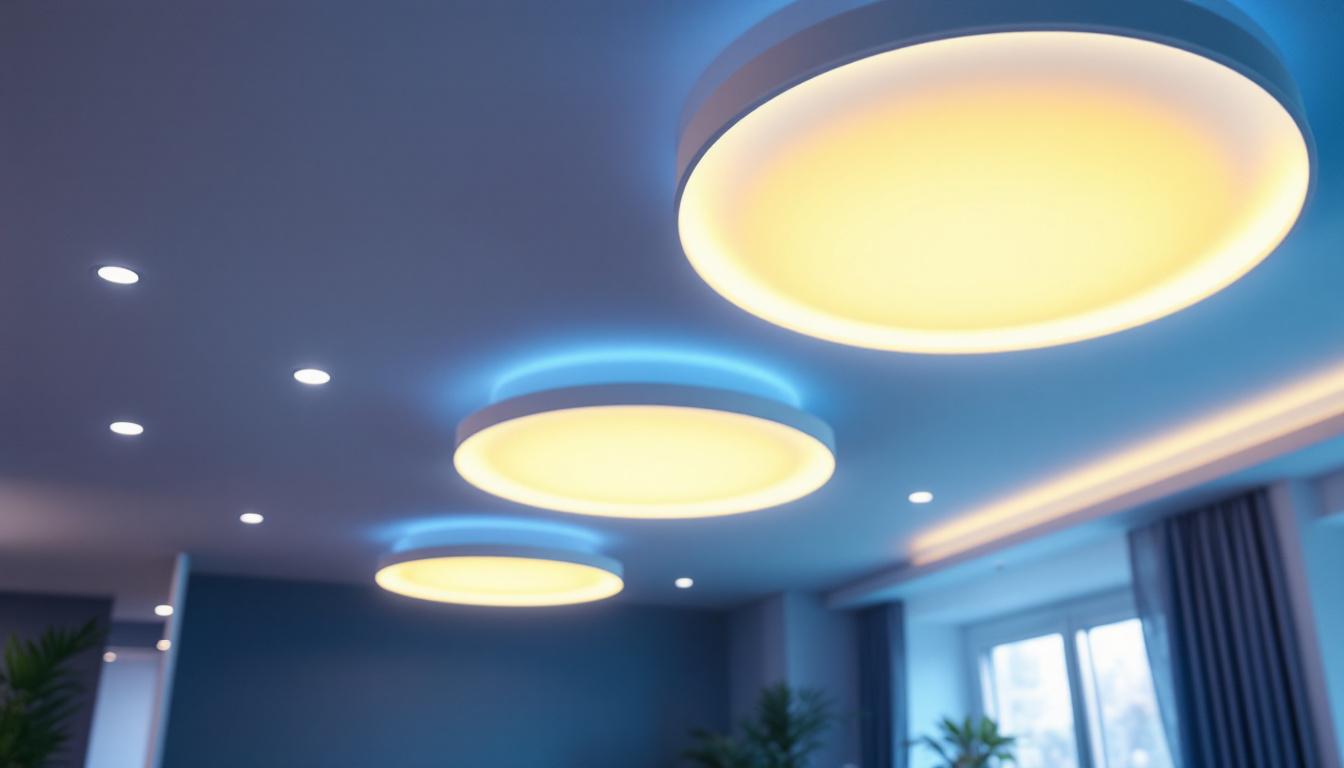
Surface-mounted ceiling lights are a versatile choice, especially when recessed lighting isn’t an option. Whether dealing with drywall, concrete, or drop ceilings, the type of surface light selected can make or break the installation’s success and the overall aesthetic.
For drywall ceilings, lightweight fixtures with secure mounting brackets are ideal. These fixtures minimize stress on the ceiling and reduce the risk of damage over time. Contractors often recommend LED surface lights with integrated drivers to keep the profile slim and reduce heat output. Additionally, the color temperature of the LEDs can significantly affect the ambiance of a room. Warmer tones create a cozy atmosphere, perfect for living spaces, while cooler tones are often better suited for work areas, enhancing focus and productivity.
Concrete ceilings demand a different approach. Heavy-duty anchors and robust fixtures designed to withstand vibration and temperature changes are essential. Surface-mounted lights with aluminum housings not only provide durability but also aid in heat dissipation, extending the lifespan of the LEDs. Moreover, the design of the fixture can complement the industrial aesthetic often found in spaces with concrete ceilings. Opting for fixtures with a minimalist or raw finish can enhance the architectural elements of the space, creating a cohesive look that marries function with style.
Drop ceilings, common in commercial spaces, require surface lights that can be mounted either directly on the ceiling grid or on the tiles themselves. Magnetic or clip-on fixtures offer quick installation and easy maintenance, which is a significant advantage in office or retail environments. Furthermore, integrating dimmable options can provide flexibility in lighting levels, allowing for adjustments based on the time of day or specific activities. This adaptability is particularly beneficial in multi-use spaces where different tasks may require varying lighting conditions.
Key Considerations for Mounting
Ensuring proper mounting is critical. The weight of the fixture must be supported adequately to prevent sagging or falling. Use anchors rated for the ceiling material and weight class. For heavier fixtures, toggle bolts or molly bolts are preferred over plastic anchors. It’s also advisable to check local building codes, as they may dictate specific requirements for mounting fixtures in commercial versus residential settings.
Contractors should also consider the accessibility of the electrical box. Surface-mounted fixtures often rely on junction boxes that are flush with the ceiling surface. If the box is recessed or set deep, extension rings or mounting plates may be necessary to ensure a secure and code-compliant installation. Additionally, planning for future maintenance is crucial; ensuring that fixtures can be easily accessed for bulb changes or repairs can save time and effort down the line. This foresight can be particularly beneficial in high-ceiling environments where maintenance can be cumbersome and costly.
Maximizing Efficiency and Longevity with LED Surface Lights
LED technology has revolutionized surface lighting, offering contractors a reliable, energy-efficient option that reduces maintenance calls. Selecting the right LED surface light involves more than just wattage; it’s about understanding color temperature, lumen output, and driver quality.
Color temperature plays a vital role in the ambiance and functionality of a space. For residential applications, warmer tones (2700K to 3000K) create a cozy atmosphere, while cooler temperatures (3500K to 4100K) are better suited for commercial or task-oriented environments. Lighting contractors should always match the color temperature to the client’s needs and existing lighting. Additionally, the choice of color temperature can influence mood and productivity; studies have shown that cooler light can enhance concentration and alertness, making it an ideal choice for offices and study areas.
Lumen output determines how bright the fixture will be. A common mistake is to focus solely on wattage, which varies between technologies. Instead, specify fixtures based on lumens to ensure consistent brightness levels. For example, a surface light producing 1,200 lumens can replace a traditional 75-watt incandescent bulb effectively. It’s also important to consider the distribution of light; fixtures with a higher lumen output may not always be necessary if the design of the space allows for effective light diffusion, ensuring that every corner is illuminated without creating harsh shadows.
Driver Quality and Dimming Compatibility
The LED driver controls the power supplied to the light source, influencing both performance and lifespan. High-quality drivers reduce flicker, improve energy efficiency, and support dimming functions. Contractors should verify that the selected surface light is compatible with the dimmer systems in place, especially in retrofit scenarios. In addition, understanding the load requirements of the driver can prevent overloading, which can lead to premature failure of the lighting system.
Many LED surface lights come with integrated drivers that are UL-listed and designed for long-term reliability. When replacing older fixtures, matching the driver specifications to existing wiring and dimmers avoids costly callbacks and client dissatisfaction. Moreover, it’s beneficial to educate clients about the advantages of investing in higher-quality drivers, as they not only enhance the performance of the lighting but also contribute to energy savings over time. By providing detailed explanations about the technology behind LED drivers and their impact on overall lighting quality, contractors can build trust and foster long-term relationships with their clients.
Installation Best Practices to Save Time and Avoid Common Pitfalls
Surface lighting installations can be straightforward, but skipping key steps often leads to complications. Lighting contractors benefit from a systematic approach that prioritizes safety, efficiency, and compliance with electrical codes. Understanding the nuances of installation can make a significant difference in both the quality of the work and the satisfaction of the client.
Start by confirming power is off at the breaker before any wiring begins. Use a non-contact voltage tester to double-check. This simple step prevents accidents and protects both the installer and the equipment. Additionally, it’s wise to inform any occupants of the space about the ongoing work, ensuring everyone is aware and reducing the risk of accidental power restoration during installation.
Next, carefully inspect the mounting surface. Uneven or damaged ceilings require repair or reinforcement before attaching fixtures. This ensures a flush, secure fit and prevents future issues like loosening or misalignment. Furthermore, consider the weight and size of the fixtures being installed; heavier fixtures may necessitate additional support or specialized mounting hardware to ensure safety and stability over time.
Wiring and Connection Tips
When connecting wires, use wire nuts or push-in connectors rated for the wire gauge and environment. Avoid twisting wires together without a secure connector, as this can cause loose connections and potential fire hazards. It’s also beneficial to use heat-shrink tubing for added insulation on connections, particularly in areas where moisture may be present, as this provides an extra layer of protection against corrosion and electrical faults.
Labeling wires during disassembly or retrofit projects can save time during installation and troubleshooting. Contractors often use colored tape or tags to identify line, neutral, and ground wires clearly. This practice not only streamlines the installation process but also aids future maintenance efforts, allowing anyone working on the system to quickly understand the wiring configuration without extensive investigation.
Sealing and Finishing Touches
After mounting and wiring, sealing around the fixture base with a paintable silicone caulk can prevent dust accumulation and improve the fixture’s appearance. This is especially important in kitchens or bathrooms where moisture and grease can accumulate. Additionally, consider using a caulk that is resistant to mold and mildew, as this can prolong the life of the installation and maintain a clean aesthetic in high-humidity areas.
Finally, test the fixture with the intended controls before closing up. This step confirms proper operation and dimmer compatibility, allowing adjustments before the job is complete. It’s also a good opportunity to check for any flickering or inconsistent lighting, which can indicate underlying issues that need to be addressed. Taking the time to perform these checks not only enhances the quality of the installation but also builds trust with clients who appreciate thoroughness and attention to detail.
Enhancing Aesthetics and Functionality with Surface Lights
Surface lights don’t have to be purely functional. They can serve as design elements that enhance the character of a space. Lighting contractors who understand this can offer clients solutions that balance light quality with style.
Fixtures with adjustable heads or diffusers allow customization of light direction and softness. This flexibility is valuable in multi-use spaces where lighting needs may change throughout the day.
Architectural surface lights with sleek profiles and modern finishes can complement contemporary interiors, while classic designs with frosted glass or metal accents suit traditional settings. Matching the fixture style to the room’s decor elevates the overall design and client satisfaction.
Layering Light for Optimal Results
Surface lights often work best when combined with other lighting types like wall sconces, pendant lights, or task lighting. Contractors should advise clients on layering light to avoid flat, uniform illumination that lacks depth and interest.
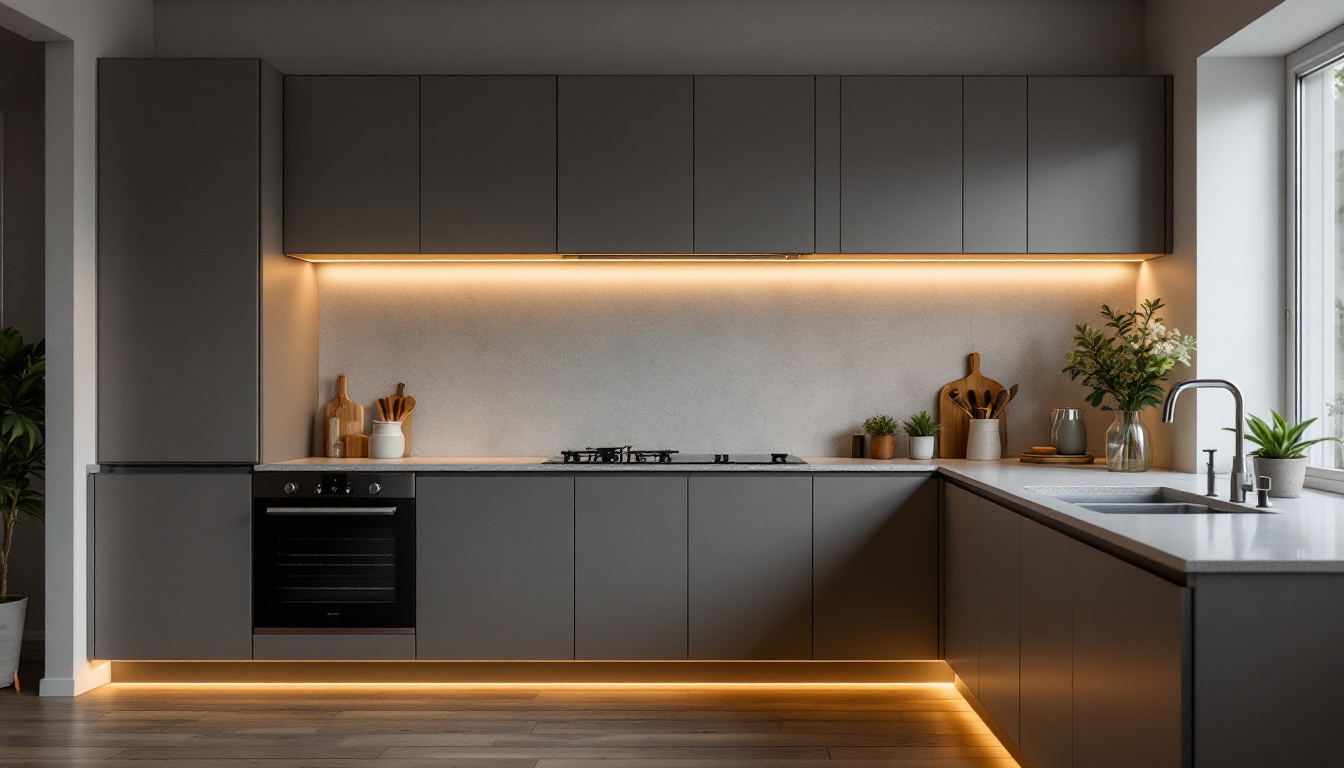
For example, in a kitchen, surface-mounted ceiling lights provide general lighting, while under-cabinet LEDs add task lighting. This combination improves functionality and highlights design features.
Maintenance Tips to Keep Surface Lights Performing Well
Proper maintenance extends the life of surface-mounted ceiling lights and ensures consistent performance. Contractors can provide clients with simple guidelines that reduce service calls and prolong fixture life.
Regular cleaning with a soft cloth and mild detergent removes dust and grime that can reduce light output. Avoid abrasive materials or harsh chemicals that might damage finishes or lenses.
Inspect fixtures periodically for signs of wear, such as discoloration, loose connections, or flickering. Early detection of issues allows for timely repairs, preventing more significant problems.
Replacing Components and Upgrading Fixtures
When LEDs begin to dim or fail, replacing the entire fixture is often more cost-effective than swapping individual components. However, some surface lights offer modular designs where drivers or LED boards can be replaced independently.
Contractors should keep records of installed fixtures, including model numbers and installation dates, to streamline future maintenance or upgrades. Offering clients options for upgrading to newer, more efficient models can also enhance satisfaction and energy savings over time.
Illuminate Your Projects with LumenWholesale
Ready to elevate your lighting installations with products that blend quality, affordability, and convenience? Look no further than LumenWholesale for your next project. Our extensive selection of spec-grade lighting products ensures you have access to the best solutions for any environment, all at unbeatable wholesale prices. Say goodbye to middleman markups and hello to hassle-free bulk buying with free shipping. Don’t compromise on performance or cost—choose LumenWholesale and give your clients the exceptional lighting they deserve. Discover the difference today by visiting Wholesale Lighting at the Best Value.