Introduction: The Rise of Grow Lights in Modern Agriculture
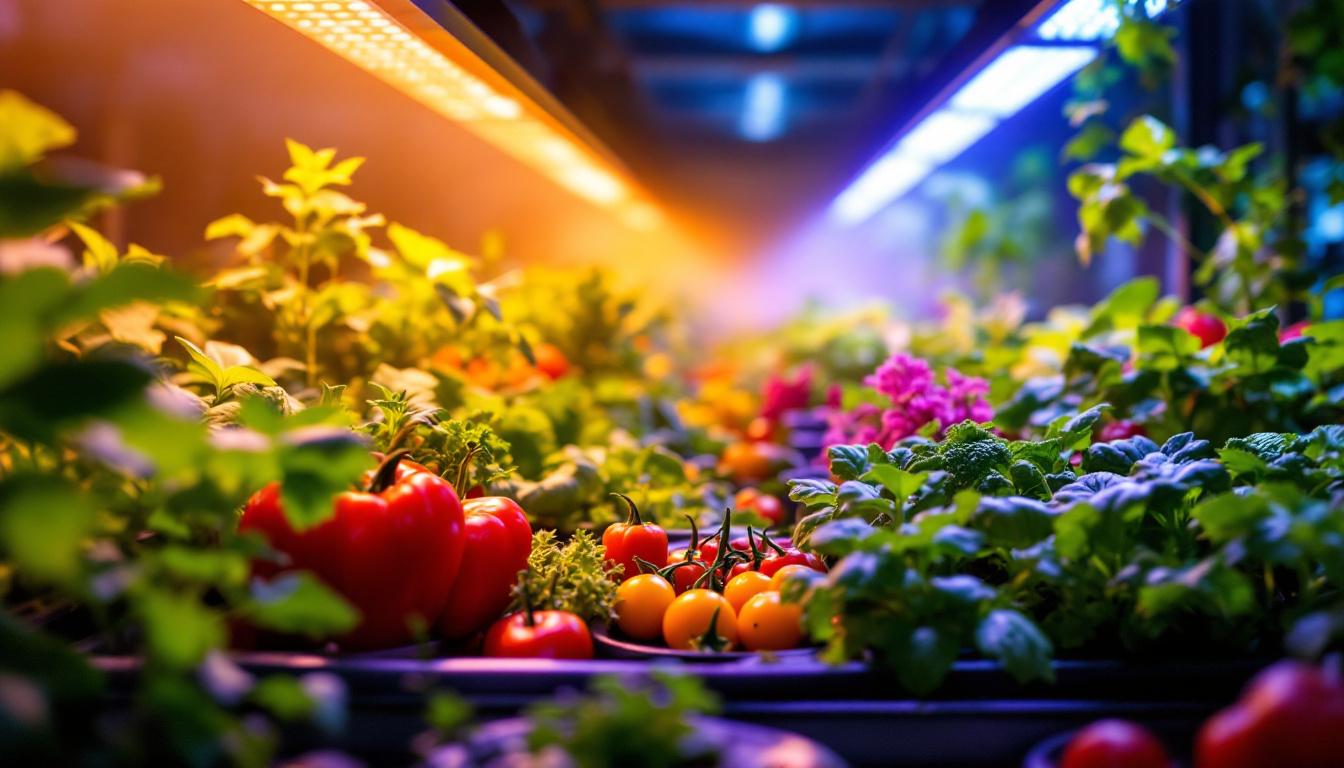
As urbanization continues to reshape the way food is produced and consumed, indoor gardening and controlled environment agriculture have emerged as vital solutions to meet growing demands. For lighting contractors, this shift presents a unique opportunity to expand expertise beyond traditional lighting applications and delve into the rapidly evolving world of horticultural lighting. Grow lights, specifically designed to optimize plant growth, have become indispensable tools for cultivating vegetables indoors, enabling year-round production regardless of external climate conditions.
Understanding the nuances of grow lights is essential for lighting contractors aiming to provide cutting-edge solutions to commercial growers, urban farmers, and even home gardeners. This article explores why grow lights are a game-changer for lighting contractors, detailing the types of grow lights, their benefits, and how contractors can leverage this technology to enhance their service offerings.
The evolution of grow lights has been driven by advances in technology, leading to the development of highly efficient LED systems that consume less energy while providing the optimal light spectrum for photosynthesis. Unlike traditional fluorescent or incandescent bulbs, which can generate excessive heat and require frequent replacements, modern LED grow lights are designed for longevity and minimal heat output. This not only reduces energy costs but also creates a more stable growing environment, allowing plants to thrive without the stress of fluctuating temperatures. Additionally, the ability to customize light spectra means that growers can tailor their lighting to specific plant species or growth stages, maximizing yield and quality.
Moreover, the integration of smart technology into grow lights has opened up new possibilities for automation and remote monitoring. Many contemporary systems come equipped with sensors and programmable features that allow growers to adjust light intensity and duration based on real-time data about plant health and environmental conditions. This level of precision not only enhances productivity but also empowers growers to experiment with different light recipes, leading to innovative cultivation techniques. As lighting contractors embrace these advancements, they can position themselves as valuable partners in the agricultural sector, providing insights and solutions that drive sustainable practices and improve food security in urban settings.
Understanding Grow Lights: What Makes Them Different?
The Science Behind Grow Lights
Grow lights are specialized lighting systems designed to emit light spectra that support photosynthesis, the process by which plants convert light into energy. Unlike conventional lighting, which primarily focuses on human visual comfort, grow lights target specific wavelengths in the blue (400-500 nm) and red (600-700 nm) spectrum, which are most effective for plant growth and development.
Lighting contractors must recognize that the effectiveness of grow lights depends not only on intensity but also on spectral quality, duration, and distribution. These factors influence plant morphology, flowering, and yield, making it critical to tailor lighting solutions to the specific needs of vegetable crops.
Types of Grow Lights Commonly Used for Vegetables
Several types of grow lights are prevalent in the market, each with distinct advantages and considerations:
- LED Grow Lights: Known for energy efficiency, long lifespan, and customizable spectra, LEDs have become the preferred choice for many commercial growers. Their low heat output reduces the risk of plant damage and allows closer placement to crops, optimizing light delivery.
- Fluorescent Lights: Compact fluorescent lamps (CFLs) and T5 fluorescent tubes are cost-effective options suitable for small-scale or hobbyist growers. They emit moderate light intensity and are often used for seedlings and leafy greens.
- High-Intensity Discharge (HID) Lights: Including metal halide (MH) and high-pressure sodium (HPS) lamps, HID lights deliver high light intensity and have been widely used in commercial horticulture. However, they consume more energy and produce significant heat compared to LEDs.
Lighting contractors should evaluate the specific requirements of the growing environment, crop type, and client budget when recommending grow light systems.
Why Grow Lights Are a Game-Changer for Lighting Contractors
Expanding Market Opportunities
The global market for controlled environment agriculture is expanding rapidly, driven by consumer demand for fresh, locally grown vegetables and the need for sustainable food production. This growth translates into increasing demand for specialized lighting solutions tailored to indoor farming.
Lighting contractors who develop expertise in grow light installation and maintenance can tap into new revenue streams by serving vertical farms, greenhouses, hydroponic operations, and urban gardening projects. This diversification not only enhances business resilience but also positions contractors as leaders in an innovative sector.
Technical Expertise and Value Addition
Grow light systems require precise design and integration to maximize plant growth outcomes. Lighting contractors bring valuable skills in electrical installation, system design, and lighting optimization, which are critical to successful grow light deployment.
By mastering horticultural lighting principles, contractors can provide clients with tailored solutions that improve crop yield and energy efficiency. This expertise fosters long-term client relationships and differentiates contractors from competitors who offer only standard lighting services.
Energy Efficiency and Sustainability Benefits
Energy consumption is a significant operational cost for indoor growers. LED grow lights, in particular, offer substantial energy savings compared to traditional lighting technologies. Lighting contractors who recommend and install energy-efficient grow lights contribute to reducing clients’ carbon footprints and operational expenses.
Furthermore, sustainable lighting solutions align with broader environmental goals and regulatory trends, enhancing contractors’ reputations as responsible and forward-thinking professionals.
Key Considerations for Lighting Contractors When Installing Grow Lights
Assessing the Growing Environment
Before selecting and installing grow lights, contractors must thoroughly assess the growing environment. Factors such as available space, ceiling height, ambient temperature, humidity, and existing infrastructure influence the choice and configuration of lighting systems.
For example, vertical farms with multiple stacked layers require compact, high-efficiency lights with uniform light distribution. Greenhouses may benefit from supplemental lighting that complements natural sunlight. Understanding these nuances ensures optimal lighting performance and client satisfaction.
Customizing Light Spectra and Intensity
Different vegetable crops have varying light requirements. Leafy greens like lettuce thrive under higher blue light ratios, which promote compact growth, while fruiting vegetables such as tomatoes benefit from increased red light to stimulate flowering and fruit development.
Lighting contractors should collaborate with growers to customize light spectra and intensity, leveraging programmable LED systems that allow dynamic adjustments throughout the growth cycle. This level of customization enhances crop quality and yield.
Integration with Automation and Control Systems
Modern grow light systems often incorporate automation features such as timers, dimmers, and sensors that adjust light output based on plant needs and environmental conditions. Lighting contractors skilled in integrating these controls can deliver sophisticated solutions that optimize energy use and crop performance.
Remote monitoring and control capabilities also enable growers to manage lighting systems efficiently, reducing labor costs and minimizing human error.
Challenges and Solutions in Grow Light Installation
Managing Heat and Ventilation
Although LEDs generate less heat than traditional lamps, heat management remains crucial, especially in densely packed growing environments. Excessive heat can stress plants and reduce yields.
Lighting contractors must design systems with adequate ventilation and cooling mechanisms, such as fans or heat sinks, to maintain optimal temperature ranges. Collaborating with HVAC professionals can ensure holistic environmental control.
Ensuring Electrical Safety and Compliance
Grow light installations often involve high power loads and complex wiring configurations. Contractors must adhere to electrical codes and safety standards to prevent hazards such as short circuits, overloads, and fire risks.
Proper grounding, surge protection, and waterproofing are essential, particularly in humid or wet environments common in indoor agriculture. Regular maintenance and inspections further safeguard system reliability and safety.
Educating Clients on System Operation and Maintenance
Successful grow light deployment extends beyond installation. Lighting contractors should provide comprehensive training and support to clients on system operation, maintenance, and troubleshooting.
Clear guidance on cleaning fixtures, replacing components, and adjusting light settings empowers growers to maximize the lifespan and effectiveness of their lighting systems, fostering customer satisfaction and repeat business.
Future Trends and Opportunities in Horticultural Lighting
Advancements in LED Technology
Continuous innovation in LED technology is driving improvements in light quality, efficiency, and affordability. Emerging developments include tunable full-spectrum LEDs that mimic natural sunlight and smart lighting systems integrated with artificial intelligence for real-time optimization.
Lighting contractors who stay abreast of these advancements can offer state-of-the-art solutions that enhance crop productivity and reduce operational costs.
Integration with Vertical Farming and Urban Agriculture
Vertical farming and urban agriculture are gaining momentum as sustainable food production models. These systems rely heavily on precise lighting strategies to maximize space and resource use.
Lighting contractors have the opportunity to collaborate with architects, agricultural engineers, and urban planners to design integrated lighting solutions that support these innovative farming methods.
Expanding into Residential and Hobbyist Markets
Beyond commercial applications, grow lights are increasingly popular among home gardeners and hobbyists seeking to grow fresh vegetables indoors. This expanding market offers lighting contractors additional avenues for growth through retail sales, consultation, and installation services.
Offering user-friendly, affordable grow light packages tailored to residential settings can help contractors capture this emerging segment.
Conclusion: Embracing Grow Lights as a Strategic Growth Area
For lighting contractors, grow lights represent more than just another lighting product—they embody a transformative opportunity to engage with the future of agriculture and sustainable food production. By developing expertise in horticultural lighting, contractors can diversify their portfolios, increase revenue streams, and deliver high-value solutions that meet the evolving needs of growers.
Success in this arena requires a deep understanding of plant science, lighting technology, and environmental control, combined with a commitment to quality, safety, and client education. As the demand for fresh, locally grown vegetables continues to rise, lighting contractors who embrace grow lights will position themselves at the forefront of a dynamic and rewarding industry.
Illuminate Your Projects with LumenWholesale
Ready to harness the potential of grow lights and revolutionize your lighting projects? At LumenWholesale, we provide lighting contractors like you with the highest quality, spec-grade grow lights at unbeatable wholesale prices. Our commitment to cutting out the middleman means you get the best value without unnecessary markups. With our extensive selection that meets rigorous industry standards, you can confidently equip your agricultural projects with reliable, high-performance lighting. Plus, enjoy the convenience of free shipping on bulk orders, ensuring you get premium lighting solutions at the best price, hassle-free. Elevate your service offerings and step into the future of sustainable agriculture with LumenWholesale. Wholesale Lighting at the Best Value.