Why Backyard Motion Sensor Lights Are a Must-Have for Modern Installations
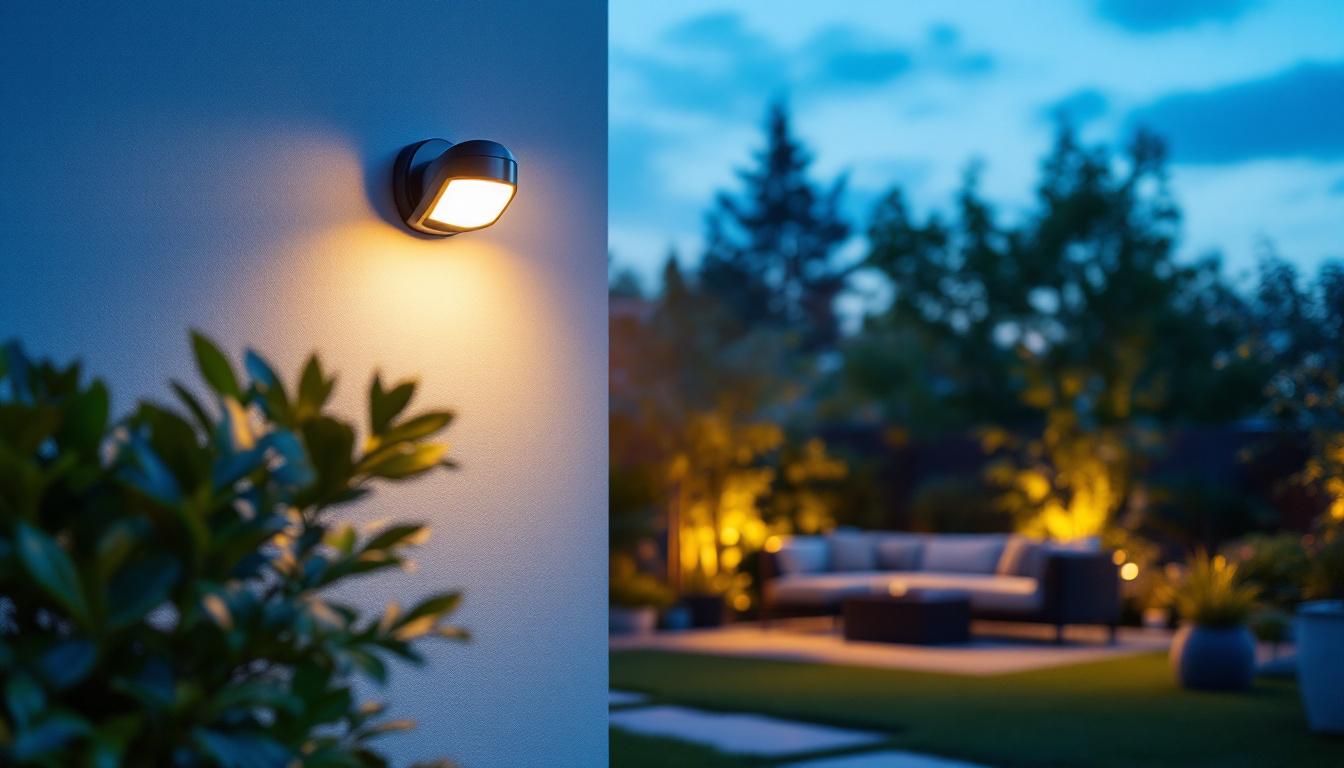
Backyard motion sensor lights have become a staple in residential lighting projects, and for good reason. Homeowners increasingly demand solutions that combine security, convenience, and energy efficiency. For lighting contractors, understanding the nuances of these systems goes beyond just wiring a sensor to a light fixture.
Security is a primary driver. Motion sensor lights deter intruders by illuminating dark areas the moment movement is detected. This instant response can prevent break-ins and vandalism, giving homeowners peace of mind. But the benefits don’t stop there. These lights also enhance safety by lighting pathways, decks, and other outdoor spaces when someone approaches, reducing the risk of trips and falls. Additionally, many modern motion sensor lights come equipped with adjustable sensitivity settings, allowing homeowners to customize how responsive the lights are to movement. This feature can be particularly useful in areas with high foot traffic, such as near a garage or garden, where pets or wildlife might trigger the lights unnecessarily.
From an energy perspective, motion sensor lights only activate when needed, cutting down on wasted electricity. This is a significant selling point for environmentally conscious clients and those looking to reduce utility bills. For contractors, recommending and installing these systems can position them as knowledgeable professionals who prioritize both function and efficiency. Furthermore, the integration of smart technology into these lighting systems has taken energy savings to the next level. Many motion sensor lights can now be connected to home automation systems, allowing homeowners to control their outdoor lighting remotely or set schedules that align with their lifestyle. This not only enhances convenience but also ensures that lights are only on when truly necessary, further contributing to energy conservation.
Key Features Lighting Contractors Should Evaluate
Sensor Types and Detection Range
Not all motion sensors are created equal. Passive infrared (PIR) sensors are the most common in backyard lighting. They detect heat signatures, which makes them effective at sensing people and animals. However, their range and sensitivity can vary significantly between models. For instance, some PIR sensors can detect motion up to 30 feet away, while others may only function effectively within a 15-foot radius. This variance can be crucial for larger backyards where coverage is a priority.
Ultrasonic sensors detect motion by emitting sound waves and measuring reflections. While less common for outdoor lighting, they can be useful in certain environments but may trigger false alarms from wind or moving foliage. Their ability to detect motion in a 360-degree radius makes them ideal for areas with multiple pathways or obstructions. However, contractors should be cautious in selecting these sensors for outdoor use, as environmental factors can significantly impact their reliability.
Dual-technology sensors combine PIR and ultrasonic detection to reduce false triggers, making them ideal for complex outdoor settings. Lighting contractors should assess the typical backyard environment to select the most appropriate sensor type. For example, in a garden with dense shrubbery, a dual-technology sensor may provide the best balance of sensitivity and accuracy, ensuring that the lights activate only when necessary while avoiding frequent disruptions from wildlife.
Adjustable Settings for Customization
Clients appreciate the ability to tailor motion sensor lights to their specific needs. Adjustable sensitivity controls allow the light to ignore small animals or distant movements, reducing unnecessary activations. Time delay settings control how long the light stays on after motion is detected, which can range from a few seconds to several minutes. This flexibility is particularly beneficial in residential settings where homeowners may want different settings for areas like driveways, pathways, and patios.
Some advanced models include ambient light sensors that prevent the light from turning on during daylight hours. This feature not only saves energy but also extends the lifespan of the bulb or LED. Additionally, some systems allow homeowners to program their lights to operate on a schedule, providing enhanced security during the night while ensuring that the lights are off during the day, further optimizing energy use. Lighting contractors should familiarize themselves with these settings to optimize installations and provide clear guidance to homeowners on how to adjust their systems post-installation.
Light Source Options and Efficiency
LED technology dominates the backyard motion sensor light market. LEDs offer superior energy efficiency, longer lifespan, and brighter illumination compared to traditional incandescent or halogen bulbs. For contractors, recommending LED fixtures aligns with industry trends and client expectations. Moreover, the lower heat output of LEDs makes them safer for outdoor use, particularly in areas where they may be exposed to flammable materials like dry leaves or wood.
Color temperature is another consideration. Warmer tones (2700K to 3000K) create a welcoming atmosphere, while cooler temperatures (4000K to 5000K) provide crisp, bright light that enhances security. Offering clients options can help tailor the lighting to the overall aesthetic of the property. Furthermore, some modern LED fixtures come with tunable white technology, allowing users to adjust the color temperature according to their mood or activity, making the lighting not just functional but also adaptable to various occasions. This versatility can significantly enhance the outdoor experience, whether for entertaining guests or simply enjoying a quiet evening under the stars.
Installation Best Practices for Optimal Performance
Strategic Placement of Sensors and Fixtures
Proper placement is critical to ensure reliable detection and effective illumination. Motion sensors should be installed where they have a clear, unobstructed view of the area to be monitored. Avoid pointing sensors directly at heat sources such as air conditioners or vents, as this can cause false triggers.
Height is also important. Sensors mounted too low may detect small animals, while those placed too high might miss movement close to the ground. Typically, a height of 6 to 10 feet is recommended for backyard applications.
Lighting fixtures should be positioned to maximize coverage of pathways, entrances, and other high-traffic areas. Contractors should consider the beam angle of the fixture to avoid dark spots or excessive glare.
Wiring and Power Considerations
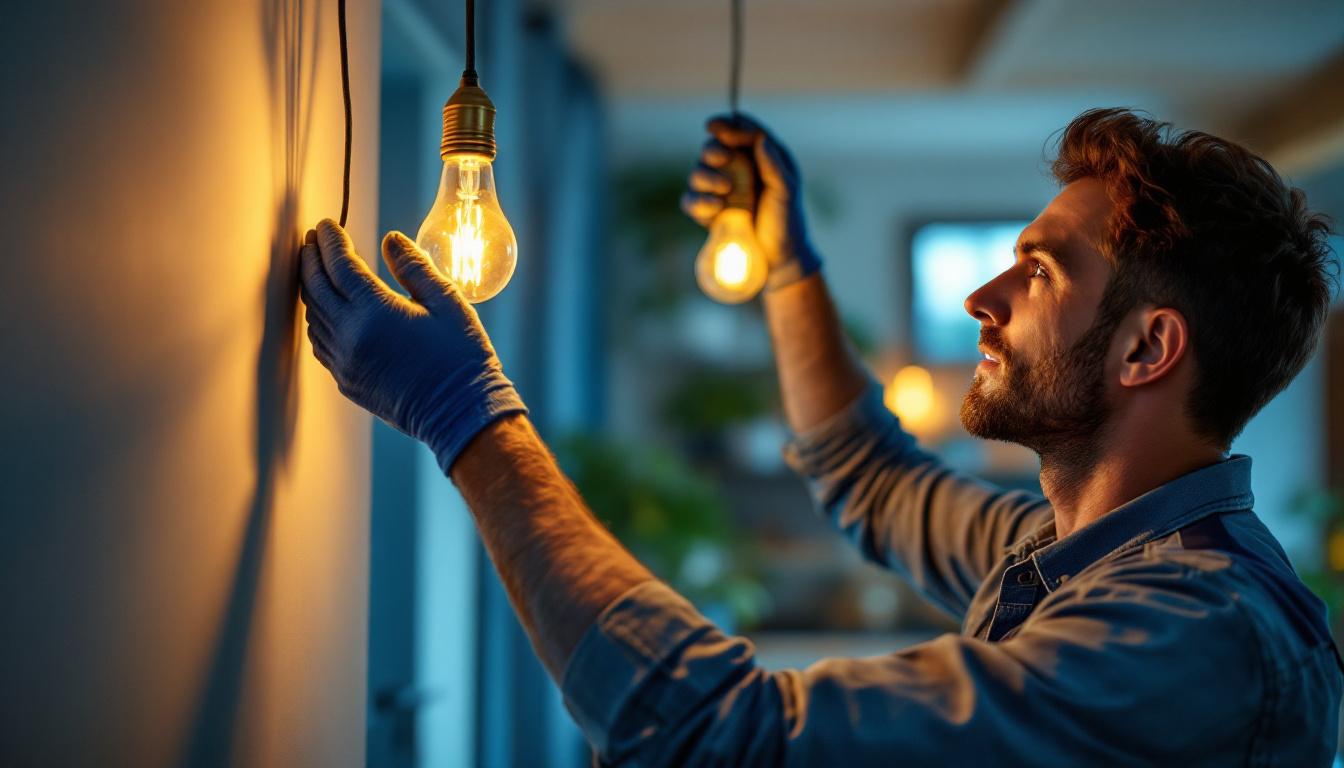
Backyard motion sensor lights can be powered by hardwired connections or solar panels. Hardwired systems offer consistent performance and are preferred in areas with reliable electrical infrastructure. Contractors must ensure compliance with local electrical codes, using weatherproof junction boxes and proper grounding techniques.
Solar-powered lights provide an eco-friendly alternative and simplify installation by eliminating the need for wiring. However, their performance depends heavily on sunlight exposure and battery capacity. Lighting contractors should evaluate site conditions carefully before recommending solar options.
In either case, integrating motion sensor lights with existing outdoor lighting systems or smart home setups can enhance functionality. This requires familiarity with compatible control modules and communication protocols.
Common Challenges and How to Overcome Them
Minimizing False Alarms
False activations are a frequent complaint from homeowners. Causes include moving tree branches, passing vehicles, or small animals. To mitigate this, contractors should select sensors with adjustable sensitivity and dual-technology detection where appropriate.
Proper sensor orientation and placement away from busy streets or landscaping that moves in the wind can also reduce false triggers. Educating clients on these factors helps manage expectations and improves satisfaction.
Ensuring Durability in Outdoor Conditions
Backyard lighting fixtures face exposure to rain, wind, dust, and temperature extremes. Selecting products with appropriate Ingress Protection (IP) ratings is essential. An IP rating of at least IP44 is recommended for outdoor use, indicating protection against solid objects larger than 1mm and water splashes from any direction.
Contractors should also consider corrosion-resistant materials, especially in coastal or humid environments. Regular maintenance advice, such as cleaning sensors and checking for damage, can prolong system life and performance.
Balancing Security and Aesthetics
While security is paramount, many homeowners want their backyard lighting to complement the overall design of their outdoor space. Lighting contractors can offer fixtures with sleek, modern designs or traditional styles to match the property’s character.
Using motion sensor lights in combination with ambient or accent lighting creates layered illumination that enhances both safety and ambiance. This approach requires careful planning and coordination but can significantly elevate the quality of the installation.
Emerging Trends Lighting Contractors Should Watch
Smart Motion Sensor Lights and Integration
Smart home technology is rapidly influencing outdoor lighting. Motion sensor lights that connect to Wi-Fi or Zigbee networks allow homeowners to control settings remotely via smartphone apps. They can receive alerts when motion is detected or integrate with security cameras for enhanced monitoring.
For lighting contractors, this means expanding expertise in networked lighting systems and offering value-added services such as system programming and troubleshooting. Staying current with these technologies positions contractors as forward-thinking professionals.
Energy Harvesting and Sustainable Solutions
Beyond solar power, new energy harvesting technologies are emerging, including kinetic and thermal energy capture. While still in early stages, these innovations hint at a future where backyard motion sensor lights could operate with minimal external power sources.
Contractors who keep abreast of sustainable lighting solutions can advise clients on options that reduce environmental impact and operational costs. This knowledge can differentiate a contractor in a competitive market.
Advanced Sensor Technologies
Advancements in sensor technology, such as AI-powered motion detection and multi-sensor arrays, promise to improve accuracy and reduce false alarms. These systems can distinguish between humans, pets, and other moving objects, tailoring responses accordingly.
Lighting contractors should monitor these developments to evaluate when such technologies become practical for residential installations. Early adoption can provide a competitive edge and enhance client satisfaction.
Final Thoughts for Lighting Contractors
Backyard motion sensor lights are more than just a security feature; they represent a convergence of technology, design, and energy efficiency. For lighting contractors, mastering the intricacies of these systems is essential to delivering high-quality installations that meet client expectations.
Understanding sensor types, installation best practices, and emerging trends empowers contractors to provide informed recommendations and troubleshoot common issues effectively. By doing so, they not only enhance the safety and comfort of outdoor spaces but also build lasting trust with homeowners.
Investing time in continuous learning about motion sensor lighting technologies and their applications will pay dividends in project success and professional reputation. The backyard motion sensor light is a small component with a big impact-knowing it inside and out is a must for any lighting contractor.
Illuminate Your Projects with LumenWholesale
Ready to elevate your lighting installations with the latest in backyard motion sensor technology? At LumenWholesale, we provide lighting contractors with the highest quality, spec-grade lighting solutions at prices that can’t be beaten. Say goodbye to local distributor markups and hello to a vast selection of reliable, high-performance lighting that meets rigorous industry standards. Plus, with free shipping on bulk orders, you can stock up on premium lighting without worrying about hidden fees. Don’t compromise on quality or value—choose LumenWholesale for the perfect blend of affordability and convenience. Discover our unbeatable wholesale lighting deals at the best value by visiting LumenWholesale today.