Understanding the Fundamentals of Hang Lighting
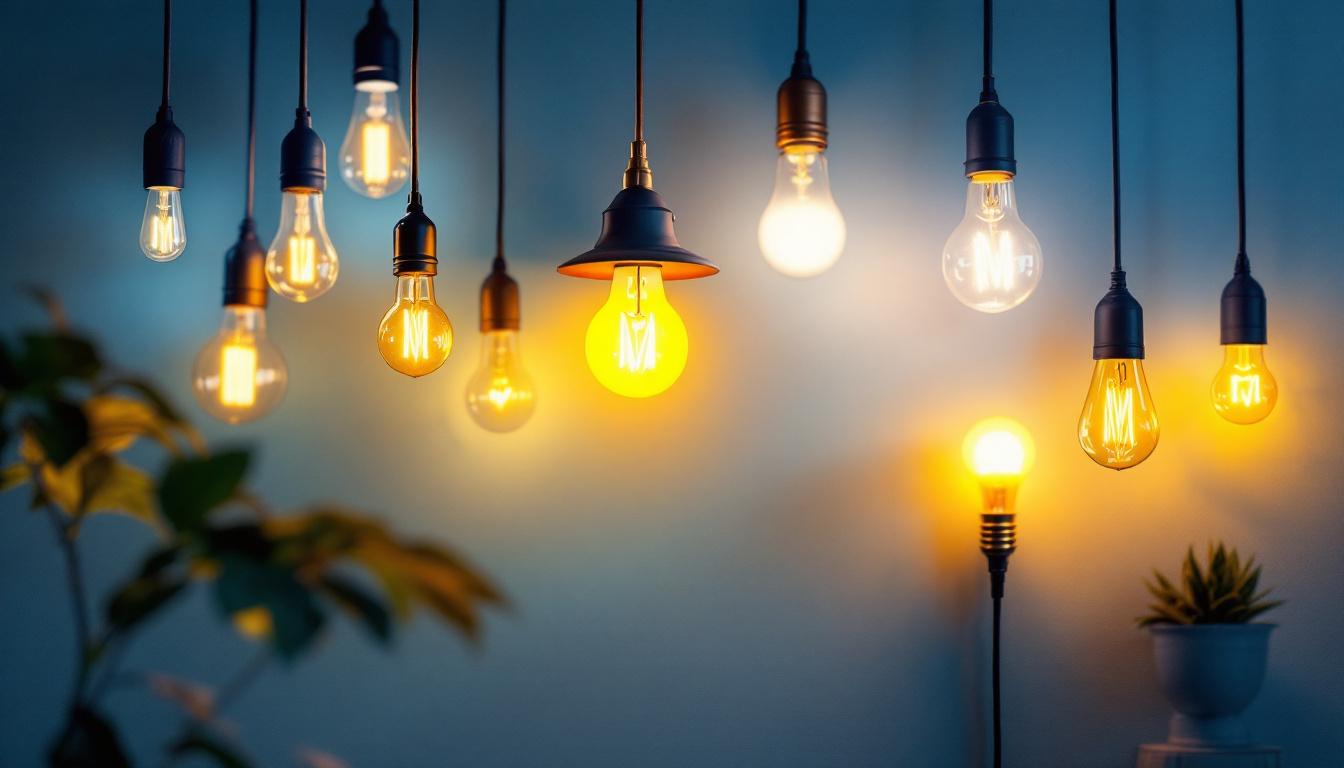
For lighting contractors, mastering the art of hang lighting is essential to delivering both functional and aesthetically pleasing results. Hang lighting refers to the installation of fixtures suspended from ceilings, including chandeliers, pendant lights, and track lighting systems. These fixtures not only illuminate spaces but also contribute significantly to interior design and ambiance.
Before embarking on any installation, it’s crucial to understand the different types of hang lighting and their specific requirements. Chandeliers, for example, often require robust support systems due to their weight, while pendant lights might need precise height adjustments to optimize lighting effects. Recognizing these nuances helps contractors plan installations that are both safe and visually striking.
Moreover, familiarity with the electrical aspects, including wiring standards and load capacities, ensures compliance with safety codes and prevents future issues. Proper planning at this stage can save time and resources, reducing the risk of costly rework or hazards. Additionally, understanding the importance of energy efficiency and the latest lighting technologies can further enhance the contractor’s offerings. For instance, integrating LED options not only reduces energy consumption but also extends the lifespan of the fixtures, making them a more sustainable choice for clients.
Types of Hang Lighting Fixtures
Lighting contractors encounter a variety of hang lighting fixtures, each with unique characteristics:
- Chandeliers: Often elaborate and heavy, requiring secure mounting points and sometimes additional ceiling reinforcement.
- Pendant Lights: Versatile fixtures that vary in size and style, commonly used over kitchen islands, dining areas, or workspaces.
- Track Lighting: Flexible systems that allow adjustable light heads along a track, ideal for highlighting artwork or specific areas.
- Semi-Flush Mounts: Fixtures that hang slightly below the ceiling, offering a blend between flush mounts and pendants.
Understanding these types helps contractors recommend the best options to clients based on room size, ceiling height, and desired lighting effects. Furthermore, the choice of materials and finishes can greatly impact the overall aesthetic. For instance, a modern kitchen may benefit from sleek metal pendant lights, while a rustic dining room could be complemented by a wooden chandelier. The interplay of light and shadow created by different fixtures can also enhance the mood of a space, making it essential for contractors to consider not just the functionality but also the emotional response elicited by their lighting choices.
Preparation and Planning: The Cornerstones of Successful Installation
Effective preparation is the foundation of any successful hang lighting project. Lighting contractors must assess the installation environment thoroughly before beginning work.
Site Assessment and Measurements
Accurate measurements are vital. Contractors should measure ceiling height, room dimensions, and the distance between electrical boxes. This data ensures that fixtures hang at the appropriate height, balancing illumination and aesthetics. For example, pendant lights over a kitchen island typically hang 30 to 36 inches above the surface, while chandeliers in dining rooms should be centered over the table at a height that allows unobstructed views.
Additionally, assessing ceiling material and structure is necessary to determine if reinforcements are needed. Drywall alone may not support heavy fixtures, requiring the installation of additional bracing or mounting hardware. Understanding the layout of the space, including any architectural features such as beams or ductwork, can also influence fixture placement and design. For instance, a well-placed fixture can highlight a beautiful architectural element, while poor placement may detract from the overall aesthetic.
Electrical Considerations and Code Compliance
Lighting contractors must verify that existing electrical wiring can handle the load of new fixtures. This includes checking circuit capacity, wire gauge, and the presence of proper grounding. Adhering to local electrical codes is non-negotiable, as it ensures safety and legal compliance. Furthermore, contractors should consider the energy efficiency of the fixtures being installed. With the rise of LED technology, selecting energy-efficient options not only reduces electricity costs but also minimizes heat output, which is particularly important in enclosed spaces.
Many jurisdictions require permits for electrical work, especially when installing significant fixtures like chandeliers. Contractors should stay informed about local regulations and secure necessary approvals before commencing installation. It’s also wise to keep abreast of any changes in building codes, as these can affect installation practices and requirements. Regularly attending workshops or training sessions can help contractors remain compliant and knowledgeable about the latest industry standards.
Client Consultation and Design Integration
Engaging with clients to understand their vision and functional needs is crucial. Contractors should discuss fixture styles, lighting levels, and control options such as dimmers or smart lighting systems. This collaborative approach ensures that the final installation aligns with client expectations and enhances the overall design of the space. During these consultations, it can be beneficial to present clients with visual aids or mood boards to help them visualize how different lighting styles and placements will affect their environment.
Moreover, understanding the intended use of each space can guide the selection of appropriate fixtures. For example, a cozy reading nook may benefit from warm, soft lighting, while a home office requires brighter, more focused illumination. By tailoring the lighting design to the specific activities that will take place in each area, contractors can create a harmonious and functional atmosphere that not only meets the client’s needs but also elevates the overall ambiance of the home or commercial space.
Step-by-Step Installation Best Practices
Executing hang lighting installations with precision requires adherence to best practices that prioritize safety, efficiency, and quality.
Secure Mounting and Support
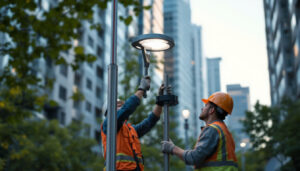
Begin by turning off power at the breaker panel to eliminate electrical hazards. Next, install or verify the mounting bracket or box is securely fastened to a ceiling joist or a suitable support structure. For heavy fixtures, use a fan brace or a specially designed support system rated for the fixture’s weight.
Ensuring the mounting hardware is level and stable prevents fixture wobbling or sagging, which can compromise both safety and appearance.
Wiring and Electrical Connections
Connect the fixture wiring to the house wiring using wire nuts or approved connectors, matching wire colors (typically black to black, white to white, and green or bare copper to ground). Contractors should carefully follow manufacturer instructions and verify connections are tight and secure.
Using a voltage tester before and after connections ensures that power is safely managed. Additionally, neatly organizing wires within the electrical box facilitates future maintenance and reduces the risk of shorts or damage.
Fixture Assembly and Adjustment
Assemble the fixture according to the manufacturer’s guidelines. Adjust the hanging length as needed to achieve the desired height. For pendants and chandeliers, this may involve shortening or lengthening chains, rods, or cables.
Once installed, test the fixture by restoring power and verifying operation. Check for flickering, uneven illumination, or any signs of electrical issues.
Advanced Techniques and Innovations in Hang Lighting
Lighting contractors who stay abreast of industry advancements can offer clients enhanced functionality and design options.
Incorporating Smart Lighting Controls
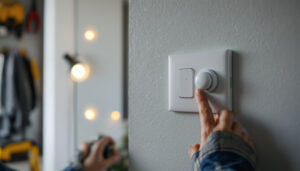
Smart lighting systems allow users to control fixtures remotely, adjust brightness, and set schedules. Integrating these technologies requires understanding compatible fixtures and control devices, such as smart switches or hubs.
Contractors should advise clients on the benefits of smart lighting, including energy savings, convenience, and customization, while ensuring installations maintain code compliance.
Energy Efficiency and Sustainable Practices
LED technology dominates the lighting industry due to its longevity and low energy consumption. Lighting contractors should recommend LED-compatible fixtures and bulbs to clients seeking sustainable solutions.
Additionally, using dimmers and occupancy sensors can further reduce energy usage. Contractors can also advise on fixture placement to maximize natural light, decreasing reliance on artificial lighting.
Custom Fabrication and Unique Installations
Some projects require bespoke lighting solutions. Contractors with skills in custom fabrication or partnerships with artisans can create unique hang lighting fixtures tailored to client specifications.
These custom installations often involve complex mounting and wiring challenges, underscoring the importance of meticulous planning and execution.
Common Challenges and How to Overcome Them
Lighting contractors frequently encounter obstacles during hang lighting installations. Recognizing and addressing these challenges ensures successful outcomes.
Dealing with Uneven Ceilings
Uneven or sloped ceilings can complicate fixture alignment. Using adjustable mounting brackets or swivel adapters allows fixtures to hang straight despite ceiling irregularities.
Careful measurement and leveling tools are essential to achieve a professional finish.
Handling Heavy or Oversized Fixtures
Heavy fixtures demand reinforced support and sometimes multiple installers for safe handling. Contractors should never compromise on mounting hardware quality or installation protocols to avoid accidents.
Pre-installation mock-ups or temporary supports can aid in positioning and securing large fixtures.
Addressing Limited Access and Tight Spaces
In some settings, access to ceiling boxes is restricted. Contractors may need specialized tools or techniques, such as flexible wiring or modular fixture components, to complete installations efficiently.
Planning for these constraints during the initial assessment phase helps prevent delays and damage.
Maintenance and Client Education
Proper maintenance extends the lifespan of hang lighting fixtures and maintains their appearance and performance.
Routine Inspection and Cleaning
Contractors should advise clients to regularly inspect fixtures for loose connections, dust accumulation, and bulb condition. Cleaning with appropriate materials prevents damage to finishes and ensures optimal light output.
Providing Clear Usage Instructions
Educating clients on operating dimmers, smart controls, and bulb replacement promotes safe and effective use. Clear documentation or demonstration during project completion enhances client satisfaction.
Offering Maintenance Services
Many lighting contractors expand their service offerings by providing scheduled maintenance visits. This proactive approach can identify potential issues early, reducing repair costs and enhancing client relationships.
Conclusion
Mastering hang lighting installation is a multifaceted endeavor that combines technical expertise, design sensibility, and adherence to safety standards. For lighting contractors, excelling in this area not only elevates project quality but also builds client trust and professional reputation.
By understanding fixture types, conducting thorough preparation, applying best installation practices, embracing technological advancements, and addressing common challenges, contractors can deliver exceptional lighting solutions that transform spaces.
Continuous learning and client communication remain key to staying competitive and successful in the dynamic field of lighting installation.
Illuminate Your Projects with LumenWholesale
Ready to take your lighting installations to the next level? At LumenWholesale, we provide lighting contractors with the highest quality, spec-grade lighting products at prices that can’t be beaten. Say goodbye to local distributor markups and hello to a vast selection of reliable, high-performance lighting that meets the most rigorous industry standards. With the convenience of free shipping on bulk orders, you can equip your projects with premium lighting solutions at the best value. Elevate your hang lighting mastery with the unbeatable combination of quality, affordability, and convenience at LumenWholesale. Wholesale Lighting at the Best Value.