Understanding the Advantages of LED 2×2 Flat Panels
LED 2×2 flat panels have become a staple in commercial and institutional lighting projects. Their sleek design and efficient performance make them a preferred choice for offices, schools, hospitals, and retail spaces. Unlike traditional fluorescent fixtures, these panels offer uniform light distribution without the flicker or hum often associated with older technologies.
One key advantage is energy efficiency. LED flat panels consume significantly less power compared to fluorescent troffers, often reducing energy usage by up to 50%. This not only lowers operational costs but also contributes to sustainability goals, which many clients now prioritize. In addition to energy savings, the reduced heat output of LED panels helps maintain comfortable indoor temperatures, further decreasing the load on HVAC systems and enhancing overall energy efficiency.
Additionally, LED panels have a longer lifespan, typically lasting 50,000 hours or more. This reduces maintenance frequency and costs, a critical factor in large-scale installations where fixture replacement can be disruptive and expensive. The durability of LED technology also means that these lights are less prone to breakage, making them an ideal choice for high-traffic areas where traditional bulbs might fail more frequently.
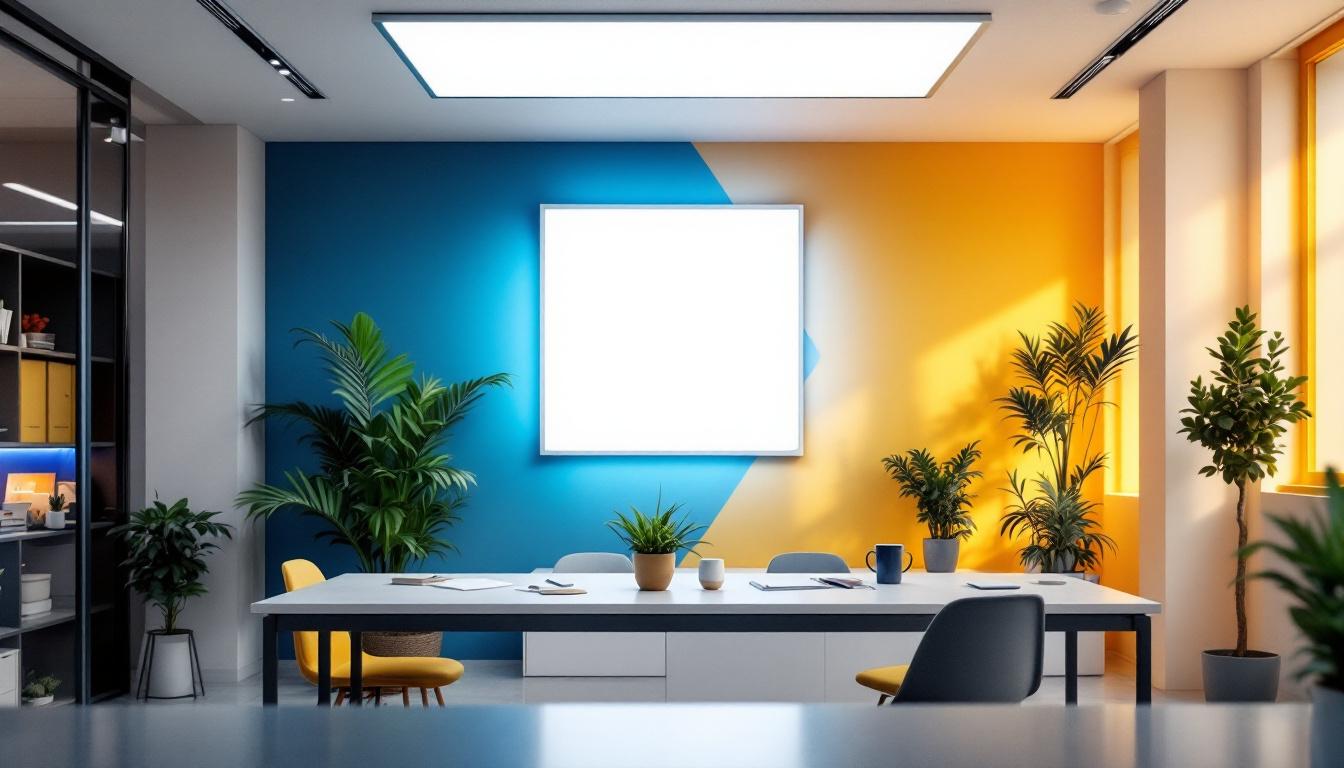
Moreover, the versatility of LED 2×2 flat panels allows for various color temperatures and dimming options, enabling users to create the perfect ambiance for any setting. For instance, warmer light tones can be used in healthcare environments to create a calming atmosphere, while cooler tones can enhance focus and productivity in office spaces. This adaptability not only improves the aesthetic appeal of a space but also supports the well-being and comfort of occupants, making LED panels a holistic lighting solution.
Furthermore, many LED flat panels are now equipped with smart technology, allowing for integration with building management systems. This means that lighting can be controlled remotely, scheduled, or adjusted based on occupancy, further optimizing energy use and enhancing convenience. With the rise of smart buildings, the ability to monitor and manage lighting through mobile apps or centralized systems is becoming increasingly valuable, positioning LED flat panels as a forward-thinking choice for modern lighting design.
Key Specifications to Evaluate When Selecting LED 2×2 Flat Panels
Luminous Efficacy and Brightness
Brightness is measured in lumens, and luminous efficacy is the ratio of lumens produced per watt consumed. For contractors, selecting a panel with high luminous efficacy means delivering bright, quality light while keeping energy consumption low. Look for panels offering at least 100 lumens per watt to ensure efficient performance.
Consider the application’s lighting requirements. For instance, office environments typically require around 500 lux, while classrooms may need slightly higher levels. Understanding these standards helps in choosing the right lumen output for the panel. Additionally, it’s essential to account for the layout of the space; open areas may require more lumens to achieve uniform lighting, while smaller, enclosed spaces might benefit from fewer, strategically placed panels. This nuanced approach ensures that every corner of the room is adequately illuminated, enhancing both functionality and comfort.
Color Temperature and Color Rendering Index (CRI)
Color temperature, measured in Kelvins (K), affects the ambiance of a space. LED 2×2 panels usually come in a range from 3000K (warm white) to 5000K (daylight). Warmer temperatures create a cozy atmosphere, ideal for hospitality settings, while cooler temperatures are preferred in workspaces for alertness and clarity.
CRI indicates how accurately colors appear under the light source. A CRI of 80 or above is generally acceptable, but for environments like retail or healthcare, a CRI of 90+ ensures colors look natural and vibrant. Lighting contractors should match CRI values to client needs to enhance visual comfort and aesthetics. Furthermore, it’s worth noting that the choice of color temperature can significantly influence mood and productivity. For example, studies have shown that cooler lights can increase concentration and reduce fatigue, making them ideal for environments where focus is paramount, such as libraries or study rooms.
Dimensional Accuracy and Installation Compatibility
LED 2×2 flat panels are designed to fit standard ceiling grids, but dimensions can vary slightly between manufacturers. Precise measurements are critical to avoid installation issues. Panels that are too large or small can cause gaps or require additional framing, increasing labor time and costs.
Check the panel’s thickness and mounting options—recessed, surface-mounted, or suspended—to ensure compatibility with the existing infrastructure. Some panels offer tool-free installation features, which can speed up the process on-site. Additionally, consider the weight of the panels; lighter options can simplify installation and reduce strain on ceiling structures. It’s also beneficial to explore panels with integrated features such as emergency lighting or smart technology capabilities, which can add value and functionality to the installation, making them more appealing to clients looking for modern solutions.
Electrical and Control Features That Matter
Driver Quality and Reliability
The LED driver regulates power to the panel and significantly impacts performance and lifespan. High-quality drivers provide consistent current, reducing flicker and preventing premature failure. Contractors should prioritize panels with drivers that have built-in protections against voltage surges and thermal overload.
Look for drivers with certifications such as UL or DLC, which indicate compliance with safety and efficiency standards. Drivers with a dimming capability add versatility, allowing clients to adjust lighting levels based on occupancy or daylight availability.
Smart Controls and Integration
Smart lighting controls are increasingly common in commercial projects. Panels compatible with systems like DALI, 0-10V dimming, or wireless controls offer enhanced energy savings and user convenience. These features enable automated scheduling, occupancy sensing, and daylight harvesting.
For contractors, understanding the control options and ensuring compatibility with building management systems is crucial. Integrating smart controls can differentiate a project and meet client demands for cutting-edge technology.
Durability, Warranty, and Compliance Considerations
Build Quality and Materials
LED flat panels should be constructed from durable materials such as high-grade aluminum and impact-resistant diffusers. These components ensure longevity and maintain light quality over time. Panels with anti-yellowing lenses preserve clarity and prevent discoloration, which can degrade aesthetics and performance.
Contractors should also consider environmental factors. For example, panels installed in humid or dusty environments require appropriate IP ratings to prevent damage. Selecting fixtures rated for the specific conditions enhances reliability and client satisfaction.
Warranty and Manufacturer Support
A strong warranty is a sign of manufacturer confidence. Most reputable LED 2×2 panels come with warranties ranging from five to ten years. This coverage typically includes the LED array, driver, and sometimes labor costs for replacement.
Contractors should verify warranty terms and the manufacturer’s reputation for honoring claims. Responsive customer support can save time and reduce headaches if issues arise post-installation.
Compliance with Industry Standards
Ensuring that LED panels meet relevant safety and performance standards is non-negotiable. Look for certifications such as UL, DLC, Energy Star, and RoHS compliance. These indicate that the product has undergone rigorous testing for electrical safety, energy efficiency, and environmental impact.
Compliance also facilitates obtaining rebates and incentives from utility companies, which can be a selling point for clients looking to offset upfront costs.
Practical Tips for Lighting Contractors When Selecting LED 2×2 Flat Panels
Assess the Project Requirements Thoroughly
Before choosing a panel, gather detailed information about the space, including ceiling type, existing electrical infrastructure, and lighting needs. Consider factors like room size, ceiling height, and desired ambiance. This ensures the selected panels meet functional and aesthetic demands.
Request Samples and Conduct Field Tests
Whenever possible, test samples in the actual environment. Visual inspection and photometric measurements help verify color consistency, brightness, and glare control. Field testing can uncover issues that specs alone might not reveal, such as unexpected shadows or uneven light distribution.
Compare Total Cost of Ownership, Not Just Initial Price
Cheaper panels may seem attractive but could lead to higher energy bills, more frequent replacements, or dissatisfied clients. Evaluate factors like energy consumption, lifespan, warranty, and maintenance when comparing options. A higher upfront investment often pays off through long-term savings and reliability.
Stay Updated on Technological Advances
LED technology evolves rapidly. Newer panels may offer improved efficacy, better color rendering, or enhanced control features. Keeping abreast of the latest developments enables contractors to recommend the best solutions and maintain a competitive edge.
Common Challenges and How to Overcome Them
Dealing with Compatibility Issues
One frequent challenge is ensuring that new LED panels integrate seamlessly with existing lighting controls or ceiling systems. Mismatches can cause installation delays and additional costs. To avoid this, verify specifications early and coordinate with other trades on site.
Managing Client Expectations
Clients may have misconceptions about LED lighting, such as expecting instant cost savings without understanding installation or control complexities. Clear communication about benefits, limitations, and realistic timelines helps build trust and satisfaction.
Addressing Quality Variability Among Manufacturers
The market offers a wide range of LED panels, from premium to low-cost options. Not all products perform equally. Rely on trusted brands, check third-party reviews, and insist on certifications to minimize risks associated with substandard products.
Conclusion: Making Informed Choices for Successful Projects
Choosing the right LED 2×2 flat panel is a critical decision that impacts energy efficiency, lighting quality, and client satisfaction. By focusing on key specifications, electrical features, durability, and compliance, contractors can deliver solutions that stand the test of time.
Thorough project assessment, sample testing, and consideration of total cost of ownership ensure that the selected panels align with both technical requirements and budget constraints. Staying informed about industry trends and maintaining open communication with clients further enhances project outcomes.
Ultimately, the right LED 2×2 flat panel not only illuminates a space but also reflects the professionalism and expertise of the lighting contractor behind the installation.
Illuminate Your Projects with LumenWholesale
Ready to enhance your lighting installations with the best LED 2×2 flat panels on the market? Look no further than LumenWholesale, where we provide contractors with exceptional, spec-grade lighting solutions at unbeatable wholesale prices. Say goodbye to inflated costs from local distributors and hello to our premium selection that meets rigorous industry standards. Plus, enjoy the convenience of free shipping on bulk orders, ensuring you get the most value without any hidden fees. Elevate your lighting game and give your clients the quality and efficiency they deserve. Choose Wholesale Lighting at the Best Value with LumenWholesale today.