Why Light Fixture Molding Matters More Than You Think
Light fixture molding isn’t just about aesthetics. It’s a strategic component that can significantly impact your bottom line. For lighting contractors, understanding and mastering this niche can open doors to new revenue streams and enhance client satisfaction.
Consider this: a well-executed light fixture molding installation can elevate the perceived value of a space, making clients more willing to invest in premium lighting solutions. It’s a subtle detail that speaks volumes about craftsmanship and attention to detail.
Beyond aesthetics, molding also serves functional purposes—concealing wiring, protecting fixtures, and even improving light distribution. These benefits make it an indispensable skill for contractors aiming to deliver comprehensive lighting solutions.
Moreover, the choice of molding can influence the overall ambiance of a room. For instance, ornate crown molding can add a touch of elegance to a traditional setting, while sleek, minimalist designs might be more appropriate for modern spaces. Understanding the various styles and materials available allows contractors to tailor their offerings to meet the specific tastes and needs of their clients, thereby enhancing customer loyalty and repeat business.
Additionally, integrating light fixture molding with smart home technology can further elevate a project. As more homeowners seek to incorporate automation into their living spaces, the ability to seamlessly blend technology with design becomes crucial. Molding can be designed to accommodate smart lighting systems, ensuring that wiring is discreetly hidden while still providing easy access for maintenance and upgrades. This foresight not only showcases a contractor’s versatility but also positions them as forward-thinking professionals in a rapidly evolving industry.
Understanding the Types of Light Fixture Molding
Crown Molding and Its Role in Lighting
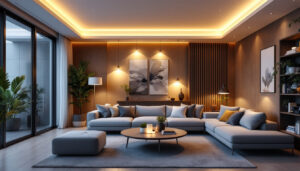
Crown molding is the classic choice for integrating lighting fixtures seamlessly into a room’s design. It frames the ceiling and walls, creating a natural space for indirect lighting like LED strips or rope lights.
By incorporating crown molding, contractors can hide wiring and fixtures while adding a luxurious touch. This approach is especially popular in high-end residential and commercial projects where subtle, ambient lighting is desired. The use of crown molding not only enhances the aesthetic appeal but also contributes to the overall acoustics of a room, as the added material can help absorb sound, making spaces feel more intimate and inviting.
In addition to traditional styles, crown molding can be customized with various finishes and colors to match the decor of the room. For instance, a high-gloss finish can reflect light beautifully, amplifying the effects of the lighting installed within the molding. This versatility makes crown molding a favorite among interior designers looking to create a cohesive look that elevates the entire space.
Baseboard and Chair Rail Moldings for Accent Lighting
While crown molding often steals the spotlight, baseboard and chair rail moldings offer unique opportunities for accent lighting. Installing LED strips along these moldings can create a soft glow that enhances room depth and ambiance.
These moldings can also protect walls from damage while providing a practical location for lighting that guides occupants safely through hallways or staircases. The low-level lighting provided by baseboard fixtures can be particularly effective in creating a warm and welcoming atmosphere, especially in areas where safety is a concern, like entryways or dark corridors.
Moreover, the strategic placement of lighting along chair rails can highlight artwork or decorative elements on the walls, drawing attention to the finer details of a room. This technique not only adds visual interest but also allows homeowners to showcase their personal style through carefully curated displays.
Custom and Decorative Moldings
Custom moldings allow for creative freedom and can be tailored to specific architectural styles. Decorative moldings with intricate patterns or profiles can become focal points when paired with the right lighting.
Contractors who offer custom molding solutions often find clients willing to pay a premium for unique, personalized designs that set their spaces apart. These bespoke moldings can be crafted from various materials, including wood, plaster, or even modern composites, allowing for a range of textures and finishes that can complement any design scheme.
Additionally, the integration of smart lighting technology with custom moldings is becoming increasingly popular. Homeowners can program their lighting to change colors or intensity based on the time of day or occasion, further enhancing the functionality and aesthetic appeal of the moldings. This fusion of traditional craftsmanship with cutting-edge technology creates a dynamic living environment that is both beautiful and adaptable to the needs of its inhabitants.
How Light Fixture Molding Boosts Profit Margins
Upselling Opportunities
Light fixture molding presents a natural upsell opportunity. Clients may initially request basic lighting installation but become interested in molding options once they see the potential for enhanced aesthetics and functionality.
By educating clients about the benefits and showcasing examples, contractors can increase project scope and revenue without significantly raising labor costs. For instance, highlighting how crown molding can elevate the perceived value of a space can entice clients to invest more in their projects. Moreover, offering a variety of styles—from modern to traditional—ensures that there’s something for every taste, making it easier for clients to envision the transformation of their spaces.
Reducing Installation Time and Costs
Properly designed molding systems can simplify wiring and fixture installation, reducing labor time. Prefabricated molding kits and modular components streamline the process, allowing contractors to complete jobs faster and take on more projects.
Efficiency gains translate directly into higher profit margins, especially on larger-scale commercial or multi-unit residential projects. Additionally, the use of innovative tools and techniques, such as laser measuring devices, can further enhance precision and reduce the likelihood of costly mistakes. As a result, contractors can not only save time but also improve the quality of their work, leading to increased customer satisfaction and potential referrals.
Creating Recurring Revenue Streams
Maintenance and upgrades of light fixture molding systems can become ongoing revenue sources. Clients often require periodic updates to lighting technology or repairs to molding components, providing contractors with repeat business.
Offering maintenance contracts or upgrade packages can solidify long-term client relationships and stabilize income flow. This approach not only ensures a steady stream of income but also positions contractors as trusted partners in their clients’ ongoing home or business improvements. By proactively reaching out to clients for seasonal check-ups or suggesting the latest energy-efficient lighting options, contractors can keep their services top-of-mind, fostering loyalty and encouraging clients to return for future projects.
Best Practices for Installing Light Fixture Molding
Planning and Design Considerations
Successful light fixture molding projects start with thorough planning. Contractors should collaborate closely with designers and electricians to ensure molding complements the lighting layout and electrical infrastructure.
Accurate measurements and mock-ups can prevent costly mistakes during installation. Understanding the client’s style preferences and functional needs is equally important to deliver a tailored solution.
Material Selection and Quality
Choosing the right materials impacts both durability and appearance. Common options include wood, polyurethane, and PVC moldings, each with pros and cons.
Wood offers a traditional look but requires more maintenance. Polyurethane is lightweight and resistant to moisture, ideal for humid environments. PVC is cost-effective and easy to work with but may lack the premium feel some clients desire.
Installation Techniques for Longevity
Precision during installation ensures the molding fits perfectly and supports the lighting fixtures securely. Using appropriate adhesives, fasteners, and sealants prevents gaps and damage over time.
Contractors should also consider accessibility for future maintenance, avoiding designs that make fixture replacement or wiring repairs difficult.
Marketing Light Fixture Molding Services Effectively
Showcasing Portfolio and Case Studies
Visual proof of expertise is a powerful marketing tool. High-quality photos and videos of completed molding projects can attract new clients and demonstrate your ability to handle complex installations.
Case studies highlighting challenges and solutions also build credibility and help potential clients understand the value of investing in molding.
Leveraging Client Testimonials and Referrals
Positive reviews from satisfied clients can significantly influence decision-making. Encourage clients to share their experiences and refer your services to others in their network.
Referral programs with incentives can motivate clients to spread the word, expanding your customer base organically.
Partnering with Designers and Builders
Establishing relationships with interior designers, architects, and builders can lead to steady project referrals. These professionals often seek reliable contractors who can deliver high-quality molding and lighting solutions.
Networking within industry events and local trade associations can open doors to collaborative opportunities and larger projects.
Common Challenges and How to Overcome Them
Dealing with Complex Wiring and Space Constraints
Light fixture molding installations can become complicated when dealing with tight spaces or intricate wiring. Contractors must be adept at problem-solving and flexible in adapting designs to site conditions.
Using slim-profile moldings or modular systems can help navigate space limitations while maintaining functionality.
Managing Client Expectations
Clients may have unrealistic expectations about costs, timelines, or outcomes. Clear communication from the outset is essential to align visions and avoid misunderstandings.
Providing detailed quotes, timelines, and visual aids can help set realistic expectations and build trust.
Ensuring Compliance with Electrical Codes
Electrical safety is paramount. Contractors must stay updated on local codes and standards related to lighting and molding installations.
Working closely with licensed electricians and obtaining necessary permits ensures compliance and protects both the contractor and client.
Investing in Tools and Training for Light Fixture Molding
Essential Tools for Precision and Efficiency
Having the right tools can make a significant difference in the quality and speed of molding installations. Miter saws, nail guns, adhesive applicators, and LED lighting kits are among the essentials.
Investing in high-quality equipment reduces errors and rework, ultimately saving time and money.
Continuous Training and Skill Development
The lighting industry evolves rapidly, with new materials, technologies, and design trends emerging regularly. Staying current through workshops, certifications, and manufacturer training programs keeps contractors competitive.
Encouraging team members to develop specialized skills in molding installation and lighting design can enhance overall service offerings.
Conclusion: Turning Light Fixture Molding into a Profit Powerhouse
Light fixture molding is more than a decorative afterthought. For lighting contractors, it represents a strategic avenue to increase profits, differentiate services, and build lasting client relationships.
Mastering the technical and aesthetic aspects of molding, combined with smart marketing and efficient operations, can transform your business. Embrace this niche, and watch your projects-and profits-shine brighter than ever.
Upgrade Your Lighting Projects with LumenWholesale
Ready to elevate your lighting installations and boost your profit margins? At LumenWholesale, we provide lighting contractors with the high-quality, spec-grade lighting products you need to make every project shine. Say goodbye to local distributor markups and hello to unbeatable wholesale prices, free shipping, and the convenience you deserve. Whether you’re integrating sophisticated light fixture molding or seeking the latest in lighting technology, our extensive selection is designed to meet the highest industry standards. Discover wholesale lighting at the best value and make LumenWholesale your partner in creating stunning, profitable lighting solutions.