Why Movie-Grade Lighting Matters to Lighting Contractors
Lighting contractors often find themselves balancing technical precision with creative demands. Movie lighting sets a high bar, blending artistry with engineering in ways that can transform ordinary spaces into captivating environments. Understanding the principles behind cinematic lighting can elevate a contractor’s skill set, opening doors to new projects and client relationships.
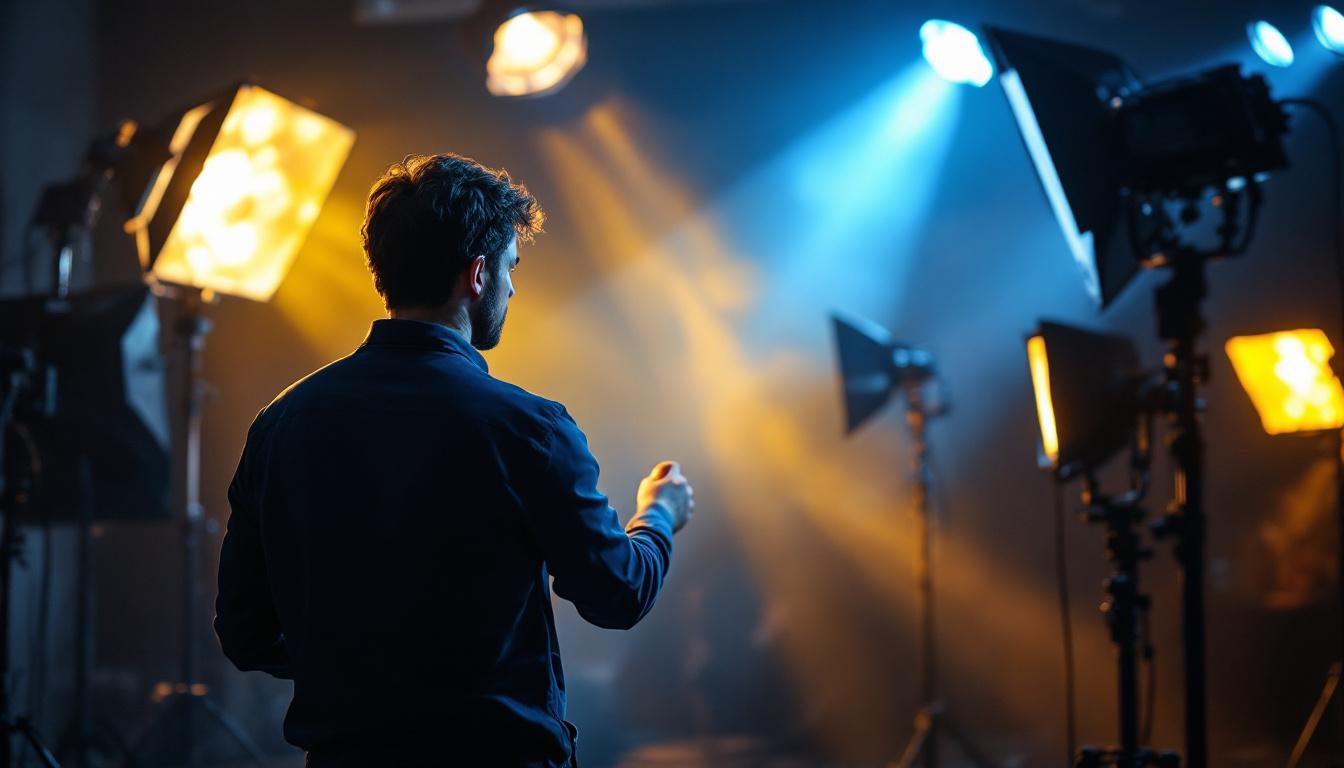
Movie lighting isn’t just about brightness or color temperature. It’s about storytelling through light—using shadows, highlights, and contrast to influence mood and perception. For contractors, adopting these techniques can mean the difference between standard installations and truly immersive lighting experiences.
From Film Sets to Real-World Applications
Many lighting strategies developed for film sets have practical applications in commercial, residential, and event lighting. Techniques like three-point lighting, motivated lighting, and practicals (visible light sources within a scene) can enhance architectural features or create ambiance that resonates emotionally with occupants.
For example, a restaurant owner might want lighting that feels intimate and dramatic, similar to a close-up scene in a movie. A lighting contractor familiar with cinematic techniques can design a setup that achieves this effect, using directional lights, gels, and dimming controls to mimic the subtle shifts seen on screen.
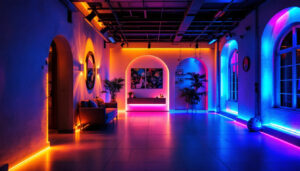
Moreover, the use of color in movie lighting can significantly impact the atmosphere of a space. By incorporating colored gels or LED fixtures that can shift hues, contractors can create dynamic environments that change throughout the day or in response to specific events. For instance, a wedding venue might utilize warm, soft colors during a ceremony to evoke romance, then shift to vibrant, energetic colors for the reception, enhancing the overall experience for guests. This versatility not only showcases the contractor’s expertise but also allows them to cater to a wider range of client needs.
Additionally, understanding the technical aspects of lighting design, such as the interplay between light and shadow, can help contractors address practical challenges in various settings. For example, in a gallery space, the right lighting can highlight artwork while minimizing glare, ensuring that each piece is presented in its best light. By applying principles derived from film lighting, contractors can create environments that not only meet functional requirements but also elevate the visual narrative of the space, making it memorable for all who enter.
Key Movie Lighting Techniques Lighting Contractors Should Know
Three-Point Lighting: The Foundation
Three-point lighting is a classic method used to illuminate subjects evenly while creating depth. It involves three light sources: key light, fill light, and back light. The key light is the main source, providing the strongest illumination and defining the subject’s form. The fill light softens shadows created by the key, preventing harsh contrasts. The back light separates the subject from the background, adding a halo effect that enhances dimensionality.
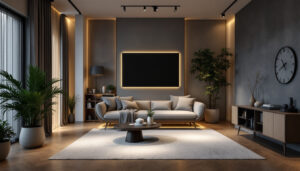
Contractors can apply this setup beyond film, using it to highlight artwork, retail displays, or architectural details. Adjustable fixtures and smart controls make it easier to replicate these effects in permanent installations. Additionally, understanding the nuances of light placement and intensity can help contractors create moods that resonate with the intended audience. For example, a warm, inviting atmosphere can be achieved in a restaurant setting by adjusting the back light to create a soft glow, while a more dramatic effect might be suitable for a gallery opening, emphasizing the artwork with sharper contrasts.
Motivated Lighting: Creating Realistic Scenes
Motivated lighting means using light sources that appear natural within the scene-like a lamp, window, or candle-and matching their color and intensity with supplemental lights. This technique ensures the lighting feels believable and cohesive, avoiding the flat or artificial look common in poorly lit spaces.
For contractors, this means considering the existing light sources in a space and enhancing them rather than overpowering them. For instance, in a hotel lobby, motivated lighting might involve accentuating the glow from chandeliers with hidden LED strips that mimic the same warmth and direction. This approach not only enhances the visual appeal but also creates a welcoming environment for guests. Furthermore, by strategically placing mirrors or reflective surfaces, contractors can amplify the effects of motivated lighting, making spaces feel larger and more inviting while maintaining a natural aesthetic.
Practical Lights: Functional and Decorative
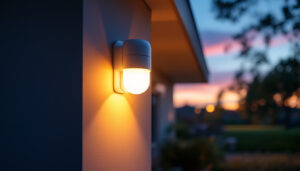
Practical lights are visible fixtures within a scene that serve both a lighting and decorative purpose. Think of desk lamps, sconces, or neon signs. In film, they add authenticity and help set the tone. For lighting contractors, integrating practicals into designs can boost aesthetic appeal while serving functional needs.
Modern LED technology offers a range of practical lighting options that are energy-efficient and customizable. Contractors can recommend fixtures that complement the architectural style while providing necessary illumination. Moreover, the versatility of practical lights allows for creative applications, such as using vintage-style bulbs in a rustic café or sleek, minimalist fixtures in a contemporary office. By incorporating dimmable features, contractors can offer clients the ability to adjust the ambiance according to different times of day or events, enhancing the overall user experience and making spaces feel dynamic and alive.
Technological Innovations Driving Movie Lighting Forward
LED Advancements and Energy Efficiency
LEDs have revolutionized movie lighting by offering high-quality light output with low heat and energy consumption. Their versatility allows for precise color tuning and dimming capabilities, essential for creating dynamic lighting scenes. For contractors, LEDs mean easier installation, longer lifespan, and reduced maintenance costs.
High-CRI (Color Rendering Index) LEDs are particularly important, as they accurately reproduce colors under artificial light, crucial for both film and real-world applications where color fidelity matters. This accuracy is not only vital for cinematographers aiming to capture the perfect shot but also for set designers who rely on true-to-life colors to convey the intended mood and atmosphere of a scene. Moreover, the development of tunable LEDs has opened up new creative possibilities, enabling filmmakers to shift the color temperature on-the-fly, thus adapting to various narrative requirements without the need for extensive equipment changes.
Smart Lighting Controls: Precision and Flexibility
Smart lighting systems enable remote control, scene programming, and integration with building automation. These features allow lighting contractors to offer clients sophisticated solutions that adapt to different times of day or activities. For example, a retail store can shift from bright, attention-grabbing lighting during peak hours to softer, mood-enhancing light in the evening.
DMX and DALI protocols, common in film lighting, are increasingly used in architectural lighting, allowing seamless control over multiple fixtures and effects. Contractors skilled in these technologies can provide clients with cutting-edge systems that enhance usability and energy management. Additionally, the rise of mobile applications for lighting control has empowered users to customize their environments with unprecedented ease, enabling them to create personalized settings that reflect their preferences or the specific needs of a scene being filmed. This level of control not only enhances the creative process but also contributes to energy savings, as lighting can be adjusted based on occupancy and activity levels.
Color Temperature and Tunable White Lighting
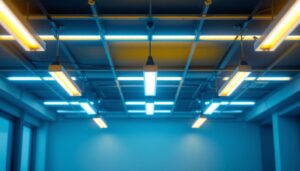
Adjustable color temperature lighting mimics natural daylight cycles, supporting human circadian rhythms and improving wellbeing. Movie lighting often uses this to simulate different times of day or weather conditions. Contractors can incorporate tunable white fixtures in offices, healthcare facilities, and homes to create environments that feel natural and comfortable. This adaptability is particularly beneficial in filmmaking, where lighting must often shift rapidly to reflect changes in time or mood within a narrative.
Furthermore, the ability to fine-tune color temperatures allows filmmakers to create distinct atmospheres that can evoke specific emotional responses from the audience. For instance, cooler temperatures can convey a sense of urgency or tension, while warmer tones can create a feeling of comfort and intimacy. As a result, the integration of tunable white lighting not only enhances the visual storytelling of films but also provides practical solutions for various settings, making it a valuable tool for contractors looking to meet diverse client needs. By understanding the psychological impact of light, contractors can better advise filmmakers and other clients on how to utilize this technology to its fullest potential, ensuring that every scene is illuminated in a way that resonates with viewers on a deeper level.
Challenges Lighting Contractors Face When Adopting Movie Lighting Techniques
Balancing Aesthetic Goals with Practical Constraints
Movie lighting is often designed for controlled environments, but real-world spaces come with limitations-budget, existing infrastructure, and client expectations. Contractors must adapt cinematic techniques to fit these constraints without compromising quality.
For example, replicating a dramatic shadow effect might require repositioning furniture or adding new fixtures, which could conflict with a client’s functional needs. Effective communication and creative problem-solving are essential to navigate these challenges.
Technical Complexity and Training Requirements
Implementing advanced lighting setups requires knowledge of photometrics, color science, and control systems. Contractors may need additional training or partnerships with specialists to deliver movie-grade lighting solutions. Staying updated with industry trends and technologies is crucial for maintaining a competitive edge.
Cost Considerations and Client Education
High-quality lighting equipment and control systems can be costly. Clients may hesitate to invest without understanding the benefits. Lighting contractors must articulate the value of cinematic lighting-improved ambiance, increased property value, and enhanced user experience-to justify the expense.
Offering scalable solutions or phased installations can help clients manage costs while gradually upgrading their lighting.
How Lighting Contractors Can Leverage Movie Lighting for Business Growth
Expanding Service Offerings
By mastering movie lighting techniques, contractors can differentiate themselves in a crowded market. Offering specialized services like theatrical lighting design, event lighting, or high-end residential installations attracts clients seeking unique, impactful lighting solutions.
Collaborating with interior designers, architects, and event planners can open new revenue streams and foster long-term partnerships.
Showcasing Expertise Through Demonstrations and Portfolios
Visual proof is powerful. Contractors should document projects that incorporate cinematic lighting principles, highlighting before-and-after comparisons and client testimonials. Demonstrations using portable setups or virtual renderings can help potential clients visualize the benefits.
Investing in Continuous Learning and Industry Networking
Attending workshops, trade shows, and film industry events can expose contractors to the latest trends and technologies. Networking with cinematographers and lighting designers provides insights that can be adapted for commercial projects.
Conclusion: Movie Lighting as a Catalyst for Innovation in Contracting
Movie lighting techniques offer lighting contractors a rich toolkit for creating compelling, functional, and energy-efficient environments. While challenges exist, the potential rewards-in terms of client satisfaction, project diversity, and business growth-are substantial.
Contractors who embrace these principles position themselves as leaders in an evolving industry, capable of transforming spaces with light in ways that resonate deeply with users. The artistry and technology of movie lighting are no longer confined to the silver screen-they are powerful assets in the hands of skilled lighting professionals.
Illuminate Your Projects with LumenWholesale
Ready to harness the transformative power of movie-grade lighting for your next project? At LumenWholesale, we provide lighting contractors with the highest quality, spec-grade lighting products at prices that can’t be beaten. Say goodbye to local distributor markups and hello to a vast selection of reliable, high-performance lighting that meets the most rigorous industry standards. With free shipping on bulk orders, LumenWholesale is your go-to source for premium lighting solutions that combine quality, affordability, and convenience. Elevate your lighting game and give your clients the immersive experience they deserve. Discover Wholesale Lighting at the Best Value today and light up your business with LumenWholesale.