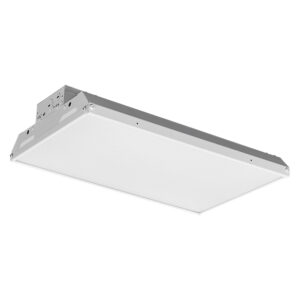
Understanding UVC Sterilization: Fundamentals and Applications
Ultraviolet C (UVC) light has emerged as a powerful tool in the fight against pathogens, offering an effective sterilization method that complements traditional cleaning practices. For lighting contractors, understanding the science and practical application of UVC sterilization is crucial to delivering safe and efficient lighting solutions in healthcare, commercial, and industrial environments.
UVC refers to ultraviolet light with wavelengths between 200 and 280 nanometers. This range is particularly effective at destroying the DNA and RNA of bacteria, viruses, and other microorganisms, rendering them incapable of reproduction and infection. Unlike UVA and UVB, which primarily affect the skin and eyes, UVC does not naturally reach the earth’s surface due to atmospheric absorption, making artificial UVC sources essential for sterilization purposes.
Incorporating UVC sterilization into lighting systems requires a deep understanding of its germicidal properties, safe deployment methods, and compliance with regulatory standards. Lighting contractors must balance efficacy with safety to ensure that UVC installations provide maximum antimicrobial benefits without exposing occupants or workers to harmful radiation. This balance is particularly important in environments such as hospitals, where vulnerable populations are present, and in food processing facilities, where contamination can lead to significant health risks.
How UVC Light Kills Microorganisms
UVC light penetrates the cell walls of microorganisms and disrupts their nucleic acids. This process creates thymine dimers in DNA and uracil dimers in RNA, which inhibit replication and transcription. Without the ability to reproduce, microbes effectively die off, reducing the risk of infection transmission.
This mechanism is highly effective against a broad spectrum of pathogens, including antibiotic-resistant bacteria and viruses such as influenza and coronaviruses. However, the effectiveness depends on exposure time, intensity, and wavelength precision, which must be carefully calibrated in lighting installations. Additionally, the design of the space plays a critical role; for instance, surfaces that are shadowed or obstructed may not receive adequate UVC exposure, necessitating strategic placement of UVC fixtures to ensure comprehensive coverage. Moreover, ongoing research is exploring the potential of UVC light in air purification systems, where it can be used to treat recirculated air in HVAC systems, thereby enhancing indoor air quality and further reducing the spread of airborne pathogens.
Design Considerations for UVC Lighting Systems
When integrating UVC sterilization into lighting projects, contractors must consider several critical design factors to optimize performance and safety.
Wavelength Selection and Lamp Types
UVC lamps typically operate between 254 nm and 265 nm, with 254 nm being the most common wavelength emitted by low-pressure mercury vapor lamps. This wavelength is optimal for DNA absorption and microbial inactivation. Recently, excimer lamps emitting 222 nm, known as far-UVC, have gained attention for their ability to sterilize while posing less risk to human skin and eyes.
Choosing the appropriate lamp type depends on the application environment. Low-pressure mercury lamps are cost-effective and widely used but require shielding and controlled operation to prevent human exposure. Far-UVC lamps, while more expensive, offer safer continuous operation in occupied spaces, expanding their usability in public and commercial areas. Additionally, advancements in LED technology are paving the way for new UVC solutions that are more energy-efficient and longer-lasting, further enhancing the versatility of UVC applications in various settings.
Intensity and Exposure Time
The germicidal effectiveness of UVC light is directly related to the dose, which is a product of intensity (measured in microwatts per square centimeter) and exposure time. Lighting contractors must calculate the necessary dose to achieve the desired sterilization level based on the target pathogens and surface or air volume.
For example, achieving a 99.9% reduction of common bacteria may require a dose of approximately 10-20 mJ/cm², while viruses often require higher doses. Ensuring sufficient exposure time often means designing systems with appropriate lamp placement, reflectors, and air circulation to maximize contact between UVC light and microorganisms. Furthermore, the design must account for factors such as the distance between the UVC source and the target surface, as the intensity of UVC light diminishes with distance, necessitating careful planning to ensure effective sterilization.
Installation and Safety Protocols
Safety is paramount when working with UVC lighting. Direct exposure to UVC radiation can cause skin burns and eye injuries. Lighting contractors must implement shielding, interlocks, and motion sensors to prevent accidental exposure during operation.
In occupied spaces, UVC systems are often installed in upper-room air sterilizers or within HVAC ducts to avoid direct human contact. When surface sterilization is required, systems should operate only in unoccupied rooms or during scheduled downtimes, with clear signage and safety training for personnel. Additionally, it is crucial to conduct regular maintenance and inspections of UVC systems to ensure they are functioning correctly and safely. This includes monitoring lamp output and replacing lamps as necessary, as the effectiveness of UVC light diminishes over time, which can compromise the sterilization process if not addressed promptly. Proper documentation of safety protocols and maintenance schedules can also help in compliance with health and safety regulations, providing peace of mind to both contractors and end-users alike.
Applications of UVC Sterilization in Lighting Projects
UVC sterilization has found diverse applications across sectors, making it a valuable addition to lighting contractors’ portfolios.
Healthcare Facilities
Hospitals and clinics utilize UVC lighting to reduce healthcare-associated infections (HAIs). Portable UVC robots and fixed installations in operating rooms, patient rooms, and laboratories help maintain sterile environments. Lighting contractors must ensure that these systems integrate seamlessly with existing electrical and lighting infrastructure while meeting stringent regulatory requirements. The effectiveness of UVC sterilization in healthcare settings is further enhanced by ongoing research, which continues to explore optimal exposure times and wavelengths for maximum germicidal efficacy. This knowledge allows contractors to tailor solutions that not only meet current needs but also adapt to evolving healthcare challenges.
Commercial and Public Spaces
High-traffic areas such as offices, schools, airports, and public transportation hubs benefit from UVC air and surface sterilization. Upper-room UVC fixtures installed by lighting contractors can continuously disinfect circulating air without disrupting occupants. This application supports public health initiatives by reducing airborne transmission of respiratory illnesses. Additionally, the integration of smart technology with UVC systems allows for real-time monitoring and control, enabling facility managers to adjust sterilization levels based on occupancy and environmental conditions. Such advancements not only enhance safety but also promote confidence among the public in returning to shared spaces.
Industrial and Food Processing Environments
In manufacturing and food processing plants, UVC lighting helps maintain hygiene standards by sterilizing equipment surfaces and air. Lighting contractors working in these sectors must design systems that withstand harsh environmental conditions, such as moisture and dust, while ensuring compliance with industry-specific regulations. Furthermore, the implementation of UVC technology can lead to significant cost savings by reducing the need for chemical disinfectants and minimizing downtime caused by contamination incidents. As the food industry increasingly embraces sustainability, UVC sterilization presents an eco-friendly alternative that aligns with green initiatives, making it an attractive option for forward-thinking businesses.
Regulatory Standards and Compliance
Adherence to regulatory standards is essential for the safe and effective deployment of UVC sterilization systems.
Occupational Safety Guidelines
Organizations such as the American Conference of Governmental Industrial Hygienists (ACGIH) provide threshold limit values (TLVs) for UVC exposure to protect workers. Lighting contractors must design systems that keep UVC exposure below these limits, incorporating engineering controls and administrative procedures.
Electrical and Building Codes
UVC lighting installations must comply with local electrical codes, including proper wiring, grounding, and circuit protection. Additionally, building codes may specify requirements for emergency shutoffs, ventilation, and integration with fire alarm systems. Contractors should coordinate with electrical engineers and code officials to ensure compliance.
Certification and Testing
Third-party certification of UVC lamps and fixtures, such as from Underwriters Laboratories (UL) or equivalent bodies, ensures product safety and performance. Lighting contractors should specify certified products and conduct post-installation testing to verify UVC output and system functionality.
Emerging Trends and Future Directions in UVC Lighting
The field of UVC sterilization is evolving rapidly, driven by technological advances and heightened awareness of infection control.
Far-UVC Technology and Continuous Disinfection
Far-UVC lamps emitting around 222 nm are gaining traction due to their ability to inactivate pathogens without penetrating human skin or eyes deeply. This breakthrough enables continuous disinfection in occupied spaces, opening new possibilities for lighting contractors to design safer, always-on sterilization systems.
Integration with Smart Building Systems
Integration of UVC sterilization with building automation and Internet of Things (IoT) platforms allows for real-time monitoring and control. Lighting contractors can implement sensors that adjust UVC output based on occupancy, air quality, and pathogen detection, optimizing energy use and safety.
Energy Efficiency and Sustainability
Advancements in UVC LED technology promise lower energy consumption, longer lifespans, and reduced environmental impact compared to traditional mercury lamps. As these technologies mature, lighting contractors will have access to more sustainable options that align with green building standards.
Conclusion: Best Practices for Lighting Contractors Implementing UVC Sterilization
For lighting contractors, mastering UVC sterilization requires a comprehensive understanding of its scientific principles, design considerations, safety protocols, and regulatory landscape. Successful implementation hinges on selecting appropriate lamp types, calculating effective doses, and ensuring safe operation to protect both occupants and workers.
By staying informed about emerging technologies and integrating UVC systems thoughtfully into lighting projects, contractors can provide valuable solutions that enhance public health and safety across diverse environments. Collaboration with manufacturers, health experts, and code authorities further ensures that UVC sterilization installations meet the highest standards of efficacy and safety.
Ultimately, UVC sterilization represents a transformative advancement in lighting technology, empowering contractors to contribute meaningfully to infection control and environmental hygiene in a post-pandemic world.
Illuminate Your Projects with LumenWholesale
Ready to elevate your lighting solutions with the cutting-edge power of UVC sterilization? At LumenWholesale, we provide lighting contractors with the highest quality, spec-grade UVC lighting products at unbeatable wholesale prices. Say goodbye to inflated markups and hello to superior lighting that meets the most rigorous industry standards. With our hassle-free bulk buying and free shipping, you can ensure your projects shine with premium lighting at the best value. Don’t compromise on quality, affordability, or convenience. Visit LumenWholesale today and experience the best in wholesale lighting.