The Critical Role of External Lighting for Retail Spaces
For lighting contractors, understanding the impact of external shop lighting on retail businesses is essential. The exterior lighting of a commercial property is often the first impression customers have of a store. Well-designed lighting not only enhances visibility but also contributes significantly to the overall brand image and customer experience.
Studies indicate that attractive storefront lighting can increase foot traffic by up to 40%. This increase is largely due to improved visibility and a welcoming atmosphere that draws customers in, especially during evening hours or in low-light conditions. For lighting contractors, this presents a valuable opportunity to demonstrate expertise in creating lighting solutions that align with business goals.
Enhancing Safety and Security
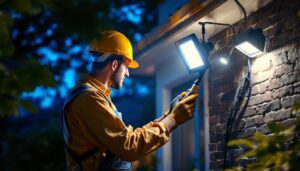
One of the primary functions of external lighting is to improve safety and security around the retail premises. Proper illumination of parking lots, entrances, and pathways deters criminal activity and reduces the risk of accidents. For lighting contractors, recommending fixtures that provide uniform lighting without harsh glare is critical to achieving these objectives.
Lighting solutions such as motion-activated floodlights, LED security lights, and strategically placed bollard lights can enhance security while minimizing energy consumption. These features not only protect the business but also reassure customers and employees, fostering a sense of trust and comfort. Additionally, the integration of smart lighting systems can further enhance security measures. These systems can be programmed to adjust brightness levels based on the time of day or detect unusual movement, providing an extra layer of protection that can be particularly appealing to retailers in high-traffic areas.
Branding Through Lighting Design
External lighting offers a unique canvas for branding. Lighting contractors can use color temperature, intensity, and fixture style to reflect the store’s identity. For example, warm white lighting can create a cozy, inviting ambiance for boutique shops, while cooler white or colored LED lighting might suit modern or technology-focused retailers.
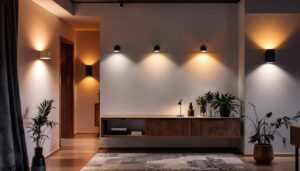
Incorporating architectural lighting techniques such as wall grazing, uplighting, or backlighting signage can make the storefront stand out. This strategic use of light not only attracts attention but also reinforces brand recognition, encouraging repeat visits. Moreover, seasonal lighting displays can further enhance a store’s appeal, allowing retailers to create a festive atmosphere during holidays or special events. By using programmable lighting systems, businesses can easily change their lighting schemes to match seasonal themes, creating a dynamic shopping environment that keeps customers engaged and excited about their brand.
Energy Efficiency and Sustainability in External Lighting
Energy efficiency is a major concern for retail businesses aiming to reduce operational costs and environmental impact. Lighting contractors are in a prime position to advise on sustainable lighting solutions that deliver both performance and savings. As consumers become increasingly aware of environmental issues, businesses that prioritize sustainability can enhance their brand image and attract a more conscientious customer base. This growing trend emphasizes the importance of integrating energy-efficient practices into all aspects of retail operations, particularly in external lighting, which plays a critical role in creating an inviting atmosphere while ensuring safety and security.
LED technology has revolutionized external lighting by offering longer lifespans and lower energy consumption compared to traditional incandescent or halogen bulbs. LEDs also provide superior light quality and can be integrated with smart controls for enhanced efficiency. Furthermore, their versatility allows for a wide range of applications, from illuminating storefronts to enhancing outdoor seating areas. Retailers can choose from various color temperatures and brightness levels to create the desired ambiance, making LED lighting not just an energy-efficient choice, but also a strategic one for enhancing customer experience.
Smart Lighting Controls
Implementing smart lighting controls such as timers, dimmers, and motion sensors can significantly reduce energy waste. For example, lighting contractors can design systems that adjust illumination levels based on natural light availability or occupancy, ensuring lights are only on when needed. These advanced systems can be programmed to follow specific schedules, such as dimming lights during off-peak hours or turning them off entirely when the store is closed. This level of automation not only enhances energy savings but also provides retailers with the flexibility to adapt their lighting strategies to changing business needs.
These controls not only lower electricity bills but also extend the lifespan of lighting fixtures, reducing maintenance costs. Retailers benefit from a reduced carbon footprint, aligning with growing consumer demand for environmentally responsible businesses. Additionally, smart lighting can improve safety by ensuring that pathways and entrances are well-lit when customers are present, thereby enhancing the overall shopping experience. The integration of smart technology in lighting systems is not just about efficiency; it also represents a significant step towards creating a more responsive and engaging retail environment.
Incentives and Regulations
Many regions offer financial incentives for businesses that upgrade to energy-efficient lighting systems. Lighting contractors should stay informed about local rebates, tax credits, and grants that can offset installation costs. This knowledge can be a strong selling point when proposing new lighting projects to retail clients. By leveraging these incentives, businesses can significantly reduce their upfront investment, making the transition to energy-efficient lighting more accessible and appealing. Moreover, the long-term savings on energy bills can lead to a quicker return on investment, further encouraging retailers to adopt sustainable practices.
Additionally, compliance with lighting regulations and standards is crucial. Properly designed external lighting minimizes light pollution and glare, ensuring the business adheres to community guidelines and avoids potential fines. Retailers must also consider the impact of their lighting choices on local wildlife and ecosystems, particularly in areas where outdoor lighting can disrupt natural habitats. By prioritizing compliance and responsible lighting design, businesses can position themselves as leaders in sustainability within their communities, fostering goodwill and loyalty among environmentally conscious consumers.
Design Considerations for Effective External Shop Lighting
Successful external lighting design requires a balance between aesthetics, functionality, and cost-effectiveness. Lighting contractors must consider several factors to create a solution that meets the unique needs of each retail client.
Assessing the Site and Surroundings
Every retail location has distinct characteristics that influence lighting design. Contractors should conduct thorough site assessments, taking into account building architecture, surrounding landscape, pedestrian and vehicle traffic patterns, and existing lighting conditions.
Understanding these elements enables the selection of appropriate fixtures, mounting heights, and beam angles to optimize coverage and minimize shadows or dark spots. Additionally, the time of day and seasonal changes can affect how light interacts with the environment, making it crucial to consider these variables during the assessment phase. For instance, during winter months, longer shadows may necessitate different fixture placements to ensure consistent visibility. Furthermore, evaluating the surrounding businesses and their lighting strategies can provide insights into community standards and expectations, helping to create a cohesive visual experience within the area.
Choosing the Right Fixtures and Light Quality
The choice of fixtures impacts both the visual appeal and performance of external lighting. Durable, weather-resistant fixtures with appropriate ingress protection ratings are essential for outdoor environments. Additionally, selecting the right color temperature enhances the store’s appearance and customer experience.
High Color Rendering Index (CRI) lighting helps merchandise and signage appear more vibrant and true to life, which can influence purchasing decisions. Lighting contractors should guide clients toward fixtures that combine durability with superior light quality. Moreover, the integration of smart lighting technology can further enhance the effectiveness of external shop lighting. By utilizing sensors and timers, retailers can optimize energy consumption, adjusting brightness levels based on real-time conditions such as foot traffic or daylight availability. This not only reduces operational costs but also supports sustainability initiatives, appealing to environmentally conscious consumers.
Balancing Illumination and Light Pollution
While bright lighting is necessary for visibility and security, excessive illumination can cause light pollution, disturbing neighbors and wasting energy. Contractors should employ techniques such as shielding fixtures and directing light downward to minimize spill and glare.
Using lighting zones and adjustable controls can further refine illumination levels, ensuring that light is focused where it is needed most without unnecessary overspill. Additionally, incorporating timers and dimmers can allow for a more dynamic lighting approach, adapting to different times of the day or special events. This flexibility not only enhances the shopping experience but also allows retailers to create a unique ambiance that can attract customers during evening hours. Furthermore, educating clients about the importance of responsible lighting practices can foster a sense of community and encourage collaboration with local authorities to ensure compliance with any lighting ordinances, ultimately leading to a more harmonious relationship with the surrounding environment.
How Lighting Contractors Can Maximize Business Opportunities
Lighting contractors who specialize in external shop lighting can differentiate themselves by offering comprehensive services that address both technical and business needs of retail clients.
Consultative Approach and Custom Solutions
Retailers are increasingly seeking lighting partners who understand their brand and operational challenges. Contractors who adopt a consultative approach—offering tailored lighting designs, energy audits, and maintenance plans—build stronger client relationships and generate repeat business.
Demonstrating expertise in the latest lighting technologies and trends, such as human-centric lighting and IoT integration, positions contractors as trusted advisors rather than just installers.
Showcasing Successful Projects
Documenting and sharing case studies of successful external lighting projects can be a powerful marketing tool. Highlighting measurable benefits such as increased foot traffic, energy savings, and enhanced security helps potential clients visualize the value of investing in professional lighting services.
Contractors should leverage digital platforms, including websites and social media, to showcase before-and-after photos, client testimonials, and technical details of their work.
Training and Certification
Maintaining industry certifications and staying current with lighting standards enhances credibility. Certifications such as the Lighting Certified (LC) credential or qualifications from recognized bodies demonstrate commitment to quality and professionalism.
Offering training sessions or workshops for retail clients on lighting maintenance and energy management can further strengthen partnerships and open additional revenue streams.
Conclusion: Illuminating the Path to Retail Success
External shop lighting is more than just a functional necessity; it is a strategic asset that can significantly boost a retail business’s visibility, safety, and brand appeal. For lighting contractors, this represents a lucrative opportunity to provide expert solutions that drive measurable business outcomes.
By focusing on energy-efficient technologies, thoughtful design, and client-centric service, lighting contractors can position themselves as invaluable partners to retailers seeking to enhance their storefronts and attract more customers. In an increasingly competitive market, well-executed external lighting can make all the difference in illuminating the path to retail success.
Illuminate Your Projects with LumenWholesale
Ready to elevate your lighting projects and outshine the competition? At LumenWholesale, we provide lighting contractors with the edge they need. Our extensive range of spec-grade lighting products is designed to meet the highest industry standards, ensuring your installations are not only efficient and effective but also enhance the retail spaces you work with. Say goodbye to inflated markups and hello to unbeatable wholesale prices, free shipping, and the convenience of bulk buying. Don’t compromise on quality or value—choose LumenWholesale for your next project and experience the perfect blend of quality, affordability, and convenience. Wholesale Lighting at the Best Value is just a click away.