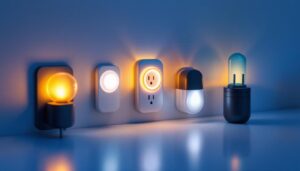
The Evolving Landscape of Lighting Technology
Lighting technology has undergone a remarkable transformation in recent years, driven by advances in energy efficiency, smart controls, and design innovation. For lighting contractors, staying updated is not just a matter of professional growth—it’s essential for maintaining a competitive edge and delivering the best solutions to clients.
Traditional incandescent and fluorescent bulbs are rapidly being replaced by LED systems, which offer superior energy savings, longer lifespans, and greater design flexibility. According to industry reports, LED lighting can reduce energy consumption by up to 75% compared to conventional lighting. This shift has profound implications for contractors, who must adapt their skills and knowledge to install, maintain, and troubleshoot these new systems effectively.
Moreover, the integration of lighting with smart home and building automation technologies is reshaping how lighting is controlled and experienced. Lighting contractors who understand the nuances of these systems can provide added value by offering clients customized, intelligent lighting solutions that enhance comfort, security, and energy management.
Why Technological Awareness Matters
Keeping abreast of technological developments allows contractors to recommend the most current, efficient, and cost-effective products. This not only improves customer satisfaction but also helps contractors avoid costly mistakes associated with outdated or incompatible equipment. For example, installing an older lighting control system in a smart building can lead to functional limitations and increased maintenance costs.
Additionally, manufacturers frequently update product lines with improved features or compliance with new regulations. Contractors who stay informed can leverage these advancements to optimize installation processes and reduce project timelines.
The rise of smart lighting solutions, such as tunable white and color-changing LEDs, has also opened new avenues for creativity in design. These systems allow for dynamic adjustments to lighting based on the time of day or specific activities, enhancing the ambiance of residential and commercial spaces alike. For instance, a well-designed lighting scheme can promote productivity in office environments or create a cozy atmosphere in homes during the evening. Understanding these possibilities enables contractors to work closely with designers and architects, ensuring that lighting is not just functional but also an integral part of the overall aesthetic appeal.
Furthermore, as sustainability becomes a priority for many clients, the demand for energy-efficient lighting solutions continues to grow. Contractors who can demonstrate the long-term cost savings and environmental benefits of modern lighting technologies will find themselves in a favorable position. This includes knowledge of energy audits, rebate programs, and the latest in renewable energy integration, which can further enhance their service offerings. By embracing these trends, contractors not only contribute to a greener future but also position themselves as leaders in the evolving landscape of lighting technology.
Regulatory Changes and Energy Standards
Energy codes and lighting regulations are constantly evolving to promote sustainability and reduce environmental impact. Lighting contractors must stay current with these changes to ensure compliance and avoid penalties.
For instance, many jurisdictions have adopted stringent energy efficiency standards that mandate the use of high-efficiency lighting products in commercial and residential projects. Failure to comply can result in failed inspections, project delays, or costly retrofits. By understanding and anticipating regulatory trends, contractors can guide clients through compliance requirements seamlessly. This proactive approach not only helps in avoiding fines but also positions contractors as industry leaders who prioritize sustainability and innovation in their projects.
Moreover, the integration of smart lighting technologies is becoming increasingly prevalent, as regulations often encourage the use of systems that can be controlled remotely or programmed for optimal energy use. This shift not only meets regulatory demands but also aligns with the growing consumer preference for smart home solutions. As such, contractors who invest time in understanding these technologies will be better equipped to offer clients cutting-edge solutions that comply with evolving standards while enhancing user experience.
Incentives and Rebates
Governments and utility companies often offer incentives and rebates for installing energy-efficient lighting systems. These programs can significantly reduce project costs for clients and increase the attractiveness of certain lighting solutions.
Contractors who are knowledgeable about available incentives can help clients capitalize on these opportunities, enhancing their reputation as trusted advisors and increasing the likelihood of repeat business. Furthermore, some rebate programs require specific documentation or certification, so staying updated ensures contractors can meet these administrative requirements efficiently. Understanding the nuances of these programs can also help contractors identify the most beneficial options for their clients, tailoring solutions that not only meet aesthetic and functional needs but also align with financial incentives.
Additionally, many utility companies are now offering energy audits and assessments as part of their incentive programs. These audits provide valuable insights into a building’s energy consumption patterns and highlight areas where efficiency can be improved. By collaborating with utility providers to facilitate these assessments, contractors can further enhance their service offerings, demonstrating a commitment to energy conservation and customer satisfaction. This collaborative approach not only fosters stronger relationships with clients but also positions contractors as integral partners in the journey toward more sustainable building practices.
Smart Lighting and Integration Trends
The rise of the Internet of Things (IoT) has revolutionized lighting by enabling smart, connected systems that respond dynamically to user needs and environmental conditions. Lighting contractors who understand these trends can expand their service offerings and tap into lucrative markets. As smart homes become more prevalent, the integration of lighting with other smart devices—such as thermostats, security systems, and entertainment systems—creates a seamless user experience that enhances the overall functionality of residential and commercial spaces.
Smart lighting systems offer benefits such as automated scheduling, occupancy sensing, daylight harvesting, and remote control via mobile devices. These features not only improve energy efficiency but also enhance user experience and convenience. For instance, smart lighting can adjust automatically based on the time of day or the presence of natural light, ensuring that spaces are always optimally lit while minimizing energy waste. Additionally, the ability to control lighting remotely allows users to create customized atmospheres for different occasions, from cozy movie nights to vibrant gatherings.
Challenges and Opportunities in Smart Lighting
While smart lighting presents exciting opportunities, it also introduces complexity. Contractors must be proficient in networking, software configuration, and cybersecurity considerations to ensure reliable and secure installations. The integration of multiple systems can lead to potential compatibility issues, requiring contractors to stay updated on the latest technologies and standards. Moreover, as smart lighting becomes more sophisticated, the demand for ongoing maintenance and troubleshooting services increases, presenting contractors with the chance to build long-term relationships with clients.
Training and certification programs focused on smart lighting technologies are increasingly available, providing contractors with the knowledge and credentials to differentiate themselves. Embracing these educational resources can lead to higher-quality installations and increased client trust. Furthermore, as consumers become more aware of the benefits of smart lighting, they are more likely to seek out professionals who are well-versed in the latest innovations. This trend underscores the importance of staying informed about emerging technologies, such as human-centric lighting and energy management systems, which can further enhance the value of smart lighting solutions.
Design Innovation and Aesthetic Considerations
Lighting is no longer merely functional; it is a critical element of architectural and interior design. Contractors who stay informed about design trends can collaborate more effectively with architects, designers, and clients to create visually compelling and atmospherically rich environments.
Advances in tunable white lighting, color-changing LEDs, and dynamic lighting scenes enable customized ambiance and mood control. These innovations require contractors to understand not only electrical specifications but also human-centric lighting principles and design intent.
Case Studies in Innovative Lighting Projects
Recent projects in commercial, hospitality, and residential sectors showcase how innovative lighting design can transform spaces. For example, museums use adjustable color temperature lighting to protect sensitive exhibits while enhancing visitor experience, and hotels implement circadian lighting systems to promote guest well-being.
Contractors involved in these projects often collaborate closely with design teams, necessitating a comprehensive understanding of both technical and aesthetic aspects. Staying updated on design trends enables contractors to contribute meaningfully and secure high-profile contracts.
Professional Development and Industry Networking
Continuous learning is vital for lighting contractors to remain relevant and skilled. Attending industry conferences, participating in workshops, and obtaining certifications are effective ways to stay current.
Networking with manufacturers, suppliers, and fellow contractors can provide early access to new products, insights into emerging trends, and opportunities for collaboration. Industry associations often offer valuable resources, including technical guides, webinars, and forums for knowledge exchange.
Leveraging Digital Resources
Online platforms and social media channels have become essential tools for professional development. Lighting contractors can follow industry leaders, join discussion groups, and access technical documentation and tutorials to enhance their expertise.
Engaging with digital content also allows contractors to stay informed about market demands, customer preferences, and competitive strategies, enabling them to adapt their business models accordingly.
Conclusion: The Competitive Edge of Staying Updated
In a rapidly changing industry, lighting contractors who prioritize staying updated gain significant advantages. They can deliver innovative, compliant, and efficient lighting solutions that meet evolving client needs and regulatory requirements.
By embracing technological advances, understanding regulatory landscapes, mastering smart lighting integration, appreciating design trends, and committing to ongoing professional development, contractors position themselves as indispensable partners in the lighting ecosystem.
Ultimately, staying informed is not just about knowledge—it’s about empowering contractors to illuminate the future with confidence and excellence.
Illuminate Your Projects with LumenWholesale
As you strive to stay at the forefront of the lighting industry, LumenWholesale is here to support your journey. Our commitment to providing spec-grade lighting products at wholesale prices ensures that you have access to the best value for your projects. With our direct approach, you can bypass the middleman and enjoy superior lighting solutions that meet the highest industry standards. Make the smart choice for your business and take advantage of our hassle-free bulk buying with free shipping. Elevate your lighting game and discover wholesale lighting at the best value today.