In the realm of interior and exterior design, lighting plays a pivotal role in shaping the ambiance and functionality of a space. Among the various lighting options available, wall fixtures are a popular choice for both residential and commercial projects. For lighting contractors, understanding the intricacies of light wall fixtures is essential for delivering quality installations that meet the needs of clients. This article aims to demystify light wall fixtures, providing valuable insights and practical knowledge that contractors can utilize in their work.
Understanding Light Wall Fixtures
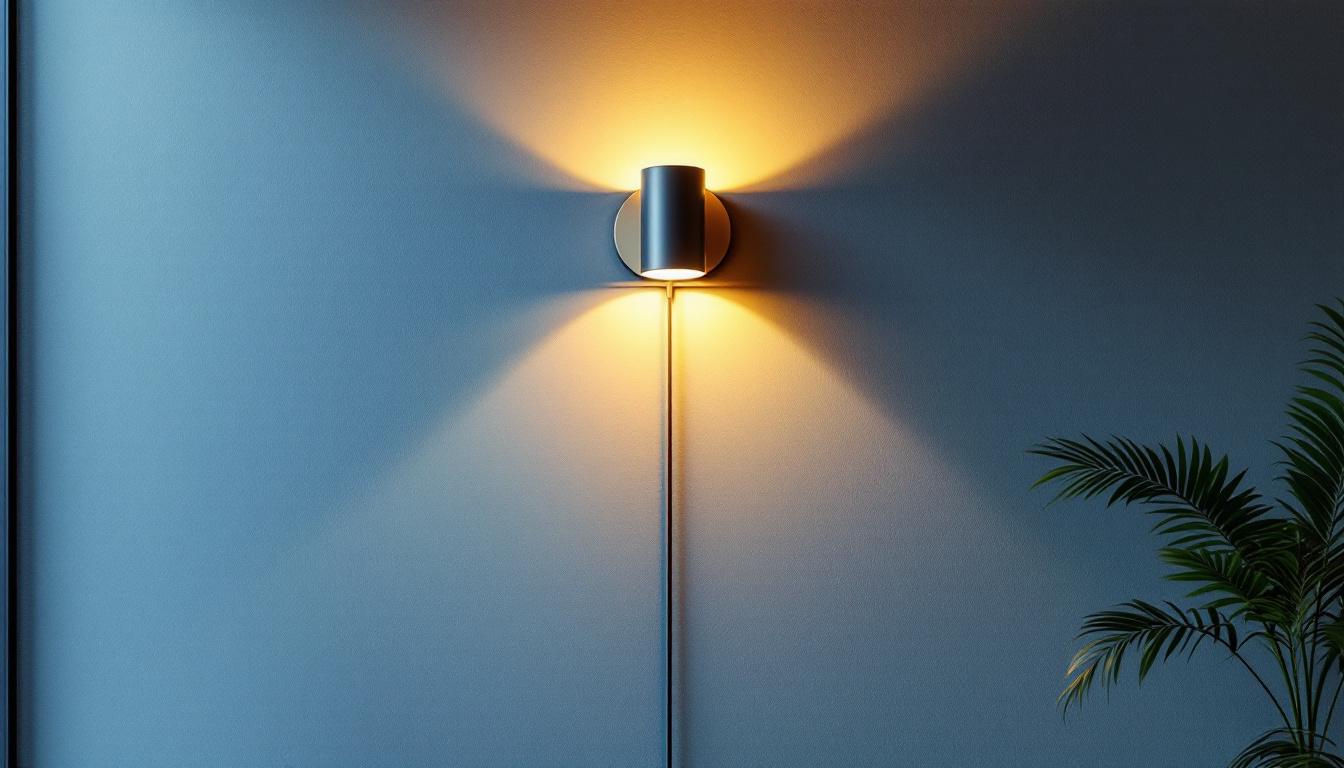
Light wall fixtures, also known as wall-mounted lights, serve both decorative and functional purposes. They can illuminate spaces while enhancing the overall aesthetic of a room. Available in a variety of styles, sizes, and finishes, these fixtures can complement any design scheme, from modern to traditional. The versatility of wall fixtures allows them to be used in various settings, from residential homes to commercial spaces, making them a popular choice for both homeowners and interior designers alike.
Wall fixtures can be categorized into several types, including sconces, picture lights, and accent lights. Each type serves a specific function, which can influence the choice of fixture for a particular project. For instance, sconces are often used to create ambient lighting, while picture lights are designed to highlight artwork or photographs. Additionally, the placement of these fixtures can dramatically alter the mood of a room, providing not just illumination but also a sense of warmth and intimacy.
Types of Light Wall Fixtures
Understanding the different types of light wall fixtures is crucial for contractors. Each type has its unique characteristics and applications:
- Sconces: These fixtures are typically mounted at eye level and can provide ambient, task, or accent lighting. They can be installed in hallways, living rooms, or bedrooms to create a warm atmosphere. Sconces come in various designs, from sleek and modern to ornate and vintage, allowing for a personalized touch in any room.
- Picture Lights: Specifically designed to illuminate artwork, picture lights are usually installed above or beside the artwork. They enhance visibility and draw attention to the displayed pieces. Picture lights can also come with adjustable arms or dimming features, allowing for flexibility in how much light is cast on the artwork, ensuring that it is showcased in the best possible way.
- Accent Lights: These fixtures are used to highlight specific features in a space, such as architectural details, plants, or decorative elements. They can be adjustable to focus light where needed. Accent lights can create dramatic effects, drawing the eye to unique features of a room, and are often used in conjunction with other lighting types to create a layered lighting scheme.
Key Features to Consider
When selecting light wall fixtures, several key features should be taken into account:
- Wattage and Lumens: Understanding the wattage and lumens output of a fixture is essential for achieving the desired brightness. Contractors should consider the intended use of the space and recommend fixtures that provide adequate illumination. For example, a cozy reading nook may benefit from softer, warmer lighting, while a home office may require brighter, more focused light.
- Design and Style: The design of the fixture should align with the overall aesthetic of the space. Whether a client prefers a contemporary, rustic, or minimalist look, there are wall fixtures available to match. The right design can not only serve a practical purpose but also act as a statement piece that enhances the decor.
- Material and Finish: The materials used in the construction of wall fixtures can affect durability and maintenance. Options range from metal and glass to wood and plastic, each offering different aesthetic qualities. Additionally, finishes such as brushed nickel, antique brass, or matte black can further influence the fixture’s compatibility with existing decor.
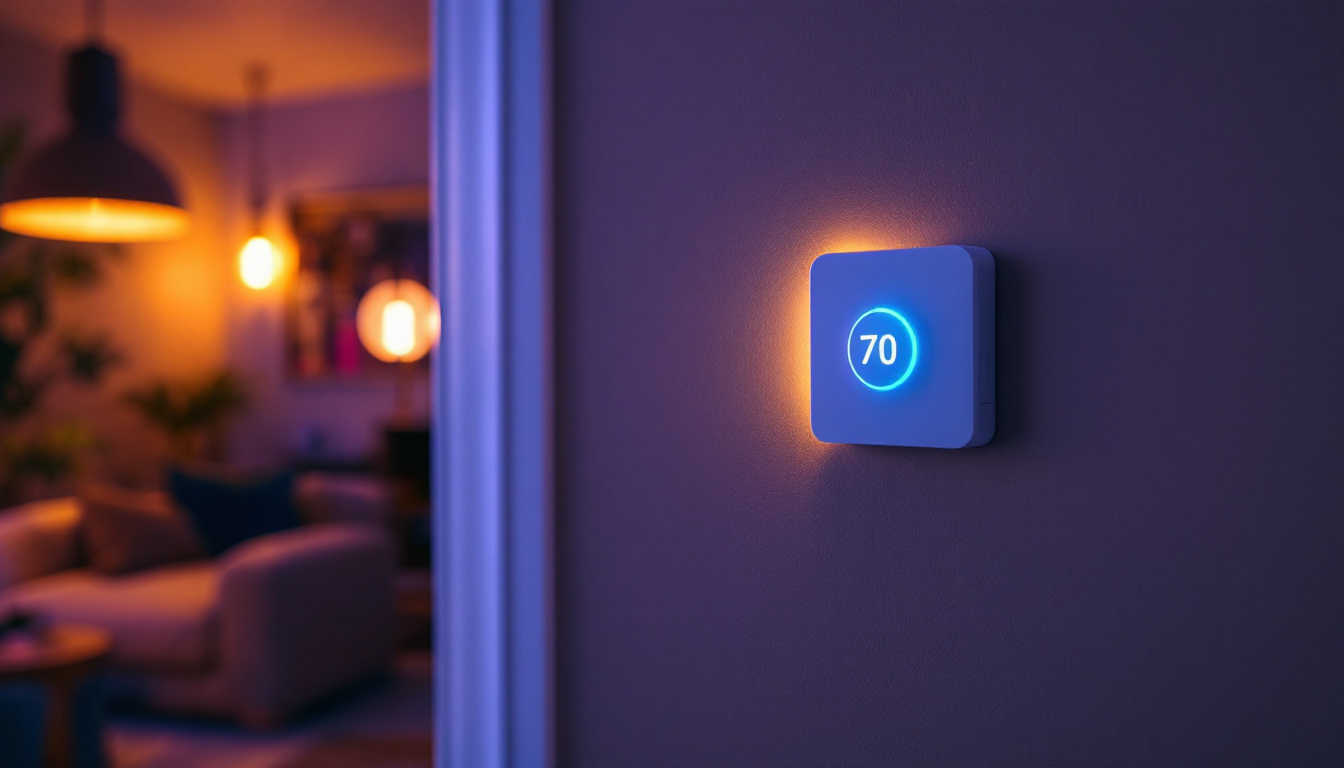
Another important consideration is the energy efficiency of the wall fixtures. With the rise of LED technology, many modern wall fixtures now offer energy-saving options that not only reduce electricity bills but also have a longer lifespan compared to traditional bulbs. This makes them an environmentally friendly choice, appealing to those who are conscious of their carbon footprint. Furthermore, the integration of smart technology into wall fixtures allows for enhanced control over lighting, enabling users to adjust brightness and color temperature through mobile apps or voice commands, adding convenience and customization to the lighting experience.
Finally, the installation process of wall fixtures can vary significantly depending on the type and design. Some fixtures may require professional installation, especially those that involve electrical work, while others can be easily mounted by homeowners. Understanding the installation requirements and ensuring that the fixtures are compatible with existing electrical systems is crucial for a successful lighting project. Proper installation not only ensures safety but also maximizes the aesthetic and functional benefits of the fixtures.
Installation Considerations
Proper installation of light wall fixtures is crucial for safety and functionality. Lighting contractors must adhere to local codes and regulations, ensuring that all installations are compliant and secure. Additionally, understanding the electrical requirements for each fixture type is essential for successful installation.
Before installation, contractors should assess the wall structure and determine the best mounting method. This may involve locating studs, using anchors, or ensuring that electrical wiring is properly routed. It is also important to consider the height and placement of the fixtures to achieve optimal lighting effects.
Tools and Equipment Needed
To ensure a smooth installation process, contractors should be equipped with the right tools and equipment. Essential tools include:
- Drill and Drill Bits: A power drill is necessary for creating holes in the wall for mounting fixtures.
- Screwdrivers: Both flathead and Phillips screwdrivers will be needed to secure fixtures and connect wiring.
- Wire Strippers: These are essential for preparing electrical wires for connections.
Safety Precautions
Safety should always be a priority during installation. Contractors should follow these precautions:
- Turn Off Power: Always turn off the power at the circuit breaker before starting any electrical work.
- Use Protective Gear: Wearing safety goggles and gloves can protect against potential hazards.
- Follow Manufacturer Instructions: Each fixture comes with specific installation instructions that should be closely followed to ensure safety and functionality.
Energy Efficiency and Sustainability
In today’s environmentally conscious market, energy efficiency is a significant consideration for lighting contractors. Light wall fixtures can significantly impact energy consumption, and selecting energy-efficient options can benefit both clients and the environment.
LED wall fixtures are becoming increasingly popular due to their low energy consumption and long lifespan. Contractors should educate clients about the advantages of LED technology, including reduced electricity bills and lower maintenance costs.
Benefits of LED Wall Fixtures
LED wall fixtures offer numerous benefits that make them an excellent choice for both residential and commercial applications:
- Longevity: LED fixtures can last up to 25,000 hours or more, significantly reducing the need for frequent replacements.
- Energy Savings: LEDs consume less energy compared to traditional incandescent or fluorescent bulbs, leading to lower utility bills.
- Variety of Styles: LED technology has advanced, allowing for a wide range of styles and designs that can fit any aesthetic.
Smart Lighting Integration
As technology continues to evolve, smart lighting solutions are becoming more prevalent. Contractors should consider recommending smart wall fixtures that can be controlled via mobile apps or smart home systems. This integration offers convenience and energy savings, allowing clients to adjust lighting levels based on their needs.
Smart wall fixtures can also enhance security, as they can be programmed to turn on and off at specific times or be controlled remotely. Educating clients about these options can set contractors apart in a competitive market.
Maintenance and Troubleshooting
Regular maintenance of light wall fixtures is essential for ensuring their longevity and performance. Contractors should provide clients with guidance on how to maintain their fixtures effectively.
Common maintenance tasks include cleaning the fixtures, checking for loose connections, and replacing bulbs when necessary. Educating clients about the importance of these tasks can help prevent issues and prolong the life of their lighting systems.
Common Issues and Solutions
Despite proper installation and maintenance, issues may still arise with light wall fixtures. Here are some common problems and their solutions:
- Flickering Lights: This can be caused by loose connections or incompatible bulbs. Checking the wiring and ensuring that the correct bulb type is used can resolve the issue.
- Burned Out Bulbs: If a bulb burns out frequently, it may be due to a faulty fixture or incorrect wattage. Replacing the fixture or adjusting the bulb type can help.
- Inconsistent Brightness: This may indicate a problem with the electrical supply or wiring. A thorough inspection of the electrical system may be necessary to identify the cause.
Conclusion
Light wall fixtures are a versatile and essential component of any lighting design project. For lighting contractors, understanding the various types, installation procedures, energy efficiency options, and maintenance requirements is crucial for delivering high-quality installations that meet client expectations.
By staying informed about the latest trends and technologies in wall fixtures, contractors can enhance their service offerings and provide clients with innovative solutions. Whether working on residential or commercial projects, a thorough understanding of light wall fixtures will empower contractors to create beautiful and functional spaces that illuminate the lives of their clients.
In an ever-evolving industry, continuous education and adaptation are key. Embracing new technologies, such as smart lighting and energy-efficient options, will not only benefit clients but also position contractors as leaders in the field. By demystifying light wall fixtures, contractors can ensure that their projects shine brightly, both literally and figuratively.
Illuminate Your Projects with LumenWholesale
Ready to elevate your lighting installations with the finest selection of wall fixtures? Look no further than LumenWholesale, where we provide contractors with the highest quality, spec-grade lighting products at prices that can’t be beaten. Our commitment to cutting out the middleman means you enjoy superior lighting solutions at wholesale rates, without the burden of inflated markups. With our expansive inventory adhering to the strictest industry standards, you’re guaranteed to find the perfect lighting for any project. Plus, with the convenience of free shipping on bulk orders, LumenWholesale ensures you receive premium lighting at the best value — straightforward and free of hidden costs. Don’t compromise on quality or price; choose LumenWholesale for a seamless blend of excellence and affordability. Wholesale Lighting at the Best Value is just a click away.