Understanding the Evolution of T8 LED Bulbs
The lighting industry has witnessed a significant transformation with the advent of LED technology, and T8 LED bulbs have emerged as a leading choice for commercial and industrial lighting applications. Originally, T8 bulbs referred to fluorescent tubes measuring one inch in diameter, widely used for their efficiency and brightness. However, traditional fluorescent tubes have several drawbacks, including higher energy consumption, shorter lifespan, and environmental concerns due to mercury content.
LED technology has revolutionized this segment by offering T8 LED bulbs that replicate the familiar form factor but deliver superior performance. These bulbs consume considerably less energy—up to 50-60% less than their fluorescent counterparts—while providing better light quality and longer operational life. For lighting contractors, understanding these advancements is crucial when recommending solutions to clients aiming for energy efficiency and sustainability.
Moreover, LED T8 bulbs are compatible with a variety of fixtures and ballast types, though the installation method can vary depending on whether the fixture is designed for fluorescent or LED technology. This evolution underscores the importance of staying current with product specifications and installation protocols to ensure optimal performance and client satisfaction.
In addition to energy savings, T8 LED bulbs also offer enhanced versatility in terms of color temperature and dimming capabilities. Unlike traditional fluorescent tubes, which typically emit a harsh, cold light, LED T8s are available in a range of color temperatures, from warm white to cool daylight, allowing businesses to create the desired ambiance for their spaces. This flexibility is particularly beneficial in environments such as retail stores, where lighting can significantly influence customer experience and purchasing behavior. Furthermore, many LED T8 bulbs are now designed with dimming features, enabling users to adjust brightness levels according to specific needs, thereby enhancing both energy savings and comfort.
Another critical aspect of the transition to T8 LED technology is the reduction in maintenance costs. Traditional fluorescent bulbs often require frequent replacements due to their shorter lifespan, leading to increased labor and disposal costs. In contrast, T8 LED bulbs can last up to 50,000 hours or more, significantly reducing the frequency of replacements and the associated costs. This longevity not only benefits the bottom line for businesses but also contributes to a more sustainable approach to lighting, as fewer bulbs mean less waste and lower environmental impact. As such, the shift towards T8 LED technology represents not just an upgrade in lighting quality, but a comprehensive move towards more responsible and cost-effective energy solutions in various sectors.
Key Features and Benefits of 4-Foot T8 LED Bulbs
Energy Efficiency and Cost Savings
One of the primary reasons contractors recommend 4-foot T8 LED bulbs is their remarkable energy efficiency. These bulbs typically consume between 12 to 18 watts compared to 32 to 40 watts for traditional fluorescent tubes. This reduction translates to significant cost savings on electricity bills, especially in large-scale installations such as office buildings, warehouses, and schools.
Lighting contractors often highlight the return on investment (ROI) when switching to LED T8 bulbs. In many cases, the energy savings alone can offset the initial cost of installation within a couple of years. Additionally, some regions offer rebates and incentives for upgrading to energy-efficient lighting, further enhancing the financial benefits. The environmental impact is also noteworthy; by consuming less energy, these bulbs help reduce greenhouse gas emissions, making them a more sustainable choice for eco-conscious businesses.
Longevity and Reduced Maintenance
Another compelling advantage of 4-foot T8 LED bulbs is their extended lifespan. While fluorescent tubes generally last around 15,000 hours, LED T8 bulbs can operate for 50,000 hours or more. This longevity reduces the frequency of replacements, lowering maintenance costs and minimizing disruptions in commercial environments.
For lighting contractors managing large facilities, this means fewer service calls and less labor involved in bulb replacement. The durability of LED bulbs also means they are less prone to breakage during handling and installation, contributing to overall project efficiency. Furthermore, the consistent performance of LED lighting over time means that businesses can maintain a steady level of illumination, which is crucial for productivity and safety in workplaces. This reliability is particularly beneficial in environments where lighting quality is paramount, such as hospitals and laboratories, where precise visibility is essential for operations.
Installation Considerations and Best Practices
Compatibility with Existing Fixtures
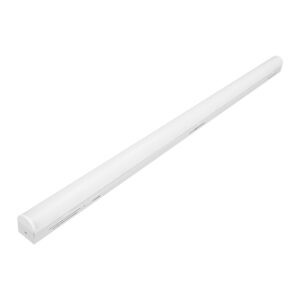
When retrofitting existing lighting systems, contractors must assess the compatibility of 4-foot T8 LED bulbs with current fixtures. There are generally three types of LED T8 installations: direct replacement (plug-and-play), ballast bypass (direct wire), and hybrid options.
Plug-and-play bulbs are designed to work with existing fluorescent ballasts, simplifying installation but potentially limiting energy savings if the ballast remains in use. Ballast bypass installations involve removing or bypassing the fluorescent ballast and wiring the fixture directly to the line voltage, maximizing energy efficiency and reducing maintenance points. However, this method requires more electrical work and must comply with local electrical codes. Additionally, contractors should consider the age and condition of existing fixtures, as older models may not be compatible with newer LED technologies, leading to further complications during installation.
Ensuring Proper Light Distribution and Color Quality
Lighting contractors emphasize the importance of selecting LED T8 bulbs with appropriate color temperature and color rendering index (CRI) to suit the application. For office environments, bulbs with a color temperature between 3500K and 4100K provide a neutral white light that enhances productivity without causing eye strain. Warehouses and industrial spaces may benefit from cooler temperatures around 5000K for better visibility.
CRI values above 80 are generally recommended for accurate color representation, which is critical in retail and healthcare settings. Proper light distribution is also essential; LED T8 bulbs often feature diffusers or specific lens designs to minimize glare and shadows, improving overall lighting quality. Furthermore, the layout of the lighting fixtures should be carefully planned to ensure uniform light coverage across the space. In environments such as art galleries or design studios, where color accuracy is paramount, the choice of LED T8 bulbs with high CRI can significantly impact the visual experience, allowing colors to appear true to life and enhancing the overall aesthetic appeal of the space.
Challenges and Solutions in Implementing 4-Foot T8 LED Bulbs
Addressing Flicker and Dimming Compatibility
One challenge lighting contractors encounter is flickering, which can result from incompatible ballasts or poor-quality LED bulbs. Flicker not only causes discomfort but may also lead to headaches and reduced productivity in workplaces. To mitigate this, contractors recommend selecting LED T8 bulbs from reputable manufacturers with proven ballast compatibility or opting for ballast bypass installations. Furthermore, it is essential to conduct thorough testing of the lighting system post-installation to identify any flicker issues early on. This proactive approach allows for adjustments to be made before the client experiences any discomfort.
Dimming functionality is another consideration. Not all LED T8 bulbs are dimmable, and those that are require compatible dimmers. Contractors must verify the specifications and test dimming performance to ensure smooth operation without flicker or noise. In addition, educating clients about the benefits of using high-quality dimmers can enhance their overall experience. Some advanced dimming systems offer features like soft-start technology, which gradually increases brightness, further minimizing the potential for flicker and extending the lifespan of the bulbs.
Managing Initial Investment and Client Expectations
Despite the long-term savings, the upfront cost of LED T8 bulbs and installation can be a barrier for some clients. Lighting contractors play a vital role in educating clients about the total cost of ownership, including energy savings, maintenance reduction, and potential incentives. Providing detailed cost-benefit analyses and case studies can help clients make informed decisions. Additionally, highlighting the environmental benefits of switching to LED technology can resonate with eco-conscious clients, making the investment more appealing. By illustrating how LED lighting contributes to lower carbon footprints, contractors can align the project with the client’s values.
Additionally, contractors should set realistic expectations regarding light quality and installation timelines. Proper planning and communication can prevent misunderstandings and ensure a successful lighting upgrade. It’s also beneficial to discuss the potential for future scalability, as many clients may be interested in expanding their lighting systems down the line. By showcasing how LED T8 bulbs can integrate with smart lighting systems or other energy-efficient technologies, contractors can position themselves as forward-thinking partners in their clients’ lighting journeys. This approach not only builds trust but also fosters long-term relationships that can lead to repeat business and referrals.
Future Trends and Innovations in T8 LED Lighting
The lighting industry continues to evolve, and T8 LED technology is no exception. Emerging trends include smart lighting systems that integrate with building automation for enhanced control and energy management. These systems allow for scheduling, occupancy sensing, and daylight harvesting, further optimizing energy use.
Advancements in LED chip technology and phosphor materials are improving light quality and efficiency, enabling even slimmer and more versatile T8 LED designs. Additionally, sustainability considerations are driving the development of fully recyclable components and reduced environmental impact manufacturing processes.
For lighting contractors, staying informed about these innovations is essential to providing cutting-edge solutions that meet the evolving needs of clients and regulatory requirements.
Conclusion: Maximizing Value with 4-Foot T8 LED Bulbs
4-foot T8 LED bulbs represent a mature and highly effective lighting solution for a wide range of commercial and industrial applications. Their energy efficiency, longevity, and improved light quality make them a preferred choice among expert lighting contractors. By understanding the nuances of installation, compatibility, and client needs, contractors can deliver lighting upgrades that provide substantial cost savings and enhanced user experience.
As the lighting landscape advances, embracing innovations and maintaining a client-focused approach will ensure that lighting contractors continue to lead in delivering sustainable, high-performance lighting solutions.
Illuminate Your Projects with LumenWholesale
Ready to elevate your lighting projects with the efficiency and longevity of 4-foot T8 LED bulbs? At LumenWholesale, we specialize in providing lighting contractors with the highest quality, spec-grade lighting solutions at unbeatable wholesale prices. Say goodbye to local distributor markups and hello to our extensive selection that meets rigorous industry standards. With free shipping on bulk orders, LumenWholesale is your go-to source for premium lighting without hidden fees. Don’t compromise on quality or value; explore our wholesale lighting options today and bring unparalleled performance to your next project.