Understanding Low Profile LED Can Lights: What Lighting Contractors Need to Know
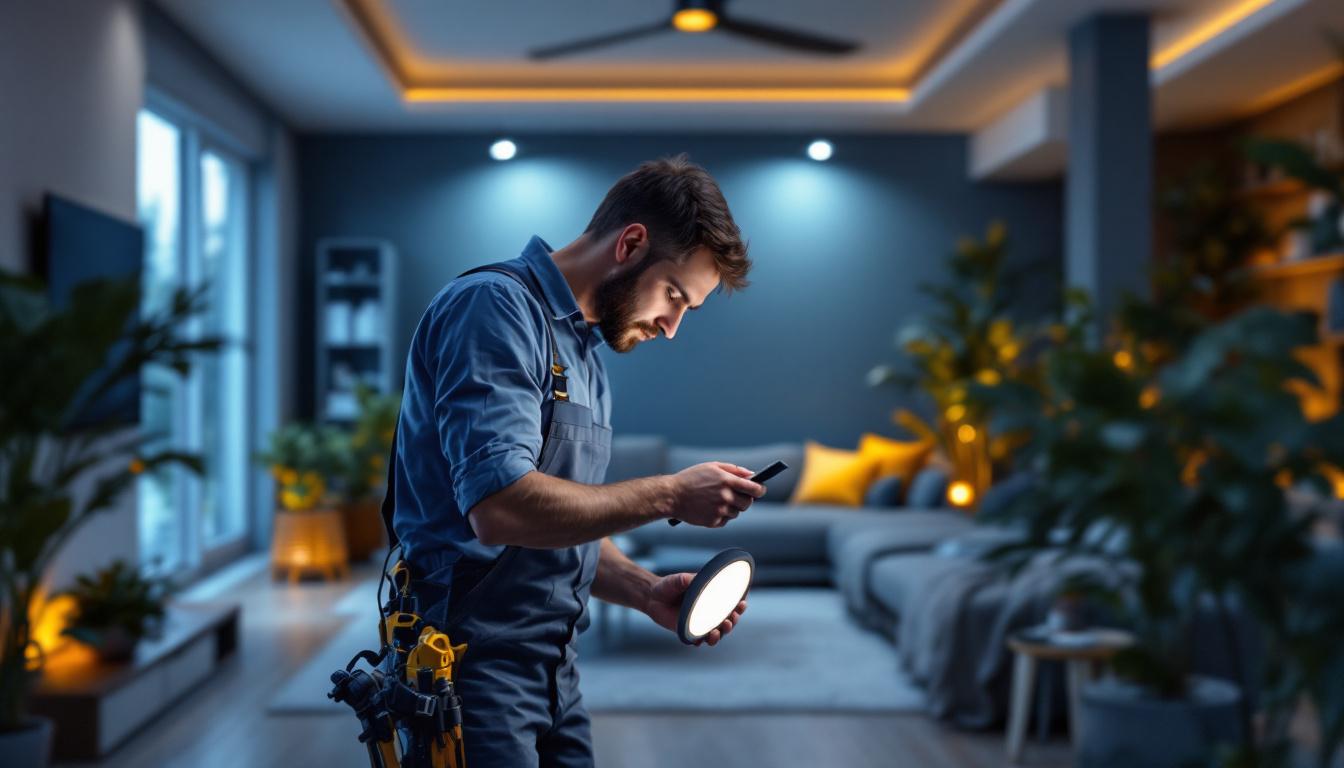
Low profile LED can lights have become a staple in modern lighting design, prized for their sleek appearance and energy efficiency. For lighting contractors, mastering the nuances of these fixtures is essential to deliver installations that meet both aesthetic and functional demands. Unlike traditional recessed lighting, low profile LED cans are designed to sit closer to the ceiling surface, offering a streamlined look that complements contemporary interiors.
These fixtures are particularly popular in residential and commercial projects where ceiling space is limited or where a minimalist design is desired. Their compact size and integrated LED technology reduce heat output and energy consumption, which aligns with growing client expectations for sustainability and cost savings. However, the very features that make low profile LED can lights attractive also introduce unique challenges during installation.
Contractors must be aware of the specific requirements related to housing dimensions, ceiling types, and electrical compatibility. Failing to consider these factors can lead to poor performance, increased callbacks, or even safety hazards. This guide aims to highlight common pitfalls and provide actionable advice to help lighting professionals avoid costly mistakes.
In addition to the technical specifications, understanding the various styles and finishes available for low profile LED can lights can greatly enhance a contractor’s ability to meet client preferences. From matte white to brushed nickel, the finish of these fixtures can significantly impact the overall aesthetic of a space. Furthermore, many manufacturers now offer customizable options, allowing contractors to select color temperatures that can create different moods in a room—from warm, inviting tones to cooler, more energizing light. This versatility not only caters to individual tastes but also enables contractors to create tailored lighting solutions that enhance the functionality of each space.
Moreover, the integration of smart technology into low profile LED can lights is another trend that lighting contractors should be aware of. Many of these fixtures now come with built-in smart features that allow for remote control, dimming capabilities, and even color changing options through smartphone apps or voice-activated systems. This advancement not only adds convenience for the end-user but also positions contractors as forward-thinking professionals who can offer cutting-edge solutions. As the demand for smart home technology continues to rise, being knowledgeable about these features will set contractors apart in a competitive market.
Common Mistakes in Selecting Low Profile LED Can Lights
Ignoring Ceiling Type and Clearance Requirements
One of the most frequent errors contractors make is neglecting to verify the ceiling type and available clearance before selecting low profile LED can lights. These fixtures are designed for shallow ceiling cavities, but not all models fit every ceiling construction. For example, installing a low profile can light in a ceiling with thick insulation or structural obstructions without confirming clearance can result in overheating or improper fit.
Understanding the ceiling assembly—whether drywall, drop ceiling, or plaster—is critical. Additionally, contractors should measure the plenum space to ensure the housing will fit without compromising airflow or violating building codes. Many low profile LED cans come with specific insulation contact (IC) ratings; using a non-IC rated fixture in an insulated ceiling can cause fire hazards.
Overlooking Lumens and Color Temperature Requirements
Another common oversight is selecting fixtures solely based on size and profile without considering the lighting output and color temperature. Lumens indicate brightness, and choosing a low lumen fixture for a large space can lead to inadequate illumination, while excessively bright lights might cause glare or discomfort.
Color temperature, measured in Kelvins (K), influences the ambiance of a room. Warm white (2700K–3000K) is often preferred in residential settings for a cozy feel, whereas cooler temperatures (3500K–5000K) suit commercial or task-oriented environments. Lighting contractors should consult with clients or designers to match the lighting characteristics to the intended use of the space.
Failing to Verify Dimming Compatibility
Dimming capability is a critical feature for many lighting projects, yet it is frequently overlooked during fixture selection. Not all low profile LED can lights are compatible with every dimmer switch, which can result in flickering, buzzing, or reduced dimming range. This can frustrate clients and lead to unnecessary service calls.
Contractors should verify the dimmer compatibility listed by the manufacturer and, when possible, test the combination before installation. Using LED-specific dimmers and ensuring firmware updates for smart lighting systems can mitigate these issues. Clear communication with clients about dimming expectations is also essential.
Installation Pitfalls and How to Avoid Them
Improper Housing Placement and Alignment
Correct placement and alignment of low profile LED can lights are crucial for both aesthetics and performance. A common mistake is installing housings too close to ceiling joists or other obstructions, which can distort the light distribution or cause shadowing. Additionally, uneven mounting can result in fixtures that protrude unevenly, detracting from the clean, low-profile look.
Using laser levels and precise measuring tools helps ensure consistent spacing and alignment. Contractors should also consider the beam angle of the fixture to avoid hotspots or dark zones, particularly in rooms requiring uniform illumination.
Neglecting Proper Wiring and Electrical Connections
Electrical issues are a leading cause of lighting failures and safety concerns. Contractors sometimes rush through wiring connections or use incompatible connectors, which can lead to loose connections, arcing, or premature fixture failure. Low profile LED can lights often come with integrated drivers, requiring careful attention to wiring polarity and voltage requirements.
Following manufacturer guidelines for wiring, using appropriate wire nuts or connectors, and securing all connections within junction boxes are best practices. Additionally, verifying circuit loads and ensuring proper grounding are essential steps to prevent electrical hazards.
Overlooking Thermal Management and Ventilation
Despite their energy efficiency, LED fixtures generate heat that must be dissipated to maintain longevity and performance. Low profile designs can restrict airflow around the fixture, increasing the risk of overheating if not properly managed. Contractors sometimes fail to account for this, especially in tightly enclosed ceiling spaces.
Ensuring that fixtures have adequate clearance for heat dissipation and are installed in accordance with IC ratings helps mitigate this risk. Using fixtures with built-in thermal protection or heat sinks can further enhance safety and durability.
Best Practices for Specifying and Installing Low Profile LED Can Lights
Conducting a Thorough Site Assessment
Before selecting fixtures, a comprehensive site assessment is indispensable. This includes measuring ceiling depths, identifying obstructions, and evaluating insulation types. Understanding the existing electrical infrastructure and client lighting goals informs the choice of fixture models and installation methods.
Documenting these findings and discussing them with clients or design teams reduces the likelihood of surprises during installation and ensures that the final lighting design aligns with expectations.
Choosing Quality Fixtures from Reputable Manufacturers
Investing in high-quality low profile LED can lights pays dividends in reliability and customer satisfaction. Reputable manufacturers provide detailed specifications, warranty coverage, and technical support that can assist contractors throughout the project lifecycle. Cheaper, unbranded fixtures may save money upfront but often lead to higher failure rates and increased maintenance costs.
Contractors should evaluate fixture certifications such as UL listing, Energy Star rating, and compliance with local building codes. These indicators reflect rigorous testing and adherence to safety standards.
Implementing Proper Installation Techniques
Adhering to manufacturer installation instructions is paramount. This includes using the recommended mounting brackets, ensuring secure fixture attachment, and maintaining recommended clearances from insulation and other materials. Employing tools like voltage testers, insulation resistance meters, and laser levels enhances precision and safety.
Additionally, documenting the installation process with photos and notes can be valuable for future maintenance and warranty claims.
Providing Client Education and Maintenance Guidance
Lighting contractors often overlook the importance of educating clients on the operation and maintenance of low profile LED can lights. Informing clients about dimmer compatibility, cleaning procedures, and signs of fixture wear helps extend the lifespan of the lighting system and reduces service calls.
Offering maintenance contracts or follow-up inspections can also strengthen client relationships and position contractors as trusted experts.
Case Studies: Lessons Learned from Real-World Installations
Residential Retrofit with Limited Ceiling Clearance
A contractor was tasked with retrofitting a historic home’s recessed lighting using low profile LED can lights. The initial fixtures selected were not IC rated, and the ceiling had dense blown-in insulation. This oversight led to overheating and premature fixture failure. After reassessing, the contractor replaced the fixtures with IC-rated models designed for insulation contact and improved ventilation, resulting in a safe, efficient lighting system that met the client’s aesthetic goals.
Commercial Office Lighting with Dimming Challenges
In a commercial office project, the contractor installed low profile LED can lights but did not verify dimmer compatibility. The client experienced flickering and inconsistent dimming levels, causing dissatisfaction. The contractor collaborated with the manufacturer to identify compatible dimmers and replaced the switches, restoring proper function and client confidence.
New Construction with Uneven Fixture Alignment
During a new construction project, a contractor installed low profile LED can lights without using leveling tools, resulting in uneven fixture heights and misaligned light patterns. The contractor had to revisit the site to adjust the housings, incurring additional labor costs and delaying project completion. This highlighted the importance of precision during installation.
Conclusion: Elevating Your Low Profile LED Can Light Installations
Low profile LED can lights offer lighting contractors an opportunity to deliver modern, energy-efficient solutions that satisfy client demands for style and performance. However, success hinges on careful product selection, meticulous installation, and proactive client communication. Avoiding common mistakes such as neglecting ceiling clearance, ignoring dimmer compatibility, and overlooking thermal management can prevent costly errors and enhance project outcomes.
By adopting best practices and learning from real-world experiences, lighting contractors can position themselves as trusted professionals capable of executing sophisticated lighting designs with confidence and precision. The evolving landscape of LED technology demands continuous education and attention to detail—qualities that ultimately drive excellence in every lighting installation.
Get Your Premium Low Profile LED Can Lights at LumenWholesale
Ready to elevate your lighting installations with the sleek design and energy efficiency of low profile LED can lights? Look no further than LumenWholesale for all your lighting needs. We provide contractors with high-quality, spec-grade lighting products at unbeatable wholesale prices, ensuring you get the best value for your projects. Our extensive selection is designed to meet the highest industry standards, so you can install with confidence. Plus, with free shipping on bulk orders, you can stock up on superior lighting without worrying about hidden fees or compromises. Don’t let inflated markups dim your project’s potential. Choose LumenWholesale for the perfect blend of quality, affordability, and convenience. Wholesale Lighting at the Best Value.