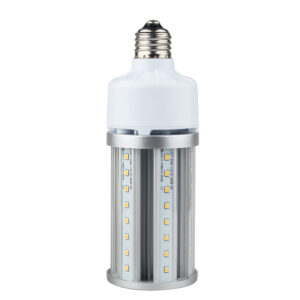
Introduction to Solar Security Flood Lights in Modern Lighting Projects
As the demand for sustainable and energy-efficient lighting solutions grows, solar security flood lights have emerged as a transformative option for lighting contractors. These devices harness solar energy to provide powerful illumination, enhancing security while reducing operational costs and environmental impact. For contractors, integrating solar flood lights into projects not only aligns with green building standards but also opens new avenues for innovation and client satisfaction.
Understanding the nuances of solar security flood lights is essential for lighting professionals aiming to stay competitive and deliver cutting-edge solutions. This article explores the multifaceted impact of solar security flood lights on lighting contractors’ projects, covering technical advantages, installation considerations, economic benefits, and evolving market trends.
One of the most significant technical advantages of solar security flood lights is their ability to operate independently of the electrical grid. This feature is particularly beneficial in remote or off-grid locations where traditional power sources are either unavailable or prohibitively expensive to install. With advancements in solar panel technology and battery storage systems, these lights can now provide reliable illumination even during extended periods of cloudy weather or at night, ensuring that security is maintained around the clock. Additionally, many models come equipped with motion sensors and adjustable brightness settings, allowing for enhanced energy efficiency and tailored lighting solutions that meet specific security needs.
From an economic perspective, the initial investment in solar security flood lights can be offset by the significant savings on electricity bills and reduced maintenance costs over time. Unlike conventional lighting systems that require ongoing electrical supply and frequent bulb replacements, solar flood lights typically have longer lifespans and require minimal upkeep. Furthermore, as governments and municipalities increasingly offer incentives for renewable energy solutions, contractors can take advantage of rebates and tax credits, making solar options even more financially appealing. This shift not only benefits contractors and their clients but also contributes to broader efforts in combating climate change and promoting sustainable urban development.
Technical Advantages of Solar Security Flood Lights
Energy Efficiency and Sustainability
Solar security flood lights operate by converting sunlight into electrical energy through photovoltaic panels, storing it in rechargeable batteries for nighttime use. This self-sustaining energy cycle eliminates the need for grid electricity, significantly reducing energy consumption and carbon footprint. For contractors, promoting energy-efficient lighting solutions resonates strongly with clients pursuing LEED certification or other sustainability benchmarks.
Moreover, the integration of LED technology in solar flood lights amplifies their efficiency. LEDs consume up to 75% less energy than traditional incandescent bulbs and have a lifespan exceeding 25,000 hours. This combination of solar power and LED lighting ensures maximum illumination with minimal environmental impact. Additionally, the use of solar flood lights can lead to substantial cost savings over time, as the absence of electricity bills and minimal maintenance requirements make them an economically viable option for both residential and commercial properties. As more individuals and businesses prioritize sustainability, the demand for solar-powered solutions continues to rise, positioning solar flood lights as a forward-thinking choice for modern lighting needs.
Advanced Sensor and Control Technologies
Modern solar security flood lights often incorporate motion sensors, dusk-to-dawn photocells, and smart controls. Motion sensors activate the light only when movement is detected, conserving battery life and enhancing security by alerting occupants to activity. Dusk-to-dawn sensors automate lighting schedules, ensuring illumination during nighttime hours without manual intervention.
Advanced models may also offer remote control via smartphone apps or integration with home automation systems, enabling contractors to provide clients with customizable and intelligent lighting solutions. These features improve user experience and add value to the overall project. Furthermore, some solar flood lights are equipped with adjustable brightness settings, allowing users to tailor the intensity of the light based on specific needs or preferences. This adaptability not only enhances security but also contributes to energy savings by allowing the user to reduce brightness during low-traffic periods. As technology continues to evolve, the potential for solar flood lights to integrate with other smart home devices opens up exciting possibilities for enhanced security and convenience, making them an increasingly attractive option for homeowners and businesses alike.
Installation and Project Management Considerations
Site Assessment and Optimal Placement
For lighting contractors, successful deployment of solar security flood lights begins with thorough site assessment. Since these lights rely on sunlight, optimal placement is critical to maximize solar panel exposure and battery charging efficiency. Contractors must evaluate shading from trees, buildings, or other obstructions and consider geographic location and seasonal sun angles. Understanding the local climate is also vital; regions with frequent cloud cover or heavy rainfall may require different strategies to ensure adequate light output throughout the year.
Proper positioning not only ensures reliable performance but also enhances the aesthetic and functional aspects of the lighting design. In some cases, contractors may need to recommend minor landscaping adjustments or reposition existing structures to optimize solar access. Additionally, conducting a detailed analysis of the area’s pedestrian and vehicular traffic patterns can help determine the most effective light placement. This proactive approach can lead to improved safety and security, as well as increased satisfaction for the end-users who benefit from enhanced visibility during nighttime hours.
Wiring and Infrastructure Simplification
One of the most compelling benefits for contractors is the simplified installation process offered by solar security flood lights. Unlike traditional wired flood lights, solar units typically require no trenching, conduit, or electrical wiring, drastically reducing labor time and material costs. This is especially advantageous in remote or hard-to-access areas where running electrical lines is impractical or expensive. Furthermore, the portability of solar lights allows for flexible installation options, enabling contractors to easily relocate fixtures as site conditions change or as lighting needs evolve.
However, contractors must ensure secure mounting and weatherproofing of both the light fixtures and solar panels. Attention to robust hardware and proper sealing prevents damage from environmental factors, extending the system’s lifespan and reducing maintenance calls. Additionally, contractors should consider integrating smart technology features, such as motion sensors or remote monitoring capabilities, which can further enhance the functionality of solar flood lights while simplifying the installation process. These advancements not only appeal to tech-savvy clients but also position contractors as forward-thinking professionals in the industry.
Battery Maintenance and Replacement Planning
While solar security flood lights are low-maintenance, their rechargeable batteries have finite lifespans, typically between 3 to 5 years depending on usage and battery type. Lighting contractors should educate clients about battery maintenance, replacement schedules, and recycling options to maintain system reliability. Providing clients with a clear understanding of the signs of battery degradation, such as dimming lights or inconsistent performance, can empower them to take proactive measures before issues arise.
Incorporating battery health checks into routine maintenance contracts can create ongoing service opportunities for contractors, fostering long-term client relationships and steady revenue streams. Additionally, offering clients options for upgrading to higher-capacity batteries or more advanced solar technology can enhance system performance and customer satisfaction. By positioning themselves as trusted advisors in solar technology, contractors can build a reputation for quality service and expertise, ultimately leading to increased referrals and business growth.
Economic Impact and Client Benefits
Cost Savings and Return on Investment
Although the upfront cost of solar security flood lights can be higher than conventional wired fixtures, the total cost of ownership often favors solar solutions. Clients benefit from zero electricity bills for outdoor lighting and reduced installation expenses due to the absence of wiring and trenching.
For commercial projects, these savings can be substantial over the system’s lifespan. Lighting contractors can leverage detailed cost-benefit analyses to demonstrate the financial advantages to clients, facilitating informed decision-making and project approval.
Incentives and Regulatory Support
Many jurisdictions offer incentives such as tax credits, rebates, or grants for installing solar-powered lighting systems. Staying informed about local and national programs enables lighting contractors to guide clients toward maximizing financial benefits and complying with evolving energy codes.
Additionally, some building codes and security standards now recognize or encourage the use of solar lighting, which can simplify permitting processes and enhance project viability.
Market Trends and Future Outlook for Lighting Contractors
Rising Demand for Green Building Solutions
The construction and renovation sectors are increasingly prioritizing sustainability, driven by regulatory pressures and consumer preferences. Solar security flood lights fit squarely within this trend, offering contractors a competitive edge by expanding their portfolio of eco-friendly products.
Lighting contractors who invest in training and partnerships with solar technology manufacturers position themselves as leaders in green lighting, attracting environmentally conscious clients and larger-scale projects.
Technological Innovations and Integration
Ongoing advancements in solar panel efficiency, battery technology, and smart controls are continuously enhancing the performance and appeal of solar security flood lights. Emerging features such as AI-powered motion detection, adaptive lighting based on environmental conditions, and integration with security systems will further expand their functionality.
Contractors who stay abreast of these innovations can offer cutting-edge solutions that meet evolving client needs and regulatory requirements, ensuring long-term relevance and growth.
Challenges and Considerations
Despite their advantages, solar security flood lights are not without challenges. Weather variability, battery degradation, and initial investment costs require careful management. Lighting contractors must set realistic expectations with clients, emphasizing proper installation, maintenance, and system design tailored to specific site conditions.
Addressing these challenges proactively through education, quality products, and comprehensive service packages will enhance client satisfaction and project success.
Conclusion: Embracing Solar Security Flood Lights for Enhanced Project Outcomes
Solar security flood lights represent a significant opportunity for lighting contractors to innovate, reduce environmental impact, and deliver superior value to clients. Their energy efficiency, ease of installation, and alignment with sustainability goals make them an attractive choice across residential, commercial, and industrial applications.
By understanding the technical, economic, and market dynamics surrounding solar flood lighting, contractors can effectively integrate these systems into their projects, differentiate their services, and contribute to a greener built environment. As the technology continues to evolve, those who embrace solar security flood lights will be well-positioned to lead in the future of lighting solutions.
Illuminate Your Projects with LumenWholesale
Ready to elevate your lighting projects with the most efficient solar security flood lights on the market? At LumenWholesale, we offer contractors the advantage of spec-grade lighting products at unmatched wholesale prices. Our commitment to quality and affordability ensures that you can deliver sustainable and cost-effective lighting solutions to your clients. With our extensive selection and the convenience of free shipping on bulk orders, you’re guaranteed to find the perfect lighting options to make your projects shine. Don’t settle for less — choose LumenWholesale for the best value in wholesale lighting. Explore our products now and lead the way in innovative lighting solutions.