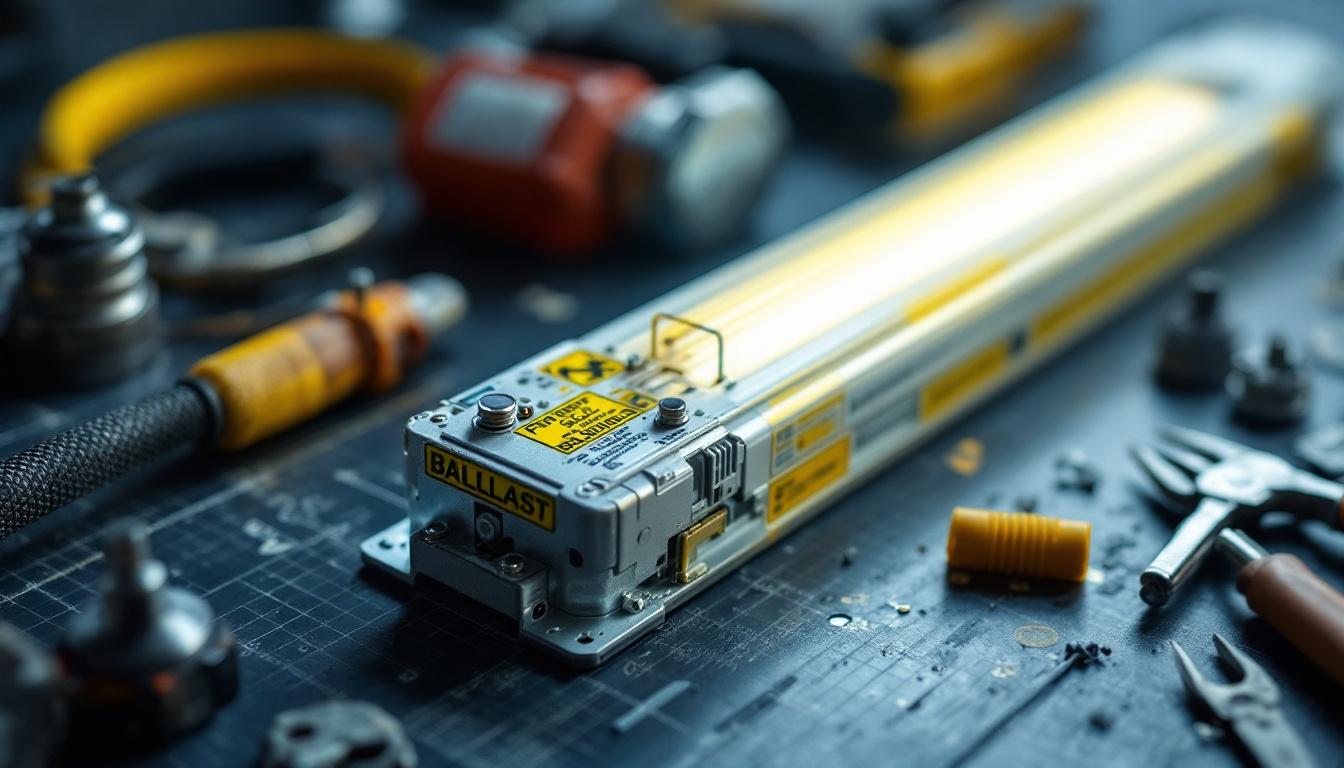
As a lighting contractor, understanding the intricacies of lighting systems is crucial for ensuring optimal performance and longevity. One of the key components in many lighting setups is the ballast, which plays a vital role in regulating the current to the lamps. However, ballasts can fail, leading to a range of issues from flickering lights to complete system failure. This guide aims to provide an in-depth understanding of how to identify a failing ballast, ensuring that contractors can effectively diagnose and address these issues.
Understanding the Role of a Ballast
A ballast is an electrical device that provides the necessary voltage to start a lamp and regulates the current during operation. In fluorescent and HID (High-Intensity Discharge) lighting systems, the ballast is essential for maintaining the proper functioning of the lamp. Without a functioning ballast, the lamp may not light at all, or it may flicker, dim, or exhibit other erratic behaviors. The importance of the ballast cannot be overstated, as it not only ensures that the lamp operates efficiently but also extends the lifespan of the lighting system by preventing electrical surges that can cause damage.
There are two main types of ballasts: magnetic and electronic. Magnetic ballasts are older technology and are typically heavier and bulkier, while electronic ballasts are more efficient and lightweight. Understanding the type of ballast in use is crucial for troubleshooting and replacement. Magnetic ballasts operate using inductance to regulate the current, which can lead to energy loss in the form of heat. In contrast, electronic ballasts utilize electronic circuitry to provide a more stable current and can even offer features like dimming capabilities, making them a preferred choice for modern lighting applications.
Common Symptoms of a Bad Ballast
Identifying a failing ballast often starts with observing the symptoms it presents. Common indicators include:
- Flickering Lights: If the lights flicker or strobe, it may indicate a failing ballast.
- Dimming or Uneven Lighting: A ballast that is struggling may cause lights to dim or not reach full brightness.
- Unusual Noises: Humming or buzzing sounds coming from the ballast are often signs of failure.
- Burning Smell or Discoloration: A burnt smell or discoloration around the ballast could indicate overheating or electrical failure.
In addition to these symptoms, it’s worth noting that a bad ballast can also lead to increased energy consumption, as the system may draw more power in an attempt to compensate for the irregularities. This not only affects your electricity bill but can also contribute to a larger environmental footprint. Regular maintenance and timely replacement of ballasts can help mitigate these issues and ensure that your lighting systems remain efficient and effective.
Testing the Ballast
Once symptoms are identified, testing the ballast becomes the next logical step. This can be done using a multimeter to check for continuity and voltage. Here’s a simplified process:
- Turn off the power to the fixture to ensure safety.
- Remove the ballast cover to access the wiring.
- Use a multimeter to check for voltage at the input terminals of the ballast.
- If voltage is present but the lights do not function, further testing is required.
In addition to using a multimeter, some advanced troubleshooting may involve checking the connections and wiring leading to and from the ballast. Loose or corroded connections can mimic the symptoms of a bad ballast, leading to unnecessary replacements. Furthermore, if you find that the ballast is indeed faulty, consider the specifications of the replacement unit carefully. Different lamps require specific types of ballasts, and using the wrong one can lead to further issues down the line. Always consult the manufacturer’s guidelines or seek professional assistance if you’re unsure about the appropriate ballast for your lighting system.
How to Diagnose a Bad Ballast
Diagnosing a bad ballast involves a systematic approach. By following a series of steps, lighting contractors can pinpoint the issue effectively.
Visual Inspection
The first step in diagnosis is a thorough visual inspection. Look for any signs of physical damage to the ballast, such as:
- Cracks or breaks in the casing.
- Burn marks or discoloration.
- Loose or corroded wiring connections.
Additionally, check the surrounding components. Sometimes, issues with the lamp or fixture itself can mimic ballast failure. Inspect the lamps for signs of wear or damage, and ensure that all connections are secure. Pay attention to the condition of the fixture; rust or corrosion can indicate moisture issues that may affect the ballast’s performance. A well-maintained fixture not only extends the life of the ballast but also ensures optimal light output and energy efficiency.
Electrical Testing
After the visual inspection, electrical testing is necessary. Using a multimeter, check the following:
- Input Voltage: Ensure that the ballast is receiving the correct voltage from the power source.
- Output Voltage: Measure the output voltage to the lamp. If the output is significantly lower than expected, the ballast may be faulty.
- Continuity: Check for continuity through the ballast. A lack of continuity indicates a break in the circuit.
It’s also important to consider the overall electrical system in which the ballast operates. Voltage fluctuations or surges can lead to premature ballast failure, so assessing the stability of the electrical supply is crucial. Additionally, using a clamp meter can provide insights into the current draw of the ballast, helping to identify any irregularities that might suggest underlying issues.
Replacement Considerations
If the ballast is determined to be faulty, replacement is often the best course of action. When replacing a ballast, consider the following:
- Type of Ballast: Ensure that the replacement ballast matches the type of lamp and fixture.
- Wattage: Verify that the wattage rating of the new ballast is compatible with the existing lamps.
- Efficiency: Consider upgrading to an electronic ballast for improved efficiency and performance.
Furthermore, it’s advisable to check for any warranty or service agreements that may cover the ballast replacement. Some manufacturers offer extended warranties on their products, which can save on costs if a failure occurs. When selecting a new ballast, researching brands and reading reviews can help ensure that you choose a reliable and durable option. Additionally, consider consulting with a lighting specialist who can provide recommendations tailored to your specific lighting needs and environment.
Preventative Maintenance for Ballasts
Preventative maintenance can significantly extend the life of ballasts and reduce the likelihood of unexpected failures. Here are some best practices for lighting contractors:
Regular Inspections
Conducting regular inspections of lighting systems can help identify potential issues before they escalate. Look for signs of wear and tear, and ensure that all components are functioning properly. Regularly check for:
- Loose connections.
- Signs of overheating.
- Physical damage to fixtures and ballasts.
In addition to the physical checks, it’s also beneficial to monitor the performance of the lighting system over time. Keeping track of any flickering lights or inconsistent brightness can provide early indicators of ballast issues. Documenting these observations can help in identifying patterns that may suggest a need for more extensive repairs or replacements in the future. Furthermore, utilizing advanced diagnostic tools can enhance the inspection process, allowing for a more thorough analysis of electrical performance and potential faults.
Cleaning and Dusting
Dust and debris can accumulate on ballasts and fixtures, leading to overheating and reduced efficiency. Schedule routine cleaning to keep all components free from dust. Use a soft brush or cloth to gently clean the surfaces, and ensure that ventilation areas are clear.
Moreover, it’s essential to consider the environment in which the lighting systems are installed. Areas with high levels of dust, such as industrial settings or construction sites, may require more frequent cleaning schedules. Implementing a cleaning protocol that includes not just the ballasts but also the surrounding areas can help maintain optimal performance. Additionally, using air filters in the vicinity can minimize dust accumulation, contributing to a cleaner and more efficient lighting system.
Upgrading to Modern Technology
As technology advances, upgrading to modern lighting solutions can enhance reliability and efficiency. Consider replacing older magnetic ballasts with electronic ballasts, which offer better performance and energy savings. Additionally, LED retrofits can eliminate the need for ballasts altogether, simplifying maintenance and improving energy efficiency.
Transitioning to smart lighting systems can further elevate the benefits of modern technology. These systems often come equipped with features such as remote monitoring and automated diagnostics, allowing contractors to receive real-time alerts about potential issues. By integrating smart technology, not only can energy consumption be optimized, but maintenance schedules can also be adjusted based on actual usage patterns, leading to even greater cost savings and enhanced operational efficiency. Embracing these advancements not only improves lighting quality but also positions contractors at the forefront of industry innovation.
Conclusion
Understanding how to identify and diagnose a bad ballast is essential for lighting contractors. By recognizing the symptoms of a failing ballast, conducting thorough inspections, and performing electrical testing, contractors can ensure that lighting systems operate efficiently and reliably. Furthermore, implementing preventative maintenance practices can help extend the life of ballasts and reduce the likelihood of future failures.
Ultimately, staying informed about the latest technologies and best practices in lighting can enhance a contractor’s ability to deliver quality service. By prioritizing both diagnosis and maintenance, lighting contractors can ensure that their clients enjoy optimal lighting performance for years to come.
Get Your Quality Ballasts from LumenWholesale
Ready to ensure your lighting projects shine with reliability and efficiency? Look no further than LumenWholesale for all your ballast needs. Our extensive selection of spec-grade lighting products guarantees you’ll find the perfect match for any system, all at unbeatable wholesale prices. Say goodbye to inflated markups and hello to hassle-free bulk buying with free shipping. Don’t compromise on quality or value; choose LumenWholesale for the best in lighting solutions. Wholesale Lighting at the Best Value is just a click away. Equip your projects with the excellence they deserve today.