Understanding the Appeal of Recessed Ceiling LED Strip Lighting
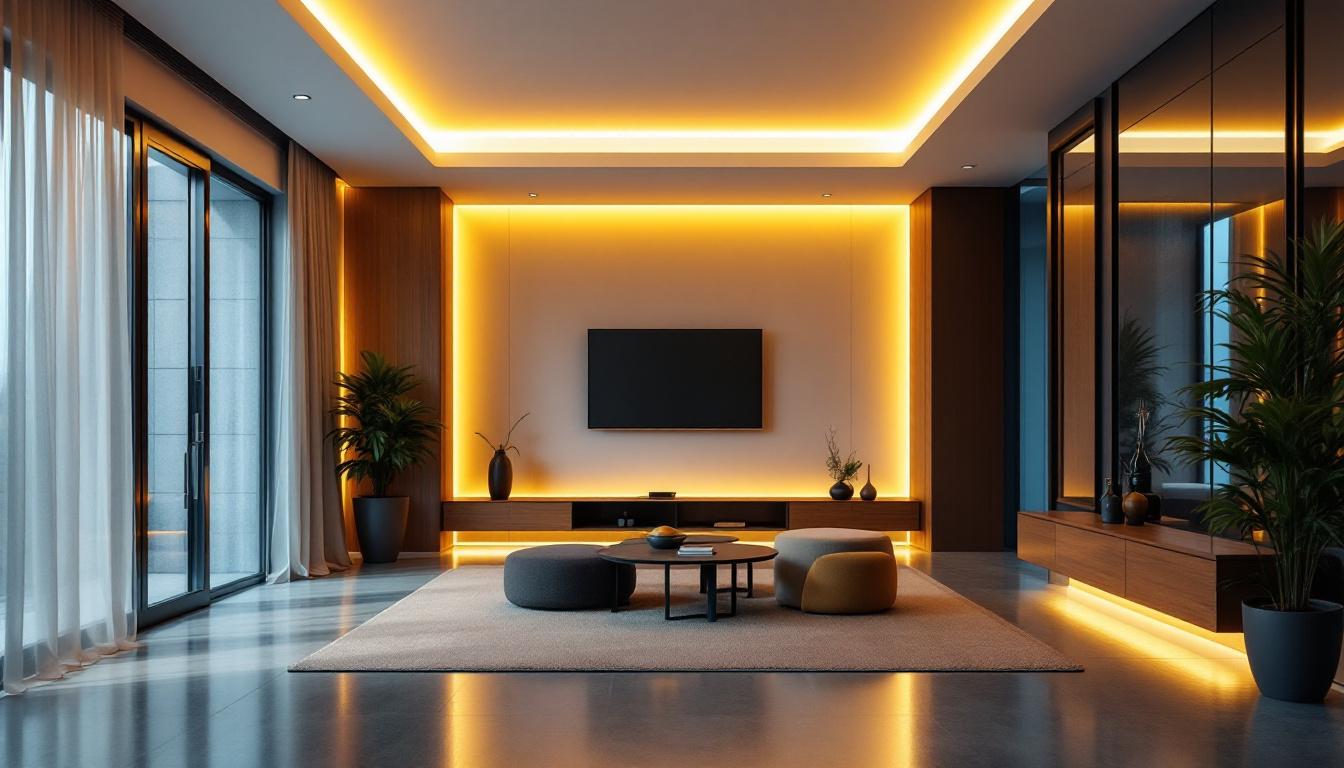
Recessed ceiling LED strip lighting has become a staple in modern lighting design, especially among professional contractors. Its sleek, unobtrusive profile combined with energy efficiency and versatility makes it an ideal solution for both residential and commercial projects. Unlike traditional fixtures, recessed LED strips integrate seamlessly into ceilings, providing ambient illumination without cluttering the visual space.
For lighting contractors, mastering the installation and design of recessed LED strips is essential. These systems not only enhance architectural features but also contribute to energy savings and improved lighting quality. The demand for such installations continues to rise as clients seek sophisticated yet functional lighting solutions.
One of the key benefits of recessed ceiling LED strip lighting is its ability to create a variety of lighting effects. By adjusting the placement and angle of the strips, designers can achieve everything from soft, diffused light that enhances a cozy atmosphere to focused beams that highlight artwork or architectural details. This flexibility allows for a tailored approach to lighting design, catering to the specific needs and preferences of each client. Furthermore, many LED strips now come with color-changing capabilities, enabling users to alter the ambiance of a space at the touch of a button, making them ideal for both everyday use and special occasions.
Additionally, the installation of recessed LED strips can significantly improve the overall aesthetics of a space. When strategically placed, these lights can create a sense of depth and dimension, making rooms feel larger and more inviting. They can also be integrated with smart home systems, allowing for automated lighting schedules and remote control via smartphones or voice-activated devices. This not only enhances convenience but also promotes energy efficiency by ensuring that lights are only on when needed. As technology continues to evolve, the integration of recessed LED strip lighting into smart homes is likely to become even more prevalent, further solidifying its place in contemporary lighting design.
Key Benefits That Drive Contractor Adoption
Energy Efficiency and Longevity
One of the primary reasons contractors favor recessed LED strip lighting is its exceptional energy efficiency. LED technology consumes significantly less power compared to incandescent or fluorescent lighting, reducing operational costs for clients. Additionally, LEDs boast a longer lifespan, often exceeding 50,000 hours, which minimizes maintenance and replacement needs.
This durability is particularly advantageous in commercial settings where lighting uptime is critical. Contractors can confidently recommend LED strips knowing they offer a reliable, long-term solution. Furthermore, the reduced energy consumption translates into lower carbon footprints, aligning with the growing trend towards sustainable building practices. Many clients are increasingly conscious of their environmental impact, and by opting for LED solutions, they can contribute to energy conservation efforts while also enjoying the financial benefits of lower utility bills.
Design Flexibility and Aesthetic Appeal
Recessed LED strips offer unparalleled design flexibility. They can be installed in various ceiling types, including drywall, plaster, and suspended ceilings. Their slim profile allows for creative lighting effects such as cove lighting, perimeter illumination, and accent lighting that highlights architectural details.
Moreover, LED strips come in a range of color temperatures and dimmable options, enabling contractors to tailor lighting schemes to client preferences. This adaptability supports both functional and mood lighting, enhancing the overall ambiance of a space. The ability to customize lighting not only meets the practical needs of a room but also elevates the aesthetic experience, making spaces feel more inviting and dynamic. For instance, in a retail environment, strategically placed LED strips can draw attention to merchandise, creating a visually engaging shopping experience that encourages customer interaction and boosts sales.
Strategic Planning for Successful Installation
Assessing Ceiling Structure and Space Constraints
Before installation, contractors must thoroughly evaluate the ceiling’s structural characteristics. Understanding the depth available for recessing the LED strips is crucial to avoid compromising ceiling integrity or aesthetics. In some cases, additional framing or drywall modifications may be necessary to accommodate the lighting system. This assessment not only ensures that the installation is feasible but also helps in planning for any potential structural reinforcements that might be required to support the weight and electrical components of the LED system.
Contractors should also consider the location of electrical wiring and other utilities to prevent conflicts during installation. Detailed site surveys and measurements ensure that the LED strips fit perfectly and function optimally. Furthermore, it is advisable to document any existing ceiling features, such as beams or ductwork, that could influence the placement of the LED strips. This proactive approach can save time and reduce costs by identifying potential issues before they arise, allowing for a smoother installation process.
Choosing the Right LED Strip Specifications
Not all LED strips are created equal. Contractors must select strips based on brightness (measured in lumens), color temperature, IP rating for moisture resistance, and compatibility with dimming controls. For recessed ceiling applications, strips with high lumen output and uniform light distribution are preferred to avoid hotspots and shadows. The choice of color temperature is particularly significant, as it can dramatically affect the mood and functionality of a space; warmer tones are often favored in residential settings, while cooler tones may be more suitable for commercial environments.
Additionally, opting for LED strips with high color rendering index (CRI) values enhances the natural appearance of illuminated spaces, which is particularly important in retail and hospitality environments. A higher CRI means that colors appear more vibrant and true to life, which can significantly impact customer experience and satisfaction. Moreover, contractors should also consider the longevity and energy efficiency of the LED strips, as these factors contribute not only to the overall cost-effectiveness of the installation but also to the sustainability of the lighting solution in the long term. Selecting products with warranties and proven performance records can further ensure a successful outcome.
Installation Best Practices for Lighting Contractors
Ensuring Proper Heat Dissipation
Heat management is a critical consideration. Although LEDs generate less heat than traditional bulbs, recessed installations can trap heat if not properly ventilated, potentially shortening the lifespan of the strips. Contractors should use aluminum channels or heat sinks designed for LED strips to facilitate heat dissipation.
Proper thermal management not only prolongs the life of the LEDs but also maintains consistent light output and prevents color shifting over time.
Wiring and Power Supply Considerations
Reliable wiring and power supply setup are essential for safety and performance. Contractors should use power supplies that match the voltage and wattage requirements of the LED strips, ensuring stable operation. Incorporating surge protection and adhering to local electrical codes is mandatory to prevent hazards.
Additionally, planning for future maintenance access is wise. Concealing wiring within ceiling cavities while allowing for easy troubleshooting can save time and costs down the line.
Seamless Integration with Control Systems
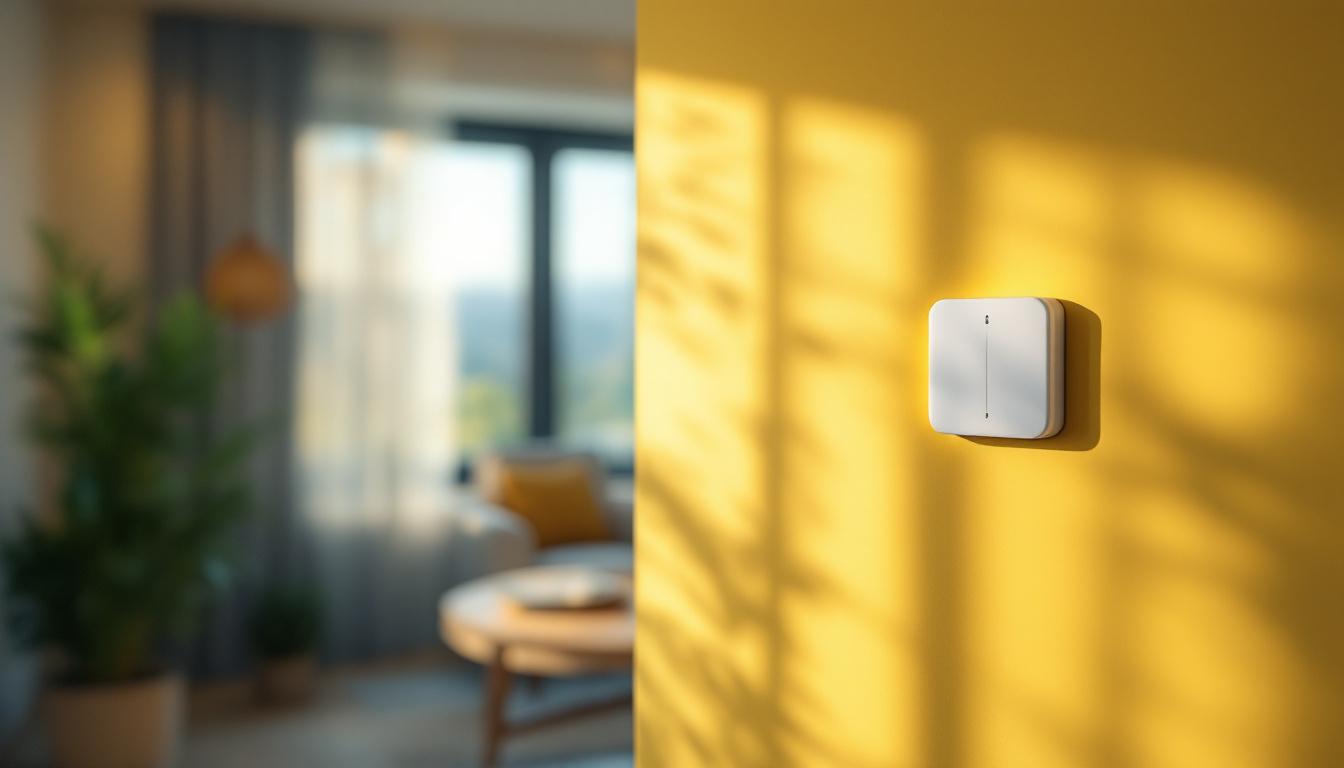
Modern recessed LED strip installations often include smart lighting controls such as dimmers, timers, and color-changing capabilities. Contractors should integrate compatible control systems that provide clients with intuitive operation and energy management options.
Wireless controls and automation can enhance user experience, allowing for scene setting and remote adjustments. Ensuring compatibility between LED drivers and control devices is vital for smooth functionality.
Common Challenges and How to Overcome Them
Addressing Light Uniformity and Glare
Achieving uniform lighting without glare is a frequent challenge in recessed LED strip installations. Uneven spacing or improper diffuser use can result in visible hotspots or shadows. Contractors can mitigate this by selecting high-quality diffusers designed for LED strips and carefully planning strip placement.
Testing the lighting arrangement before finalizing the installation helps identify and correct any irregularities, ensuring a smooth, visually appealing light distribution.
Managing Moisture and Dust in Ceiling Spaces
In environments prone to humidity or dust accumulation, such as bathrooms or commercial kitchens, protecting LED strips is essential. Using strips with appropriate IP ratings and sealing installation points prevents damage and extends product life.
Contractors should also consider ventilation improvements or installing protective covers when necessary to maintain optimal operating conditions.
Maximizing Client Satisfaction Through Expert Consultation
Educating Clients on Benefits and Maintenance
Lighting contractors play a pivotal role in guiding clients through the selection and maintenance of recessed LED strip lighting. Providing clear information about energy savings, lifespan, and operational costs helps clients make informed decisions.
Additionally, advising on routine maintenance practices, such as cleaning diffusers and checking connections, ensures the lighting system remains effective and attractive over time.
Offering Customized Lighting Solutions
Every project has unique requirements. Contractors who tailor recessed LED strip lighting designs to the specific architectural features and functional needs of a space differentiate themselves in the market. This customization can involve varying color temperatures, integrating with existing lighting, or creating dynamic lighting scenes.
By collaborating closely with clients and other trades, contractors deliver lighting solutions that enhance both aesthetics and usability, fostering long-term satisfaction and repeat business.
Conclusion: Embracing Innovation and Expertise
Recessed ceiling LED strip lighting represents a convergence of design innovation, energy efficiency, and technical expertise. For lighting contractors, mastering the top strategies—from careful planning and specification to meticulous installation and client education—ensures successful projects that meet modern demands.
Staying updated on the latest LED technologies and control systems empowers contractors to offer cutting-edge solutions that elevate spaces and satisfy clients. Ultimately, the integration of recessed LED strip lighting is not just about illumination but about creating environments that inspire and endure.
Illuminate Your Projects with LumenWholesale
Ready to take your lighting projects to the next level? At LumenWholesale, we provide lighting contractors with the superior, spec-grade LED strip lighting solutions you need to create stunning, energy-efficient environments. With our unbeatable wholesale prices and commitment to quality, you can access a vast selection of top-tier lighting products without the extra costs. Plus, enjoy the convenience of free shipping on bulk orders, ensuring you get the best value for your investment. Elevate your lighting game and discover wholesale lighting at the best value today with LumenWholesale.