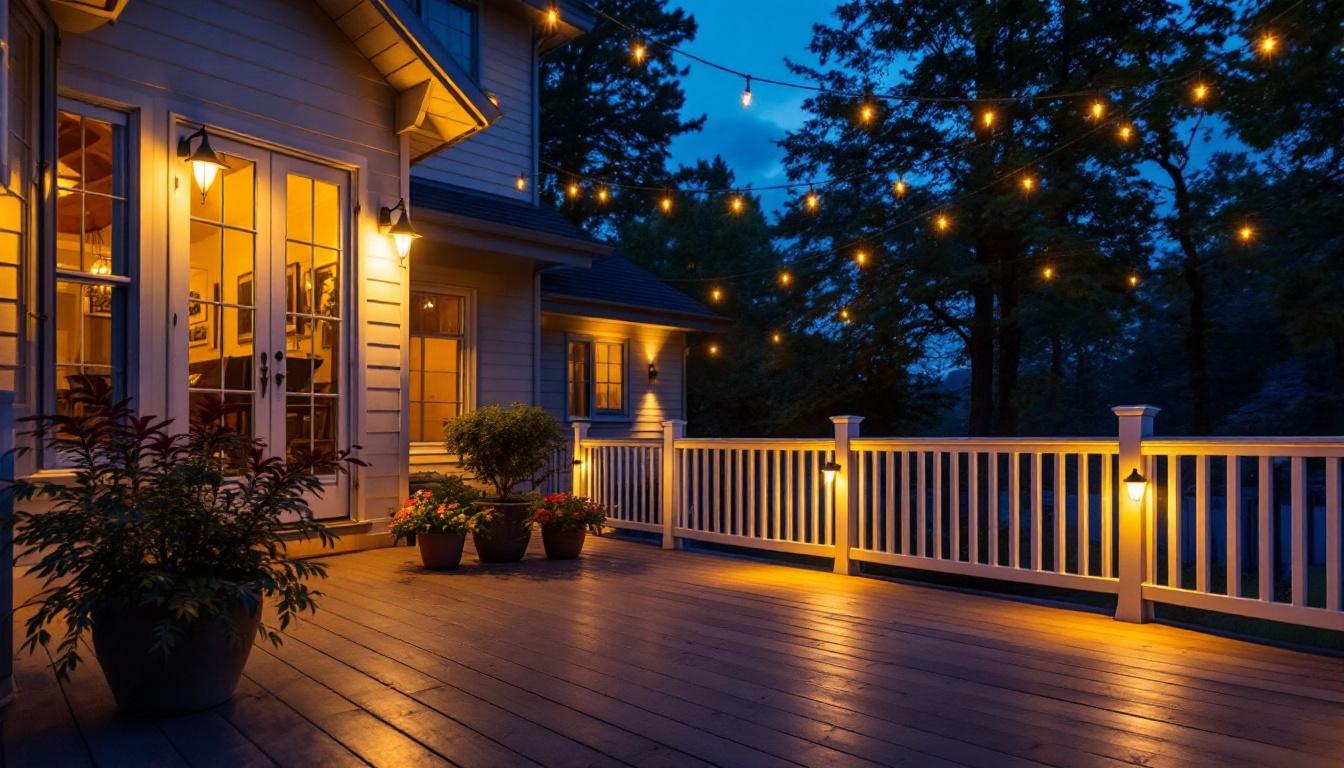
Understanding the Appeal of Battery Powered Deck Lights
Battery powered deck lights have become a popular choice for outdoor lighting projects. They offer flexibility, ease of installation, and a clean look without the need for wiring. For lighting contractors, these benefits translate into quicker jobs and satisfied clients who want attractive, functional lighting without the hassle of electrical work.
However, the simplicity of battery powered lights can sometimes lead to overlooked details that affect performance and client satisfaction. Recognizing these pitfalls is essential for contractors who want to deliver reliable, long-lasting lighting solutions.
One of the key advantages of battery powered deck lights is their portability. Unlike traditional wired fixtures, these lights can be easily repositioned or removed, allowing homeowners to experiment with different lighting arrangements to find the perfect ambiance for their outdoor spaces. This adaptability is particularly beneficial for seasonal decorations or events, where lighting needs may change frequently. Additionally, many battery powered options now come equipped with LED technology, which not only enhances brightness but also significantly extends battery life, making them more efficient and cost-effective in the long run.
Moreover, the variety of designs available in the market today means that homeowners can choose lights that complement their outdoor aesthetics. From sleek modern designs to rustic lantern styles, there is something to suit every taste. Some models even offer smart features, such as remote control operation or integration with home automation systems, allowing users to adjust their lighting with ease. This level of customization and convenience can greatly enhance the overall outdoor experience, making it more enjoyable for family gatherings, evening entertainment, or simply relaxing under the stars.
Battery Life and Performance: More Than Just a Number
The Reality Behind Battery Ratings
Battery life is often the first consideration when selecting deck lights. Manufacturers typically provide estimated runtimes based on ideal conditions. But in real-world applications, factors such as temperature fluctuations, light intensity settings, and battery quality dramatically influence how long the lights actually last.
Contractors should be cautious about relying solely on manufacturer claims. Testing lights under conditions similar to the installation environment can reveal whether the battery life meets client expectations. For example, colder climates can reduce battery efficiency, causing lights to dim or fail sooner than anticipated. Additionally, the frequency of use plays a crucial role; lights that are frequently turned on and off may experience a shorter lifespan due to the increased strain on the battery. Understanding these nuances can help contractors make informed decisions and provide clients with realistic timelines for battery performance.
Rechargeable vs. Disposable Batteries
Many battery powered deck lights come with built-in rechargeable batteries, while others require disposable ones. Rechargeable batteries offer long-term cost savings and environmental benefits, but they require a charging strategy. Lighting contractors must consider whether the client is willing to maintain the lights by recharging them periodically.
On the other hand, disposable batteries may seem convenient but can quickly become expensive and inconvenient, especially if the lights are in hard-to-reach locations. Discussing these options with clients upfront helps set realistic expectations and ensures the lighting solution fits their lifestyle. Moreover, it’s important to educate clients about the different types of batteries available. For instance, lithium-ion batteries, while initially more costly, often provide superior performance and longevity compared to alkaline batteries. This knowledge can empower clients to make choices that align with their values, whether they prioritize sustainability or upfront costs. Ultimately, a well-informed client is more likely to be satisfied with their lighting solution in the long run.
Installation Challenges That Are Often Ignored
Placement and Sunlight Exposure
Battery powered deck lights often rely on solar panels to recharge. Proper placement is critical. Installing lights in shaded areas or spots that receive inconsistent sunlight can drastically reduce their effectiveness. Contractors sometimes overlook this during installation, leading to client frustration when the lights don’t perform as expected.
Before installation, evaluate the site carefully. Identify locations that receive ample sunlight throughout the day. If necessary, recommend repositioning or supplementing with additional lights to achieve the desired brightness and runtime. Furthermore, it’s essential to consider the seasonal changes in sunlight exposure. For instance, trees may lose their leaves in the fall, potentially opening up previously shaded areas to more sunlight. A well-thought-out placement strategy can enhance the longevity and performance of the lights, ensuring that they not only illuminate the deck but also create a warm and inviting atmosphere for evening gatherings.
Mounting and Weatherproofing
Deck lights must withstand outdoor conditions year-round. While many battery powered lights are marketed as weatherproof, the quality of seals and mounting hardware varies widely. Improper mounting can allow water ingress, leading to corrosion and failure.
Contractors should inspect the product’s IP rating and test seals during installation. Using appropriate mounting hardware and sealing techniques ensures durability. Additionally, advising clients on seasonal maintenance, such as cleaning solar panels and checking for damage, can extend the life of the installation. It’s also beneficial to educate clients about the importance of selecting lights designed for their specific climate conditions. For example, in areas prone to heavy snowfall or rain, choosing lights with higher durability ratings and robust materials can prevent frequent replacements and save on long-term costs. By fostering a proactive maintenance mindset, contractors can help clients appreciate the value of their investment and enjoy their outdoor spaces to the fullest, regardless of the weather conditions.
Light Quality and Client Expectations
Brightness and Color Temperature
Clients often expect deck lights to provide sufficient illumination for safety and ambiance. Battery powered lights, however, sometimes deliver lower brightness compared to wired alternatives. This is due to power constraints inherent in battery operation. It’s essential for contractors to explain that while battery-powered lights may not shine as brightly, they can still offer a range of features that enhance their usability, such as portability and ease of installation. Many clients appreciate the flexibility of being able to reposition lights without the need for complex wiring, especially in spaces that may undergo seasonal changes or renovations.
Contractors should manage expectations by demonstrating the actual light output during consultations. Discussing color temperature options is also important. Warm white light creates a cozy atmosphere, while cool white enhances visibility. Selecting the right balance helps meet both aesthetic and functional goals. Additionally, clients might be interested in the concept of tunable white lighting, which allows them to adjust the color temperature according to their mood or the time of day. This adaptability can significantly enhance the outdoor experience, making the deck a more inviting space for gatherings or quiet evenings under the stars.
Beam Angle and Coverage
The beam angle of deck lights influences how the light spreads across the deck surface. Narrow beams create focused pools of light, while wider beams cover larger areas with softer illumination. Battery powered lights often have fixed beam angles, limiting flexibility. However, some innovative designs now offer adjustable beam angles, allowing for greater customization of light distribution. This feature can be particularly beneficial in multi-functional outdoor spaces where different activities may require varying levels of illumination.
Understanding the layout of the deck and the client’s lighting needs allows contractors to choose fixtures that optimize coverage. Combining different beam angles or layering lighting can enhance the overall effect and prevent dark spots. For example, using a combination of uplights to highlight architectural features and downlights for general illumination can create a dynamic visual experience. Furthermore, incorporating smart lighting technology can enable clients to control their lighting remotely, adjusting both brightness and beam angles to suit their preferences, which adds an element of convenience and modernity to their outdoor space.
Maintenance Considerations That Affect Longevity
Battery Replacement and Disposal
Eventually, batteries will need replacement. Contractors frequently overlook the ease of access for battery compartments during installation. Lights installed in difficult-to-reach places can make battery replacement a cumbersome task for clients.
Choosing lights with accessible battery compartments or designing installations with maintenance in mind reduces future headaches. Additionally, educating clients on proper battery disposal or recycling supports environmental responsibility.
Cleaning and Upkeep
Dirt, dust, and debris can accumulate on solar panels and light lenses, reducing efficiency and brightness. Regular cleaning is essential but often neglected in initial project discussions.
Providing clients with simple maintenance guidelines and recommending periodic inspections helps maintain optimal performance. Some contractors offer maintenance services as part of their package, adding value and ensuring long-term satisfaction.
Cost Analysis: Balancing Upfront and Long-Term Expenses
Initial Investment vs. Operational Costs
Battery powered deck lights usually have a lower upfront cost and installation fee compared to wired systems. However, ongoing expenses such as battery replacement and potential performance issues can add up over time.
Contractors should present a clear cost breakdown to clients, highlighting both immediate savings and future maintenance costs. This transparency helps clients make informed decisions and reduces the risk of dissatisfaction.
Energy Efficiency and Environmental Impact
Using solar-powered battery lights reduces energy consumption, which appeals to environmentally conscious clients. However, the environmental benefits depend on the quality and lifespan of the batteries used.
Recommending high-quality rechargeable batteries and responsible disposal methods enhances the sustainability of the lighting solution. Contractors who emphasize these points can differentiate themselves in a competitive market.
Final Thoughts: What Lighting Contractors Should Remember
Battery powered deck lights offer a convenient and attractive option for outdoor lighting, but they come with nuances that require careful attention. Understanding battery performance, installation challenges, light quality, maintenance, and cost implications ensures contractors deliver solutions that truly satisfy clients.
By addressing these often overlooked factors, lighting professionals can avoid common pitfalls, enhance client trust, and build a reputation for quality and reliability in outdoor lighting projects.
Illuminate Your Projects with LumenWholesale
Ready to elevate your outdoor lighting projects with the best in battery powered deck lights? Look no further than LumenWholesale, where we provide contractors with the highest quality, spec-grade lighting products at unbeatable wholesale prices. Say goodbye to local distributor markups and hello to superior lighting that meets the highest industry standards. With our hassle-free bulk buying and free shipping, you’ll enjoy premium lighting at the best value — all without hidden fees or compromises. Don’t let common pitfalls dim your project’s success. Wholesale Lighting at the Best Value is just a click away. Experience the LumenWholesale difference today!