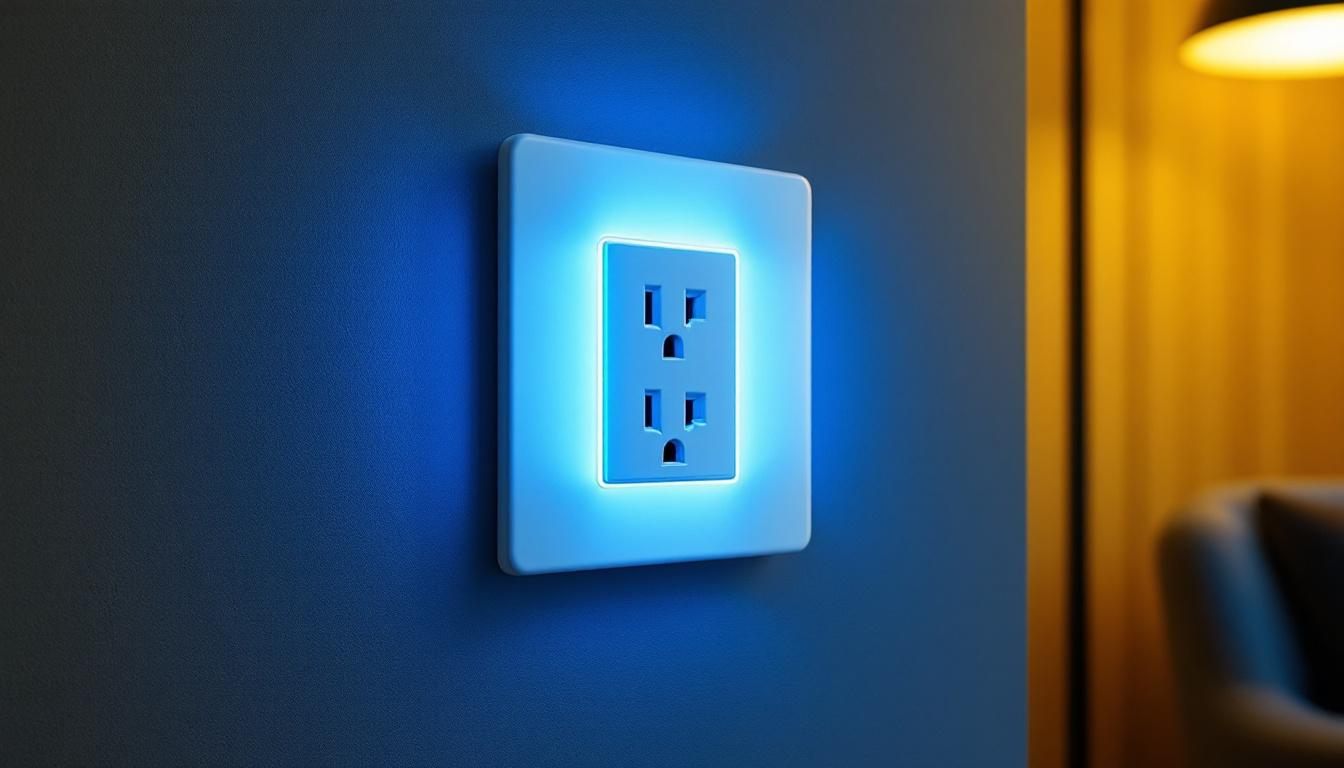
Introduction: The Evolving Role of Electrical Outlet Receptacles in Lighting
Electrical outlet receptacles have long been considered a basic, functional component in residential and commercial buildings. Traditionally, their role was limited to providing power access points for various electrical devices, including lighting fixtures. However, as technology advances and lighting design becomes increasingly sophisticated, receptacles are evolving beyond simple power sources. They are now integral to innovative lighting solutions, smart home integrations, and energy-efficient installations.
For lighting contractors, understanding these changes is crucial. The future of lighting design and installation hinges on receptacles that support new technologies, enhance user convenience, and contribute to sustainable building practices. This article explores the latest trends, technologies, and best practices surrounding electrical outlet receptacles, offering insights that can help contractors stay ahead in a competitive market.
One of the most significant developments in the realm of electrical outlet receptacles is the integration of smart technology. With the rise of the Internet of Things (IoT), receptacles can now be equipped with features that allow users to control their lighting remotely via smartphones or voice-activated devices. This not only provides convenience but also enhances energy efficiency by allowing users to schedule lighting according to their needs, reducing unnecessary energy consumption. For example, homeowners can program their outdoor lights to turn on at dusk and off at dawn, or even control indoor lighting from afar, ensuring that lights are only on when needed.
Moreover, the design of electrical outlet receptacles is becoming more aesthetic and user-friendly. Manufacturers are now focusing on creating sleek, modern designs that blend seamlessly with contemporary interiors. Additionally, receptacles with built-in USB ports are gaining popularity, allowing users to charge devices without the need for bulky adapters. This dual functionality not only saves space but also caters to the growing number of electronic devices in households and workplaces. As receptacles continue to evolve, they are not just power points but are becoming essential elements of modern interior design, reflecting the changing needs and lifestyles of users.
Smart Receptacles: Revolutionizing Lighting Control and Convenience
Integration with Smart Home Systems
Smart receptacles are transforming how lighting is controlled and managed. Unlike traditional outlets, these devices can be connected to home automation systems, allowing users to control lighting remotely via smartphones, voice assistants, or automated schedules. For lighting contractors, installing smart receptacles means providing clients with seamless control over their lighting environments.
These receptacles often come equipped with built-in Wi-Fi or Zigbee connectivity, enabling integration with platforms such as Amazon Alexa, Google Assistant, and Apple HomeKit. This connectivity allows for advanced features like dimming, scene setting, and energy monitoring, all accessible from a single interface. Imagine coming home after a long day and simply saying, “Turn on the living room lights,” and watching as your home responds instantly, creating the perfect ambiance without you having to lift a finger. This level of convenience not only enhances the user experience but also adds a touch of luxury to everyday living.
Energy Efficiency and Monitoring
One of the most compelling advantages of smart receptacles is their ability to monitor energy consumption in real time. Contractors can recommend these devices to clients looking to reduce energy costs and environmental impact. By tracking usage patterns, smart receptacles help identify inefficient lighting setups and encourage energy-saving behaviors. Users can receive notifications about their energy usage, allowing them to make informed decisions about when to use certain lights, thereby optimizing their energy consumption.
Moreover, some smart receptacles can automatically turn off lights when rooms are unoccupied, further enhancing energy efficiency. This feature aligns with growing regulatory emphasis on energy conservation and green building certifications, making smart receptacles a valuable addition to modern lighting projects. Additionally, the data collected can be invaluable for homeowners who wish to analyze their energy habits over time, potentially leading to further adjustments that could save even more on utility bills. With the increasing focus on sustainability, these smart devices not only provide convenience but also contribute to a greener future, making them a wise investment for both residential and commercial spaces.
Innovations in Receptacle Design: Enhancing Aesthetics and Functionality
Low-Profile and Modular Designs
Lighting contractors are increasingly encountering receptacles designed to blend seamlessly with interior aesthetics. Low-profile receptacles reduce visual clutter and create a sleek, modern look that complements contemporary lighting fixtures. These designs are particularly popular in high-end residential and commercial projects where attention to detail is paramount. The integration of these receptacles allows for a more cohesive design language throughout a space, ensuring that every element, from lighting to outlets, contributes to the overall ambiance.
Modular receptacles offer flexibility by allowing multiple types of connections—such as USB ports, Ethernet jacks, and traditional power outlets—in a single unit. This versatility supports diverse lighting and electronic needs without compromising on space or design coherence. As smart home technology continues to evolve, these modular systems can easily accommodate future upgrades, making them a forward-thinking choice for both contractors and homeowners. The ability to customize receptacle configurations also means that spaces can be tailored to specific user needs, enhancing both functionality and user experience.
Durability and Safety Enhancements
Advancements in materials and engineering have led to receptacles that are more durable and safer to install and use. Contractors benefit from features like tamper-resistant shutters, which prevent accidental contact with live parts, and weather-resistant designs suitable for outdoor lighting installations. These innovations not only enhance safety but also extend the lifespan of the receptacles, making them a wise investment for any project. The increased durability of these products means they can withstand the rigors of daily use, particularly in high-traffic areas such as commercial spaces or family homes.
Additionally, receptacles with integrated surge protection help safeguard sensitive lighting equipment from voltage spikes, reducing maintenance costs and downtime. These improvements contribute to longer-lasting installations and higher client satisfaction. Moreover, the incorporation of smart technology into receptacle designs is becoming more prevalent. Features such as remote monitoring and control capabilities allow users to manage their lighting systems efficiently, providing peace of mind and enhancing energy management. As the demand for energy-efficient solutions grows, these smart receptacles not only meet safety standards but also align with sustainability goals, making them an essential component of modern electrical design.
Receptacles and Sustainable Lighting Solutions
Supporting LED and Low-Voltage Lighting Systems
The shift toward LED and low-voltage lighting systems has significant implications for receptacle selection and installation. LEDs require stable, efficient power delivery, and receptacles designed to accommodate these needs ensure optimal performance and longevity of lighting fixtures.
Low-voltage systems often use specialized receptacles and connectors that differ from standard outlets. Lighting contractors must be familiar with these components to execute installations that meet technical specifications and safety standards.
Facilitating Renewable Energy Integration
As renewable energy sources like solar power become more common, receptacles are adapting to support these systems. For example, receptacles designed for use with solar-powered lighting or battery storage systems enable seamless integration and efficient energy use.
Contractors involved in sustainable building projects should consider receptacles that are compatible with renewable energy infrastructure. This foresight not only future-proofs installations but also aligns with increasing client demand for environmentally responsible solutions.
Installation Best Practices for Modern Electrical Outlet Receptacles
Compliance with Electrical Codes and Standards
Adhering to local and national electrical codes is fundamental when installing any receptacle. With the introduction of smart and specialized receptacles, contractors must stay informed about updated regulations that address new technologies and safety requirements.
For example, the National Electrical Code (NEC) includes provisions for tamper-resistant receptacles in residential settings and guidelines for ground-fault circuit interrupters (GFCIs) in wet or outdoor locations. Ensuring compliance protects contractors from liability and guarantees safe, reliable installations.
Proper Wiring and Load Management
Modern receptacles, especially smart and modular types, may have specific wiring requirements. Contractors should carefully follow manufacturer instructions to ensure correct wiring, grounding, and load balancing. Improper installation can lead to device malfunction, safety hazards, or reduced lifespan of lighting components.
Load management is particularly important when integrating multiple receptacles or advanced lighting controls. Properly distributing electrical loads prevents circuit overloads and enhances overall system stability.
Testing and Quality Assurance
Post-installation testing is essential to verify that receptacles function as intended. This includes checking for correct voltage, ensuring communication with smart home systems, and confirming safety features like tamper resistance and surge protection.
Utilizing specialized testing equipment can detect potential issues early, allowing contractors to address them before project handover. Comprehensive quality assurance builds client trust and reduces the likelihood of costly callbacks.
Future Trends: What Lighting Contractors Should Expect
Increased Integration with IoT and AI
The Internet of Things (IoT) and artificial intelligence (AI) are poised to further transform electrical outlet receptacles. Future receptacles will likely incorporate AI-driven features that optimize lighting based on occupancy, natural light availability, and user preferences without manual input.
For lighting contractors, this means expanding expertise beyond traditional electrical work to include programming and system integration. Staying current with these technologies will be essential for delivering cutting-edge lighting solutions.
Wireless Power and Contactless Charging
Wireless power transfer technologies are emerging as a potential game-changer in lighting design. Receptacles equipped with contactless charging capabilities could eliminate the need for physical plugs, simplifying installation and enhancing aesthetics.
While still in early stages, these innovations suggest a future where lighting fixtures and devices draw power seamlessly from embedded receptacles, reducing clutter and improving user experience.
Customization and Personalization
As consumer demand for personalized environments grows, receptacles will offer greater customization options. This includes adjustable color temperatures, programmable lighting scenes, and integration with health and wellness applications.
Lighting contractors will play a key role in tailoring these systems to client needs, combining technical skill with design sensibility to create truly unique lighting experiences.
Conclusion: Embracing the Future of Electrical Outlet Receptacles
The evolution of electrical outlet receptacles is reshaping the landscape of lighting design and installation. For lighting contractors, embracing these advancements offers opportunities to enhance project value, improve energy efficiency, and meet the growing expectations of tech-savvy clients.
By staying informed about smart receptacles, innovative designs, sustainable solutions, and emerging technologies, contractors can position themselves as leaders in a rapidly changing industry. The future of lighting is interconnected, intelligent, and highly customizable—and receptacles are at the heart of this transformation.
Illuminate Your Projects with LumenWholesale
Ready to lead the charge in the future of lighting design and installation? LumenWholesale is your trusted partner, offering an extensive selection of top-quality, spec-grade electrical outlet receptacles and lighting products at unbeatable wholesale prices. Say goodbye to inflated markups and hello to superior lighting solutions that meet the highest industry standards. With free shipping on bulk orders, you can equip your projects with the best in smart, sustainable lighting without hidden fees or compromises. Elevate your lighting installations today and experience wholesale lighting at the best value with LumenWholesale.