In recent years, the demand for solar-powered outdoor lighting has surged, driven by a growing awareness of sustainability and energy efficiency. For lighting contractors, understanding the intricacies of solar wall lights is essential to meet client expectations and navigate the evolving landscape of outdoor illumination. This article aims to demystify solar wall lights, providing contractors with the knowledge they need to effectively integrate these solutions into their projects.
Understanding Solar Wall Lights
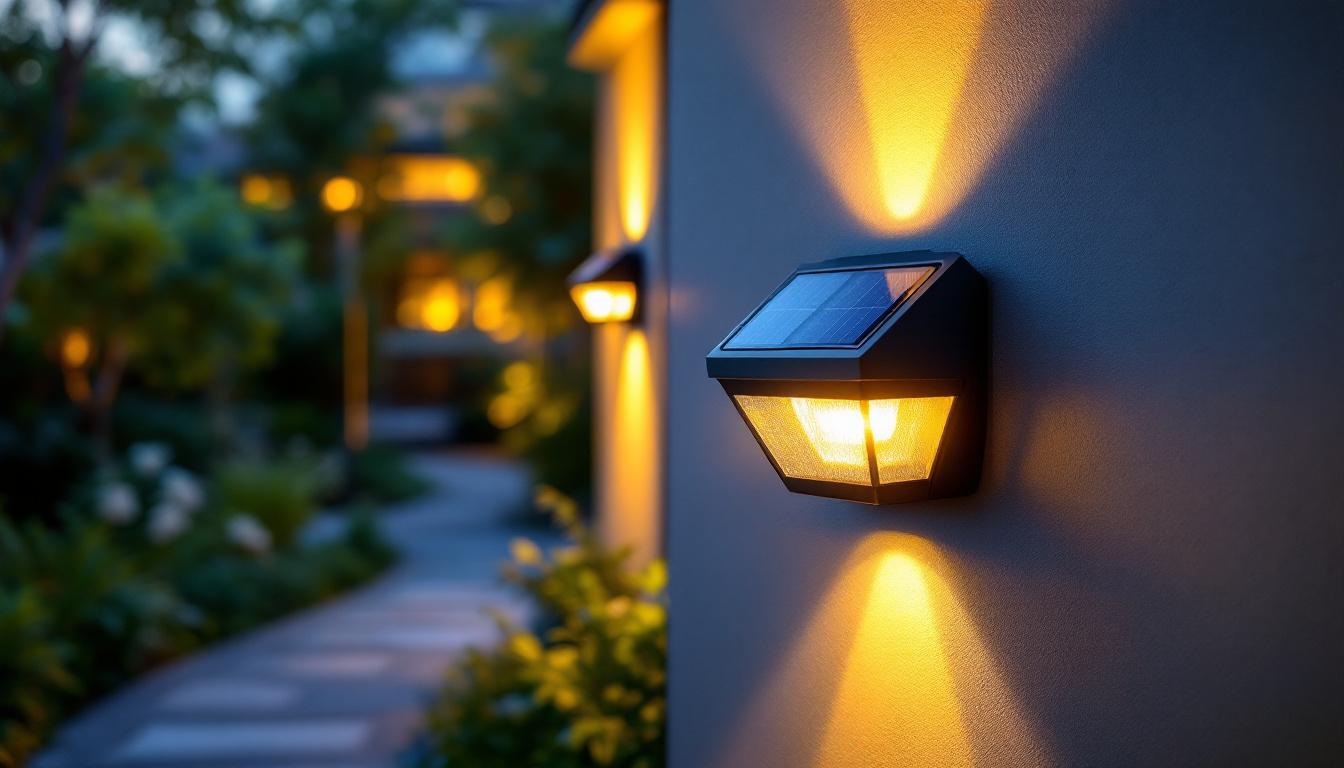
Solar wall lights are outdoor lighting fixtures that harness solar energy to provide illumination. They typically consist of a solar panel, LED lights, a battery, and a control system. The solar panel collects sunlight during the day, converting it into electricity, which is then stored in the battery for use after dark. This self-sufficient design eliminates the need for wiring and reduces installation costs. Additionally, solar wall lights contribute to sustainability efforts by reducing reliance on fossil fuels and lowering electricity bills, making them an eco-friendly choice for homeowners and businesses alike.
Moreover, the versatility of solar wall lights allows them to be installed in a variety of locations, from residential gardens to commercial properties. Their ability to operate independently of the electrical grid means they can be placed in remote areas where traditional lighting solutions would be impractical. This flexibility not only enhances safety and security but also adds aesthetic value to outdoor spaces, as they come in numerous styles and finishes to complement any architectural design.
Components of Solar Wall Lights
To fully grasp how solar wall lights function, it’s crucial to understand their main components:
- Solar Panel: This component captures sunlight and converts it into electrical energy. The efficiency of the solar panel directly affects the performance of the light. High-quality panels can significantly improve the charging time and overall brightness of the lights.
- LED Bulbs: LEDs are preferred for solar lights due to their energy efficiency and long lifespan. They provide bright illumination while consuming minimal power. Additionally, advancements in LED technology have led to the development of bulbs that can emit different colors and intensities, allowing for customizable lighting solutions.
- Battery: The battery stores the energy generated by the solar panel, allowing the light to operate during the night. The capacity of the battery determines how long the light will stay illuminated after sunset. Some models even feature rechargeable batteries that can be replaced, extending the lifespan of the solar light.
- Control System: This includes sensors that detect darkness and control the operation of the light, ensuring it turns on automatically at night and off during the day. Some advanced systems also feature timers and remote controls, providing users with greater flexibility and control over their outdoor lighting.
Types of Solar Wall Lights
There are various types of solar wall lights available on the market, each designed for specific applications:
- Motion Sensor Lights: These lights activate when they detect movement, making them ideal for security applications. They are particularly useful for deterring intruders and can be strategically placed near entry points to enhance safety.
- Pathway Lights: Designed to illuminate walkways and driveways, these lights provide consistent illumination without the need for motion detection. They often come in sets, allowing for a uniform look along pathways and ensuring safe navigation during the night.
- Decorative Lights: These fixtures often feature artistic designs and are used primarily for aesthetic purposes, enhancing the ambiance of outdoor spaces. They can include lantern-style lights, fairy lights, or even solar-powered wall sconces that add a touch of elegance to patios and gardens.
In addition to these types, there are also solar wall lights designed specifically for unique environments, such as marine-grade lights that resist corrosion from saltwater, making them perfect for coastal areas. Furthermore, some models are equipped with smart technology, allowing homeowners to control their lighting remotely via smartphone apps, providing convenience and customization at their fingertips.
Benefits of Solar Wall Lights
Solar wall lights offer numerous advantages that make them an attractive option for both contractors and clients. Understanding these benefits can help contractors effectively communicate their value to potential customers.
Energy Efficiency and Cost Savings
One of the most significant advantages of solar wall lights is their energy efficiency. By utilizing solar power, these lights reduce electricity costs and reliance on the grid. This is particularly beneficial for clients looking to minimize their energy bills while maintaining adequate outdoor lighting.
Moreover, the initial investment in solar technology can lead to long-term savings. Although the upfront cost may be higher than traditional lighting options, the absence of ongoing electricity expenses and reduced maintenance requirements can offset these costs over time.
Environmental Impact
Solar wall lights contribute to environmental sustainability by reducing carbon footprints. They harness renewable energy, decreasing reliance on fossil fuels and lowering greenhouse gas emissions. For clients who prioritize eco-friendly solutions, solar wall lights present an appealing option that aligns with their values.
Ease of Installation
Another compelling benefit is the ease of installation. Solar wall lights do not require extensive wiring or electrical work, simplifying the installation process. This can lead to shorter project timelines and reduced labor costs, making them an attractive option for contractors looking to enhance their service offerings.
Challenges and Considerations
While solar wall lights offer numerous benefits, there are also challenges and considerations that lighting contractors must address before recommending these solutions to clients.
Location and Sunlight Exposure
The effectiveness of solar wall lights is heavily dependent on their location and the amount of sunlight they receive. Contractors must assess the intended installation area to ensure that the solar panels will receive adequate sunlight throughout the day. Factors such as trees, buildings, and other obstructions can significantly impact performance.
In some cases, it may be necessary to recommend alternative lighting solutions or hybrid systems that combine solar and traditional power sources to ensure consistent illumination.
Battery Performance
The performance of solar wall lights is also influenced by the quality and capacity of the batteries used. Contractors should educate clients about the importance of selecting lights with high-quality batteries that can withstand various weather conditions and provide sufficient runtime. Additionally, battery life can vary based on factors such as temperature and usage patterns, which should be communicated to clients to set realistic expectations.
Light Output and Quality
Another critical consideration is the light output and quality of solar wall lights. Not all solar lights are created equal; some may provide inadequate illumination levels for specific applications. Contractors should evaluate the lumen output of different models and ensure they meet the client’s needs for safety and aesthetics.
Installation Best Practices
To maximize the effectiveness of solar wall lights, contractors should adhere to specific installation best practices. These guidelines can help ensure optimal performance and client satisfaction.
Site Assessment
Before installation, a thorough site assessment is essential. This involves evaluating the location for sunlight exposure, potential obstructions, and the specific lighting needs of the area. Contractors should take measurements and consider factors such as the height of the installation and the angle of the solar panels to optimize performance.
Proper Mounting Techniques
Correct mounting techniques are vital for ensuring that solar wall lights function efficiently. The solar panel should be positioned to capture maximum sunlight, while the light fixture should be installed at an appropriate height to provide adequate illumination. Additionally, contractors should ensure that all components are securely fastened to withstand environmental conditions.
Regular Maintenance and Monitoring
While solar wall lights require less maintenance than traditional lighting systems, periodic checks are still necessary to ensure optimal performance. Contractors should advise clients on how to clean the solar panels, check battery health, and monitor light output. This proactive approach can help extend the lifespan of the fixtures and maintain client satisfaction.
Future Trends in Solar Wall Lighting
The solar lighting industry is continually evolving, with new technologies and trends emerging that can impact the way contractors approach solar wall lights. Staying informed about these developments can provide contractors with a competitive edge.
Smart Technology Integration
Smart technology is becoming increasingly prevalent in outdoor lighting solutions. Many solar wall lights now come equipped with smart features such as app control, scheduling, and integration with home automation systems. Contractors should familiarize themselves with these technologies to offer clients modern, versatile lighting solutions.
Enhanced Efficiency and Design
Advancements in solar panel technology are leading to more efficient energy conversion and improved design aesthetics. As manufacturers innovate, contractors will have access to solar wall lights that not only perform better but also complement various architectural styles. This allows for greater flexibility in design choices for clients.
Increased Focus on Security Features
As security concerns continue to rise, solar wall lights with integrated security features are gaining popularity. Motion sensors, cameras, and alarm systems are being incorporated into solar lighting solutions, providing clients with enhanced safety measures for their properties. Contractors should be prepared to discuss these options with clients seeking to improve security.
Conclusion
Solar wall lights represent a dynamic and sustainable lighting solution for outdoor spaces. For lighting contractors, understanding the components, benefits, challenges, and installation best practices associated with these fixtures is essential for meeting client needs effectively. By staying informed about industry trends and advancements, contractors can position themselves as knowledgeable professionals in the growing market of solar lighting.
As sustainability becomes an increasingly important consideration for clients, embracing solar wall lights can not only enhance service offerings but also contribute to a greener future. By demystifying solar wall lights and equipping themselves with the necessary knowledge, lighting contractors can confidently recommend and install these innovative solutions, ultimately leading to satisfied clients and successful projects.
Illuminate Your Projects with LumenWholesale
Ready to elevate your lighting projects with the best in solar wall lights? At LumenWholesale, we provide lighting contractors like you with the highest quality, spec-grade lighting products at prices that can’t be beaten. Say goodbye to local distributor markups and hello to our extensive selection that meets the highest industry standards. With free shipping on bulk orders, you can trust that you’re getting premium lighting solutions at the best value — no hidden fees, no compromises. Enhance your service offerings and delight your clients with the perfect blend of quality, affordability, and convenience. Visit LumenWholesale today and discover the difference for yourself.