In the realm of outdoor lighting, light poles serve as the backbone of effective illumination strategies. For lighting contractors, understanding the nuances of light poles is essential not only for project execution but also for ensuring client satisfaction. This article delves into various aspects of light poles, from selection criteria to installation techniques, providing valuable insights for professionals in the field.
Understanding Light Poles
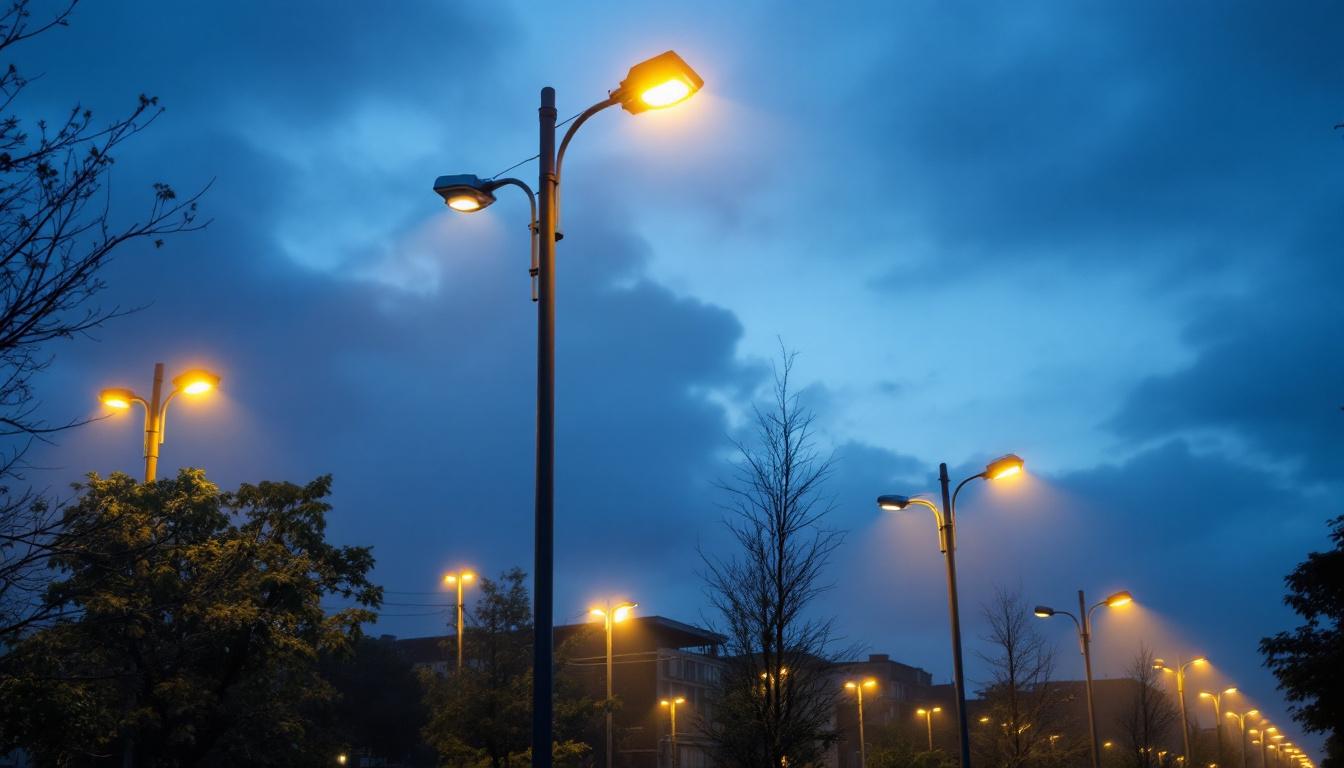
Light poles are more than just functional structures; they play a pivotal role in enhancing safety, aesthetics, and energy efficiency in outdoor environments. They come in various designs, heights, and materials, each serving different purposes and applications. A comprehensive understanding of these elements is crucial for any lighting contractor.
Types of Light Poles
Light poles can be categorized based on their materials, height, and design. Common materials include aluminum, steel, and fiberglass, each offering unique advantages. Aluminum poles are lightweight and resistant to corrosion, making them ideal for coastal areas. Steel poles, while heavier, provide durability and strength, suitable for high-traffic zones. Fiberglass poles are increasingly popular due to their resistance to weathering and ease of maintenance.
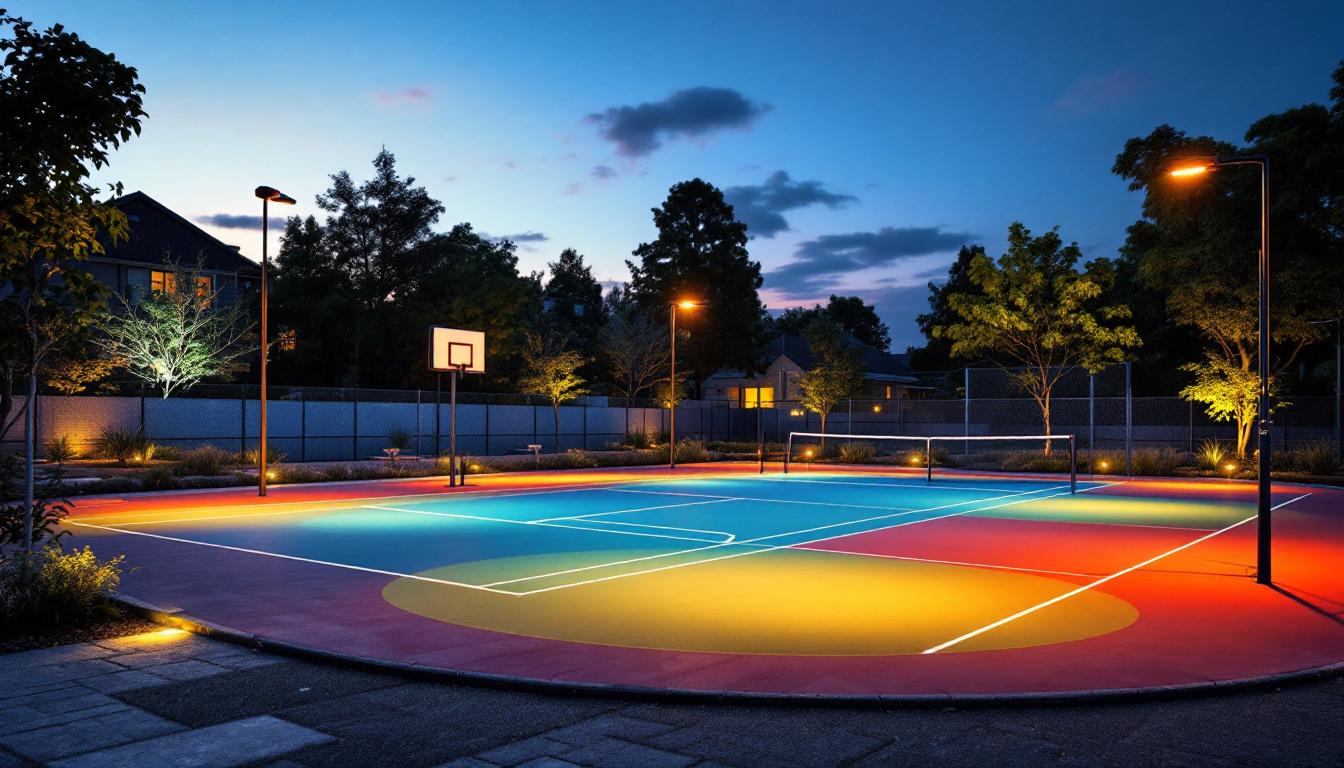
Height is another critical factor in selecting light poles. Shorter poles are typically used in residential areas, while taller poles are suited for commercial and industrial applications. The design of the pole also varies, with options ranging from traditional to contemporary styles. Understanding these types allows contractors to make informed decisions tailored to specific project requirements. Additionally, the choice of pole height can influence the distribution of light, with taller poles often providing broader coverage, which is particularly beneficial in expansive outdoor spaces like parking lots and sports fields.
Applications of Light Poles
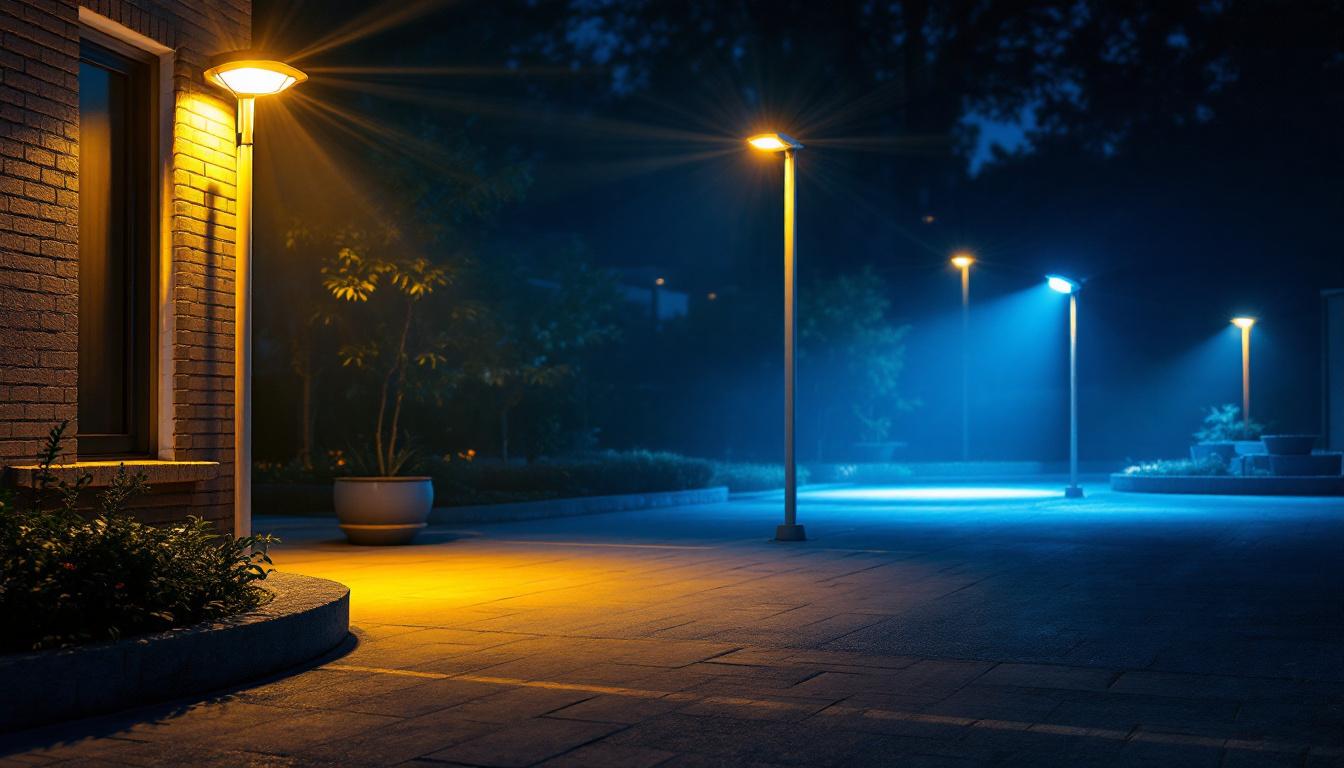
Light poles serve a multitude of applications, from street lighting to park illumination. In urban settings, they are essential for ensuring pedestrian safety and enhancing the aesthetic appeal of public spaces. In commercial areas, light poles contribute to security and visibility, making them a vital component of any lighting plan.
Moreover, light poles can be equipped with various lighting technologies, including LED, solar, and smart lighting systems. Each technology offers distinct benefits, such as energy efficiency, reduced maintenance costs, and enhanced control over lighting levels. Understanding the applications of light poles helps contractors to tailor their offerings to meet client needs effectively. For instance, the integration of smart lighting systems not only allows for adaptive lighting based on real-time conditions but also enables remote monitoring and control, significantly optimizing energy consumption and operational efficiency. Furthermore, the use of solar-powered light poles can be particularly advantageous in remote areas where traditional power sources may be unavailable, promoting sustainability and reducing reliance on fossil fuels.
Selecting the Right Light Pole
Choosing the appropriate light pole for a project involves several considerations. Factors such as location, purpose, and local regulations can significantly influence the selection process. A thorough assessment of these elements is essential for ensuring optimal performance and compliance.
Location Considerations
The geographical location of the installation site plays a crucial role in the selection of light poles. For instance, areas prone to high winds or heavy snowfall may require poles designed to withstand extreme weather conditions. Additionally, coastal regions may necessitate corrosion-resistant materials to combat saltwater exposure.
Furthermore, the surrounding environment can impact the choice of pole height and design. Urban areas may benefit from poles that blend seamlessly with architectural styles, while rural settings might prioritize functionality over aesthetics. By considering the location, contractors can select light poles that not only meet performance standards but also enhance the visual appeal of the area. For example, in a bustling downtown district, light poles can be designed with integrated planters or decorative elements that reflect the local culture, creating a vibrant atmosphere that attracts visitors and residents alike.
Purpose and Functionality
The intended purpose of the lighting installation is another critical factor in pole selection. For instance, street lighting requires poles that can support higher wattage fixtures, while decorative lighting in parks may prioritize aesthetics over illumination strength. Understanding the specific needs of a project allows contractors to choose poles that align with client expectations and project goals.
Moreover, the functionality of light poles can be enhanced through the integration of smart technology. Features such as motion sensors, dimming capabilities, and remote monitoring can significantly improve energy efficiency and user experience. Contractors should consider these functionalities when selecting light poles to provide comprehensive solutions to their clients. Additionally, the incorporation of solar panels into light pole designs presents an eco-friendly option, allowing for sustainable energy use while reducing long-term operational costs. This innovative approach not only supports environmental goals but also appeals to communities increasingly focused on sustainability and green initiatives.
Installation Best Practices
Proper installation of light poles is critical for ensuring safety, longevity, and optimal performance. Adhering to best practices during the installation process can prevent future issues and enhance the overall effectiveness of the lighting system.
Site Preparation
Before installation, thorough site preparation is essential. This includes assessing the soil conditions, determining the appropriate depth for pole foundations, and ensuring that the area is free from obstructions. Contractors should also consider the layout of the lighting design to optimize the placement of each pole for maximum illumination coverage.
Additionally, it is crucial to check for any underground utilities that may interfere with the installation process. Utilizing utility locators can help identify potential hazards and prevent costly mistakes. Proper site preparation sets the foundation for a successful installation, ensuring that the light poles function as intended.
Foundation and Stability
The stability of light poles is paramount for safety and performance. A well-constructed foundation is necessary to support the weight of the pole and withstand environmental forces. Contractors should follow manufacturer guidelines for foundation depth and materials, ensuring that the base is adequately reinforced.
Moreover, the use of concrete footings can enhance the stability of the poles, especially in areas prone to high winds. Ensuring that the poles are plumb and securely anchored will prevent leaning or tipping, which can compromise the effectiveness of the lighting system and pose safety risks.
Maintenance and Longevity
Regular maintenance of light poles is essential for ensuring their longevity and optimal performance. A proactive maintenance approach can help identify potential issues before they escalate, saving time and resources in the long run.
Routine Inspections
Conducting routine inspections of light poles is crucial for identifying wear and tear, corrosion, or damage caused by environmental factors. Contractors should establish a maintenance schedule that includes visual inspections, electrical testing, and structural assessments. This proactive approach can help address minor issues before they become significant problems.
During inspections, it is essential to check the integrity of the pole, the condition of the lighting fixtures, and the functionality of any integrated technologies. By staying ahead of potential issues, contractors can ensure that the lighting systems remain effective and safe for users.
Cleaning and Repairs
Cleaning light poles regularly is vital for maintaining their appearance and functionality. Accumulated dirt, debris, and pollutants can affect the performance of the lighting fixtures and diminish the aesthetic appeal of the installation. Contractors should implement a cleaning schedule that includes washing the poles and fixtures to ensure optimal performance.
In the event of damage, timely repairs are essential for maintaining the integrity of the lighting system. Whether it involves replacing a damaged fixture or addressing corrosion, prompt action can prevent further deterioration and ensure that the lighting remains effective. By prioritizing maintenance and repairs, contractors can extend the lifespan of light poles and enhance client satisfaction.
Emerging Trends in Light Pole Technology
The lighting industry is continually evolving, with new technologies and trends shaping the future of light poles. Staying informed about these developments is crucial for lighting contractors looking to remain competitive and provide cutting-edge solutions to their clients.
Smart Lighting Solutions
Smart lighting technology is revolutionizing the way outdoor lighting systems operate. By integrating sensors and IoT capabilities, smart light poles can adjust their brightness based on ambient light levels, occupancy, and time of day. This not only enhances energy efficiency but also improves user experience by providing tailored lighting solutions.
Moreover, smart lighting systems can be monitored and controlled remotely, allowing contractors to manage multiple installations from a single platform. This level of control can streamline maintenance efforts and enhance the overall effectiveness of the lighting system.
Sustainability and Energy Efficiency
As sustainability becomes a priority in many industries, lighting contractors are increasingly focusing on energy-efficient solutions. LED technology has emerged as a frontrunner in this regard, offering significant reductions in energy consumption and maintenance costs compared to traditional lighting options.
Additionally, the integration of solar-powered light poles is gaining traction, particularly in areas where access to electricity is limited. These sustainable solutions not only reduce the carbon footprint of lighting installations but also align with the growing demand for environmentally friendly practices in the construction and lighting sectors.
Conclusion
Light poles are a fundamental aspect of outdoor lighting systems, and understanding their intricacies is essential for lighting contractors. From selecting the right type of pole to ensuring proper installation and maintenance, each step plays a critical role in the success of a lighting project.
By staying informed about emerging trends and technologies, contractors can enhance their offerings and provide innovative solutions to meet client needs. Ultimately, a comprehensive understanding of light poles will empower lighting contractors to deliver high-quality, efficient, and aesthetically pleasing lighting solutions that stand the test of time.
Illuminate Your Projects with LumenWholesale
Ready to elevate your lighting projects with the highest quality light poles and fixtures? Look no further than LumenWholesale, where we offer spec-grade lighting products at unbeatable wholesale prices. Say goodbye to local distributor markups and hello to a vast selection of reliable, high-performance lighting that meets the most rigorous industry standards. With LumenWholesale, bulk buying is a breeze, thanks to free shipping and transparent pricing. Don’t compromise on quality or value—choose LumenWholesale for the perfect blend of affordability and convenience for all your lighting needs.