Understanding the Importance of Proper Fluorescent Light Mounting
Fluorescent lighting remains a staple in commercial, industrial, and even residential settings due to its energy efficiency and long lifespan. For lighting contractors, mastering the art of mounting these fixtures is essential to ensure optimal performance, safety, and client satisfaction. Improper installation can lead to flickering, reduced fixture lifespan, or even electrical hazards, all of which can compromise the overall success of a lighting project.
Mounting fluorescent lights correctly not only enhances the aesthetics of a space but also maximizes illumination efficiency. This is especially critical in environments such as offices, warehouses, and retail spaces where consistent, bright lighting improves productivity and safety. Understanding the nuances of fixture types, mounting surfaces, and electrical considerations is fundamental for any contractor aiming to deliver professional-grade installations.
Moreover, the choice of mounting method can significantly influence the light distribution and ambiance of a room. For instance, surface-mounted fixtures are ideal for spaces with low ceilings, providing direct light where it’s needed most, while recessed fixtures can create a sleek, modern look that blends seamlessly with the ceiling. Additionally, contractors must consider the angle of installation; angling lights towards work areas can enhance visibility and reduce shadows, which is particularly beneficial in settings like workshops or design studios where precision is key.
Furthermore, the integration of smart technology into fluorescent lighting systems is becoming increasingly prevalent. Many modern fixtures now come equipped with features such as dimming capabilities and motion sensors, allowing for greater control over lighting conditions. This not only contributes to energy savings but also enhances the user experience by adapting to the specific needs of a space throughout the day. As such, staying informed about the latest advancements in lighting technology and installation techniques is crucial for contractors looking to stay competitive in the ever-evolving lighting industry.
Types of Fluorescent Light Fixtures and Their Mounting Requirements
Surface-Mounted Fixtures
Surface-mounted fluorescent fixtures are designed to be attached directly to ceilings or walls. These are commonly used in spaces with standard ceiling heights and provide direct, bright illumination. Mounting these fixtures typically involves securing a metal or plastic housing to a flat surface using screws or anchors.
When installing surface-mounted fixtures, it is vital to ensure the mounting surface can support the fixture’s weight and that the electrical wiring is accessible and compliant with local codes. Contractors should use appropriate anchors for drywall or concrete and verify that the fixture is level to prevent uneven light distribution. Additionally, surface-mounted fixtures can be equipped with various types of lamps, including T8 and T5, which offer different energy efficiencies and light outputs. The choice of lamp can significantly influence the overall ambiance of the space, making it essential to consider the intended use of the area when selecting the appropriate fixture.
Recessed Fluorescent Fixtures
Recessed fixtures are installed within ceiling grids or drywall, providing a clean, streamlined look. These fixtures require precise measurements and coordination with ceiling infrastructure. Mounting involves fitting the fixture into the ceiling cavity and securing it to the framing or grid system.
Because recessed installations often involve working above ceiling tiles, contractors must be mindful of clearance for wiring and ballast components. Proper ventilation around the fixture is also necessary to prevent overheating, which can reduce the lifespan of fluorescent lamps. Moreover, recessed fixtures can be designed with different lens options, such as prismatic or frosted, which can help diffuse light more evenly and reduce glare. This versatility makes them suitable for a variety of settings, from offices to retail spaces, where aesthetics and functionality are equally important.
Suspended Fluorescent Fixtures
Suspended fixtures hang from the ceiling via chains, rods, or cables, making them ideal for spaces with high ceilings such as warehouses or gymnasiums. These fixtures allow for adjustable height and can be positioned to optimize lighting coverage.
Mounting suspended fixtures requires secure anchoring to ceiling joists or structural supports. The suspension hardware must be rated for the fixture’s weight, and all electrical connections should be made within accessible junction boxes. Ensuring that the fixture hangs level is crucial for both aesthetics and light distribution. Additionally, suspended fixtures can be integrated with advanced lighting controls, such as dimmers or motion sensors, which can enhance energy efficiency and adapt to the changing needs of the space. This adaptability is particularly beneficial in environments where lighting requirements vary throughout the day or during different activities, allowing for a more tailored lighting solution that can improve both functionality and comfort.
Step-by-Step Guide to Mounting Fluorescent Lights
Preparation and Safety Measures
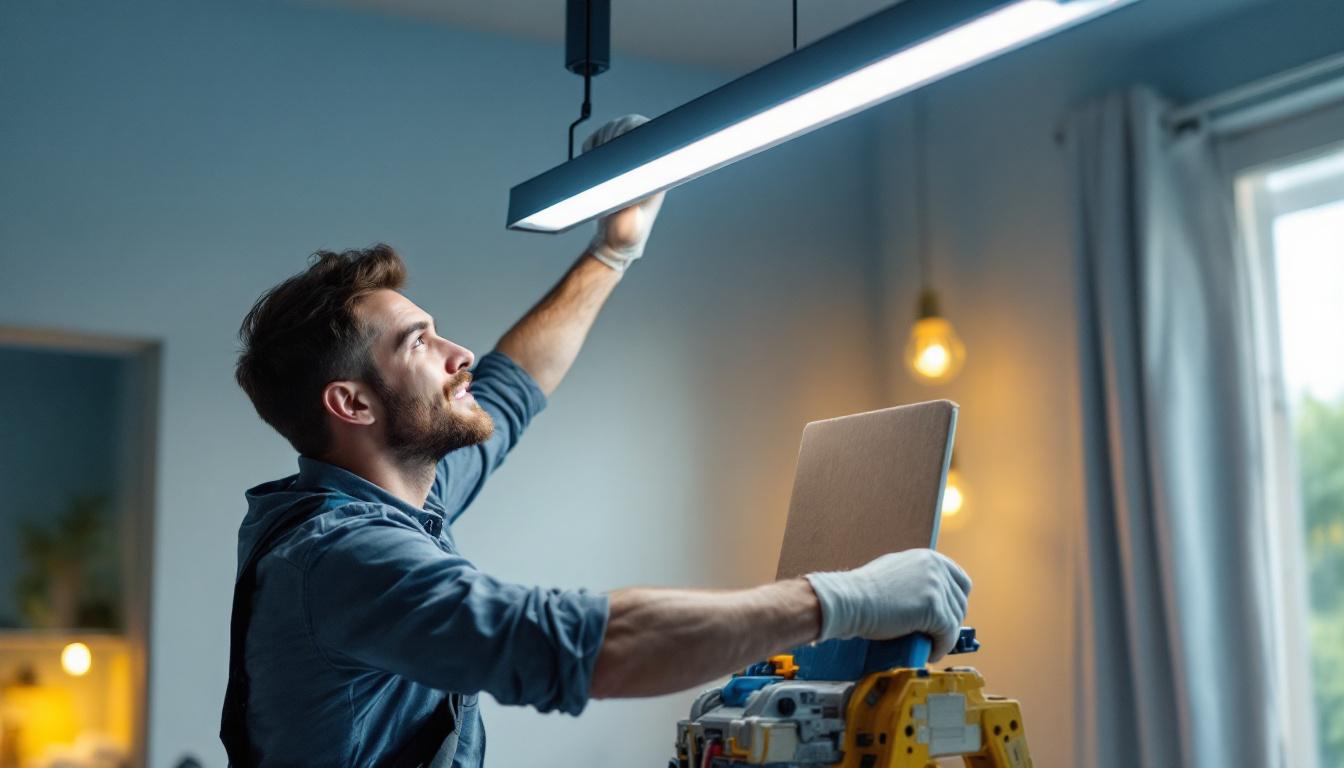
Before beginning any installation, contractors should turn off power at the circuit breaker to avoid electrical shock. Using a voltage tester to confirm that the power is off is a best practice. Wearing safety goggles and gloves can protect against accidental injury during fixture handling.
Gather all necessary tools and materials, including screwdrivers, wire strippers, anchors, mounting brackets, and the fluorescent fixture itself. Reviewing the manufacturer’s installation instructions ensures compliance with warranty and safety standards.
Marking and Drilling Mounting Points
Accurate measurement and marking of mounting points are critical for a secure and level installation. Using a tape measure and level, mark the positions where mounting screws or anchors will be placed. For recessed fixtures, ensure the cutout dimensions match the fixture specifications.
Drill pilot holes appropriate for the anchors or screws being used. For drywall installations, toggle bolts or molly anchors provide additional support, especially for heavier fixtures. In concrete or masonry ceilings, use masonry bits and anchors designed for those materials.
Wiring the Fixture
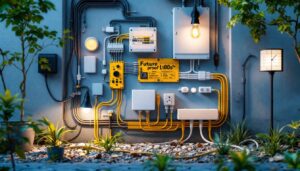
Proper wiring is essential for safe and efficient operation. Connect the fixture’s wires to the building’s electrical supply according to the color codes: typically black for live, white for neutral, and green or bare copper for ground. Use wire nuts to secure connections and electrical tape for added safety.
For fluorescent fixtures with electronic ballasts, verify compatibility with the power supply and lamps. Incorrect wiring or ballast selection can cause flickering or premature lamp failure. If unsure, consulting electrical codes or a licensed electrician is recommended.
Securing the Fixture and Testing
Once wired, attach the fixture to the mounting points using screws or brackets. Double-check that the fixture is level and firmly secured to prevent movement or vibration. Replace any diffuser covers or lenses as required by the fixture design.
Restore power and test the fixture to ensure it operates correctly. Observe for any flickering, buzzing, or unusual heat generation. If issues arise, turn off power immediately and inspect wiring and ballast connections.
Best Practices for Efficient and Durable Fluorescent Light Installations
Choosing the Right Fixtures and Components
Selecting high-quality fixtures and components can significantly impact the longevity and performance of fluorescent lighting systems. Opt for fixtures with energy-efficient ballasts and compatible lamps to reduce energy consumption and maintenance costs.
Consider the environment where the fixture will be installed. For example, damp-rated fixtures are necessary for outdoor or humid indoor locations. Using fixtures with adjustable mounting options can also provide flexibility for future lighting changes or upgrades.
Maintaining Compliance with Electrical Codes
Adhering to local and national electrical codes is non-negotiable for safety and legal compliance. Codes dictate wiring methods, grounding requirements, and fixture placement, among other factors. Staying updated with code changes and obtaining necessary permits ensures installations pass inspections without delays.
Lighting contractors should also document installations with photographs and wiring diagrams. This documentation facilitates troubleshooting and future maintenance, providing value to clients and enhancing professional reputation.
Incorporating Energy-Efficient Upgrades
While fluorescent lighting is already energy efficient compared to incandescent bulbs, integrating modern technologies can further improve efficiency. For instance, pairing fluorescent fixtures with occupancy sensors or daylight harvesting controls reduces unnecessary energy use.
Additionally, considering retrofit kits that convert fluorescent fixtures to LED can extend fixture life and reduce power consumption. Contractors should evaluate client needs and project budgets to recommend the most cost-effective solutions.
Common Challenges and How to Overcome Them
Dealing with Uneven Ceiling Surfaces
Uneven or textured ceilings can complicate mounting surface-mounted or recessed fixtures. Using adjustable mounting brackets or shims can help achieve a flush, level installation. For recessed fixtures, ensuring the ceiling grid or framing is properly aligned is critical.
In some cases, modifying the ceiling surface or installing a secondary mounting platform may be necessary. Communicating these requirements to clients upfront avoids surprises and additional costs during installation.
Addressing Flickering and Noise Issues
Flickering lights or humming noises often indicate ballast problems or wiring issues. Using high-quality electronic ballasts designed for the specific lamp type minimizes these issues. Ensuring tight, secure wiring connections and proper grounding also reduces electrical noise.
If flickering persists, testing lamps individually can identify defective bulbs. Replacing older magnetic ballasts with modern electronic ones is a common upgrade that improves light quality and reduces noise.
Managing Weight and Fixture Size Constraints
Large or heavy fluorescent fixtures require robust mounting solutions. Using heavy-duty anchors, additional support brackets, or direct attachment to structural elements ensures safety and stability. Suspended fixtures should have suspension hardware rated well above the fixture weight.
When working in retrofit situations, verifying that existing ceiling structures can support new fixtures is essential. If structural reinforcement is needed, coordinating with building engineers or contractors prevents future failures.
Conclusion: Elevating Lighting Projects Through Expert Fluorescent Light Mounting
For lighting contractors, proficiency in mounting fluorescent lights is a cornerstone of successful projects. It combines technical knowledge, attention to detail, and adherence to safety standards. By understanding fixture types, following systematic installation steps, and anticipating common challenges, contractors can deliver lighting solutions that are both functional and visually appealing.
Investing time in proper mounting not only enhances the immediate lighting environment but also reduces maintenance costs and extends fixture lifespan. As lighting technology continues to evolve, staying informed about best practices and emerging trends ensures that contractors remain competitive and trusted professionals in the industry.