The Shift from Fluorescent to LED Lighting: An Industry Overview
The lighting industry has witnessed a significant transformation with the widespread adoption of LED technology. For lighting contractors, this shift is not just a matter of upgrading products but a fundamental change that impacts project planning, installation processes, and ultimately, profitability. Fluorescent lighting, once the standard in commercial and residential applications, is rapidly being replaced by LED solutions due to their superior energy efficiency, longer lifespan, and enhanced lighting quality.
Understanding the dynamics of this transition is crucial for contractors aiming to stay competitive. LEDs offer a compelling value proposition to clients, including reduced energy costs and lower maintenance requirements. However, this also means contractors must adapt their business models, pricing strategies, and technical expertise to align with the new technology.
Moreover, the environmental benefits of LED lighting cannot be overstated. As governments and organizations increasingly prioritize sustainability, the shift to LED technology aligns with global efforts to reduce carbon footprints. LEDs consume up to 75% less energy than traditional incandescent bulbs and have a significantly longer lifespan, which means fewer bulbs in landfills over time. This eco-friendly aspect not only appeals to environmentally conscious consumers but also opens up new avenues for contractors to market their services as part of a green initiative, thereby enhancing their brand image and attracting a broader client base.
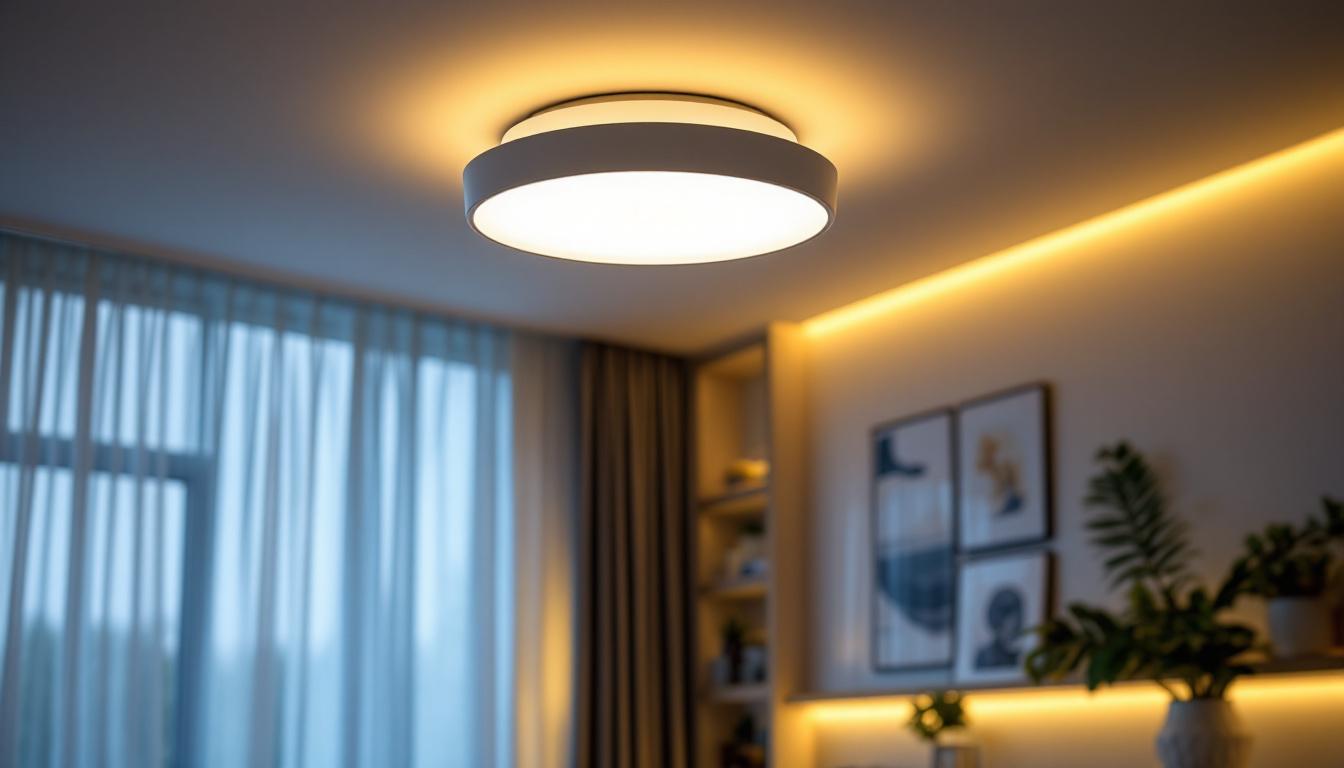
In addition to the environmental advantages, the versatility of LED lighting has expanded its applications across various sectors. From smart home integrations to architectural lighting, the adaptability of LEDs allows for innovative designs that were previously unattainable with fluorescent fixtures. Contractors are now faced with the exciting challenge of educating clients about the myriad of options available, including color temperature choices and smart lighting controls. This knowledge empowers contractors to provide tailored solutions that meet specific client needs, ultimately fostering stronger relationships and repeat business in a rapidly evolving market.
Cost Implications: Upfront Investment vs. Long-Term Savings
Initial Material and Installation Costs
One of the most immediate impacts on lighting contractors’ bottom line is the difference in upfront costs between fluorescent and LED systems. LED fixtures generally come with a higher initial price tag compared to traditional fluorescent tubes and ballasts. This can influence project bids and client negotiations, especially in price-sensitive markets.
Moreover, installation of LED lighting can require different skill sets and tools. While LEDs are often designed for straightforward retrofit applications, some projects involve upgrading electrical infrastructure or integrating smart controls, which may increase labor time and costs. Contractors must factor these elements into their pricing to maintain profitability.
Additionally, the choice of LED technology can vary widely, with options ranging from basic models to advanced smart lighting systems that offer features like color tuning and remote control. This variety can further complicate the initial cost assessment, as contractors must stay informed about the latest advancements and their implications for installation. Furthermore, the availability of rebates and incentives for energy-efficient upgrades can also play a significant role in offsetting these upfront costs, making it essential for contractors to research local programs that could benefit their clients.
Energy Efficiency and Operational Savings
Despite higher upfront costs, LEDs deliver substantial operational savings over time. LEDs consume significantly less power—often 50% to 70% less than fluorescent lighting—leading to lower electricity bills for clients. This energy efficiency is a strong selling point that contractors can leverage to justify the initial investment.
For contractors, promoting these long-term savings can open doors to larger projects and repeat business. Clients increasingly prioritize sustainability and cost-effectiveness, making energy-efficient lighting solutions a competitive advantage in the marketplace.
In addition to direct energy savings, LEDs also boast a longer lifespan—typically lasting up to 25,000 hours or more compared to the 10,000 hours of fluorescent bulbs. This longevity not only reduces the frequency of replacements but also minimizes maintenance costs, which can be a significant factor for businesses with high ceilings or hard-to-reach fixtures. By emphasizing these benefits, contractors can effectively communicate the total cost of ownership to clients, reinforcing the value of investing in LED technology. Furthermore, as energy prices continue to rise, the financial benefits of switching to LED lighting will only become more pronounced, making it a timely consideration for clients looking to future-proof their facilities.
Impact on Project Scope and Revenue Streams
Expanded Opportunities Through Smart Lighting Integration
LED technology often comes with compatibility for smart controls and automation systems. This integration capability expands the scope of work for lighting contractors beyond simple fixture replacement. Tasks such as programming lighting scenes, installing occupancy sensors, and integrating daylight harvesting systems add value and complexity to projects. The ability to customize lighting based on occupancy or natural light levels not only enhances energy efficiency but also improves the overall user experience in residential and commercial spaces. For instance, in office environments, smart lighting can adjust automatically to the time of day, creating a more comfortable and productive atmosphere for employees.
These advanced services allow contractors to diversify their offerings and increase revenue per project. Additionally, ongoing maintenance and system upgrades create opportunities for recurring income streams, enhancing financial stability. As clients become more aware of the benefits of smart technology, they may seek out contractors who can provide comprehensive solutions that include not just lighting, but also energy management systems and IoT integration. This trend encourages contractors to stay updated on the latest technological advancements and training, ensuring they remain competitive in a rapidly evolving market.
Reduced Maintenance and Warranty Considerations
LEDs have a longer operational lifespan—commonly exceeding 50,000 hours compared to 10,000 to 20,000 hours for fluorescents. This longevity reduces the frequency of maintenance calls and replacement jobs, which can impact contractors who rely on service contracts for steady income. As a result, contractors may need to pivot their business models to focus on new service offerings that align with the longevity of LED products. For example, they might consider offering energy audits or retrofitting existing systems to optimize performance, thus creating new avenues for revenue even as traditional maintenance needs decline.
However, this shift also reduces warranty claims and callbacks related to lighting failures, potentially saving contractors money on service expenses and improving client satisfaction. Contractors may need to balance these factors by focusing more on installation quality and offering value-added services. By emphasizing the importance of proper installation techniques and providing clients with thorough training on how to utilize their new systems effectively, contractors can foster long-term relationships and encourage repeat business. Furthermore, as the market continues to evolve, contractors who adapt to these changes and educate their clients about the benefits of LED technology will likely find themselves at a competitive advantage, positioning themselves as trusted experts in the field.
Training and Skill Development: Preparing for the LED Era
Transitioning from fluorescent to LED lighting requires contractors to acquire new technical knowledge. LED systems involve different electrical characteristics, heat management considerations, and compatibility issues that must be understood to ensure safe and effective installations.
Investing in training programs and certifications can enhance a contractor’s credibility and efficiency. Well-trained technicians are better equipped to troubleshoot issues, recommend optimal solutions, and handle complex installations involving smart lighting controls.
Furthermore, staying informed about evolving LED technologies and industry standards enables contractors to advise clients accurately and maintain a competitive edge.
Environmental and Regulatory Factors Influencing Contractor Practices
Compliance with Energy Codes and Standards
Many jurisdictions have introduced energy codes and regulations that favor or mandate the use of energy-efficient lighting solutions like LEDs. Lighting contractors must ensure their installations comply with these requirements to avoid penalties and meet client expectations.
Understanding local regulations and certification programs, such as ENERGY STAR or DLC listings, helps contractors select compliant products and design systems that qualify for rebates or incentives. This knowledge can be a decisive factor for clients seeking to maximize return on investment.
Environmental Responsibility and Market Demand
Environmental concerns are driving demand for sustainable building practices, including lighting upgrades. LEDs contribute to reducing carbon footprints by lowering energy consumption and minimizing waste due to longer lifespans.
Contractors who position themselves as environmentally conscious partners can attract clients from sectors prioritizing green building certifications like LEED. This alignment with sustainability trends can enhance reputation and open new market segments.
Financial Strategies for Maximizing Profitability in LED Projects
Accurate Cost Estimation and Value-Based Pricing
To protect margins, contractors need to develop precise cost estimation methods that account for material costs, labor, training, and potential contingencies related to LED installations. Value-based pricing, which emphasizes the long-term benefits to clients, can justify higher project fees and improve profitability.
Providing detailed proposals that highlight energy savings, maintenance reductions, and environmental benefits helps clients understand the overall value, making them more willing to invest in quality LED solutions.
Leveraging Incentives and Financing Options
Numerous utility rebates, tax credits, and financing programs are available to support LED lighting upgrades. Contractors who assist clients in navigating these incentives can close deals more effectively and increase project volume.
Offering financing solutions or partnering with third-party providers can also reduce barriers for clients, enabling contractors to secure larger contracts and improve cash flow.
Conclusion: Adapting to the LED Revolution for Sustainable Growth
The transition from fluorescent to LED lighting represents both challenges and opportunities for lighting contractors. While the initial costs and technical demands may require adjustments, the long-term benefits—including energy savings, expanded service offerings, and alignment with regulatory trends—can significantly enhance profitability.
Contractors who invest in training, embrace smart lighting technologies, and develop strategic financial approaches will be well-positioned to thrive in the evolving lighting landscape. Ultimately, adapting to this LED revolution is essential not only for maintaining a competitive edge but also for driving sustainable business growth in a rapidly changing market.
Illuminate Your Projects with LumenWholesale
Ready to harness the benefits of LED lighting and elevate your service offerings? LumenWholesale is your trusted partner in the LED revolution, providing you with the highest quality, spec-grade lighting products at unbeatable wholesale prices. Say goodbye to local distributor markups and hello to a vast selection of industry-standard lighting solutions that promise reliability and high performance for every project. With the convenience of free shipping on bulk orders, you can secure premium lighting at the best value — all without hidden fees or compromises. Don’t miss out on the perfect blend of quality, affordability, and convenience. Visit Wholesale Lighting at the Best Value today and take the first step towards a brighter, more sustainable future with LumenWholesale.