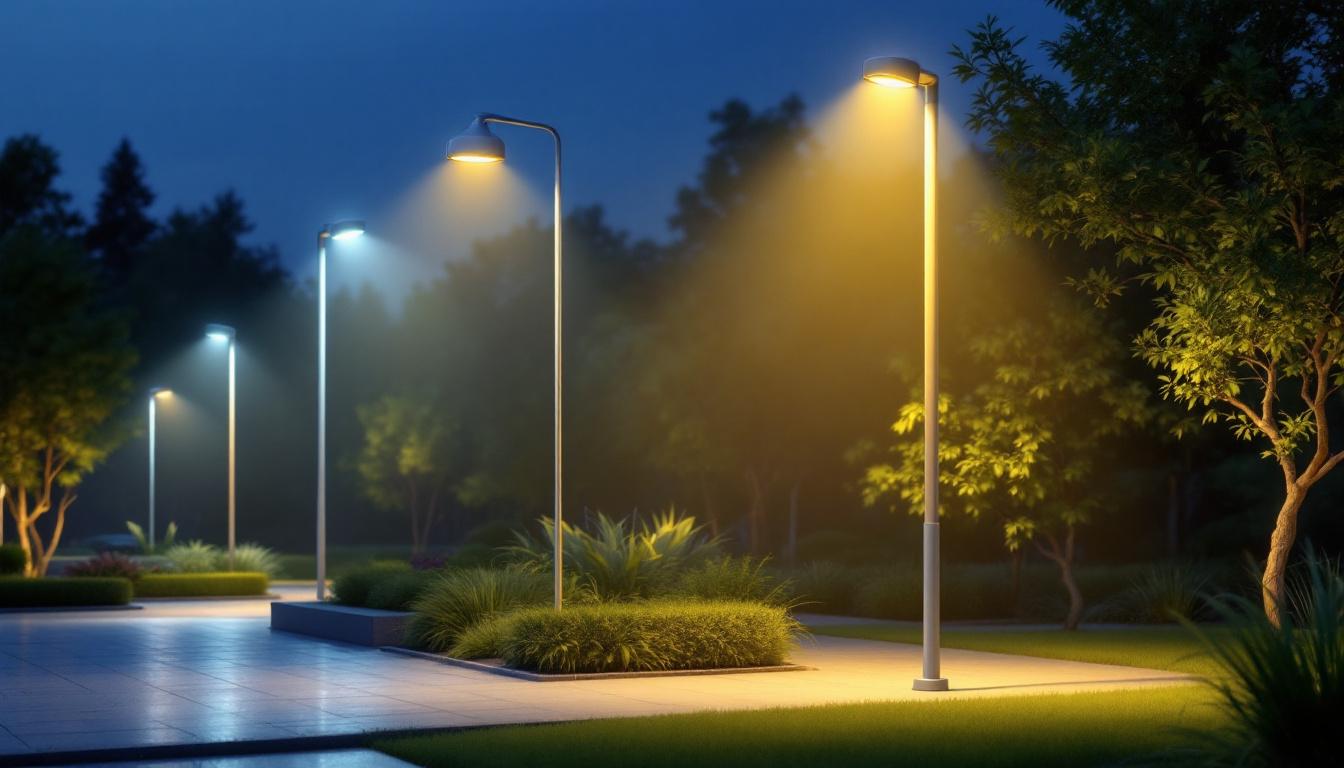
Understanding the Importance of Outdoor Light Poles in Lighting Projects
Outdoor light poles play a crucial role in the success of any exterior lighting project. For lighting contractors, selecting the right poles is not just about aesthetics; it’s about functionality, durability, and safety. These poles serve as the foundation for mounting lighting fixtures that illuminate streets, parking lots, parks, and commercial spaces, ensuring visibility and security during nighttime hours. The design and placement of these poles can also enhance the overall ambiance of an area, contributing to a welcoming atmosphere that encourages outdoor activities and promotes community engagement.
Choosing the appropriate outdoor light poles can significantly impact the overall performance and longevity of a lighting installation. Factors such as material strength, height, design, and compatibility with fixtures must be carefully evaluated. Moreover, understanding the environment where the poles will be installed—whether coastal, urban, or industrial—guides contractors in selecting poles that can withstand specific weather conditions and corrosive elements. For instance, in coastal areas, poles made from materials resistant to saltwater corrosion, such as aluminum or galvanized steel, are essential for ensuring long-term functionality. Additionally, the height of the poles can influence the spread of light, with taller poles often providing broader coverage, which is particularly beneficial in large open spaces or busy thoroughfares.
Furthermore, the integration of smart technology into outdoor light poles is becoming increasingly important in modern lighting projects. Many light poles now come equipped with sensors and connectivity features that allow for real-time monitoring and control of lighting levels based on environmental conditions or pedestrian activity. This not only enhances energy efficiency but also contributes to safety by ensuring that areas are adequately lit when needed. As cities continue to evolve and prioritize sustainability, the role of outdoor light poles in smart city initiatives cannot be overstated. These poles can serve as hubs for additional technology, such as cameras for surveillance, Wi-Fi hotspots, and even charging stations for electric vehicles, thereby transforming them into multifunctional assets that support urban infrastructure and community needs.
Key Considerations When Selecting Outdoor Light Poles
Material and Durability
One of the primary considerations for lighting contractors is the material used in outdoor light poles. Common materials include steel, aluminum, concrete, and fiberglass. Steel poles are favored for their strength and load-bearing capacity but require protective coatings to prevent rust and corrosion. Aluminum poles offer a lighter alternative with excellent corrosion resistance, making them ideal for coastal areas or humid climates.
Concrete poles provide exceptional durability and are often used in environments where vandalism or extreme weather is a concern. Fiberglass poles, while less common, offer resistance to corrosion and electrical conductivity, which can be advantageous in certain applications. Understanding the pros and cons of each material helps contractors recommend the best solution tailored to their client’s needs. Additionally, the environmental impact of the materials should also be considered; for instance, recycled materials can be a sustainable choice that appeals to eco-conscious clients.
Height and Load Capacity
The height of the light pole directly affects the distribution and coverage of light. For instance, street lighting typically requires poles ranging from 20 to 40 feet, while parking lots may use poles between 15 and 30 feet. Contractors must consider the mounting height to ensure optimal illumination without causing glare or light pollution.
Load capacity is equally important, especially when poles are expected to support multiple fixtures, banners, or surveillance cameras. Poles must be engineered to handle the combined weight and wind loads to maintain structural integrity over time. Working with manufacturers who provide detailed load ratings and engineering certifications can safeguard against failures and liability issues. Furthermore, it’s essential to account for future upgrades or additions, as the initial load capacity should ideally allow for potential expansions in lighting or technology without necessitating a complete replacement of the poles.
Design and Aesthetics
While functionality is paramount, the visual appeal of outdoor light poles should not be overlooked. Many commercial and residential projects require poles that complement the architectural style of the surroundings. Lighting contractors should be familiar with a variety of pole designs—from classic fluted and decorative styles to sleek, modern profiles.
Customizable options such as color finishes, decorative bases, and finials allow contractors to meet client specifications and enhance the overall ambiance of the project. Balancing aesthetics with practical considerations ensures that the lighting installation is both effective and visually pleasing. Moreover, integrating smart technology into the design can elevate the aesthetic appeal while providing additional functionality, such as energy-efficient LED lighting and smart controls that adjust brightness based on ambient light levels. This fusion of design and technology not only enhances the visual landscape but also promotes sustainability and energy conservation, aligning with contemporary urban planning goals.
Technical Specifications and Compliance
Industry Standards and Certifications
Compliance with industry standards is essential for ensuring safety and performance. Lighting contractors must verify that outdoor light poles meet relevant standards such as those established by the American National Standards Institute (ANSI), the Illuminating Engineering Society (IES), and Underwriters Laboratories (UL).
For example, UL listing confirms that poles have been tested for electrical safety and structural integrity. Additionally, poles should comply with local building codes and zoning regulations, which may dictate height restrictions, foundation requirements, and lighting levels. Staying informed about regulatory requirements helps contractors avoid costly project delays and ensures client satisfaction. Furthermore, adherence to sustainability standards, such as those set by the Leadership in Energy and Environmental Design (LEED), can enhance a project’s appeal by demonstrating a commitment to environmentally responsible practices. This can include using energy-efficient lighting technologies and materials that minimize environmental impact.
Foundation and Installation Requirements
Proper installation is critical to the longevity and safety of outdoor light poles. Contractors must assess soil conditions, wind speeds, and seismic activity to determine the appropriate foundation design. Typical foundations include concrete footings with anchor bolts, but variations exist depending on pole size and site conditions.
Manufacturers often provide detailed installation manuals and foundation specifications. Adhering to these guidelines not only guarantees structural stability but also facilitates inspection approvals. Lighting contractors should coordinate with civil engineers and site planners to ensure that installation meets all technical and safety standards. Additionally, the choice of materials for the poles and foundations can significantly impact durability and maintenance. For instance, galvanized steel or aluminum poles are often favored for their resistance to corrosion, which is particularly important in coastal areas where salt exposure can lead to rapid deterioration. By considering these factors, contractors can enhance the lifespan of the installations and reduce long-term maintenance costs, ultimately benefiting both the client and the environment.
Cost Factors and Budgeting for Outdoor Light Poles
Initial Purchase Price vs. Long-Term Value
When evaluating outdoor light poles for sale, contractors must balance upfront costs with long-term value. While cheaper poles may reduce initial expenses, they might incur higher maintenance costs or premature replacement due to inferior materials or design. Investing in quality poles can lead to fewer repairs, less downtime, and better client satisfaction.
It’s important to consider factors such as powder-coated finishes that extend corrosion resistance, modular designs that simplify fixture upgrades, and warranties offered by manufacturers. These elements contribute to the total cost of ownership and should be factored into project budgets.
Bulk Purchasing and Supplier Relationships
Lighting contractors often benefit from establishing relationships with reputable suppliers who offer competitive pricing for bulk orders. Purchasing multiple poles for large projects or multiple sites can lead to significant discounts and priority service. Reliable suppliers also provide technical support, custom fabrication options, and timely delivery schedules.
Evaluating supplier reputation, product availability, and after-sales service is essential. Contractors should seek vendors who demonstrate a commitment to quality and customer satisfaction, ensuring smooth project execution from procurement to installation.
Emerging Trends and Innovations in Outdoor Light Poles
Smart Lighting Integration
The rise of smart city initiatives has influenced the design and functionality of outdoor light poles. Modern poles increasingly incorporate smart technology such as integrated sensors, wireless communication modules, and energy-efficient LED fixtures. These advancements enable adaptive lighting controls, remote monitoring, and data collection for improved urban management.
Lighting contractors should stay informed about these innovations to offer clients solutions that enhance energy savings, reduce maintenance costs, and provide added value through connectivity. Selecting poles designed to accommodate smart components simplifies upgrades and future-proofs installations.
Sustainability and Eco-Friendly Materials
Environmental considerations are gaining prominence in outdoor lighting projects. Contractors are seeing increased demand for poles made from recycled materials or those that support sustainable manufacturing practices. Additionally, designs that facilitate easy recycling or reuse at the end of their lifecycle are becoming more popular.
Incorporating eco-friendly poles aligns with corporate social responsibility goals and can contribute to LEED certification or other green building standards. Lighting contractors who prioritize sustainability can differentiate themselves in a competitive market and appeal to environmentally conscious clients.
Conclusion: Best Practices for Lighting Contractors When Purchasing Outdoor Light Poles
For lighting contractors, selecting the right outdoor light poles is a multifaceted decision that impacts project success, safety, and client satisfaction. By thoroughly understanding material options, technical specifications, regulatory requirements, and emerging trends, contractors can make informed recommendations that meet both functional and aesthetic goals.
Building strong supplier partnerships, considering long-term value over initial cost, and staying abreast of innovations such as smart lighting integration and sustainable materials will position contractors as trusted experts in their field. Ultimately, well-chosen outdoor light poles contribute to safer, more attractive, and energy-efficient outdoor environments that benefit communities and clients alike.
Illuminate Your Projects with LumenWholesale
Ready to elevate your lighting projects with the finest outdoor light poles on the market? Look no further than LumenWholesale, where we provide contractors with spec-grade lighting solutions at unbeatable wholesale prices. Our commitment to quality and affordability ensures that you receive the best value for your investment. With our wide selection that meets rigorous industry standards, free shipping on bulk orders, and no middleman markups, you can trust us to light up your projects efficiently and cost-effectively. Don’t compromise on quality or price—choose LumenWholesale for your lighting needs. Wholesale Lighting at the Best Value is just a click away!