Understanding Motion Activated Spotlights: A Contractor’s Perspective
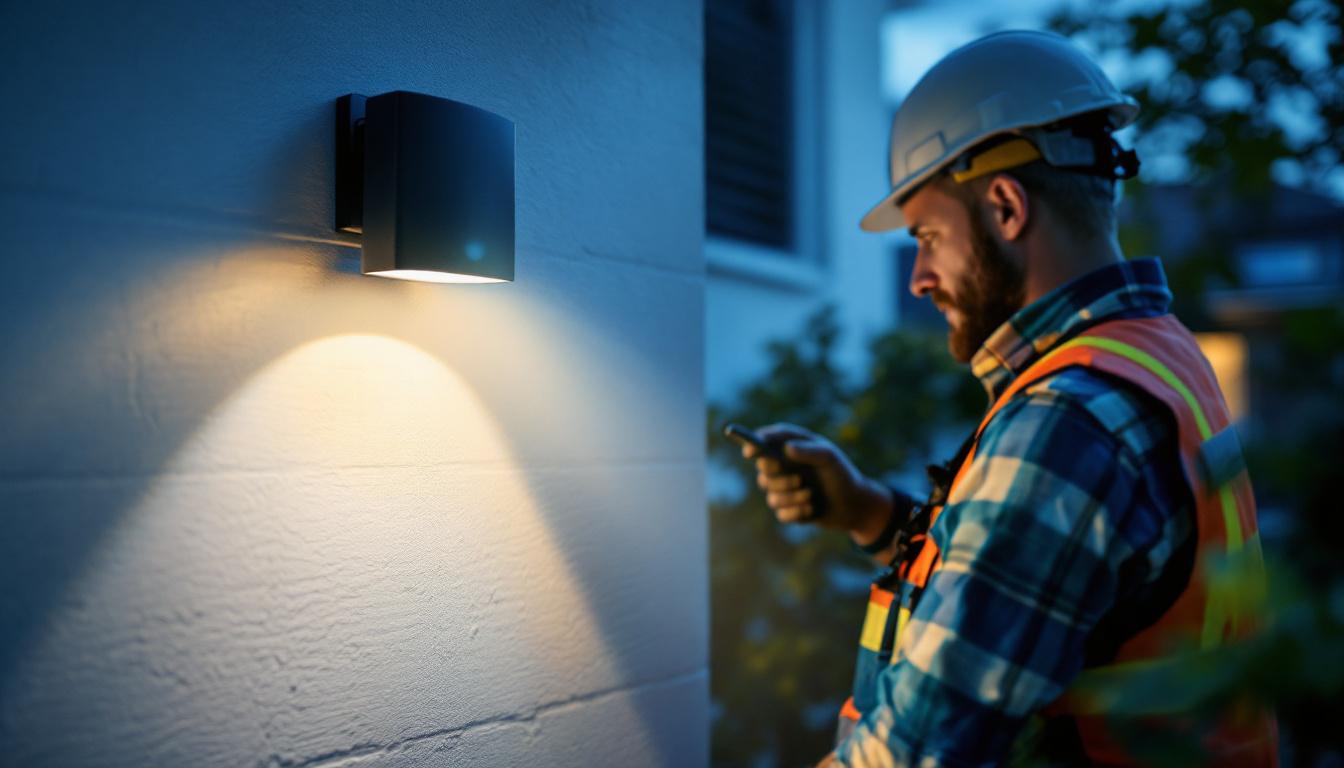
Motion activated spotlights have become an essential component in modern lighting solutions, especially for residential and commercial security. For lighting contractors, these devices offer an opportunity to enhance safety, energy efficiency, and client satisfaction. However, their effectiveness depends heavily on proper installation, configuration, and maintenance.
Before diving into the practical do’s and don’ts, it’s crucial to understand how these spotlights operate. Typically, they use passive infrared sensors (PIR) to detect changes in heat and movement within a specific range. Once triggered, the spotlight illuminates the area, deterring intruders and providing visibility. The technology is straightforward, but the nuances of installation and customization are where expertise is vital.
In addition to the basic functionality, contractors must consider the various environmental factors that can affect the performance of motion activated spotlights. For instance, the placement of the spotlight is critical; positioning it too low may result in false triggers from small animals, while placing it too high might limit its detection range. Furthermore, factors such as wind, rain, and even the angle of sunlight can influence how effectively the sensors work. Therefore, a thorough site assessment is necessary to determine the optimal locations for installation, ensuring that the spotlights serve their intended purpose without unnecessary interruptions.
Moreover, the selection of the right type of motion activated spotlight can significantly impact both performance and energy consumption. With advancements in LED technology, many modern spotlights offer adjustable sensitivity settings and timers, allowing for greater control over when and how long the lights remain on. This not only enhances security but also contributes to energy savings, a crucial consideration for environmentally conscious clients. Additionally, integrating these lights with smart home systems can provide homeowners with remote access and monitoring capabilities, further elevating the security measures in place. By staying informed about the latest innovations and best practices, contractors can provide tailored solutions that meet the unique needs of each client, ensuring satisfaction and peace of mind.
Do: Conduct a Thorough Site Assessment
Evaluate the Environment and Lighting Needs
One of the first steps in any lighting project is a comprehensive site assessment. For motion activated spotlights, this means evaluating the physical environment, potential sources of false triggers, and the client’s security objectives. Factors such as nearby trees, traffic patterns, and wildlife can influence sensor performance. For instance, overhanging branches may sway in the wind, inadvertently triggering the lights, while busy roads may create a consistent stream of activity that could lead to frequent false alarms. Understanding these nuances is crucial for creating a reliable lighting solution that serves its intended purpose without unnecessary disruptions.
Understanding the client’s needs is equally important. Are they looking for deterrence, safety for nighttime navigation, or aesthetic enhancement? Clarifying these goals will help determine the best type of motion sensor, spotlight wattage, and placement. Additionally, discussing the client’s lifestyle can provide insights into their specific requirements. For example, a family with children may prioritize safety and visibility in play areas, while a homeowner focused on security might prefer a more aggressive lighting strategy that highlights entry points and vulnerable areas. This tailored approach ensures that the lighting installation meets both functional and personal preferences.
Measure Sensor Range and Coverage
Each motion sensor has a specific detection range and angle, which must be matched to the installation site. Overlapping sensor fields can cause unnecessary activation, while insufficient coverage leaves blind spots. Lighting contractors should use tools like laser distance meters and angle finders to map out optimal sensor positioning. It’s also beneficial to conduct a test run of the sensors after installation to ensure they are functioning as intended. This real-world testing can reveal any adjustments needed to improve coverage and reduce false triggers, allowing for fine-tuning that enhances the overall effectiveness of the lighting system.
Moreover, the layout of the property plays a significant role in determining how sensors should be placed. For instance, areas with high foot traffic may require more sensitive sensors, while secluded spots might benefit from wider coverage. Additionally, considering the height at which the sensors are mounted can impact their effectiveness; higher placements may cover larger areas but could also reduce sensitivity. By meticulously analyzing these factors, contractors can create a lighting scheme that not only meets the technical specifications but also harmonizes with the property’s aesthetics and the client’s lifestyle.
Don’t: Overlook Proper Placement and Mounting
Avoid Installing Sensors Near Heat Sources or Moving Objects
One common mistake is placing motion sensors where they are likely to detect irrelevant heat signatures or movements. Air conditioners, vents, or even busy roads can cause frequent false activations, frustrating clients and wasting energy. Similarly, sensors aimed at tree branches or bushes that sway in the wind can trigger the spotlight unnecessarily. To mitigate these issues, it’s essential to conduct a thorough site assessment prior to installation. Consider the surrounding environment and potential sources of interference, such as wildlife or pedestrian traffic, which can also lead to unwanted activations. By strategically positioning the sensors away from these distractions, you can enhance their reliability and ensure they serve their intended purpose effectively.
Don’t Mount Spotlights Too Low or Too High
The height at which a spotlight is mounted affects both its coverage and vulnerability. Too low, and the fixture may be within reach of vandals or tampered with; too high, and the sensor may miss smaller movements or create shadows that reduce effectiveness. A typical recommendation is mounting between 8 to 12 feet, but this varies based on the specific device and site conditions. Additionally, consider the angle of the spotlight; a downward tilt can illuminate pathways and entry points without creating glare, while an upward angle may enhance visibility over larger areas. It’s also wise to take into account the beam spread of the light, as this will determine how much area is covered and whether additional fixtures are necessary for complete illumination. Properly evaluating these factors will not only improve security but also enhance the aesthetic appeal of the space.
Do: Choose the Right Technology and Features
Select Sensors with Adjustable Sensitivity and Timer Settings
Modern motion activated spotlights often come with adjustable sensitivity controls and timer functions. These features allow contractors to fine-tune the system to the environment and client preferences. For example, reducing sensitivity can prevent activation by small animals, while adjusting the timer ensures the light stays on long enough for safety without wasting energy.
Consider Integration with Smart Home Systems
Increasingly, clients expect lighting solutions that integrate seamlessly with smart home or security systems. Selecting spotlights compatible with Wi-Fi or Zigbee protocols can add value and future-proof the installation. This also allows remote control, scheduling, and real-time alerts, enhancing the overall user experience.
Don’t: Neglect Energy Efficiency and Compliance
Avoid Using High-Wattage Bulbs Unnecessarily
While bright illumination is important for security, using excessively high wattage bulbs can lead to increased energy costs and heat generation. LED technology offers a balance of brightness and efficiency, and contractors should recommend LED spotlights tailored to the site’s needs.
Don’t Ignore Local Regulations and Standards
Lighting contractors must be aware of local building codes, electrical standards, and environmental regulations. Improper installations can lead to fines, liability issues, or the need for costly rework. For example, some jurisdictions have rules about light pollution or require specific types of fixtures for outdoor security lighting.
Do: Provide Clear Client Education and Maintenance Plans
Explain Operation and Troubleshooting to Clients
Clients often underestimate the importance of understanding how their motion activated spotlights work. Contractors should take the time to explain sensor zones, sensitivity adjustments, and what to expect in terms of activation patterns. This reduces service calls and increases client satisfaction.
Offer Regular Maintenance and Inspection Services
Over time, sensors can become misaligned, dirty, or affected by environmental changes. Offering maintenance contracts or inspection services ensures the system continues to operate optimally. Cleaning lenses, checking wiring, and recalibrating sensors are simple steps that can prevent failures and extend the lifespan of the installation.
Don’t: Overcomplicate the Installation
Avoid Unnecessary Complexity That Can Confuse Clients
While advanced features and integrations add value, overcomplicating the system can lead to client frustration. Lighting contractors should balance sophistication with usability, ensuring that clients can easily operate and manage their spotlights without constant technical support.
Don’t Ignore Manufacturer Instructions and Best Practices
Each product comes with specific installation guidelines designed to optimize performance and safety. Deviating from these instructions can void warranties and lead to subpar results. Contractors should always follow manufacturer recommendations and stay updated on product changes or recalls.
Case Study: Successful Motion Activated Spotlight Installation
In a recent project for a suburban community center, a lighting contractor implemented motion activated spotlights to enhance nighttime security. The site assessment revealed that nearby street traffic and tree movement could cause false triggers. By selecting sensors with adjustable sensitivity and positioning them carefully away from heat sources, the contractor minimized false activations.
The spotlights were integrated with the center’s security system, allowing remote monitoring and scheduling. The client was educated on system operation and enrolled in a maintenance plan. Post-installation feedback showed a significant reduction in nighttime incidents and positive community response, demonstrating the value of thoughtful planning and execution.
Conclusion: Best Practices for Lighting Contractors
Motion activated spotlights are powerful tools for enhancing security and convenience when installed correctly. Lighting contractors must approach each project with a thorough understanding of the environment, client needs, and product capabilities. By adhering to the do’s and don’ts outlined above, contractors can deliver reliable, efficient, and user-friendly lighting solutions that stand the test of time.
Ultimately, success lies in balancing technical expertise with clear communication and ongoing support. This approach not only satisfies clients but also builds a reputation for quality and professionalism in the competitive lighting industry.
Illuminate Your Projects with LumenWholesale
Ready to elevate your lighting installations with the best in motion activated spotlights? At LumenWholesale, we provide lighting contractors with the highest quality, spec-grade lighting products at prices that can’t be beaten. Say goodbye to local distributor markups and hello to a vast selection of reliable, high-performance lighting that meets rigorous industry standards. Plus, enjoy the convenience of free shipping on bulk orders, ensuring you get the premium lighting you need at the best value — all without hidden fees. Don’t compromise on quality or cost. Wholesale Lighting at the Best Value is just a click away. Partner with LumenWholesale today and light up your projects with confidence and affordability.