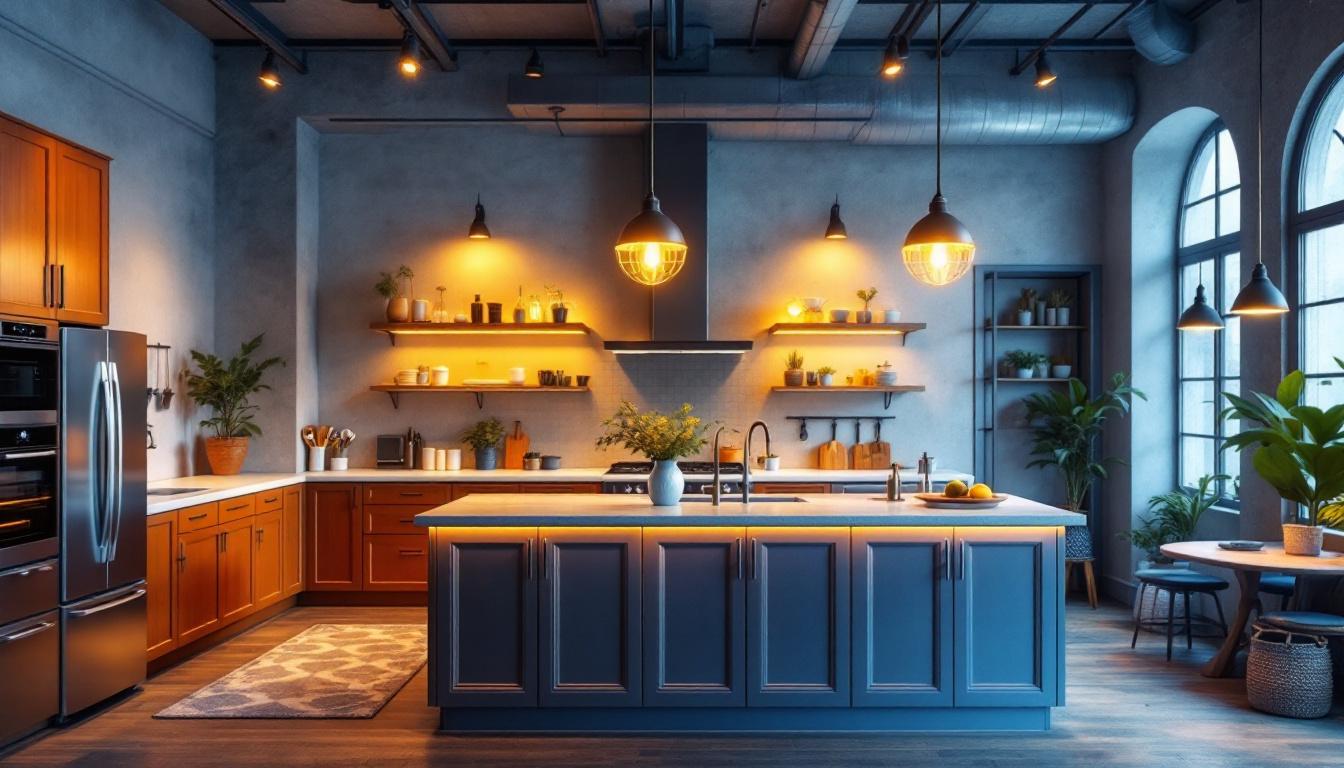
Understanding the Importance of Industrial Kitchen Island Lighting
Industrial kitchen island lights are more than just functional fixtures; they are pivotal in shaping the ambiance, efficiency, and safety of commercial and residential kitchens alike. For lighting contractors, mastering the installation and selection of these lights requires a deep understanding of both the technical and aesthetic demands of industrial kitchen environments.
Kitchen islands often serve as the central hub for food preparation, cooking, and social interaction. Proper lighting enhances visibility for detailed tasks such as chopping and plating, while also contributing to the overall atmosphere. In industrial settings, where precision and hygiene are paramount, lighting must meet stringent standards without compromising style.
Why Lighting Matters in Industrial Kitchens
Effective lighting in industrial kitchens ensures compliance with health and safety regulations, reduces the risk of accidents, and improves worker productivity. Studies have shown that well-lit workspaces can decrease errors and increase efficiency by up to 15%. For lighting contractors, understanding these stakes emphasizes the critical role their expertise plays in kitchen design and operation.
Moreover, the choice of lighting fixtures can significantly influence the mood and functionality of the kitchen. For instance, pendant lights not only provide focused illumination over the island but also serve as striking design elements that can enhance the industrial aesthetic. The use of dimmable LED options allows for flexibility, enabling kitchen staff to adjust lighting levels according to the time of day or specific tasks, which can be particularly beneficial during busy service hours or late-night preparations.
In addition to aesthetics and functionality, energy efficiency is another crucial factor in the selection of industrial kitchen lighting. With the rising costs of energy and increasing environmental concerns, many kitchens are now opting for energy-efficient lighting solutions. LED lights, for example, consume significantly less power than traditional incandescent bulbs and have a longer lifespan, making them a cost-effective choice in the long run. This not only helps in reducing operational costs but also aligns with sustainability goals that many businesses are striving to achieve.
Key Considerations for Selecting Industrial Kitchen Island Lights
Choosing the right lighting fixtures for kitchen islands involves balancing several factors, including brightness, color temperature, durability, and energy efficiency. Lighting contractors must evaluate these elements to recommend solutions that align with the client’s operational needs and design preferences.
Brightness and Light Distribution
Illumination levels in industrial kitchens typically require high lumen outputs to ensure clear visibility. The recommended lighting level for food preparation areas ranges between 500 to 1000 lux, depending on the complexity of tasks performed. Contractors should select fixtures that provide uniform light distribution to minimize shadows, which can hinder precision work.
Pendant lights are a popular choice for kitchen islands due to their focused illumination and aesthetic appeal. However, the size, height, and placement of these fixtures must be carefully planned to avoid glare and uneven lighting. In addition to pendant lights, linear LED fixtures can also be an excellent option for providing consistent light across larger surfaces, ensuring that every corner of the kitchen island is well-lit. The use of adjustable fixtures can further enhance flexibility, allowing chefs to direct light where it is needed most during different stages of food preparation.
Color Temperature and CRI
Color temperature significantly impacts the appearance of food and the mood of the kitchen space. Industrial kitchens benefit from lighting in the cool white range (around 4000K to 5000K), which enhances visibility and creates a clean, professional atmosphere.
Additionally, a high Color Rendering Index (CRI) of 80 or above is essential to accurately display food colors, aiding chefs in quality control and presentation. Lighting contractors should prioritize fixtures with high CRI ratings to meet these requirements. Furthermore, some kitchens may benefit from adjustable color temperature fixtures that allow for a shift from cooler to warmer tones, adapting the lighting to different tasks or times of day. This versatility can help create a more inviting atmosphere during service hours while maintaining functionality during busy prep times.
Durability and Maintenance
Industrial kitchens are harsh environments characterized by heat, moisture, and frequent cleaning. Lighting fixtures must be robust, resistant to corrosion, and easy to maintain. Materials such as stainless steel and tempered glass are preferred for their longevity and hygiene compliance.
Contractors should also consider fixtures with sealed designs to prevent grease and dust accumulation, reducing maintenance needs and prolonging lifespan. Additionally, the integration of antimicrobial coatings can further enhance hygiene by minimizing the growth of bacteria on surfaces. Regular maintenance schedules should also be established to ensure that all lighting systems remain operational and effective, which is crucial in maintaining safety and productivity in a bustling kitchen environment.
Energy Efficiency and Sustainability
With rising energy costs and increasing environmental awareness, energy-efficient lighting solutions are a priority. LED technology offers significant advantages, including lower power consumption, longer lifespan, and reduced heat emission compared to traditional incandescent or fluorescent lights.
Lighting contractors can help clients achieve sustainability goals by specifying LED fixtures with dimmable features and smart controls, enabling tailored lighting scenarios that conserve energy without sacrificing performance. The implementation of motion sensors can also contribute to energy savings by ensuring lights are only on when the kitchen is in use. As more kitchens aim for LEED certification or other sustainability benchmarks, the choice of lighting will play a crucial role in meeting these standards while also enhancing the overall functionality and aesthetic of the space.
Installation Best Practices for Industrial Kitchen Island Lights
Proper installation is critical to maximizing the effectiveness and safety of kitchen island lighting. Lighting contractors must adhere to industry standards and best practices to ensure optimal results.
Planning and Layout
Before installation, a comprehensive lighting plan should be developed, taking into account the kitchen layout, island dimensions, ceiling height, and workflow patterns. This planning phase includes determining the number and placement of fixtures to achieve balanced illumination.
Using lighting design software or photometric analysis can assist contractors in visualizing light distribution and identifying potential problem areas such as shadows or glare.
Height and Positioning
Pendant lights over kitchen islands are typically installed at a height between 28 to 34 inches above the countertop surface. This range provides adequate task lighting while maintaining clear sightlines and avoiding head bumps.
Contractors should also ensure that fixtures are centered over the island and spaced evenly to create a cohesive look and consistent lighting.
Wiring and Safety Compliance
Industrial kitchens require wiring that can withstand exposure to moisture, heat, and cleaning chemicals. Lighting contractors must use appropriate conduit and wiring rated for commercial kitchen environments.
Compliance with local electrical codes and safety standards, such as National Electrical Code (NEC) guidelines, is mandatory. Proper grounding, circuit protection, and the use of GFCI outlets where necessary contribute to a safe installation.
Integration with Controls and Automation
Modern industrial kitchens often incorporate lighting controls that allow for dimming, scheduling, and scene setting. Installing compatible dimmers, occupancy sensors, and smart lighting systems enhances energy efficiency and user convenience.
Lighting contractors should coordinate with kitchen designers and facility managers to integrate lighting controls seamlessly into the overall kitchen management systems.
Common Challenges and Solutions in Industrial Kitchen Island Lighting
Lighting contractors frequently encounter challenges unique to industrial kitchen environments. Anticipating these issues and applying effective solutions is essential for project success.
Managing Heat and Moisture
Heat from cooking appliances and high humidity levels can degrade lighting fixtures if not properly addressed. Selecting fixtures with high Ingress Protection (IP) ratings and heat-resistant materials mitigates these risks.
Additionally, ensuring adequate ventilation around lighting fixtures helps dissipate heat and prolongs fixture life.
Minimizing Glare and Shadows
Glare can cause discomfort and reduce visibility, while shadows can obscure critical work areas. Using diffusers, adjustable fixtures, or multiple light sources helps distribute light evenly and reduce harsh contrasts.
Contractors can also employ indirect lighting techniques or wall-mounted supplementary lights to complement island lighting and enhance overall brightness.
Adapting to Changing Kitchen Layouts
Industrial kitchens may undergo renovations or reconfigurations that affect lighting needs. Installing modular or adjustable lighting systems allows for flexibility and easy adaptation to new layouts without extensive rewiring.
Lighting contractors should discuss future-proofing options with clients during the design phase to accommodate potential changes.
Enhancing Aesthetics While Maintaining Functionality
While industrial kitchen island lights must meet rigorous functional requirements, aesthetics remain a vital consideration. Lighting contractors play a crucial role in marrying form and function to create visually appealing and practical kitchen spaces.
Choosing Styles That Complement Industrial Design
Industrial kitchen aesthetics often feature raw materials like metal, concrete, and exposed ductwork. Lighting fixtures with finishes such as brushed nickel, matte black, or aged brass complement these design elements.
Pendant lights with minimalist or vintage-inspired designs can enhance the industrial vibe while providing effective illumination.
Using Lighting to Define Space
Lighting can delineate the kitchen island as a focal point, distinguishing it from other areas. Layering ambient, task, and accent lighting creates depth and visual interest.
Contractors can recommend fixtures that cast warm, inviting light to encourage social interaction around the island, balancing the utilitarian nature of industrial kitchens with comfort.
Incorporating Custom and Specialty Fixtures
Custom lighting solutions, such as oversized pendants or fixtures with unique shapes, can add character and brand identity to commercial kitchens. Specialty fixtures designed for industrial use often include features like adjustable arms or integrated task lights.
Lighting contractors should collaborate with manufacturers and designers to source or create fixtures that meet both functional and aesthetic goals.
Conclusion: Mastering Industrial Kitchen Island Lighting as a Contractor
For lighting contractors, mastering industrial kitchen island lighting involves a comprehensive approach that balances technical expertise, regulatory compliance, and design sensibility. Understanding the unique demands of industrial kitchens—from brightness and durability to energy efficiency and aesthetics—enables contractors to deliver lighting solutions that enhance safety, productivity, and ambiance.
By staying informed about the latest lighting technologies, adhering to best installation practices, and anticipating common challenges, contractors can position themselves as trusted partners in the creation of efficient and visually compelling kitchen environments. Ultimately, successful industrial kitchen island lighting transforms a functional workspace into a dynamic hub of culinary excellence.
Illuminate Your Projects with LumenWholesale
Ready to elevate your industrial kitchen island lighting projects? At LumenWholesale, we provide lighting contractors with the highest quality, spec-grade lighting products at prices that can’t be beaten. Say goodbye to unnecessary markups and hello to a vast selection of reliable, high-performance lighting that meets the most rigorous industry standards. Plus, with free shipping on bulk orders, you can stock up on premium lighting solutions without worrying about hidden fees. Don’t compromise on quality or value; choose LumenWholesale for the perfect fusion of affordability and convenience. Discover our wholesale lighting deals and secure the best value for your next project.