Understanding the Importance of Commercial Outdoor Wall Lighting
For lighting contractors, commercial outdoor wall lighting represents a critical component of any building’s exterior design and functionality. Beyond mere illumination, these fixtures contribute to safety, security, aesthetics, and energy efficiency. As urban environments become more complex and client expectations rise, contractors must grasp the multifaceted role of outdoor wall lighting to deliver optimal solutions.
Commercial properties—from office complexes and retail centers to hospitality venues and industrial facilities—demand lighting that balances performance with durability. Unlike residential lighting, commercial applications often require fixtures that can withstand harsher environmental conditions, comply with stringent codes, and provide consistent illumination over large areas.
Moreover, the design of outdoor wall lighting can significantly influence the perception of a business. Well-placed fixtures can enhance architectural features, create inviting atmospheres, and even guide foot traffic effectively. For example, strategically positioned wall lights can highlight entryways, signage, and pathways, making it easier for customers to navigate the space after dark. This not only improves the overall aesthetic appeal but also fosters a sense of safety and comfort, encouraging patrons to linger longer and explore the offerings of a business.
In addition to aesthetics and safety, energy efficiency plays a pivotal role in the selection of outdoor wall lighting. With the rise of sustainable practices, many commercial properties are turning to LED technology, which offers longer lifespans and lower energy consumption compared to traditional lighting options. This shift not only reduces operational costs but also aligns with environmental goals, appealing to eco-conscious consumers. Furthermore, the integration of smart lighting systems allows for adaptive brightness levels based on real-time conditions, further enhancing energy savings while maintaining optimal visibility and security throughout the property.
Key Considerations When Selecting Commercial Outdoor Wall Lighting
Durability and Weather Resistance
One of the foremost factors lighting contractors must evaluate is the fixture’s ability to endure outdoor elements. Commercial outdoor wall lights are exposed to rain, wind, dust, temperature fluctuations, and sometimes corrosive environments. Selecting fixtures with appropriate Ingress Protection (IP) ratings—typically IP65 or higher—is essential to ensure longevity and reduce maintenance costs.
Materials such as die-cast aluminum, stainless steel, and polycarbonate lenses are preferred for their resistance to rust, corrosion, and impact. Additionally, finishes with UV-resistant coatings help maintain appearance and performance over time. It is also worth considering fixtures that have been tested for extreme weather conditions, such as high winds or heavy snowfall, especially in regions prone to harsh climates. This additional layer of assurance can significantly enhance the reliability of the lighting solution, ensuring that it remains functional and visually appealing in all seasons.
Energy Efficiency and Sustainability
Energy consumption is a major concern for commercial clients aiming to reduce operating costs and meet sustainability goals. LED technology has revolutionized outdoor lighting by offering superior energy efficiency, longer lifespan, and lower heat output compared to traditional incandescent or metal halide lamps.
Contractors should prioritize LED fixtures with high efficacy (lumens per watt) and consider options with integrated controls such as motion sensors, daylight harvesting, and programmable timers. These features help optimize energy use by adjusting illumination based on occupancy and ambient light levels. Furthermore, the integration of smart lighting systems can provide real-time data analytics, allowing businesses to monitor energy usage patterns and make informed decisions about their lighting strategies. This not only contributes to cost savings but also supports broader environmental initiatives by reducing the overall carbon footprint of the facility.
Compliance with Codes and Standards
Commercial lighting installations must adhere to local building codes, electrical standards, and safety regulations. For example, compliance with the National Electrical Code (NEC) ensures proper wiring and grounding practices, while adherence to the International Dark-Sky Association’s guidelines helps minimize light pollution.
Understanding these requirements is critical to avoid costly rework, ensure occupant safety, and maintain good standing with regulatory authorities. Lighting contractors should stay updated on evolving standards and incorporate code-compliant fixtures and installation methods into their projects. Additionally, engaging with local authorities or industry associations can provide valuable insights into best practices and emerging trends in commercial lighting, further enhancing the contractor’s ability to deliver compliant and innovative solutions.
Light Distribution and Glare Control
Effective commercial outdoor wall lighting requires careful consideration of light distribution patterns to provide uniform illumination without creating glare or light trespass. Fixtures with adjustable optics or shielding can direct light precisely where needed, enhancing visibility and reducing energy waste.
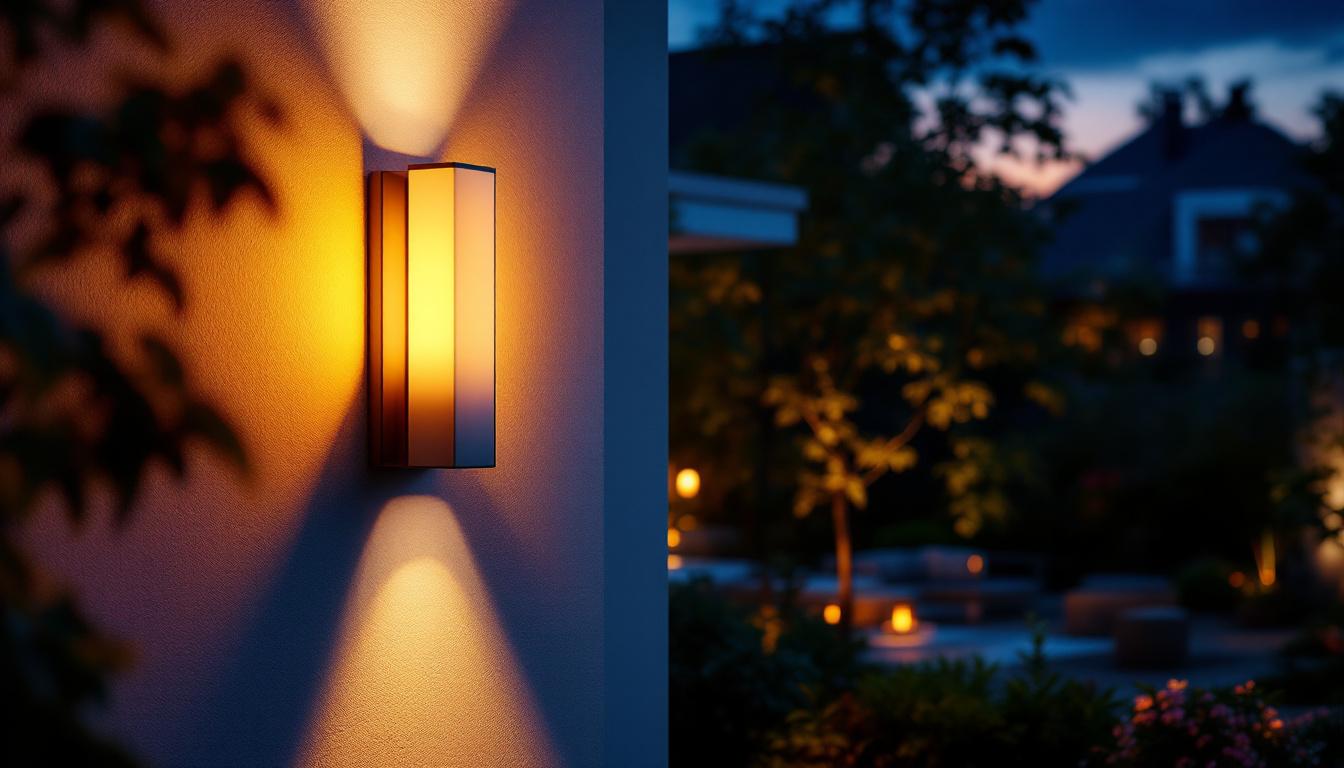
For instance, wall-mounted sconces with downward-facing lenses are commonly used to illuminate walkways and entrances while minimizing upward light spill. Contractors should evaluate photometric data and conduct site assessments to select fixtures that meet the functional and aesthetic demands of each project. In addition, utilizing advanced lighting simulation software can help visualize how different fixtures will perform in a specific environment, allowing for more informed decisions that align with both safety and design objectives. This proactive approach not only improves the overall effectiveness of the lighting but also enhances the user experience by creating inviting and safe outdoor spaces.
Installation Best Practices for Commercial Outdoor Wall Lighting
Site Assessment and Planning
Before installation, a thorough site assessment is indispensable. This includes analyzing the building’s architecture, surrounding landscape, security requirements, and existing electrical infrastructure. Understanding these factors enables contractors to design a lighting layout that maximizes effectiveness and minimizes installation challenges.
Planning should also account for future maintenance access, potential expansion, and integration with other building systems such as security cameras or emergency lighting.
Electrical Considerations and Safety
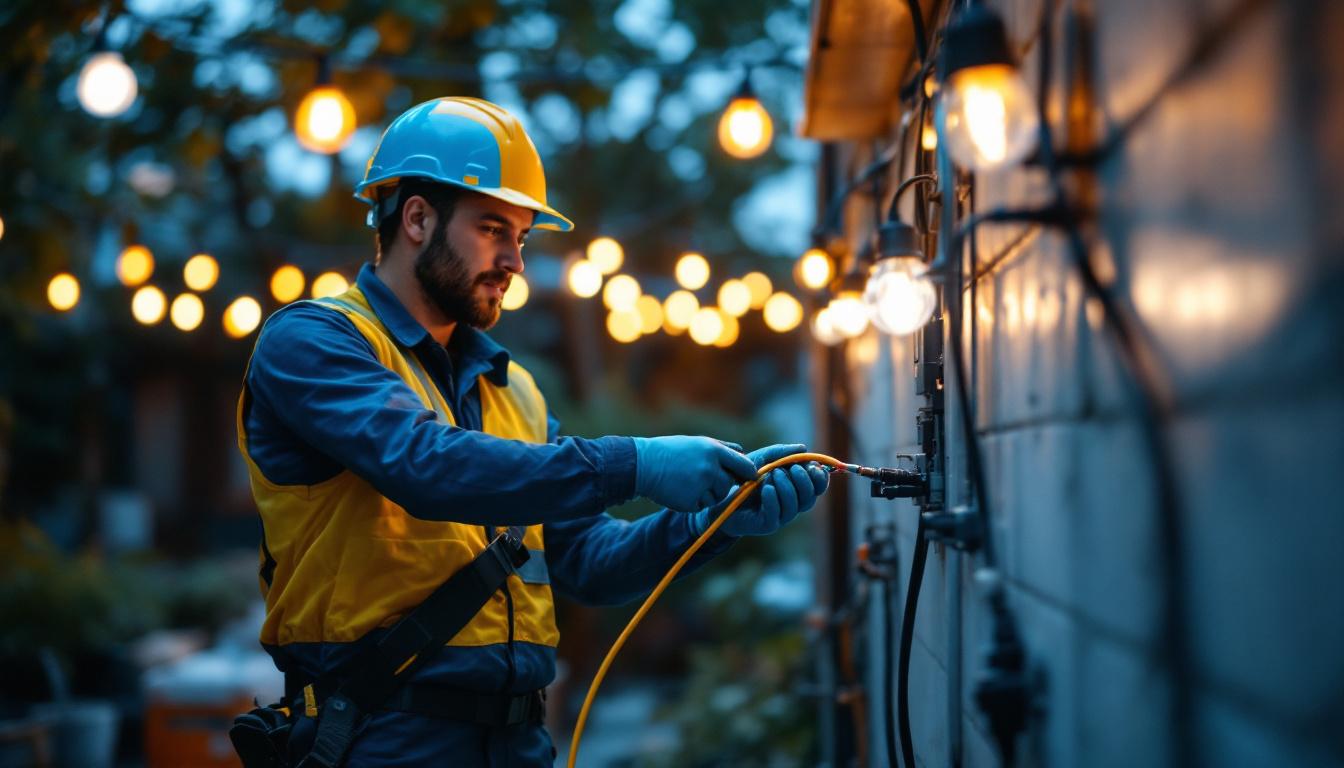
Commercial outdoor lighting installations often involve higher voltages and more complex wiring than residential projects. Contractors must ensure that all electrical components—wiring, connectors, junction boxes, and fixtures—are rated for outdoor use and installed according to manufacturer specifications and code requirements.
Ground-fault circuit interrupters (GFCIs) and surge protectors are recommended to enhance safety and protect equipment from electrical faults and lightning strikes. Proper grounding and bonding also reduce the risk of electrical hazards.
Mounting Techniques and Fixture Positioning
Correct mounting height and positioning are vital for achieving desired lighting effects and ensuring fixture stability. Commercial wall lights are typically installed between 7 to 12 feet above ground level, depending on the application and fixture type.
Contractors should use appropriate anchors and fasteners suited to the building material—whether brick, concrete, metal, or wood—to secure fixtures firmly. Additionally, attention to alignment and orientation ensures consistent light distribution and enhances the overall aesthetic.
Emerging Trends and Technologies in Commercial Outdoor Wall Lighting
Smart Lighting and IoT Integration
Smart lighting systems are transforming commercial outdoor lighting by enabling remote control, real-time monitoring, and adaptive illumination. Through Internet of Things (IoT) connectivity, contractors can offer clients solutions that adjust lighting based on occupancy, weather conditions, or time of day, resulting in significant energy savings and enhanced user experience.
Integration with building management systems (BMS) allows for centralized control and data analytics, helping facility managers optimize lighting performance and maintenance schedules.
Human-Centric and Adaptive Lighting
Recent research highlights the impact of lighting on human health and behavior. Human-centric lighting strategies focus on replicating natural light patterns to support circadian rhythms, improve mood, and increase productivity. For commercial outdoor environments, adaptive lighting can enhance safety and comfort by adjusting color temperature and intensity dynamically.
Implementing tunable white LEDs and sensors enables lighting contractors to create environments that respond intelligently to occupant needs and environmental cues.
Advanced Materials and Sustainable Design
Innovations in materials science are driving the development of more sustainable and resilient lighting fixtures. Use of recycled materials, low-impact manufacturing processes, and modular designs that facilitate easy repair or upgrade contribute to reducing the environmental footprint of commercial lighting projects.
Contractors who prioritize sustainable products can help clients achieve green building certifications such as LEED or WELL, adding value to their services.
Maintenance and Troubleshooting for Commercial Outdoor Wall Lighting
Routine Inspection and Cleaning
Regular maintenance is essential to preserve performance and extend the lifespan of outdoor wall lighting. Contractors should advise clients on periodic inspection schedules to check for fixture damage, corrosion, and electrical issues.
Cleaning lenses and housing removes dirt and debris that can diminish light output. Using appropriate cleaning agents and methods prevents damage to sensitive components.
Common Issues and Solutions
Typical problems encountered in commercial outdoor lighting include flickering, dimming, or complete failure of fixtures. Causes may range from faulty wiring and power surges to degraded LEDs or driver malfunctions.
Lighting contractors should be equipped to diagnose these issues promptly, utilizing tools such as multimeters and thermal cameras. Replacement of components or entire fixtures should be conducted with minimal disruption to building operations.
Upgrading and Retrofitting Opportunities
As technology advances, many commercial properties benefit from upgrading existing outdoor wall lighting to more efficient and feature-rich systems. Retrofitting LED modules into older fixtures or replacing outdated controls can enhance performance while reducing costs.
Contractors can position themselves as trusted advisors by offering energy audits and upgrade recommendations tailored to client needs and budgets.
Conclusion: Delivering Value Through Expertise and Innovation
Commercial outdoor wall lighting is a complex and evolving field that demands technical expertise, attention to detail, and a proactive approach from lighting contractors. By understanding the critical factors influencing fixture selection, installation, and maintenance, contractors can deliver lighting solutions that meet client expectations for safety, aesthetics, efficiency, and sustainability.
Embracing emerging technologies and sustainable practices further distinguishes contractors in a competitive market, enabling them to provide innovative, future-proof lighting systems that enhance commercial environments and contribute to long-term success.
Illuminate Your Projects with LumenWholesale
Ready to elevate your commercial outdoor wall lighting projects with the highest quality fixtures at the best value? Look no further than LumenWholesale. Our spec-grade lighting products are designed to meet your most demanding requirements, ensuring durability, energy efficiency, and compliance with the latest standards. With unbeatable wholesale prices and the convenience of free shipping on bulk orders, LumenWholesale is your go-to source for lighting that combines quality with affordability. Discover our selection and start saving on Wholesale Lighting at the Best Value today.