Understanding the Basics: Why the Number of Can Lights Matters
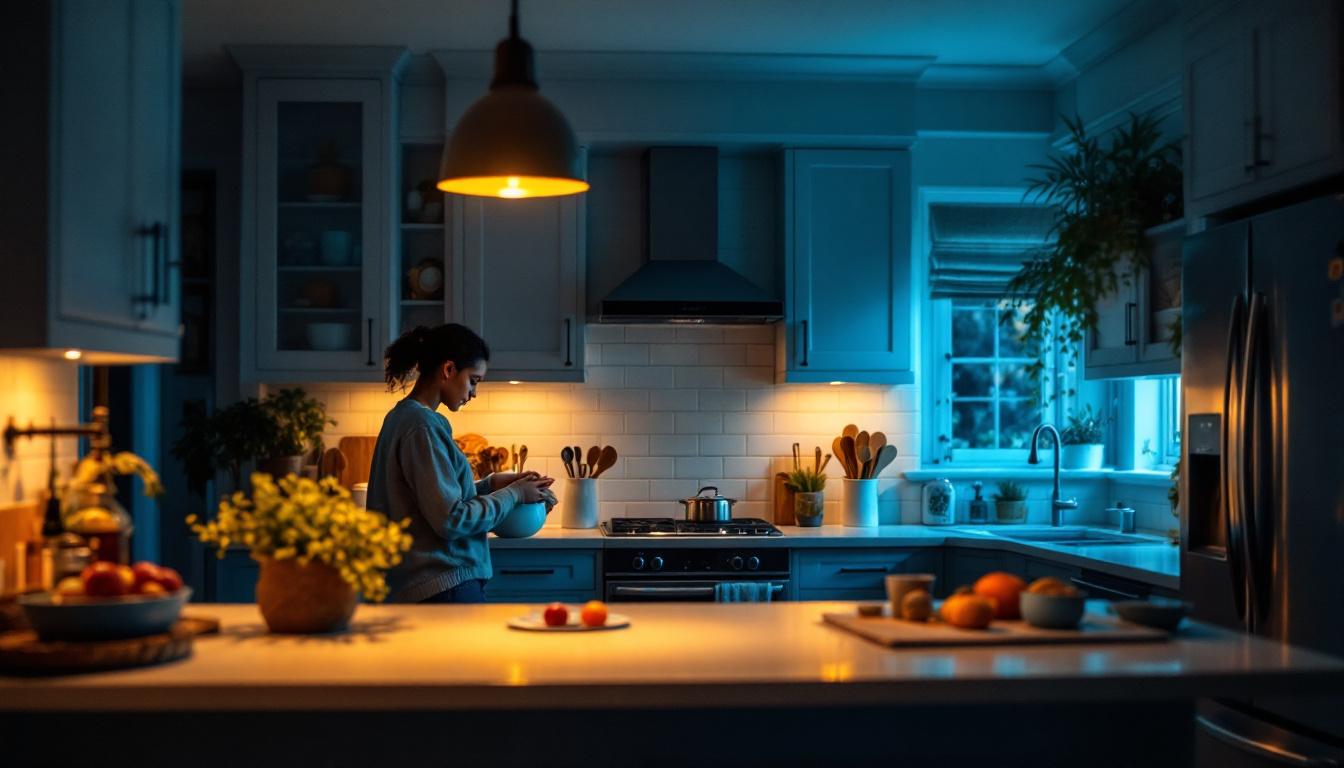
For lighting contractors, determining the appropriate number of can lights in a kitchen is a critical aspect of project planning and execution. Can lights, also known as recessed lights, provide a clean, modern look while delivering effective illumination. However, the number installed directly impacts both aesthetics and functionality.
Too few can lights can leave areas dim and uninviting, while too many may cause glare, increase energy consumption unnecessarily, and inflate costs. Striking the right balance requires a nuanced understanding of kitchen size, layout, ceiling height, and the intended use of the space.
Moreover, lighting contractors must consider client preferences and the integration of can lights with other lighting types such as pendant lights, under-cabinet lighting, and chandeliers. This holistic approach ensures the kitchen is well-lit for cooking, dining, and socializing.
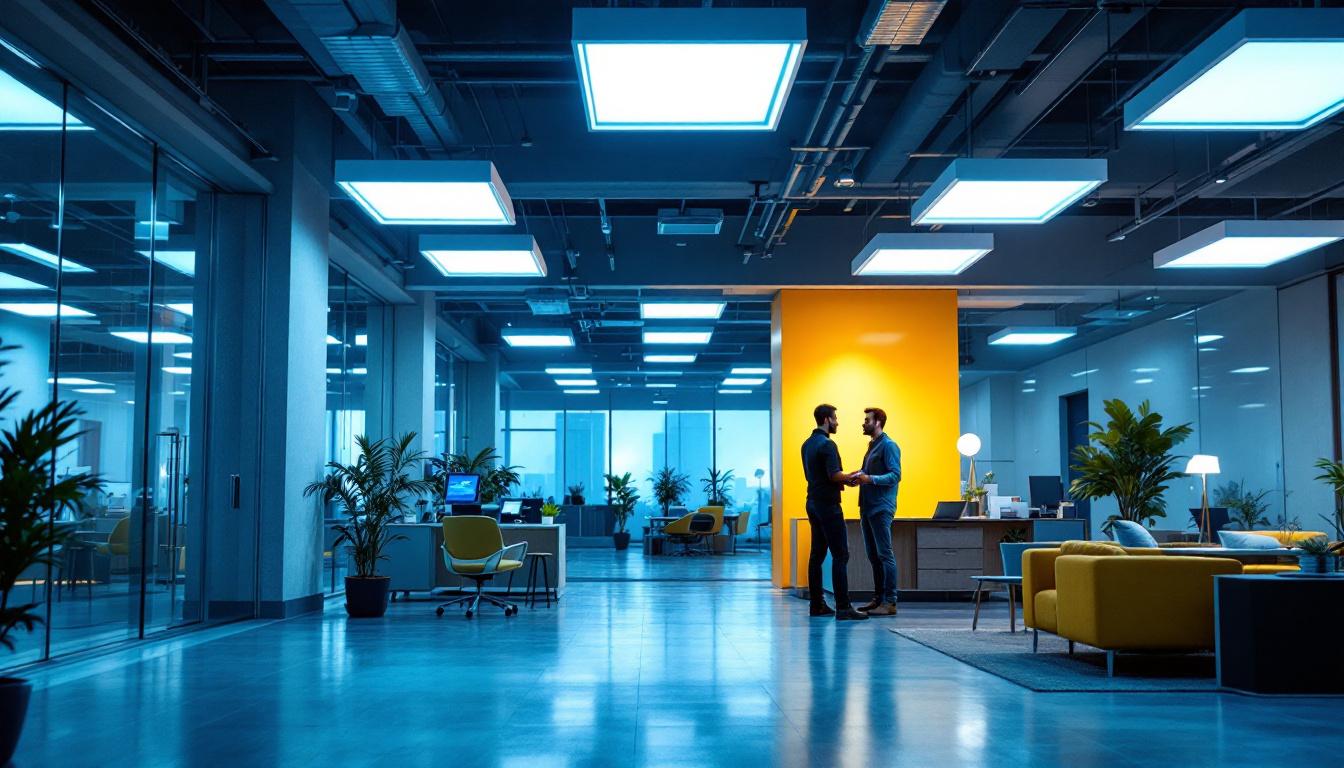
In addition to these considerations, the color temperature of the can lights plays a significant role in creating the desired ambiance. Warmer light temperatures can evoke a cozy, inviting atmosphere, perfect for family gatherings, while cooler temperatures can enhance focus and clarity, ideal for meal preparation. The choice of dimmable fixtures can also add versatility, allowing homeowners to adjust the brightness according to the time of day or occasion, further enhancing the kitchen’s functionality.
Furthermore, the placement of can lights is just as crucial as the number. Strategically positioning these lights can help eliminate shadows and ensure even distribution of light across work surfaces. For instance, placing can lights directly above key areas such as the island, sink, and stove can significantly improve visibility and safety while cooking. By combining thoughtful placement with the right number of fixtures, lighting contractors can create a kitchen that is not only visually appealing but also highly functional, catering to the diverse needs of its users.
Calculating the Number of Can Lights: Practical Guidelines
General Rule of Thumb
A widely accepted guideline among lighting professionals is to space can lights approximately 4 to 6 feet apart, depending on the ceiling height and desired brightness. For an 8-foot ceiling, placing can lights about 4 feet apart typically provides even illumination without harsh shadows.
For example, a 12-by-15-foot kitchen might require between 8 to 12 can lights to achieve balanced lighting. However, this is just a starting point; factors such as the wattage of bulbs, beam angle, and light color temperature also influence the final layout. The wattage of the bulbs can significantly affect the overall brightness; for instance, using LED bulbs can provide more lumens per watt compared to traditional incandescent bulbs, allowing for fewer fixtures while still achieving the desired illumination level.
Considering Ceiling Height and Room Dimensions
Higher ceilings generally require can lights to be spaced further apart or equipped with bulbs that have a narrower beam angle to maintain adequate light intensity on surfaces below. Conversely, lower ceilings benefit from closer spacing and wider beam angles to avoid dark spots.
Lighting contractors often use lighting design software or photometric data to simulate how light will distribute in a given kitchen. This approach helps optimize the number and placement of can lights, ensuring both energy efficiency and visual comfort. Additionally, it’s essential to consider the room’s function; for instance, a kitchen may benefit from brighter, task-oriented lighting over countertops, while a living room might require softer, ambient lighting to create a cozy atmosphere. Incorporating dimmers can also enhance flexibility, allowing homeowners to adjust the brightness according to the time of day or activity, further enhancing the overall functionality and aesthetic of the space.
Real-World Success Stories: Lessons from the Field
Case Study 1: Maximizing Functionality in a Compact Kitchen
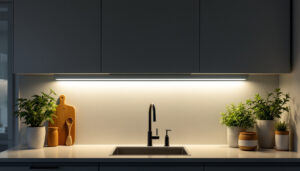
A lighting contractor working on a 10-by-12-foot galley kitchen faced the challenge of providing ample lighting without overcrowding the ceiling. By installing six can lights spaced evenly and supplementing with under-cabinet LED strips, the contractor achieved a bright, inviting space that met the homeowner’s needs.
The client appreciated the unobtrusive lighting design that enhanced the kitchen’s functionality while maintaining a sleek aesthetic. This project highlights the importance of combining can lights with task lighting to optimize illumination in smaller kitchens. Additionally, the choice of color temperature for the LEDs—set to a warm white—created an inviting atmosphere that made the kitchen feel more spacious and welcoming. The contractor also suggested using reflective surfaces, such as a glossy backsplash, to bounce light around the room, further enhancing the overall brightness without adding more fixtures.
Case Study 2: Enhancing Ambiance in an Open-Concept Kitchen
In a large open-concept kitchen measuring 20 by 25 feet, a lighting contractor installed 18 can lights arranged in a grid pattern, complemented by pendant lights over the island and dimmable switches. This design allowed for flexible lighting scenarios, from bright task lighting during meal prep to softer ambient lighting for entertaining.
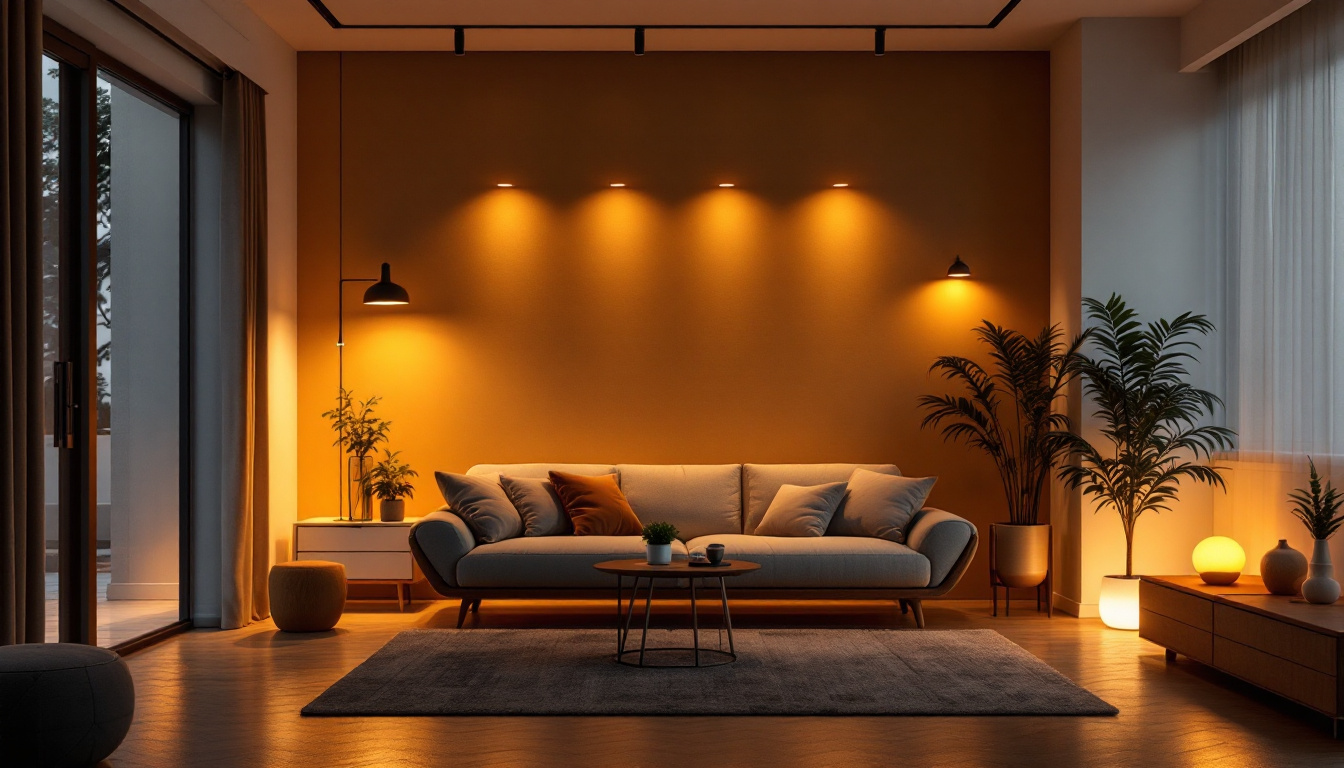
The use of dimmers and layered lighting techniques provided the client with control over mood and functionality, demonstrating how can lights can be integrated into a comprehensive lighting plan for expansive spaces. Furthermore, the contractor introduced accent lighting to highlight architectural features, such as a decorative range hood and open shelving, which not only added visual interest but also served to create a warm and inviting focal point in the room. The strategic placement of lights ensured that no corner of the kitchen was left in shadow, making the space feel cohesive and well-lit from every angle.
Case Study 3: Energy Efficiency and Smart Controls
A contractor working on a modern kitchen renovation incorporated 10 LED can lights with smart dimming capabilities. The client wanted to reduce energy consumption without sacrificing light quality. By selecting energy-efficient fixtures and integrating smart controls, the project achieved a 40% reduction in lighting energy use compared to traditional incandescent setups.
This success story underscores the growing importance of energy-efficient lighting solutions and the role of smart technology in contemporary kitchen lighting design. The contractor also implemented a smart home system that allowed the homeowner to control the lighting via a mobile app, enabling them to adjust settings remotely or set schedules for different times of the day. This not only enhanced convenience but also contributed to energy savings by ensuring lights were only on when needed. The integration of motion sensors further optimized energy use, automatically turning lights off when the kitchen was unoccupied, showcasing a forward-thinking approach to modern kitchen design that prioritizes sustainability and user-friendliness.
Key Considerations for Lighting Contractors When Planning Can Light Installations
Compliance with Building Codes and Safety Standards
Lighting contractors must ensure that can light installations comply with local building codes and safety regulations. This includes proper spacing from insulation, use of IC-rated fixtures in insulated ceilings, and adherence to electrical codes regarding wiring and circuit loads.
Failure to meet these standards can result in safety hazards, project delays, and additional costs. Staying informed about the latest codes and manufacturer guidelines is essential for professional success. Additionally, contractors should consider the importance of conducting thorough inspections before and after installation. This not only ensures compliance but also helps in identifying potential issues early on, which can save time and resources in the long run. Regular training sessions and workshops can also keep contractors updated on any changes in regulations, enabling them to provide the safest and most efficient service possible.
Balancing Aesthetics and Practicality
While functionality is paramount, lighting contractors also need to consider the aesthetic impact of can lights. The choice of trim styles, finishes, and bulb color temperatures can dramatically affect the kitchen’s ambiance.
Contractors who collaborate closely with clients and interior designers often achieve the best results, ensuring that lighting complements cabinetry, countertops, and overall design themes. Beyond just the visual appeal, the placement of can lights can influence how space is perceived; strategically placed fixtures can create depth and highlight architectural features, making a room feel larger and more inviting. Furthermore, understanding the psychology of color and light can help contractors recommend the best options for creating specific moods, whether it’s a warm, cozy atmosphere for family gatherings or bright, focused lighting for culinary tasks.
Future-Proofing Lighting Designs
With rapid advancements in lighting technology, contractors should consider future-proofing their installations. This includes selecting fixtures compatible with emerging smart home systems, choosing energy-efficient LEDs, and designing flexible layouts that can accommodate changes in kitchen use or style.
Such foresight enhances client satisfaction and positions contractors as forward-thinking professionals in a competitive market. Moreover, incorporating adaptable lighting solutions, such as dimmers and smart controls, allows homeowners to easily modify their lighting according to different occasions and preferences. As sustainability becomes increasingly important, contractors should also explore options for integrating renewable energy sources, such as solar-powered lighting, into their designs. This not only appeals to eco-conscious clients but also aligns with the growing trend toward energy efficiency in home renovations.
Tools and Techniques to Optimize Can Light Installation
Lighting Design Software
Modern lighting design software enables contractors to create detailed lighting plans, simulate light distribution, and adjust fixture placement before installation. These tools save time, reduce errors, and improve client communication by providing visual representations of the final outcome.
Photometric Analysis
Using photometric data, contractors can select fixtures with appropriate lumen output and beam angles tailored to the kitchen’s dimensions and ceiling height. This scientific approach ensures that lighting is both efficient and effective.
Client Collaboration and Education
Engaging clients in the lighting design process helps manage expectations and fosters satisfaction. Providing examples, discussing lighting scenarios, and explaining the benefits of different configurations empower clients to make informed decisions.
Conclusion: Mastering Can Light Installations for Kitchen Success
Determining how many can lights to install in a kitchen is a multifaceted challenge that requires technical knowledge, design sensibility, and practical experience. By adhering to established guidelines, leveraging technology, and learning from real-world projects, lighting contractors can deliver lighting solutions that enhance kitchen functionality, aesthetics, and energy efficiency.
Success stories from diverse kitchen projects demonstrate the value of thoughtful planning, collaboration, and innovation. As kitchens continue to evolve as central living spaces, lighting contractors who master the art and science of can light installation will thrive in meeting the demands of modern homeowners and designers.
Illuminate Your Projects with LumenWholesale
Ready to elevate your kitchen lighting installations to new heights of functionality and design? At LumenWholesale, we provide lighting contractors like you with the superior, spec-grade lighting products you need at prices that can’t be beaten. Say goodbye to local distributor markups and hello to our extensive selection of reliable, high-performance lighting solutions. With free shipping on bulk orders, you can stock up on the quality lighting your projects deserve while keeping your costs down. Don’t compromise on quality or value—visit LumenWholesale today and discover the ideal blend of affordability, quality, and convenience for all your lighting needs.