Introduction to Solar Lanterns in Modern Lighting Solutions
As the demand for sustainable and energy-efficient lighting solutions grows, solar lanterns have emerged as a pivotal technology for lighting contractors. These devices harness solar energy to provide reliable illumination without relying on traditional power grids, making them an excellent choice for both urban and remote applications.
Understanding the capabilities and benefits of powerful solar lanterns is essential for lighting professionals aiming to offer innovative, eco-friendly lighting options to their clients. This article explores the critical aspects of solar lantern technology, their practical applications, and how they can enhance energy efficiency in various projects.
Solar lanterns are not only a testament to technological advancement but also reflect a growing awareness of environmental sustainability. With advancements in photovoltaic technology, modern solar lanterns are equipped with high-efficiency solar panels that can capture sunlight even in overcast conditions. This means that they can store enough energy to provide illumination for extended periods, often lasting through the night. Additionally, many models now incorporate LED lighting, which significantly reduces energy consumption while providing bright, long-lasting light. This combination of solar technology and LED efficiency makes solar lanterns a compelling choice for those looking to reduce their carbon footprint while still meeting their lighting needs.
Furthermore, the versatility of solar lanterns allows them to be used in a variety of settings, from outdoor events and camping trips to emergency preparedness kits and everyday home use. Their portability and ease of installation make them ideal for areas lacking reliable electricity, such as rural communities or disaster-stricken regions. In addition to their practical applications, solar lanterns can also enhance the aesthetic appeal of outdoor spaces. Many designs come with decorative features, allowing them to blend seamlessly into gardens, patios, and public parks, thereby enhancing the ambiance while providing functional lighting. This multifaceted utility underscores the importance of solar lanterns in modern lighting solutions, making them an invaluable resource for both lighting contractors and end-users alike.
How Solar Lanterns Work: The Technology Behind the Light
Solar Panels and Energy Conversion
At the heart of every solar lantern is a photovoltaic (PV) panel that converts sunlight into electrical energy. These panels are typically made from silicon-based materials that absorb photons and generate a flow of electrons, producing direct current (DC) electricity. The efficiency of this conversion process varies depending on the quality of the solar cells, with modern panels achieving conversion rates exceeding 20%.
For lighting contractors, selecting lanterns with high-efficiency solar panels is crucial to ensure optimal performance, especially in areas with limited sunlight exposure. Advanced solar lanterns often incorporate monocrystalline panels, known for their superior efficiency and durability.
Battery Storage and Power Management
Solar lanterns store the electrical energy generated during the day in rechargeable batteries, typically lithium-ion or lithium iron phosphate (LiFePO4) types. These batteries provide power to the LED light source during nighttime or low-light conditions. The battery capacity and management system determine how long the lantern can operate after sunset.
Modern solar lanterns feature intelligent charge controllers that prevent overcharging and deep discharge, extending battery life and maintaining consistent illumination. Lighting contractors should prioritize lanterns with robust battery management systems to reduce maintenance and replacement costs.
LED Lighting: Efficiency and Longevity
Light Emitting Diodes (LEDs) are the preferred light source in solar lanterns due to their high luminous efficacy and long lifespan. LEDs consume significantly less power than incandescent or fluorescent bulbs while delivering bright, uniform light. This efficiency aligns perfectly with the limited energy available from solar panels and batteries.
In addition, LEDs offer various color temperature options, allowing lighting contractors to tailor the ambiance to specific environments, from warm residential settings to cooler commercial spaces.
Advantages of Powerful Solar Lanterns for Lighting Contractors
Energy Efficiency and Cost Savings
Solar lanterns eliminate electricity costs by utilizing free solar energy, making them an economically attractive option for clients. Over time, the reduction in utility bills and minimal maintenance expenses translate into substantial savings. For lighting contractors, promoting these financial benefits can be a compelling selling point.
Moreover, solar lanterns reduce the load on electrical grids, contributing to overall energy conservation and supporting sustainability goals. This aspect resonates strongly with environmentally conscious clients and regulatory frameworks encouraging green building practices.
Versatility and Ease of Installation
One of the significant advantages of solar lanterns is their independence from wiring infrastructure. This feature simplifies installation, especially in remote or off-grid locations where running electrical cables is impractical or costly. Lighting contractors can deploy solar lanterns quickly and flexibly, adapting to diverse project requirements.
Additionally, portable solar lanterns offer temporary lighting solutions for construction sites, outdoor events, and emergency situations, expanding the range of services contractors can provide.
Environmental Impact and Sustainability
Solar lanterns contribute to reducing carbon footprints by replacing fossil fuel-based lighting sources. They produce no greenhouse gas emissions during operation and often use recyclable materials in their construction. For lighting contractors, integrating solar lanterns into projects aligns with global sustainability initiatives and enhances corporate social responsibility credentials.
Clients increasingly demand environmentally responsible products, and solar lanterns meet this expectation by combining clean energy use with durable, long-lasting design.
Applications of Powerful Solar Lanterns in Various Settings
Residential and Community Lighting
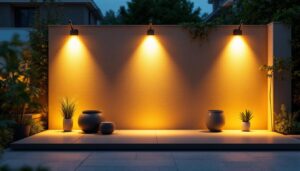
Solar lanterns are ideal for residential outdoor lighting, including garden pathways, patios, and security lighting. Their low operating costs and ease of installation make them attractive for homeowners seeking sustainable lighting solutions.
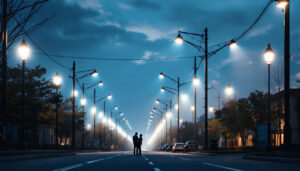
In community settings, solar lanterns can provide street lighting in rural or underserved areas lacking reliable electrical infrastructure. These installations improve safety and quality of life while fostering community development.
Commercial and Public Spaces
Businesses and public institutions benefit from solar lanterns by reducing energy expenses and showcasing environmental stewardship. Parking lots, parks, and pedestrian walkways are common areas where solar lanterns enhance safety and visibility without incurring high operational costs.
Lighting contractors working on commercial projects can leverage solar lanterns to meet green building certification requirements, such as LEED or BREEAM, by incorporating renewable energy sources.
Emergency and Disaster Relief Lighting
In disaster-stricken areas or during power outages, solar lanterns provide critical illumination when conventional power sources fail. Their portability and independence from the grid make them indispensable tools for emergency responders and humanitarian organizations.
Lighting contractors involved in disaster preparedness can recommend solar lanterns as part of comprehensive resilience strategies, ensuring communities remain illuminated during crises.
Key Considerations When Selecting Solar Lanterns
Brightness and Light Output
Lighting contractors must evaluate the luminous intensity of solar lanterns to ensure they meet the illumination requirements of the intended application. Brightness is measured in lumens, with powerful solar lanterns typically offering outputs ranging from 100 to over 1000 lumens.
Choosing the appropriate brightness level is essential to balance energy consumption and lighting effectiveness, avoiding under- or over-illumination.
Battery Life and Charging Time
The battery capacity determines how long a solar lantern can operate after sunset. High-capacity batteries provide extended lighting hours, which is crucial for applications requiring overnight illumination. Additionally, the charging time affects how quickly the lantern can recover energy during daylight hours.
Contractors should consider the typical sunlight availability in the installation location to select lanterns with suitable battery performance and charging efficiency.
Durability and Weather Resistance
Solar lanterns are often exposed to harsh environmental conditions, including rain, dust, and temperature fluctuations. Therefore, selecting lanterns with robust, weather-resistant enclosures and IP (Ingress Protection) ratings of IP65 or higher ensures longevity and reliable operation.
Materials such as impact-resistant plastics, aluminum, and tempered glass enhance durability, reducing maintenance needs and replacement frequency.
Additional Features and Smart Controls
Advanced solar lanterns may include features like motion sensors, adjustable brightness settings, remote controls, and integration with smart home or building management systems. These capabilities allow for customized lighting schedules and energy optimization.
Lighting contractors can differentiate their offerings by incorporating solar lanterns with intelligent controls, providing clients with enhanced convenience and energy savings.
Installation Best Practices for Solar Lanterns
Optimal Placement for Maximum Sunlight Exposure
To maximize energy harvesting, solar panels should be installed in locations free from shading by trees, buildings, or other obstructions. South-facing orientations (in the northern hemisphere) typically receive the most sunlight throughout the day.
Proper placement ensures the lantern charges efficiently, maintaining consistent illumination and prolonging battery life.
Secure Mounting and Wiring
Although solar lanterns often require minimal wiring, secure mounting is essential to prevent damage from wind or vandalism. Using appropriate brackets, screws, or poles ensures stability and safety.
For lanterns with separate solar panels, wiring should be weatherproof and neatly routed to avoid hazards and maintain aesthetic appeal.
Regular Maintenance and Performance Monitoring
Periodic cleaning of solar panels to remove dust and debris enhances energy absorption. Inspecting batteries and electrical connections helps identify potential issues before they affect performance.
Lighting contractors can offer maintenance services as part of their solar lantern solutions, ensuring long-term client satisfaction and system reliability.
Future Trends and Innovations in Solar Lantern Technology
Improved Solar Cell Efficiency
Ongoing research in photovoltaic materials promises higher conversion efficiencies, enabling smaller panels to generate more power. Emerging technologies such as perovskite solar cells and multi-junction cells could revolutionize solar lantern performance.
Lighting contractors should stay informed about these advancements to recommend cutting-edge products that offer superior energy efficiency.
Enhanced Energy Storage Solutions
Next-generation battery technologies, including solid-state batteries and advanced lithium chemistries, offer higher energy densities, faster charging, and improved safety. These improvements will extend the operational time of solar lanterns and reduce environmental impact.
Adopting lanterns with advanced storage systems can provide clients with more reliable and longer-lasting lighting solutions.
Integration with Smart Grids and IoT
Solar lanterns are increasingly being integrated into smart grid systems and the Internet of Things (IoT), enabling real-time monitoring, remote control, and predictive maintenance. This connectivity enhances energy management and user convenience.
Lighting contractors can leverage these smart features to deliver innovative, future-proof lighting solutions that align with modern building automation trends.
Conclusion: Embracing Solar Lanterns for Sustainable Lighting Projects
Powerful solar lanterns represent a transformative opportunity for lighting contractors to advance energy-efficient and sustainable lighting solutions. Their combination of renewable energy use, cost-effectiveness, versatility, and environmental benefits makes them an indispensable component in contemporary lighting projects.
By understanding the technology, applications, and selection criteria of solar lanterns, lighting professionals can confidently recommend and install these systems, meeting the evolving needs of their clients while contributing to a greener future.
Illuminate Your Projects with LumenWholesale
Ready to harness the power of solar lanterns and elevate your lighting projects? At LumenWholesale, we offer an exceptional range of high-quality, spec-grade solar lighting solutions at unbeatable wholesale prices. Say goodbye to middleman markups and hello to superior products that meet the highest industry standards. With our commitment to reliability and performance, you can confidently meet your clients’ needs for energy-efficient and sustainable lighting. Plus, enjoy the convenience of bulk buying with free shipping, ensuring you get the best value without any hidden fees. Make the smart choice for your lighting supply needs and experience the best in wholesale lighting at the best value with LumenWholesale.