Introduction to Insert Lighting and Its Growing Popularity
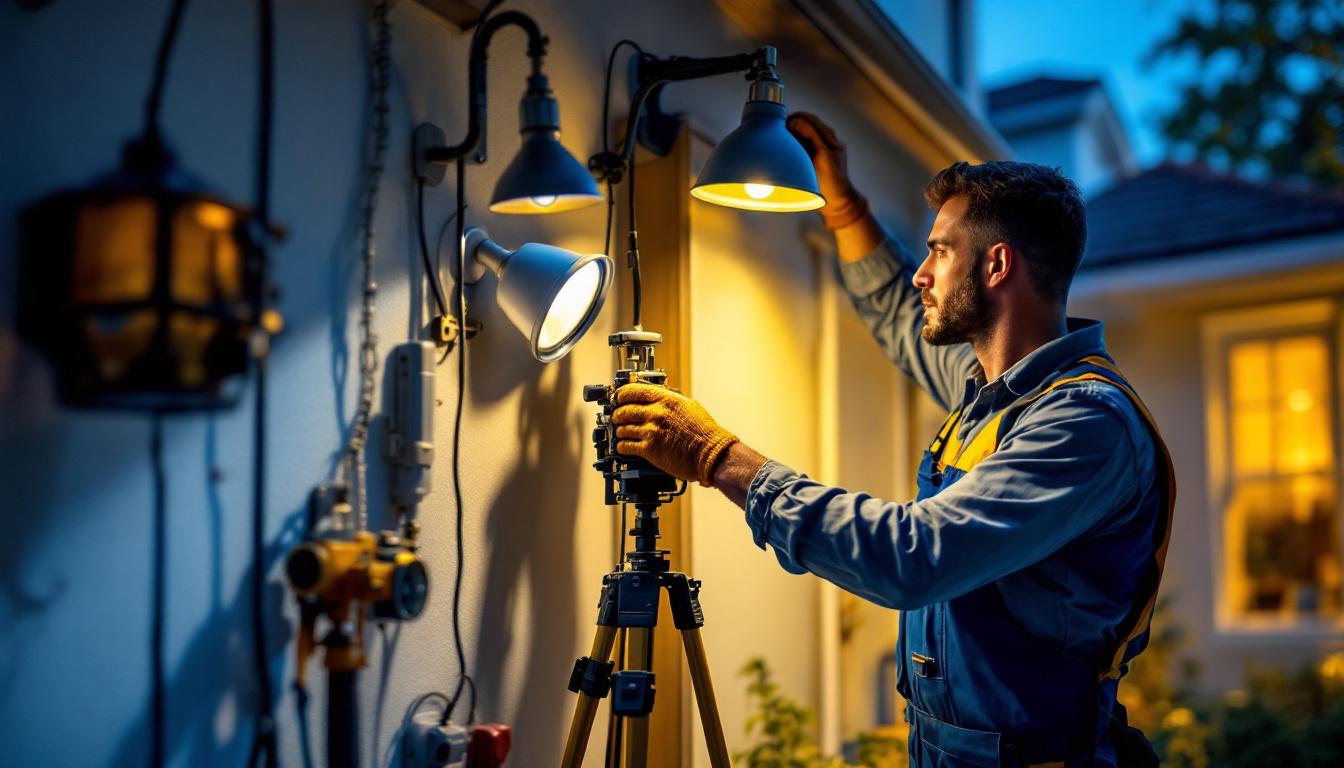
Insert lighting, often referred to as recessed lighting or can lighting, has become a staple in modern interior design. Its sleek, unobtrusive appearance makes it a favorite choice for both residential and commercial projects. For lighting contractors, mastering the installation of insert lights is essential, as these fixtures offer both aesthetic appeal and functional illumination.
However, despite their popularity, insert lights present unique challenges that can lead to costly mistakes if not properly addressed. Understanding these pitfalls is crucial for contractors aiming to deliver high-quality, durable, and visually pleasing lighting solutions.
One of the primary advantages of insert lighting is its versatility. These fixtures can be used in a variety of settings, from highlighting artwork in a gallery to providing ambient light in a cozy living room. The ability to adjust the brightness and color temperature of LED insert lights further enhances their appeal, allowing homeowners and designers to create the perfect atmosphere for any occasion. Additionally, with the rise of smart home technology, many insert lights can now be controlled remotely or programmed to change settings throughout the day, adding an extra layer of convenience and energy efficiency.
Moreover, the installation process for insert lighting can vary significantly based on the type of ceiling and the layout of the space. For instance, in homes with vaulted ceilings, careful consideration must be given to the placement of fixtures to ensure even lighting distribution. In commercial spaces, where the lighting must cater to both functionality and aesthetic appeal, contractors often need to collaborate closely with architects and interior designers to achieve the desired effect. This collaboration not only helps in avoiding common installation mistakes but also ensures that the final outcome aligns with the overall vision of the project.
Common Mistakes in Insert Light Installation and How to Avoid Them
1. Incorrect Placement and Spacing
One of the most frequent errors lighting contractors make is improper placement of insert lights. The spacing between fixtures directly impacts the uniformity of light distribution. Overcrowding lights can create hotspots and glare, while too few fixtures result in uneven lighting and dark patches.
Industry guidelines recommend spacing insert lights approximately 4 to 6 feet apart, depending on the ceiling height and the type of bulb used. For instance, higher ceilings require wider spacing to ensure even coverage. Contractors should also consider the room’s function; task-oriented areas like kitchens or offices may require more focused lighting than living rooms or hallways. Additionally, the layout of furniture and architectural features should be taken into account, as these can affect how light is perceived in the space. Using a lighting design software or a simple mock-up can help visualize the placement before installation, ensuring that the final result meets both aesthetic and functional needs.
2. Neglecting Thermal Management
Insert lights generate heat, and inadequate thermal management can lead to fixture failure or even fire hazards. Many contractors overlook the importance of using IC-rated (Insulation Contact) housings when installing lights in insulated ceilings. Non-IC-rated fixtures require a clearance from insulation to prevent overheating.
Failing to account for this can cause the fixture to overheat, shortening the lifespan of the bulb and increasing the risk of fire. It’s essential to verify the housing rating and ensure proper clearance or use IC-rated fixtures where insulation is present. Furthermore, implementing additional cooling measures, such as using fixtures with built-in heat sinks or ensuring proper airflow around the lights, can significantly enhance performance and longevity. Understanding the thermal dynamics of the installation environment will ultimately lead to safer and more efficient lighting solutions.
3. Inadequate Wiring and Electrical Connections
Electrical wiring is the backbone of any lighting installation, and mistakes here can have severe consequences. Common issues include using the wrong gauge wire, insufficient wire length, or poor connections that can lead to flickering lights or electrical shorts.
Lighting contractors should always adhere to the National Electrical Code (NEC) standards and local regulations. Using wire connectors rated for lighting fixtures, ensuring secure connections, and verifying circuit capacity prevents overloads and enhances safety. Additionally, testing the circuit before finalizing the installation can catch potential problems early. It’s also wise to document the wiring layout and any modifications made during the installation process. This documentation can be invaluable for future troubleshooting or upgrades, ensuring that any subsequent work on the electrical system is informed and efficient.
4. Overlooking Trim and Bulb Compatibility
The trim and bulb combination significantly affects the lighting quality and fixture performance. Using incompatible trims or bulbs can cause glare, uneven light distribution, or reduced energy efficiency.
For example, LED retrofit kits must match the housing and trim specifications to ensure proper fit and heat dissipation. Similarly, selecting the correct beam angle and color temperature is vital to achieve the desired ambiance. Contractors should consult manufacturer specifications and client preferences before finalizing these choices. Moreover, experimenting with different trim styles can enhance the overall aesthetic; for instance, a baffle trim can reduce glare while a reflector trim can increase brightness. Educating clients about the impact of these choices can lead to more informed decisions, resulting in a lighting installation that not only meets functional requirements but also elevates the overall design of the space.
Technical Considerations for Optimal Insert Lighting
Understanding Beam Angles and Light Distribution
Beam angle defines how light spreads from the fixture. Narrow beam angles (15°–30°) create focused spots ideal for accent lighting, while wider angles (60°–120°) provide general illumination. Lighting contractors must select the appropriate beam angle based on the room’s purpose and architectural features.
For example, in a retail environment, narrow beams can highlight merchandise, whereas in a living room, wider beams create a comfortable ambient glow. Incorporating adjustable trims can also offer flexibility in directing light where it’s needed most.
Color Temperature and Its Impact on Mood and Functionality
Color temperature, measured in Kelvins (K), influences the atmosphere of a space. Warm white light (2700K–3000K) creates a cozy, inviting environment, suitable for residential settings. Neutral white (3500K–4100K) balances warmth and brightness, ideal for offices and kitchens. Cool white (5000K and above) mimics daylight and is often used in commercial or task-intensive areas.
Lighting contractors should guide clients in choosing the right color temperature to complement interior design and intended use. Offering samples or demonstrating different temperatures can help clients make informed decisions.
Energy Efficiency and Compliance with Standards
With increasing emphasis on sustainability, energy-efficient lighting solutions are not just preferred but often mandated by building codes. LED insert lights consume significantly less power and have longer lifespans compared to traditional incandescent or halogen bulbs.
Contractors should prioritize installing ENERGY STAR® certified fixtures and ensure compliance with local energy codes such as Title 24 in California or ASHRAE standards. This not only benefits the environment but also reduces operational costs for clients, enhancing satisfaction and reputation.
Best Practices for Installation and Client Communication
Pre-Installation Planning and Site Assessment
Thorough planning is the foundation of a successful insert lighting project. Contractors should conduct detailed site assessments to identify ceiling types, insulation presence, wiring accessibility, and client lighting goals.
Using lighting design software or photometric analysis can help visualize the final outcome and optimize fixture placement. Early collaboration with architects, interior designers, and electricians ensures alignment and prevents costly rework.
Ensuring Safety and Code Compliance
Safety is paramount in lighting installations. Contractors must stay updated on the latest electrical codes and industry best practices. This includes proper grounding, use of GFCI-protected circuits where required, and adherence to fire safety regulations.
Documenting compliance with permits and inspections protects both the contractor and client, fostering trust and professionalism.
Clear Communication with Clients
Lighting projects can be complex, and clients may not always understand technical details. Providing clear explanations about fixture types, energy savings, maintenance requirements, and potential limitations helps manage expectations.
Offering maintenance tips and warranty information builds long-term relationships and encourages repeat business. Additionally, discussing future upgrade options, such as smart lighting integration, can position contractors as forward-thinking experts.
Case Studies: Learning from Real-World Insert Lighting Projects
Residential Renovation: Avoiding Overcrowding
A lighting contractor working on a high-end residential renovation initially installed recessed lights too close together in the living room, resulting in uneven light spots and glare. After client feedback, the contractor reassessed the layout, spacing fixtures according to ceiling height and room size. The adjustment created a balanced, inviting atmosphere that enhanced the space’s architectural features.
Commercial Office: Addressing Thermal Management Issues
In a commercial office project, non-IC-rated housings were used in insulated ceilings, causing several fixtures to overheat and fail prematurely. The contractor replaced these with IC-rated housings and ensured proper insulation clearance. This not only resolved the overheating issue but also improved energy efficiency and compliance with safety codes.
Retail Store: Optimizing Beam Angles for Product Highlighting
A retail store wanted to highlight specific product displays without overwhelming the overall lighting. The contractor selected adjustable trims with narrow beam angles for accent lighting, complemented by wider beam fixtures for ambient illumination. This strategy enhanced product visibility and created an engaging shopping environment, leading to increased customer satisfaction.
Conclusion: Elevating Insert Lighting Installations Through Expertise
Insert lighting offers unparalleled versatility and aesthetic appeal, but its successful implementation requires careful attention to detail. Lighting contractors who avoid common mistakes—such as improper placement, neglecting thermal management, and ignoring compatibility issues—can deliver superior results that satisfy clients and comply with safety standards.
By embracing technical knowledge, adhering to best practices, and maintaining clear communication, contractors can elevate their craft and reputation. Staying informed about evolving technologies and energy regulations further positions contractors as trusted experts in the competitive lighting industry.
Ultimately, the key to mastering insert lighting lies in blending technical precision with thoughtful design, ensuring every project shines with excellence.
Get Your Premium Lighting Supplies at LumenWholesale
Ready to take your insert lighting installations to the next level? LumenWholesale is here to support your expertise with our exceptional range of spec-grade lighting products. Enjoy the benefits of wholesale pricing and free shipping on bulk orders, ensuring you get the best value without compromising on quality. Whether you’re working on residential or commercial projects, our products meet the highest industry standards for performance and reliability. Wholesale Lighting at the Best Value is just a click away. Elevate your lighting solutions with LumenWholesale today.