Understanding Track Light Systems: A Primer for Lighting Contractors
Track lighting has evolved from a niche architectural feature to a versatile and highly sought-after lighting solution in both residential and commercial spaces. For lighting contractors, mastering track light systems offers a significant opportunity to enhance service offerings and increase project value.
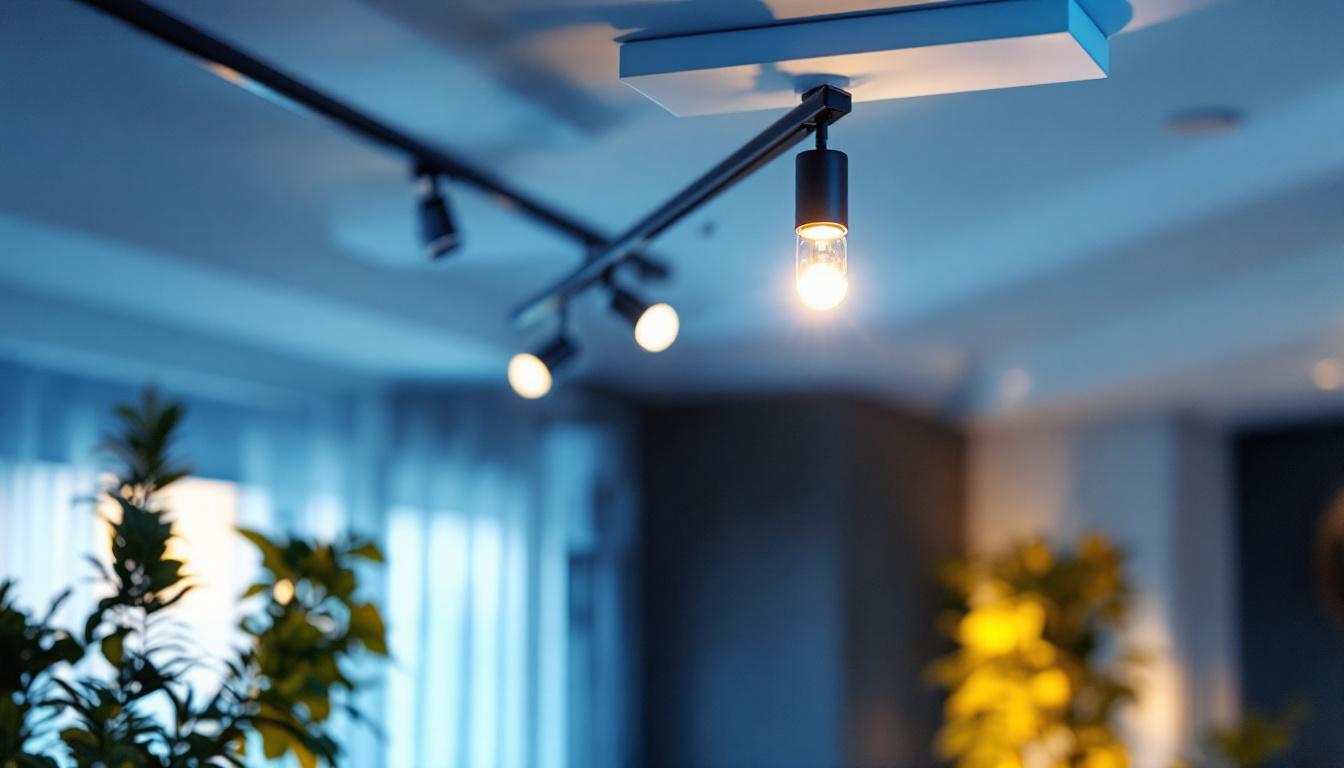
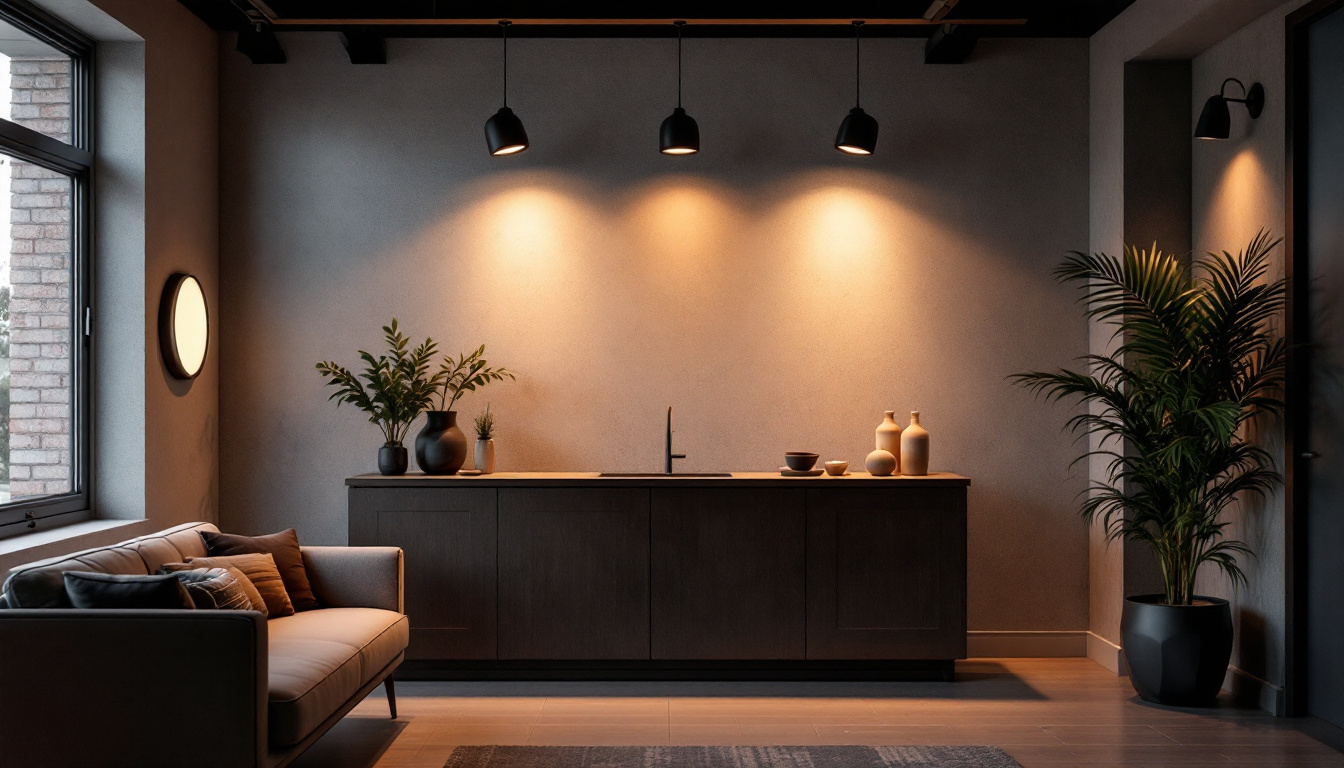
At its core, a track light system consists of a linear track mounted on ceilings or walls, into which multiple light fixtures can be inserted, repositioned, or removed with ease. This modularity allows for dynamic lighting configurations that can be tailored to specific environments and client needs.
Unlike fixed lighting, track systems provide flexibility in directing light exactly where it is needed. This adaptability is particularly valuable in retail, gallery, hospitality, and office settings, where lighting needs may change frequently or require precise control over ambiance and focus. For instance, in a retail environment, track lighting can be adjusted to highlight new merchandise or create a specific mood for seasonal promotions, making it an indispensable tool for visual merchandising.
Components and Configurations
A typical track lighting setup includes the track itself, track heads (the light fixtures), and connectors or adapters. Tracks come in various lengths and can be straight, curved, or flexible to accommodate different architectural layouts. Lighting contractors should be familiar with different track types, such as H, J, and L tracks, which vary in voltage and compatibility. Each type has its unique advantages; for example, H tracks are popular for their versatility and wide range of compatible fixtures, while J tracks are often favored in residential applications for their aesthetic appeal.
Understanding the electrical requirements and compatibility of track heads with the track is essential to ensure safe installation and optimal performance. Additionally, the integration of dimmable fixtures and smart lighting controls can elevate the functionality and appeal of track lighting systems. Smart technology allows users to control lighting remotely or program it to adjust automatically based on the time of day, enhancing energy efficiency and user convenience. Furthermore, the use of LED track heads not only reduces energy consumption but also offers a longer lifespan, making them a cost-effective choice for both contractors and clients. As sustainability becomes increasingly important in design, offering energy-efficient solutions can set contractors apart in a competitive market.
Why Track Lighting is a Game-Changer for Lighting Contractors
Incorporating track light systems into your portfolio can significantly boost your business by opening doors to new markets and enhancing client satisfaction. Here are some compelling reasons why track lighting is a strategic addition for contractors.
Increased Project Versatility and Client Appeal
Track lighting’s adaptability makes it suitable for a wide range of applications—from highlighting artwork in galleries to accentuating merchandise in retail stores or creating dynamic lighting scenes in modern homes. Clients appreciate the ability to adjust lighting without the need for costly rewiring or fixture replacement.
By offering track lighting solutions, contractors can cater to clients seeking both aesthetic appeal and functional flexibility, positioning themselves as knowledgeable and forward-thinking professionals. This versatility also allows contractors to creatively engage with clients, providing tailored solutions that meet specific needs, whether it’s a cozy ambiance for a restaurant or a bright, focused light for a workspace. The ability to customize the layout and direction of the lights means that each installation can be uniquely suited to the environment, enhancing the overall design and functionality of the space.
Higher Profit Margins and Repeat Business
Track lighting installations often command higher project values due to the complexity and customization involved. Additionally, the modular nature of these systems encourages clients to upgrade or expand their lighting configurations over time, creating opportunities for repeat business.
Contractors who stay abreast of the latest track lighting technologies, such as LED fixtures and smart controls, can differentiate themselves and justify premium pricing for their expertise. The integration of smart technology not only appeals to tech-savvy clients but also allows for energy-efficient solutions that can save money in the long run. Furthermore, by educating clients on the benefits of energy-efficient lighting, contractors can foster trust and establish long-term relationships, leading to referrals and a solid reputation in the industry. As clients become more aware of sustainable practices, offering eco-friendly track lighting options can also set contractors apart in a competitive market.
Best Practices for Installing Track Light Systems
Successful track lighting installations require a combination of technical knowledge, aesthetic sensibility, and adherence to safety standards. Lighting contractors should consider the following best practices to ensure optimal outcomes.
Assessing the Space and Client Needs
Before installation, conduct a thorough assessment of the space, including ceiling height, room dimensions, and existing electrical infrastructure. Understanding the client’s lighting goals—whether for task lighting, accent lighting, or ambient illumination—is crucial to designing an effective track system.
Engage clients in discussions about fixture styles, beam angles, and color temperatures to align the lighting design with their preferences and the intended atmosphere. Additionally, it’s beneficial to consider the room’s function; for example, a kitchen may require brighter, cooler lighting for food preparation, while a living room might benefit from warmer tones that create a cozy ambiance. Taking the time to explore these nuances not only enhances the design but also fosters a collaborative relationship with the client, ensuring their vision is realized.
Choosing the Right Track and Fixtures
Select tracks and fixtures that are compatible and appropriate for the application. For instance, low-voltage tracks may be preferred for residential settings due to their safety profile, while line-voltage tracks might be more suitable for commercial environments requiring higher light output.
LED track heads are highly recommended for their energy efficiency, long lifespan, and reduced heat output. Additionally, consider fixtures with adjustable beam angles and color rendering indexes (CRI) that enhance the visual appeal of illuminated objects. When selecting fixtures, also pay attention to the design aesthetics; a sleek, modern track head can complement contemporary decor, while vintage-inspired fixtures can add character to more traditional spaces. This attention to detail can significantly elevate the overall impact of the lighting design.
Professional Installation and Compliance
Ensure that all electrical connections comply with local codes and standards. Proper mounting techniques and secure fastening of tracks prevent future maintenance issues. Incorporating dimmers and smart controls should be done with compatible components to avoid operational problems.
Documenting the installation process and providing clients with user guides for adjusting and maintaining their track lighting system enhances customer satisfaction and reduces service calls. Furthermore, consider offering a follow-up consultation a few weeks post-installation to address any questions or adjustments the client may have. This proactive approach not only reinforces your commitment to quality service but also helps in building long-term relationships, potentially leading to future projects or referrals. By emphasizing the importance of maintenance and providing tips for optimal use, you empower clients to make the most of their new lighting system, ensuring it remains a valuable asset in their space.
Leveraging Technology: Smart Track Lighting Systems
The integration of smart technology into track lighting systems represents a significant advancement that lighting contractors can capitalize on. Smart track lighting offers enhanced control, energy savings, and user convenience.
Benefits of Smart Controls
Smart track lighting systems allow clients to adjust brightness, color temperature, and even light color via smartphone apps, voice commands, or automated schedules. This level of control can transform spaces, creating moods and scenes tailored to different activities or times of day.
For contractors, offering smart lighting solutions positions them at the forefront of modern lighting trends and appeals to tech-savvy clients seeking cutting-edge home or business automation.
Installation Considerations for Smart Systems
Smart track lighting requires careful planning to ensure compatibility with home automation platforms and Wi-Fi networks. Contractors must be proficient in integrating these systems and troubleshooting connectivity issues.
Training and certification in smart lighting technologies can enhance a contractor’s credibility and ability to provide comprehensive support to clients.
Marketing Your Expertise in Track Lighting
To fully realize the business benefits of specializing in track light systems, lighting contractors should adopt targeted marketing strategies that highlight their expertise and the advantages of track lighting.
Showcasing Projects and Client Testimonials
Visual content is powerful in demonstrating the transformative impact of track lighting. High-quality photos and videos of completed installations can be showcased on websites, social media, and marketing materials.
Encouraging satisfied clients to provide testimonials or reviews reinforces credibility and helps attract new customers interested in similar solutions.
Educational Content and Workshops
Providing educational content such as blog posts, webinars, or in-person workshops about the benefits and applications of track lighting can position contractors as industry experts. This approach builds trust and nurtures leads by informing potential clients about why track lighting is a smart investment.
Partnering with Designers and Architects
Collaborations with interior designers and architects can lead to referrals and joint projects. These professionals often specify lighting systems in their designs, and having a reputation as a reliable contractor for track lighting can open doors to lucrative contracts.
Conclusion: Embracing Track Light Systems for Business Growth
For lighting contractors, track light systems represent more than just a product offering—they are a pathway to enhanced project versatility, higher profit margins, and sustained client relationships. By mastering the technical aspects, embracing smart technologies, and effectively marketing their expertise, contractors can position themselves as leaders in the evolving lighting industry.
As lighting demands continue to shift towards flexibility, energy efficiency, and user control, track lighting stands out as a compelling solution that meets these criteria. Investing in knowledge and skills around track light systems is a strategic move that can significantly boost a lighting contractor’s business success.
Illuminate Your Projects with LumenWholesale
Ready to elevate your lighting game and give your business the competitive edge it deserves? Look no further than LumenWholesale for all your track light system needs. We provide contractors with high-quality, specification-grade lighting solutions at unbeatable wholesale prices, ensuring you can deliver exceptional value to your clients. Say goodbye to inflated markups and hello to a vast selection of reliable, high-performance lighting that meets the highest industry standards. Plus, with free shipping on bulk orders, you can enjoy premium lighting at the best value — without any hidden fees. Don’t compromise on quality or cost. Wholesale Lighting at the Best Value is just a click away. Partner with LumenWholesale today and light up your projects with confidence.