Why Amber Lighting Matters in Outdoor Applications
Amber outdoor lighting serves a unique purpose that goes beyond simple illumination. For lighting contractors, understanding the specific benefits and applications of amber lights is crucial to delivering solutions that meet client needs effectively.
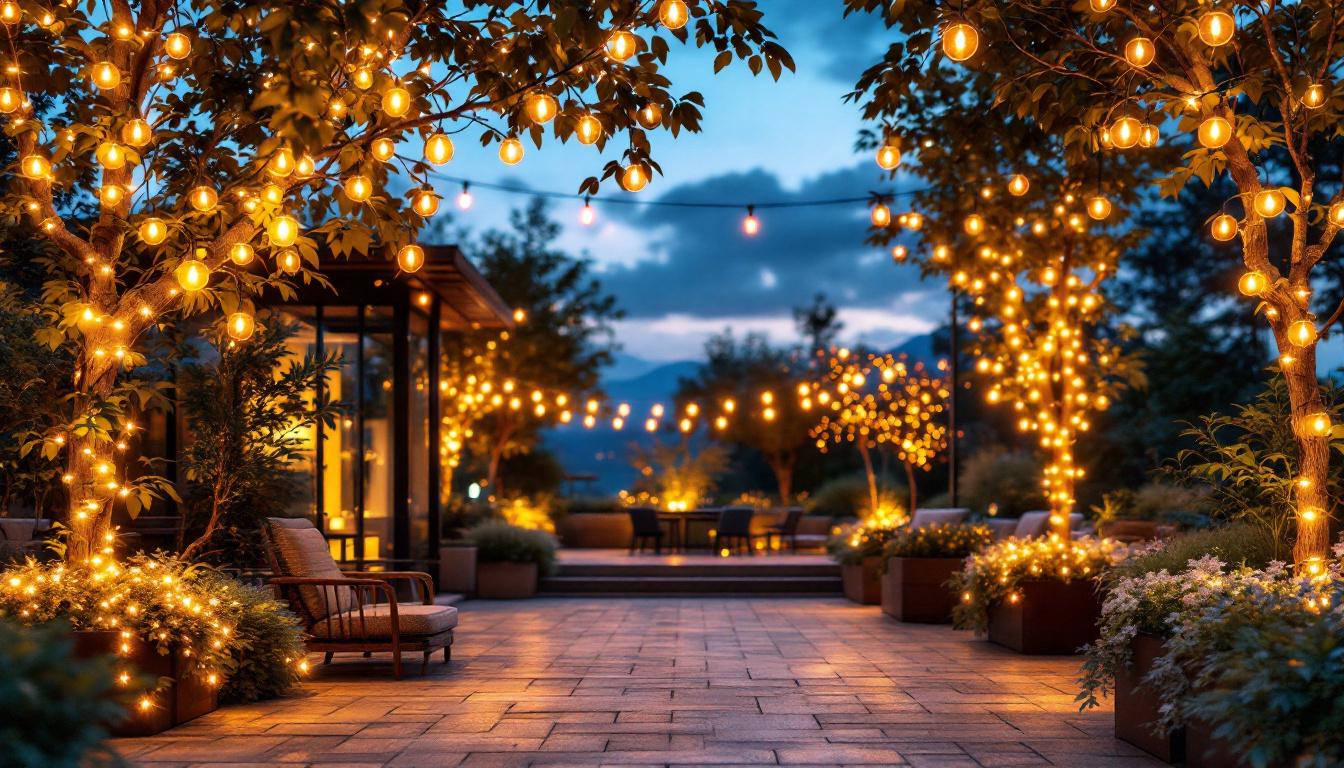
One of the primary advantages of amber lighting is its ability to reduce glare and light pollution. Unlike bright white or blue-toned lights, amber lights create a softer, warmer glow that is easier on the eyes while maintaining sufficient visibility. This makes them ideal for residential neighborhoods, parks, and pathways where harsh lighting can disrupt the natural ambiance or disturb residents.
In addition, amber lights are known for their positive impact on wildlife and the environment. Many studies have shown that blue and white lights can interfere with nocturnal animals’ natural behaviors, including migration and feeding patterns. Amber lighting minimizes this disruption, making it a preferred choice for outdoor spaces near natural habitats or conservation areas.
Furthermore, amber lighting can enhance safety in outdoor environments without the harshness of traditional lighting. The warm hue not only provides adequate illumination for pathways and public spaces but also helps to create a welcoming atmosphere that encourages community engagement. This is particularly beneficial in areas where social interaction is encouraged, such as outdoor dining areas or parks, where families and friends gather. The inviting nature of amber lighting can transform a space, making it feel more intimate and secure, which is essential for nighttime activities.
Moreover, the energy efficiency of amber LED lights contributes to their growing popularity in outdoor applications. With advancements in technology, these lights consume significantly less power compared to their traditional counterparts, leading to lower energy bills and a reduced carbon footprint. This eco-friendly aspect aligns with the increasing demand for sustainable practices in urban planning and landscaping, making amber lighting not just a practical choice but also a responsible one. As municipalities and homeowners alike seek to balance aesthetics with environmental stewardship, the role of amber lighting becomes even more pronounced in the quest for sustainable outdoor solutions.
Key Applications for Amber Outdoor Lighting
Residential and Community Spaces
Amber lighting is increasingly popular in residential developments and community parks. Its warm hue creates a welcoming atmosphere while providing enough illumination to enhance safety and security. Lighting contractors often specify amber LEDs for streetlights, garden fixtures, and pathway lighting in these settings.
Using amber lighting in residential areas can also help reduce complaints related to light trespass and glare. Homeowners value lighting that doesn’t intrude into windows or create harsh shadows, and amber lights strike that balance effectively. Furthermore, the use of amber lighting can contribute to a more serene nighttime environment, allowing residents to enjoy their outdoor spaces without the harshness of bright white lights. This can foster a sense of community, encouraging neighbors to gather outdoors for evening activities, enhancing social interaction and engagement.
Roadways and Traffic Safety
Amber lights are standard in many traffic control devices such as warning signals and pedestrian crossings. Their high visibility and distinct color make them ideal for alerting drivers and pedestrians to potential hazards. For lighting contractors, integrating amber lighting into roadway projects can improve safety outcomes while complying with regulatory standards.
Beyond signals, amber streetlights can improve driver comfort by reducing glare and enhancing contrast perception during nighttime driving. This is particularly important on rural roads or areas with limited ambient lighting. Additionally, the use of amber lighting can help to minimize the disruption of wildlife, particularly in areas where animals are known to cross roads. By using amber lights, which are less likely to disturb nocturnal creatures, municipalities can strike a balance between safety for drivers and the preservation of local ecosystems.
Commercial and Industrial Settings
In commercial and industrial environments, amber lighting is often used to designate caution zones or highlight specific operational areas. For example, amber floodlights may be installed around loading docks or hazardous material storage zones to alert workers and visitors.
Contractors should consider the durability and energy efficiency of amber lighting fixtures in these settings, as they often require robust solutions that withstand harsh weather and heavy use. Moreover, the strategic placement of amber lighting can enhance productivity by ensuring that work areas are well-lit without causing visual discomfort. In warehouses, for instance, amber lighting can help workers navigate through aisles safely, while also reducing the risk of accidents caused by overly bright or distracting lights. This thoughtful application of amber lighting not only promotes safety but also contributes to a more efficient working environment, where employees can focus on their tasks without unnecessary distractions.
Technical Considerations for Amber Lighting Installation
Choosing the Right Light Source
LED technology dominates the outdoor lighting market, and amber LEDs are no exception. Their long lifespan, energy efficiency, and color stability make them the preferred choice for contractors. However, selecting the appropriate LED chip and driver is essential to ensure consistent color temperature and brightness.
Contractors should verify the spectral output of amber LEDs to confirm they meet project specifications. Some amber LEDs may lean toward yellow or orange, which can affect the overall aesthetic and effectiveness of the lighting. Additionally, it is crucial to consider the color rendering index (CRI) of the amber LEDs, as a higher CRI can enhance the visibility and vibrancy of surrounding colors, making spaces feel more inviting and safe during nighttime hours. Understanding the nuances of different amber LED products can significantly impact the project’s success and client satisfaction.
Fixture Selection and Placement
Fixture design plays a significant role in how amber lighting performs outdoors. Optics, beam angle, and housing materials all impact light distribution and durability. For example, fixtures with narrow beam angles are suitable for highlighting specific features, while wider beams provide general area illumination.
Proper placement is equally important. Lighting contractors must consider mounting height, spacing, and orientation to avoid dark spots and minimize light trespass. Using photometric analysis tools can help optimize fixture layout and ensure compliance with local lighting ordinances. Furthermore, the choice of housing materials can also influence the longevity of the fixtures. For instance, corrosion-resistant materials are vital in coastal areas where saltwater can degrade metal components, while UV-resistant plastics are essential in regions with high sun exposure. This attention to detail not only enhances the performance of the lighting but also contributes to lower maintenance costs over time.
Power and Control Systems
Integrating amber lighting into existing electrical systems requires careful planning. Contractors should assess load capacity, voltage requirements, and wiring configurations to avoid overloading circuits. Additionally, incorporating dimming controls or smart lighting systems can enhance energy savings and allow for adaptive lighting schedules.
Smart controls also enable remote monitoring and maintenance, reducing operational costs and improving reliability. For projects with sustainability goals, combining amber LEDs with solar power or battery backup systems is an option worth exploring. Furthermore, implementing a centralized control system can facilitate the integration of various lighting types across a project, allowing for seamless transitions between different lighting scenarios. This can be particularly beneficial in public spaces, where varying lighting needs may arise throughout the day and night. By leveraging advanced control technologies, contractors can create dynamic lighting environments that enhance safety and aesthetic appeal while also promoting energy efficiency.
Regulatory and Environmental Compliance
Understanding Lighting Codes and Standards
Many municipalities have adopted lighting codes that restrict certain types of outdoor lighting to reduce light pollution and protect community well-being. Amber lighting often aligns well with these regulations due to its low blue light content and reduced glare.
Contractors should familiarize themselves with local ordinances, such as dark sky initiatives or energy efficiency mandates, to ensure project compliance. Proper documentation and certification of lighting products can streamline approval processes and avoid costly revisions.
Environmental Impact and Sustainability
Beyond regulatory compliance, lighting contractors have a responsibility to consider the environmental impact of their installations. Amber lighting contributes positively by minimizing disruption to ecosystems and reducing energy consumption compared to traditional lighting technologies.
Specifying fixtures with recyclable materials and low maintenance requirements further enhances sustainability. Additionally, educating clients about the benefits of amber lighting can encourage broader adoption of environmentally conscious lighting solutions.
Common Challenges and How to Overcome Them
Color Consistency and Quality Control
One challenge contractors face with amber lighting is maintaining consistent color quality across multiple fixtures. Variations in LED manufacturing can lead to noticeable differences in hue, which can detract from the overall appearance.
To mitigate this, sourcing LEDs from reputable manufacturers and requesting batch testing reports is advisable. Installing fixtures from the same production lot also helps ensure uniformity.
Balancing Brightness and Energy Efficiency
Amber LEDs typically have lower luminous efficacy compared to white LEDs, meaning more power may be needed to achieve the desired brightness. Contractors must balance this with energy efficiency goals and client expectations.
Using advanced optics and proper fixture placement can maximize the effectiveness of amber lighting without excessive power consumption. Additionally, integrating dimming controls allows for adjusting brightness based on time of night or activity levels.
Addressing Client Misconceptions
Some clients may perceive amber lighting as outdated or less effective than modern white LEDs. Lighting contractors should be prepared to explain the functional and environmental benefits clearly.
Providing side-by-side demonstrations or photometric data can help clients appreciate how amber lighting enhances safety and ambiance while supporting sustainability goals.
Future Trends in Outdoor Amber Lighting
Advancements in LED technology continue to improve the performance and versatility of amber lighting. Higher efficacy LEDs, improved color rendering, and integrated smart controls are making amber lighting more attractive for a wider range of applications.
Emerging trends include dynamic color tuning, where lighting can shift subtly between amber and warmer white tones depending on the time of day or user preference. This flexibility offers new design possibilities for contractors aiming to create adaptive outdoor environments.
Additionally, increased focus on human-centric lighting is driving interest in amber tones for their positive effects on circadian rhythms and nighttime visibility. Contractors who stay informed about these developments will be well-positioned to offer cutting-edge solutions to their clients.
Illuminate Your Projects with LumenWholesale
Ready to elevate your outdoor lighting projects with the latest amber lighting solutions? At LumenWholesale, we provide lighting contractors with the highest quality, spec-grade amber lighting products at the most competitive wholesale prices. Say goodbye to local distributor markups and hello to a vast selection of reliable, high-performance lighting that meets rigorous industry standards. With the added convenience of free shipping on bulk orders, you can ensure your projects shine with excellence while staying within budget. Discover the ideal combination of quality, value, and convenience at LumenWholesale. Wholesale Lighting at the Best Value is just a click away.