Understanding Receptacles: The Backbone of Lighting Installations
Every lighting contractor knows that the right receptacle can make or break an installation. It’s not just about plugging in a fixture; it’s about ensuring safety, functionality, and longevity. Receptacles serve as the critical interface between electrical wiring and lighting fixtures, and selecting the proper type is essential for compliance with electrical codes and client satisfaction.
Choosing the wrong receptacle can lead to premature failure, electrical hazards, or costly callbacks. Different environments and lighting applications demand specific receptacle types, and understanding these nuances is key to professional success.
For instance, in commercial settings where heavy-duty lighting is often required, contractors may opt for industrial-grade receptacles that can withstand higher voltage and current loads. These receptacles are designed with durability in mind, often featuring reinforced materials that resist wear and tear from frequent use. In contrast, residential installations might prioritize aesthetics alongside functionality, leading to the selection of decorative receptacles that blend seamlessly with interior design while still meeting safety standards.
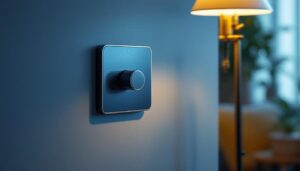
Moreover, the rise of smart lighting technology has introduced a new layer of complexity to receptacle selection. Smart receptacles equipped with Wi-Fi or Bluetooth capabilities allow for remote control and automation of lighting systems, enhancing user convenience and energy efficiency. However, these advanced receptacles require careful consideration regarding compatibility with existing wiring and fixtures, as well as adherence to updated electrical codes. As the industry evolves, staying informed about the latest receptacle innovations and their applications will be crucial for lighting contractors aiming to provide cutting-edge solutions to their clients.
Standard Receptacles: The Workhorse of Lighting Projects
General-Purpose Receptacles
Most lighting projects start with general-purpose receptacles. These are the common 15-amp or 20-amp outlets you see in residential and commercial settings. They support a wide range of lighting fixtures, from table lamps to ceiling-mounted lights. Their versatility makes them an essential component in any lighting design, as they can accommodate various types of bulbs and fixtures, including incandescent, LED, and fluorescent options. This adaptability is particularly useful in spaces that may undergo frequent redesigns or updates, allowing for easy swapping of lighting elements without the need for extensive rewiring.
Standard receptacles typically come in duplex configurations, allowing two devices to be plugged in simultaneously. For lighting contractors, these are often the go-to choice for straightforward installations where no specialized conditions apply. Furthermore, many modern receptacles now feature built-in USB ports, providing an additional layer of convenience for charging devices, which is increasingly important in today’s tech-savvy environments. This added functionality makes them even more appealing for both residential and commercial applications, as they help reduce clutter and the need for multiple adapters.
Key Features and Considerations
When selecting standard receptacles, consider the amperage rating to match the circuit load. A 15-amp receptacle on a 20-amp circuit can be code compliant but may limit future upgrades. Also, ensure the receptacle’s grounding is intact to prevent electrical shocks. It’s crucial to check the local electrical codes and regulations, as they can vary significantly by region. This ensures not only compliance but also the safety and reliability of the installation, which is paramount in any lighting project.
Durability varies by brand and material. Contractors working in high-traffic areas should opt for receptacles with reinforced construction to withstand frequent use. Additionally, consider the environmental factors that may affect the receptacles, such as moisture or dust, particularly in outdoor or industrial settings. Weather-resistant receptacles are available for outdoor installations, providing an extra layer of protection against the elements. By choosing the right receptacle for the specific environment, contractors can enhance the longevity and performance of their lighting systems, reducing the need for frequent replacements and maintenance.
Weather-Resistant and Outdoor Receptacles
Weather-Resistant (WR) Receptacles
Outdoor lighting installations demand receptacles that can withstand moisture, temperature changes, and UV exposure. Weather-resistant receptacles are designed with durable materials and protective coatings to prevent corrosion and degradation. These specialized receptacles often feature reinforced housings that can endure the rigors of the elements, making them ideal for use in various climates, from humid coastal regions to arid deserts.
These receptacles are mandatory for outdoor applications where the National Electrical Code (NEC) requires them. They provide enhanced safety and longevity, reducing maintenance and replacement costs. Furthermore, many WR receptacles come equipped with built-in surge protection, which helps safeguard connected devices from voltage spikes caused by lightning or power surges, adding an extra layer of reliability for outdoor electrical setups.
Weatherproof Covers and Enclosures
Simply using a WR receptacle isn’t enough if it’s exposed directly to rain or snow. Weatherproof covers, often with gasket seals and spring-loaded doors, protect receptacles from water intrusion even when cords are plugged in. These covers are designed to maintain a tight seal against the elements, ensuring that moisture cannot penetrate and compromise the electrical connections inside. Additionally, many weatherproof covers are made from UV-resistant materials, preventing them from becoming brittle or discolored over time due to sun exposure.
Lighting contractors should always specify and install the correct weatherproof enclosures to ensure compliance and protect their work. It’s also essential to consider the placement of these receptacles; positioning them under eaves or awnings can further shield them from direct exposure to rain and snow. Moreover, the use of tamper-resistant features in these enclosures can enhance safety, particularly in residential settings where children may be present, ensuring that the receptacles remain secure and functional while minimizing the risk of accidental shock or injury.
Ground-Fault Circuit Interrupter (GFCI) Receptacles
Why GFCI Receptacles Matter
GFCI receptacles are essential in areas where electrical equipment might come into contact with water, such as bathrooms, kitchens, garages, and outdoor lighting circuits. They protect users by quickly cutting off power when a ground fault is detected, preventing electric shock.
For lighting contractors, installing GFCI receptacles is not just a safety measure but a code requirement in many cases. Failure to install GFCI protection where required can result in failed inspections and liability issues.
Installation Tips
GFCI receptacles can be installed as the first outlet on a circuit to protect downstream devices. This can simplify wiring and reduce costs. However, contractors must test each GFCI receptacle after installation to ensure proper operation.
Some modern GFCI receptacles also come with tamper-resistant features, which are beneficial in public or commercial installations.
Arc-Fault Circuit Interrupter (AFCI) Receptacles
Preventing Electrical Fires
AFCI receptacles detect arcing conditions in electrical circuits, which can cause fires if left unchecked. These devices are increasingly required in residential bedrooms, living areas, and other spaces where lighting circuits run.
For lighting contractors, AFCI receptacles add an important layer of fire prevention, especially in renovations or new construction where code compliance is scrutinized.
Choosing and Installing AFCI Receptacles
Unlike GFCIs, AFCI receptacles are typically installed at the start of a circuit and protect downstream wiring and devices. Contractors should verify compatibility with existing wiring and lighting loads to avoid nuisance tripping.
Testing AFCI receptacles with specialized testers ensures they function correctly and provide the intended protection.
Specialty Receptacles for Lighting Contractors
Twist-Lock Receptacles
In commercial and industrial lighting setups, twist-lock receptacles offer secure connections that resist accidental disconnection. These are common in stage lighting, temporary installations, and heavy-duty fixtures.
They come in various configurations, rated for different voltages and amperages. Lighting contractors should match the receptacle type to the fixture and power source specifications.
Isolated Ground Receptacles
Isolated ground receptacles reduce electrical noise and interference, which can be critical for sensitive lighting controls and dimming systems. These receptacles have a dedicated grounding path separate from the building’s main ground.
While not necessary for every project, contractors working with advanced lighting controls or in environments with sensitive electronics should consider isolated ground receptacles.
Receptacle Materials and Finishes
Durability and Aesthetics
Receptacles come in various materials and finishes, from standard plastic to heavy-duty metal. The choice depends on the installation environment and client preferences.
For example, stainless steel or brass receptacles offer enhanced durability and a premium look, suitable for upscale commercial spaces or outdoor use. Plastic receptacles are economical and sufficient for most indoor residential applications.
Color Coding and Identification
Color-coded receptacles can help identify circuits, such as red for emergency power or orange for isolated ground. Lighting contractors should follow local codes and client requirements when selecting colors to ensure clarity and safety.
Installation Best Practices and Code Compliance
Matching Receptacles to Circuit Ratings
One of the most common mistakes is mismatching receptacle ratings with circuit breakers or wiring. A 20-amp circuit requires receptacles rated for 20 amps, especially if the lighting load is heavy or multiple fixtures are connected.
Contractors should always verify circuit ratings and select receptacles accordingly to prevent overheating and potential hazards.
Following NEC and Local Codes
The National Electrical Code sets minimum standards for receptacle installation, including locations, types, and protection requirements. Lighting contractors must stay current with code updates and local amendments to avoid costly rework.
Permits and inspections often hinge on proper receptacle selection and installation, so thorough knowledge and adherence are non-negotiable.
Emerging Trends and Technologies in Receptacles
Smart Receptacles
Smart receptacles integrate with home automation systems, allowing remote control and monitoring of lighting circuits. For contractors working in smart home or commercial automation, these receptacles offer added value and convenience.
They can include features like energy monitoring, scheduling, and voice control compatibility, making lighting systems more efficient and user-friendly.
USB-Integrated Receptacles
USB receptacles are increasingly popular for powering devices directly without adapters. While primarily used for convenience outlets, some lighting contractors incorporate USB receptacles in lighting control panels or near workstations to enhance functionality.
Summary: Selecting the Right Receptacle for Every Lighting Project
Choosing the correct receptacle is a foundational step in any lighting installation. It impacts safety, code compliance, durability, and customer satisfaction. Lighting contractors must evaluate the environment, load requirements, and applicable codes before making a selection.
From standard and weather-resistant to GFCI, AFCI, and specialty receptacles, understanding the features and applications of each type is critical. Incorporating best practices in installation and staying informed about new technologies will ensure successful, reliable lighting projects every time.
Get Your Premium Lighting Receptacles at LumenWholesale
Ready to elevate your lighting projects with the right receptacles? Look no further than LumenWholesale for a comprehensive range of high-quality, spec-grade lighting products. Our selection is tailored to meet the needs of discerning contractors, offering superior performance and reliability at wholesale prices that simply can’t be beaten. With LumenWholesale, you benefit from bulk buying convenience, free shipping, and the assurance of top-tier products for every installation. Don’t compromise on quality or value; choose LumenWholesale for your lighting solutions. Wholesale Lighting at the Best Value is just a click away.