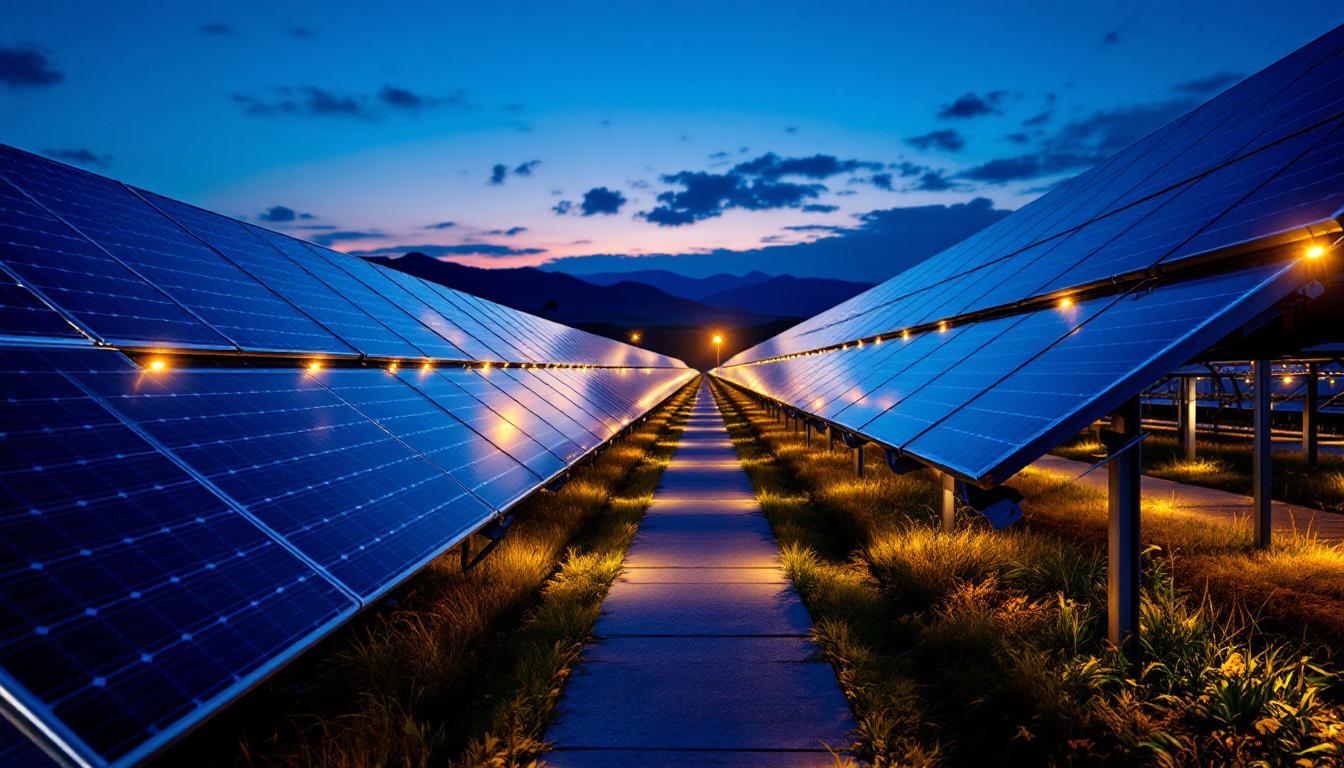
Understanding the Importance of Efficient Lighting in Solar Farms
Solar farms have become a cornerstone of renewable energy infrastructure, transforming how electricity is generated and distributed. For lighting contractors, the growing demand for solar farm installations opens up unique opportunities. However, these projects also come with specific challenges—particularly when it comes to lighting. Efficient, reliable lighting is essential not only for safety and security but also for operational efficiency and maintenance activities during nighttime or low-light conditions.
Unlike traditional lighting systems, solar farm lights must be designed to complement the renewable energy goals of the site. This means prioritizing energy efficiency, durability, and cost-effectiveness. Lighting contractors who understand these priorities and implement cost-saving strategies will be better positioned to deliver value to their clients while optimizing project profitability.
Moreover, the integration of smart lighting technologies can further enhance the operational capabilities of solar farms. By utilizing sensors and automation, lighting systems can adjust based on real-time environmental conditions, reducing energy consumption and extending the lifespan of the fixtures. For instance, motion sensors can ensure that lights are only activated when personnel are present, thereby conserving energy during off-peak hours. This not only aligns with the sustainability goals of solar farms but also contributes to significant cost savings over time, making it an attractive proposition for stakeholders.
Additionally, the choice of lighting technology plays a crucial role in the overall performance of solar farms. LED lighting, for example, is increasingly favored due to its long lifespan and low energy requirements. The ability to produce high-intensity illumination with minimal power consumption makes LEDs an ideal fit for expansive solar farm landscapes. Furthermore, advancements in solar-powered LED lights mean that these systems can operate independently of the grid, enhancing the resilience of solar farms and ensuring that they remain operational even in remote locations. As the industry continues to evolve, lighting contractors must stay informed about these technological advancements to provide the most effective solutions for their clients.
Key Cost Drivers in Solar Farm Lighting Projects
Initial Investment and Material Costs
One of the primary cost drivers in solar farm lighting is the initial capital expenditure on fixtures, poles, wiring, and control systems. High-quality solar LED lights, while more expensive upfront than conventional options, offer significant long-term savings through reduced energy consumption and maintenance. Lighting contractors must balance the upfront costs with expected lifecycle savings to present compelling proposals to clients.
Additionally, the choice of materials—such as corrosion-resistant poles and weatherproof fixtures—can influence both the installation cost and the longevity of the lighting system. Investing in robust materials reduces the likelihood of repairs and replacements, which can be costly and disruptive in large-scale solar farms. For example, using aluminum or galvanized steel for poles can extend the lifespan of the installation, especially in coastal areas where saltwater corrosion is a concern. Furthermore, the integration of smart technology in lighting systems, such as motion sensors and adaptive brightness controls, can also drive up initial costs but ultimately lead to enhanced efficiency and reduced energy wastage over time.
Installation Complexity and Labor
Solar farms often span large, open areas with uneven terrain, which can complicate installation. Labor costs can escalate if the lighting design requires extensive trenching for wiring or if fixtures need to be mounted on specialized structures. Lighting contractors can reduce these costs by selecting solar-powered, wireless lighting solutions that minimize wiring and trenching requirements. Moreover, the geographical location of the solar farm can also impact installation logistics; for instance, remote sites may require additional transportation and accommodation for workers, further inflating labor costs. Utilizing pre-assembled lighting units can streamline the installation process, allowing for quicker deployment and reducing the overall labor burden.
Ongoing Maintenance and Energy Costs
Maintenance is a significant ongoing expense. Solar farm lighting systems exposed to harsh environmental conditions require regular inspections and repairs. Choosing lighting technologies with longer lifespans and low maintenance requirements can dramatically reduce these costs. Furthermore, solar-powered lighting systems that rely on renewable energy reduce or eliminate energy bills, contributing to overall cost savings. The use of advanced monitoring systems can also play a crucial role in maintenance; these systems can provide real-time data on the performance of the lighting fixtures, allowing for proactive maintenance and minimizing downtime. Additionally, implementing a scheduled maintenance program can help anticipate potential issues before they escalate, ensuring that the lighting remains efficient and effective throughout its operational life.
Cost-Saving Strategies for Lighting Contractors
Opt for Solar-Powered LED Lighting
Solar-powered LED lights are a game-changer for solar farm lighting. These fixtures harness solar energy during the day and illuminate the site at night without drawing power from the grid. LEDs are inherently energy-efficient, consuming up to 75% less energy than traditional incandescent bulbs and lasting significantly longer.
By integrating solar-powered LEDs, lighting contractors can eliminate the need for extensive electrical wiring and reduce energy costs. This approach not only aligns with the sustainability goals of solar farms but also simplifies installation and lowers labor expenses. Furthermore, the use of solar energy contributes to a reduced carbon footprint, making it an attractive option for environmentally conscious projects. As technology advances, the efficiency of solar panels continues to improve, allowing for better energy capture even in less-than-ideal weather conditions, thereby ensuring consistent performance throughout the year.
Implement Smart Lighting Controls
Smart lighting controls, including motion sensors, dimmers, and timers, can optimize energy use by ensuring lights operate only when necessary. For example, motion-activated lights can provide illumination during maintenance or security patrols but remain off during inactive periods. This targeted usage extends battery life and reduces wear on fixtures.
Lighting contractors should consider integrating centralized control systems that allow remote monitoring and management. These systems can provide real-time data on lighting performance and battery status, enabling proactive maintenance and minimizing downtime. Additionally, the ability to program lighting schedules based on seasonal changes or specific events can further enhance energy savings. By utilizing data analytics, contractors can gain insights into usage patterns, allowing for continuous optimization of lighting strategies and ensuring that resources are allocated efficiently.
Design for Optimal Placement and Coverage
Strategic placement of lighting fixtures is crucial to achieving effective illumination with fewer units. Conducting thorough site assessments helps identify critical areas that require lighting, such as access roads, perimeter fences, and control buildings. Avoiding over-lighting reduces both equipment and energy costs.
Using photometric analysis tools, contractors can simulate light distribution patterns to optimize fixture placement. This ensures uniform coverage, enhances safety and security, and prevents light pollution, which is increasingly important in environmentally sensitive areas. Moreover, considering the natural topography and existing structures can aid in maximizing the effectiveness of the lighting layout. By collaborating with landscape architects and environmental consultants, lighting contractors can create designs that not only meet functional requirements but also harmonize with the surrounding environment, promoting a more aesthetically pleasing and sustainable site.
Leverage Durable and Low-Maintenance Materials
Choosing materials designed to withstand harsh outdoor conditions—such as UV radiation, moisture, and temperature extremes—reduces the frequency of repairs and replacements. For instance, fixtures with powder-coated aluminum housings and tempered glass lenses offer enhanced durability.
Additionally, selecting fixtures with sealed enclosures and corrosion-resistant components helps maintain performance over time. Lighting contractors should prioritize products with high ingress protection (IP) ratings to ensure resistance to dust and water. The longevity of these materials not only minimizes maintenance efforts but also contributes to the overall cost-effectiveness of the project. By investing in high-quality, low-maintenance lighting solutions, contractors can enhance the reliability of their installations, ensuring that clients experience uninterrupted service and satisfaction for years to come. Furthermore, educating clients about the benefits of these materials can foster trust and encourage repeat business, as they see the long-term value in their investment.
Case Studies and Real-World Examples
Reducing Costs with Wireless Solar LED Systems
A lighting contractor working on a 50-acre solar farm implemented wireless solar LED fixtures equipped with motion sensors. By eliminating trenching and wiring, the installation was completed 30% faster than traditional lighting projects, saving significant labor costs. The solar-powered lights provided reliable illumination with zero energy costs, and the smart controls extended battery life by 40%, reducing maintenance visits.
Optimizing Fixture Placement for Maximum Efficiency
In another project, a contractor used advanced photometric modeling to optimize the placement of solar farm lights. This approach reduced the number of fixtures needed by 25% while maintaining safety standards. The client benefited from lower equipment costs and a streamlined installation process, demonstrating the value of upfront planning and design.
Best Practices for Lighting Contractors to Maximize Savings
Engage Early with Project Stakeholders
Early collaboration with solar farm developers, engineers, and security teams helps contractors understand specific lighting requirements and constraints. This collaboration enables the design of tailored lighting solutions that meet operational needs without unnecessary expenditures.
Stay Informed on Technological Advances
The solar lighting industry is rapidly evolving, with continuous improvements in battery technology, LED efficiency, and smart controls. Lighting contractors who stay abreast of these developments can recommend cutting-edge solutions that enhance performance and reduce costs.
Offer Comprehensive Maintenance Plans
Providing clients with maintenance packages that include regular inspections, cleaning, and timely repairs can prevent costly failures. Proactive maintenance extends the lifespan of lighting systems and ensures consistent performance, contributing to overall cost savings.
Conclusion: Delivering Value Through Smart Solar Farm Lighting
For lighting contractors, solar farm projects represent a dynamic and growing market segment. By focusing on cost-saving strategies such as adopting solar-powered LED technology, integrating smart controls, optimizing fixture placement, and selecting durable materials, contractors can deliver lighting solutions that are both economical and sustainable.
These approaches not only reduce costs for clients but also enhance the reputation of contractors as forward-thinking professionals committed to renewable energy and environmental stewardship. Embracing innovation and best practices in solar farm lighting will position contractors for success in this expanding industry.
Illuminate Your Projects with LumenWholesale
Ready to elevate your solar farm lighting projects with cost-effective, high-quality solutions? Look no further than LumenWholesale, where we specialize in providing contractors with spec-grade lighting products at unbeatable wholesale prices. Our commitment to cutting out the middleman means you get superior lighting without the inflated markups, ensuring your projects shine with reliability and performance. With our vast selection that meets the highest industry standards, free shipping on bulk orders, and the convenience of hassle-free purchasing, LumenWholesale is your go-to source for premium lighting at the best value. Take the next step in delivering value through smart solar farm lighting and explore our collection at LumenWholesale today.