Understanding HPS Lamps: The Basics
High-Pressure Sodium (HPS) lamps have been a mainstay in the lighting industry for decades, especially favored for outdoor and industrial applications. Their distinctive orange-yellow glow is instantly recognizable, but there’s much more beneath the surface that lighting contractors should grasp to maximize their effectiveness and longevity.
At their core, HPS lamps operate by passing an electric current through vaporized sodium and other gases under high pressure. This process produces a bright, efficient light source that excels in energy savings compared to traditional incandescent or mercury vapor lamps. For contractors, understanding how these lamps function is fundamental when recommending solutions to clients or troubleshooting installations.
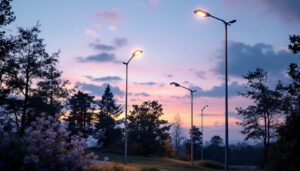
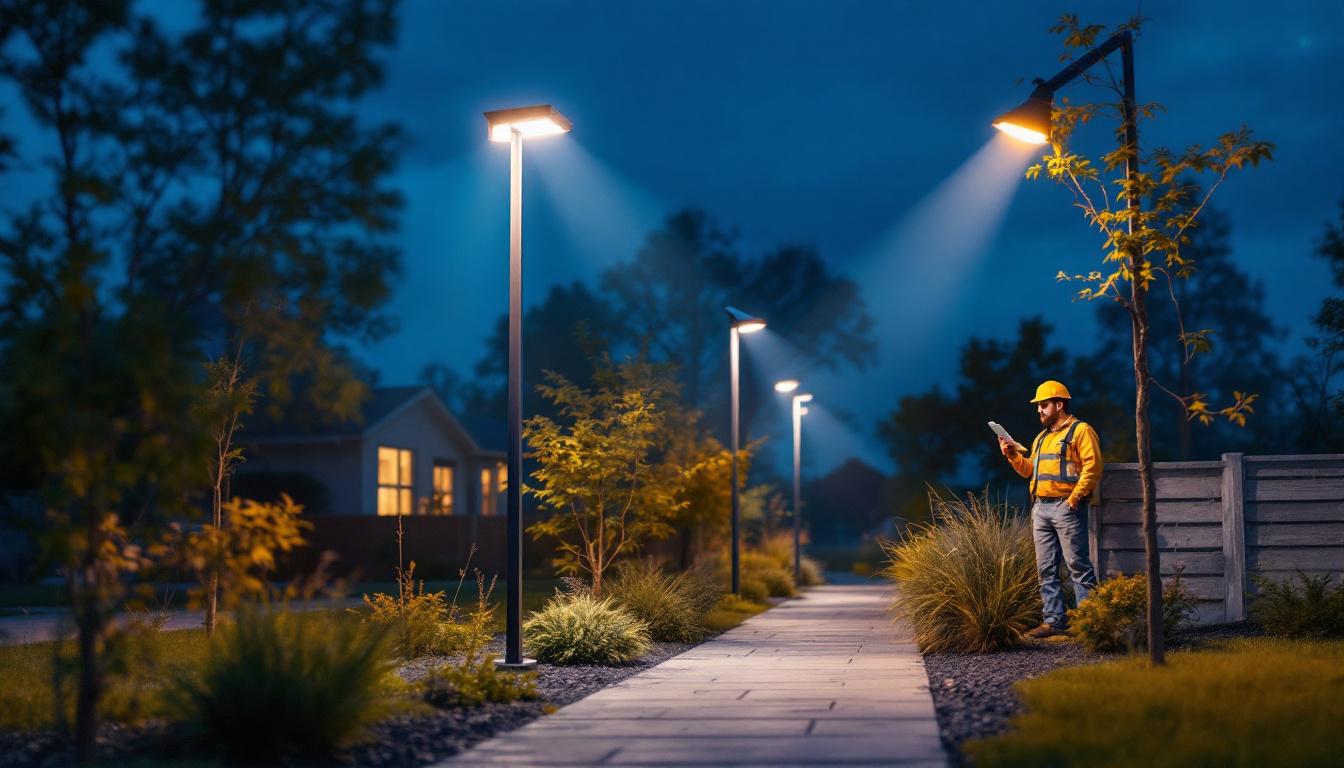
While LED technology is gaining ground, HPS lamps remain relevant due to their cost-effectiveness, especially in large-scale outdoor lighting projects such as street lighting, parking lots, and warehouses. Their ability to maintain lumen output over time and perform well in cold environments makes them a reliable choice under specific conditions.
Moreover, HPS lamps are known for their impressive lifespan, often lasting up to 24,000 hours, which translates to fewer replacements and lower maintenance costs over time. This longevity is particularly advantageous for municipalities and businesses looking to minimize operational disruptions. Additionally, the spectral output of HPS lamps, while not ideal for color rendering, is highly effective for visibility in foggy or rainy conditions, making them a preferred choice for roadways and public safety lighting.
Another aspect worth noting is the environmental considerations surrounding HPS lamps. While they do contain sodium and other materials that require careful disposal, advancements in recycling programs have made it easier to manage their end-of-life impact. Contractors should stay informed about local regulations regarding the disposal of HPS lamps and consider educating their clients on sustainable practices. This not only enhances the contractor’s reputation but also aligns with the growing trend of environmentally conscious decision-making in the lighting industry.
Key Advantages of HPS Lamps for Contractors
Energy Efficiency and Cost Savings
One of the primary reasons HPS lamps are still widely used is their impressive energy efficiency. Compared to older lighting technologies, HPS lamps convert a significant portion of electrical energy into visible light rather than heat. This efficiency translates into lower operating costs for clients, a compelling selling point when proposing lighting upgrades or new installations.
Contractors should note that while LED options might offer higher initial efficiency, HPS lamps often come with a lower upfront cost. This balance between initial investment and energy savings can influence project budgets and client decisions, especially in municipal or commercial contracts. Furthermore, many utility companies offer rebates for the installation of energy-efficient lighting, which can further enhance the financial appeal of HPS lamps. By leveraging these incentives, contractors can present a more attractive financial package to clients, making the switch to HPS not just a practical choice but also a financially savvy one.
Long Lifespan and Maintenance Considerations
HPS lamps typically offer a lifespan ranging from 12,000 to 24,000 hours, which is substantial when compared to many other traditional lighting options. This longevity reduces the frequency of replacements, lowering maintenance costs and minimizing disruptions in commercial or public spaces.
However, the lifespan can vary depending on usage patterns, ballast quality, and environmental factors. Contractors should advise clients on the importance of proper installation and compatible ballasts to ensure the lamps reach their full potential lifespan. Additionally, regular maintenance checks can help identify any issues early on, further extending the life of the lighting system. By implementing a proactive maintenance schedule, contractors can help clients avoid unexpected outages and ensure that their lighting remains reliable and effective over time.
Excellent Performance in Various Conditions
HPS lamps perform well in cold temperatures, making them ideal for outdoor lighting in colder climates where other lamp types might struggle. Their stable light output in such conditions ensures consistent illumination, which is crucial for safety and security applications.
Additionally, these lamps have good color rendering for their category, although they tend to produce a monochromatic yellowish light. This characteristic is sometimes preferred in fog-prone areas because the light penetrates fog better than white or blue-toned light sources. Moreover, the unique spectral output of HPS lamps can enhance visibility in low-light environments, making them a favored choice for street lighting and parking lots. Contractors can also highlight the adaptability of HPS lamps in various settings, from industrial sites to residential neighborhoods, showcasing their versatility in meeting diverse client needs. This adaptability not only broadens the scope of potential projects but also allows contractors to cater to specific client requirements, ensuring satisfaction and repeat business.
Technical Aspects Lighting Contractors Should Know
Ballasts and Compatibility
HPS lamps require specific ballasts to regulate the current and provide the necessary starting voltage. Choosing the right ballast is critical; an incompatible or low-quality ballast can reduce lamp life and efficiency or cause flickering and premature failure.
Electronic ballasts are generally preferred over magnetic ones due to their higher efficiency, reduced weight, and quieter operation. They also improve power factor and reduce energy consumption. Contractors should ensure that ballasts are UL-listed and compatible with the specific wattage and type of HPS lamp being installed.
Wattage and Lumen Output
HPS lamps come in a variety of wattages, commonly ranging from 35 watts to 1000 watts. The choice of wattage depends on the application, desired brightness, and energy constraints. For example, street lighting often uses lamps in the 150 to 400-watt range, balancing brightness and energy use.
Lumen output is directly related to wattage; higher wattage lamps produce more lumens. However, contractors should consider the lighting design and spacing to avoid over-illumination, which wastes energy and can cause glare.
Color Temperature and Rendering
HPS lamps typically have a color temperature between 2000K and 2200K, resulting in that warm amber glow. While this color temperature is not ideal for applications requiring accurate color perception, it is beneficial for outdoor lighting where visibility and contrast are more important than color fidelity.
The color rendering index (CRI) of HPS lamps is relatively low, usually around 20-25. This means colors appear muted or distorted under their light. Contractors should assess whether this is acceptable for the client’s needs or if alternative lighting solutions should be considered.
Installation Best Practices and Troubleshooting
Proper Handling and Installation
Handling HPS lamps with care is essential to prevent damage. The quartz envelope of the lamp can be sensitive to oils and dirt, which can cause hot spots and reduce lamp life. Contractors should wear gloves or use clean cloths when installing these lamps.
Correct orientation is also important. Many HPS lamps are designed to operate in a specific position to optimize performance and lifespan. Installing them incorrectly can lead to uneven light distribution or premature failure.
Common Issues and Solutions
Flickering or failure to start are common problems encountered with HPS lamps. These issues often stem from ballast problems, poor electrical connections, or lamp degradation. Contractors should verify ballast compatibility and wiring integrity before replacing lamps.
Another frequent issue is lumen depreciation over time. While HPS lamps maintain brightness better than some alternatives, they do dim gradually. Regular maintenance schedules should include lamp replacements before output drops below acceptable levels.
Disposal and Environmental Considerations
HPS lamps contain small amounts of hazardous materials such as mercury, so proper disposal is crucial. Contractors should follow local regulations for recycling or hazardous waste handling to prevent environmental contamination.
Encouraging clients to participate in lamp recycling programs not only ensures compliance but also promotes sustainable practices within the industry.
Comparing HPS Lamps to Other Lighting Technologies
HPS vs. LED
LED lighting has surged in popularity due to its superior energy efficiency, longer lifespan, and excellent color rendering. However, HPS lamps still hold advantages in certain scenarios, particularly where initial cost constraints are tight or where the warm amber light is preferred for visibility reasons.
Contractors should weigh the total cost of ownership, including installation, energy use, maintenance, and replacement frequency, when advising clients. In some cases, retrofitting existing HPS fixtures with LED modules can offer a middle ground, combining the benefits of both technologies.
HPS vs. Metal Halide
Metal halide lamps produce a whiter light with better color rendering but generally have shorter lifespans and lower energy efficiency compared to HPS lamps. For applications where color accuracy is critical, metal halide may be preferred, but for general outdoor illumination, HPS often remains the more economical choice.
HPS vs. Mercury Vapor
Mercury vapor lamps are largely obsolete due to poor energy efficiency and environmental concerns. HPS lamps represent a significant upgrade, offering better lumen output per watt and longer service life. Contractors working with older installations may encounter mercury vapor lamps and should recommend HPS or LED replacements for improved performance.
Future Outlook and Trends for Lighting Contractors
While LED technology continues to dominate new installations, HPS lamps are expected to remain in service for years, particularly in legacy systems and budget-sensitive projects. Contractors should stay informed about evolving regulations, such as restrictions on mercury-containing lamps, which may impact the availability and use of HPS lamps.
Advancements in ballast technology and hybrid lighting systems also present opportunities for contractors to enhance HPS lamp performance. For example, integrating smart controls can optimize energy use and extend lamp life, adding value for clients focused on sustainability.
Ultimately, a thorough understanding of HPS lamp characteristics, advantages, and limitations allows contractors to make informed recommendations tailored to each project’s unique requirements.
Illuminate Your Projects with LumenWholesale
Ready to take your lighting projects to the next level? At LumenWholesale, we provide lighting contractors with the highest quality HPS lamps and other spec-grade lighting products at unbeatable wholesale prices. Say goodbye to local distributor markups and hello to superior lighting solutions that meet the highest industry standards. With our hassle-free bulk buying and free shipping, you can equip your projects with premium lighting at the best value — all without hidden fees or compromises. Elevate your lighting installations with the perfect combination of quality, affordability, and convenience. Wholesale Lighting at the Best Value is just a click away!