Understanding Old Lighting Gas Systems
For lighting contractors, a comprehensive grasp of old lighting gas systems is essential when working on restoration projects, historical buildings, or integrating modern lighting solutions with legacy infrastructure. These systems, which predate widespread electric lighting, were once the backbone of urban illumination and remain a critical part of many architectural landmarks.
Old lighting gas typically refers to the gas produced from coal or other carbonaceous materials, commonly known as coal gas or town gas. This gas was used extensively before the advent of electric lighting, powering street lamps, indoor fixtures, and even some early industrial applications. Understanding the composition, delivery mechanisms, and safety considerations of these systems is vital for contractors tasked with maintaining or upgrading such installations.
The Composition and Production of Old Lighting Gas
Old lighting gas was primarily produced through the process of coal gasification. Coal was heated in the absence of air, releasing a mixture of gases including hydrogen, methane, carbon monoxide, and other hydrocarbons. This blend provided a flammable, luminous gas suitable for lighting purposes. The presence of carbon monoxide, however, made it hazardous without proper ventilation and handling.
Lighting contractors should be aware that the gas quality and composition varied depending on the coal source and production methods, which can affect the performance and safety of existing gas lighting systems. Modern testing equipment can analyze residual gas lines to assess risks before any work begins. Furthermore, the historical context of these systems is significant; many cities had their own gasworks, which were often community landmarks themselves, reflecting the industrial heritage of the area.
Historical Infrastructure and Components
Old gas lighting infrastructure includes gas mains, service pipes, meters, valves, and lighting fixtures such as mantles and burners. Many of these components were crafted from cast iron, brass, or early forms of steel, and may have deteriorated over time. For contractors, identifying the materials and their condition is a crucial first step in any repair or restoration effort.
Additionally, gas lighting fixtures often incorporated decorative elements that require careful handling to preserve their historical integrity. It’s important for contractors to balance functional upgrades with aesthetic preservation, especially in protected heritage sites. In many instances, these fixtures were designed by skilled artisans, featuring intricate designs that reflect the architectural style of the period. The restoration of such elements not only enhances the visual appeal of a building but also serves to educate the public about the historical significance of gas lighting in urban development.
Moreover, understanding the historical context of these systems can provide insights into the evolution of urban planning and public safety measures. As cities transitioned from gas to electric lighting, the infrastructure underwent significant changes, leading to the development of new technologies and standards. Contractors must be equipped with knowledge of these transitions to effectively integrate modern solutions while respecting the legacy of the past. This includes being familiar with the regulatory frameworks that govern the preservation of historical sites, ensuring that any modifications comply with local heritage conservation laws.
Safety Protocols and Regulatory Compliance
Working with old lighting gas systems demands strict adherence to safety protocols and regulatory standards. The risks associated with gas leaks, carbon monoxide exposure, and potential explosions necessitate a thorough understanding of both historical and modern safety requirements.
Assessing and Mitigating Risks
Before commencing any work, contractors should conduct comprehensive risk assessments. This includes checking for gas leaks using calibrated detection instruments, verifying the integrity of pipes and fittings, and ensuring adequate ventilation in enclosed spaces. Given the toxic nature of carbon monoxide, continuous monitoring during work is advisable.
Contractors must also be prepared to handle unexpected findings such as obsolete or non-compliant installations. In such cases, consulting with gas safety engineers or specialists can provide guidance on safe remediation strategies.
Compliance with Modern Standards
While old lighting gas systems were designed under different regulatory frameworks, any maintenance or upgrades must comply with current gas safety regulations and building codes. This often involves integrating modern safety devices like automatic shut-off valves, pressure regulators, and updated meters without compromising the historical appearance.
Documentation and certification of all work performed are mandatory, ensuring traceability and accountability. Lighting contractors should stay informed about local and national codes related to gas installations and collaborate closely with regulatory bodies when working on heritage sites.
Techniques for Restoration and Modernization
Restoring old lighting gas systems requires a blend of traditional craftsmanship and modern technology. Contractors must be adept at diagnosing issues, sourcing compatible materials, and implementing upgrades that respect the original design.
Diagnosing Common Issues
Common problems in old gas lighting systems include corrosion, leaks, blockages, and malfunctioning fixtures. Using advanced diagnostic tools such as ultrasonic thickness gauges and gas analyzers can help identify hidden defects. Visual inspections remain important, especially for assessing the condition of decorative fixtures and pipe fittings.
Understanding the typical failure modes of old materials enables contractors to prioritize repairs and replacements effectively, minimizing downtime and preserving system integrity.
Sourcing and Fabricating Replacement Parts
One of the challenges in restoring old gas lighting systems is finding or fabricating replacement parts that match the original components. Many historical fixtures and fittings are no longer manufactured, requiring bespoke fabrication or careful retrofitting of modern equivalents.
Contractors often collaborate with specialized foundries, metalworkers, and restoration artisans to recreate authentic parts. This process demands precision and an eye for detail, ensuring that replacements blend seamlessly with existing components.
Integrating Modern Controls and Safety Features
Modernization efforts typically involve installing contemporary control systems such as automated ignition, remote monitoring, and safety interlocks. These enhancements improve operational efficiency and safety without detracting from the historical ambiance.
Lighting contractors should design these integrations to be reversible where possible, preserving the option for future restoration to original conditions. Wireless sensors and discreet wiring solutions can maintain the visual integrity of heritage lighting installations.
Case Studies and Practical Applications
Examining real-world examples of old lighting gas system projects provides valuable insights for contractors. These case studies illustrate the challenges and solutions encountered during restoration and modernization efforts.
Restoration of a Historic Theatre Gas Lighting System
A renowned historic theatre underwent a comprehensive restoration of its original gas lighting system. The project involved detailed archival research, condition assessments, and collaboration with heritage conservation experts. Contractors replaced corroded pipes with custom-fabricated replicas, installed modern safety valves, and refurbished mantles to restore authentic lighting effects.
This project highlighted the importance of interdisciplinary teamwork and meticulous planning to balance safety, functionality, and historical accuracy.
Modernization of Gas Street Lamps in a Heritage District
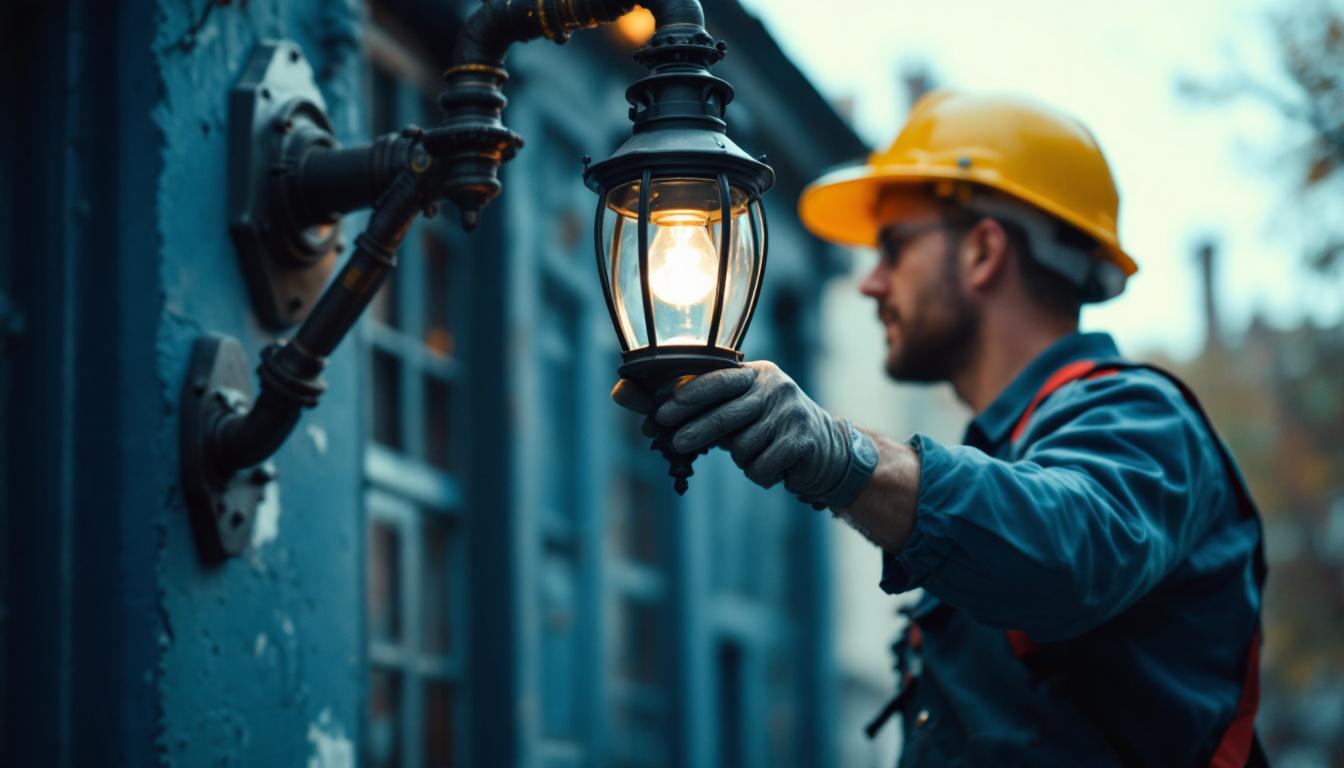
In a heritage district, a lighting contractor was tasked with upgrading old gas street lamps to improve safety and reduce maintenance costs. The solution involved retrofitting lamps with concealed electronic ignition systems and remote monitoring capabilities, allowing for efficient operation while preserving the lamps’ classic appearance.
The project demonstrated how thoughtful integration of technology can extend the lifespan of old gas lighting infrastructure and enhance public safety.
Essential Tools and Equipment for Lighting Contractors
Successful work on old lighting gas systems depends on having the right tools and equipment. These range from diagnostic instruments to specialized fabrication tools.
Gas Detection and Analysis Instruments
Portable gas detectors capable of identifying carbon monoxide, methane, and other combustible gases are indispensable. Advanced analyzers provide detailed composition data, aiding in accurate risk assessments and system diagnostics.
Regular calibration and maintenance of these instruments ensure reliable readings, which are critical for worker safety and regulatory compliance.
Pipe and Fixture Maintenance Tools
Contractors require a variety of hand tools such as pipe wrenches, threading machines, and sealant applicators designed for gas systems. For restoration work, precision tools for metalworking and polishing are necessary to handle delicate fixtures.
Investing in high-quality tools tailored for gas lighting systems enhances efficiency and reduces the risk of damage during repairs.
Fabrication and Customization Equipment
Access to metalworking equipment including lathes, milling machines, and casting facilities enables the production of bespoke parts. Collaboration with workshops specializing in historical restoration can supplement in-house capabilities.
These resources allow contractors to meet the unique demands of old lighting gas systems, ensuring authenticity and durability.
Training and Continuing Education
Given the specialized nature of old lighting gas systems, ongoing training is crucial for lighting contractors. Staying updated on safety standards, restoration techniques, and emerging technologies enhances professional competence and project outcomes.
Certification Programs and Workshops
Many industry organizations offer certification programs focused on gas safety and heritage restoration. Participating in these programs equips contractors with the latest knowledge and best practices.
Workshops and seminars provide hands-on experience with traditional and modern tools, fostering skill development and networking opportunities.
Collaboration with Heritage and Safety Experts
Engaging with conservation professionals, gas safety engineers, and regulatory agencies enriches contractors’ understanding of complex projects. These collaborations promote adherence to standards and innovative problem-solving.
Building relationships within this community supports knowledge exchange and access to specialized resources.
Conclusion
Old lighting gas systems represent a unique intersection of history, technology, and safety. For lighting contractors, mastering the essentials of these systems is indispensable when working on restoration or modernization projects. A thorough understanding of gas composition, infrastructure, safety protocols, and restoration techniques ensures that contractors can deliver work that honors historical significance while meeting contemporary standards.
By investing in the right tools, training, and collaborative partnerships, lighting contractors can confidently navigate the challenges of old lighting gas systems and contribute to preserving cultural heritage for future generations.
Illuminate Your Projects with LumenWholesale
As you embrace the complexities of old lighting gas systems, let LumenWholesale be your partner in achieving excellence. Our commitment to providing spec-grade lighting products at wholesale prices ensures that you can tackle any restoration or modernization project with confidence. With our extensive selection that meets the highest industry standards, you’ll find the perfect lighting solutions to honor the past while embracing the future. Take advantage of our hassle-free bulk buying and free shipping to get your premium lighting at the best value. Elevate your lighting projects with the quality, affordability, and convenience offered by LumenWholesale — your trusted source for Wholesale Lighting at the Best Value.