Understanding the Unique Challenges of Outdoor Arena Lighting
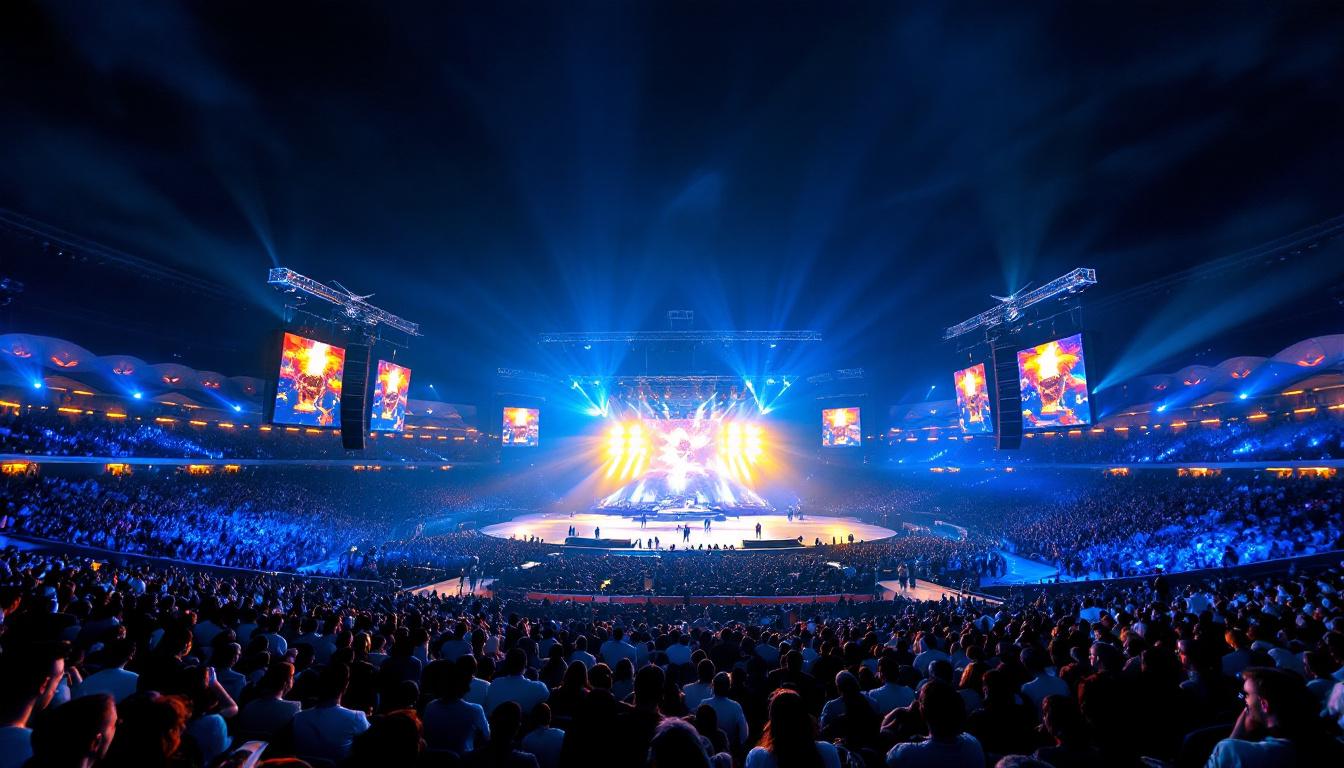
Outdoor arenas present a distinct set of challenges for lighting contractors. Unlike indoor venues, outdoor spaces are exposed to varying weather conditions, ambient light changes, and expansive areas requiring uniform illumination. Mastering these complexities is essential to deliver a lighting solution that enhances visibility, safety, and the overall experience for spectators and participants alike.
One of the primary challenges is achieving consistent lighting across large, open spaces. Uneven lighting can cause shadows and glare, which not only disrupt the visual experience but can also pose safety risks for athletes and performers. Additionally, outdoor arenas often operate during nighttime or low-light conditions, necessitating lighting systems that provide sufficient brightness without excessive energy consumption. This balance is crucial, as the use of high-intensity lighting can lead to increased operational costs and environmental concerns, making energy-efficient solutions a priority for modern lighting designs.
Environmental factors such as wind, rain, and temperature fluctuations also influence the choice of lighting fixtures and installation methods. Lighting contractors must select durable, weather-resistant equipment and design installations that can withstand these elements without compromising performance. Furthermore, the choice of lighting technology—be it LED, metal halide, or other options—plays a significant role in determining not only the quality of light but also the longevity and maintenance requirements of the system. LEDs, for instance, are increasingly favored for their energy efficiency and long lifespan, but they also require careful planning to ensure that their light distribution meets the specific needs of the arena.
Moreover, the positioning of lighting fixtures is critical in outdoor arenas, as it directly impacts both functionality and aesthetics. Strategic placement can minimize light pollution, which is particularly important in areas near residential neighborhoods or natural habitats. By utilizing advanced lighting design software, contractors can simulate various lighting scenarios and optimize the layout to achieve the best results. This technology allows for a more precise approach to creating a visually appealing atmosphere while ensuring that all areas of the arena are adequately illuminated. Additionally, integrating smart lighting controls can enhance flexibility, allowing for adjustments based on specific events or changing weather conditions, further improving the user experience.
Key Considerations for Designing Effective Arena Lighting
Assessing the Arena’s Purpose and Usage Patterns
Before selecting lighting equipment, contractors should thoroughly understand the arena’s primary uses. Different sports and events have varying lighting requirements. For example, a soccer field demands uniform illumination with minimal shadows to ensure fair play and clear visibility for players and referees. Conversely, arenas hosting concerts or theatrical performances may require dynamic lighting setups that accommodate changing moods and effects.
Understanding usage patterns—such as peak hours, seasonal variations, and event types—helps in designing a lighting system that balances performance with energy efficiency. Incorporating dimmable or programmable lighting controls can optimize energy consumption during less intensive periods. Additionally, it is essential to consider the audience experience; for instance, lighting that enhances the visibility of the action while also creating an inviting atmosphere can significantly elevate the overall enjoyment of events. The integration of color-changing LEDs can also be a game-changer, allowing for customization based on the event theme or team colors, thus enhancing the emotional connection between the audience and the event.
Compliance with Industry Standards and Regulations
Lighting contractors must ensure their designs comply with relevant standards such as those set by the Illuminating Engineering Society (IES) and local regulations. These standards specify minimum illumination levels, uniformity ratios, and glare control measures tailored to different sports and activities.
Adherence to these guidelines not only guarantees optimal visibility and safety but also helps avoid legal liabilities. For instance, inadequate lighting in sports arenas has been linked to increased injury risks, underscoring the importance of meeting or exceeding recommended standards. Furthermore, staying abreast of evolving regulations and technological advancements is crucial, as these can impact design choices. Engaging with local sports organizations and stakeholders can provide invaluable insights into specific lighting needs and preferences, ensuring that the final design not only meets compliance but also resonates with the community it serves.
Prioritizing Energy Efficiency and Sustainability
Energy consumption is a significant operational cost for outdoor arenas. Modern lighting contractors must prioritize energy-efficient solutions that reduce both expenses and environmental impact. LED technology has revolutionized arena lighting by offering high luminous efficacy, long lifespan, and reduced maintenance requirements.
Integrating smart controls such as motion sensors, timers, and daylight harvesting systems further enhances efficiency. These technologies adjust lighting levels based on real-time needs, preventing unnecessary energy use without compromising performance. Additionally, the use of solar-powered lighting solutions can be explored, particularly for outdoor facilities, as they harness renewable energy and can significantly lower electricity bills. Implementing a comprehensive energy audit can also identify areas for improvement, allowing arenas to adopt best practices in sustainability while showcasing their commitment to environmental stewardship, which can be an attractive feature for sponsors and event organizers alike.
Technical Mastery: Selecting and Installing the Right Lighting Equipment
Choosing the Appropriate Fixtures and Light Sources
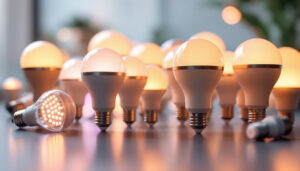
LED fixtures have become the industry standard for outdoor arena lighting due to their durability, energy efficiency, and superior light quality. When selecting fixtures, contractors should consider factors such as beam angle, color temperature, and lumen output to match the arena’s specific requirements.
Wide beam angles help achieve uniform coverage, while cooler color temperatures (around 5000K to 6000K) simulate daylight, enhancing visibility and color rendering. High Color Rendering Index (CRI) values are crucial for accurately distinguishing colors on the field, which is particularly important for televised events.
Strategic Placement and Mounting Techniques
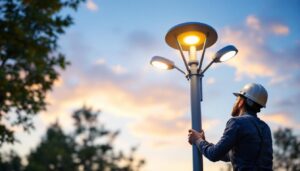
Proper fixture placement is critical to minimizing shadows and glare. Lighting contractors must conduct thorough photometric analyses to determine optimal mounting heights and angles. Typically, fixtures are mounted on poles or existing structures at heights ranging from 40 to 80 feet, depending on the arena size and lighting requirements.
Using adjustable mounts allows fine-tuning of beam direction post-installation, ensuring precise coverage. Additionally, incorporating shielding or louvers can control light spill and reduce glare affecting nearby residences or roadways.
Ensuring Robust Electrical Infrastructure and Safety
Outdoor lighting installations demand robust electrical systems capable of handling high loads and exposure to harsh conditions. Contractors should use weatherproof conduits, connectors, and enclosures rated for outdoor use to protect wiring and components.
Grounding and surge protection are vital to safeguard equipment from electrical faults and lightning strikes. Implementing regular maintenance schedules and inspections helps identify potential issues early, extending the lifespan of the lighting system and ensuring continuous operation.
Advanced Techniques and Innovations in Arena Lighting
Incorporating Smart Lighting Controls
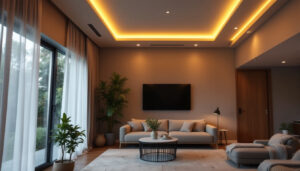
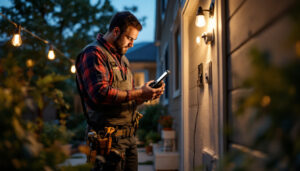
Smart lighting systems enable dynamic control over brightness, color, and scheduling. By integrating wireless control platforms, contractors can offer arena managers the flexibility to adjust lighting remotely or automate changes based on event type and time of day.
These systems also facilitate data collection on energy usage and system performance, supporting proactive maintenance and further optimization. The ability to create lighting scenes enhances the spectator experience, making events more engaging and visually appealing.
Utilizing Adaptive and Responsive Lighting Technologies
Emerging technologies such as adaptive lighting use sensors and algorithms to adjust illumination in real-time. For example, motion sensors can increase brightness in active zones while dimming unoccupied areas, conserving energy without compromising safety.
Responsive lighting can also synchronize with event activities, such as changing colors or intensity during key moments in a game or performance. This level of interactivity elevates the arena’s ambiance and can be a unique selling point for venue operators.
Integrating Renewable Energy Solutions
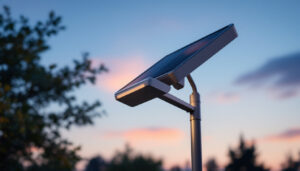
Incorporating solar panels or other renewable energy sources into arena lighting systems is gaining traction. While initial investment costs may be higher, these solutions reduce reliance on grid electricity and lower long-term operational expenses.
Lighting contractors should assess the feasibility of renewable integration based on site conditions, including sun exposure and available space. Hybrid systems combining solar power with grid backup can offer reliable, sustainable lighting tailored to the arena’s needs.
Best Practices for Maintenance and Troubleshooting
Establishing Routine Inspection Protocols
Regular inspections are essential to maintain optimal lighting performance and safety. Contractors should recommend schedules for checking fixture alignment, cleaning lenses, and verifying electrical connections. Environmental factors such as dust, bird droppings, and moisture can degrade light output over time.
Documenting inspection results and maintenance activities helps track system health and plan timely interventions, preventing unexpected failures during critical events.
Common Issues and Effective Troubleshooting Strategies
Lighting contractors often encounter issues such as flickering lights, uneven illumination, or fixture failures. Diagnosing these problems requires a systematic approach—starting with verifying power supply integrity, checking for loose connections, and inspecting fixture components.
In many cases, replacing aging or faulty drivers and LED modules resolves performance issues. Contractors should also educate arena operators on basic troubleshooting steps and the importance of reporting anomalies promptly.
Planning for Upgrades and Scalability
As technology evolves, lighting systems may require upgrades to maintain competitiveness and efficiency. Designing installations with scalability in mind allows for seamless integration of new fixtures, control systems, or energy sources without extensive rework.
Contractors should advise clients on future-proofing strategies, including modular designs and compatibility with emerging standards. This proactive approach enhances client satisfaction and positions contractors as trusted partners in long-term arena management.
Conclusion: Elevating Outdoor Arena Lighting through Expertise and Innovation
Mastering outdoor arena lighting demands a blend of technical knowledge, practical experience, and awareness of emerging trends. Lighting contractors who invest in understanding the unique challenges of outdoor environments, adhere to industry standards, and embrace innovative technologies will deliver superior solutions that enhance safety, performance, and spectator enjoyment.
By prioritizing energy efficiency, robust installation practices, and proactive maintenance, contractors can build lighting systems that stand the test of time and environmental stresses. Ultimately, excellence in outdoor arena lighting not only elevates the venue’s reputation but also contributes to the success of every event hosted under its glow.
Illuminate Your Outdoor Arena Projects with LumenWholesale
Ready to take your outdoor arena lighting to the next level? At LumenWholesale, we provide lighting contractors with the high-quality, specification-grade lighting products you need to master any project. With our competitive wholesale pricing and commitment to cutting out the middleman, you’ll enjoy superior lighting products at prices that can’t be beaten. Our extensive selection adheres to the highest industry standards, ensuring that every installation shines with reliability and performance. Plus, with the convenience of free shipping on bulk orders, you can trust that you’re getting the best value without any hidden costs. Elevate your outdoor arena lighting with the perfect combination of quality, affordability, and convenience at LumenWholesale. Discover our range and start saving today by visiting Wholesale Lighting at the Best Value.