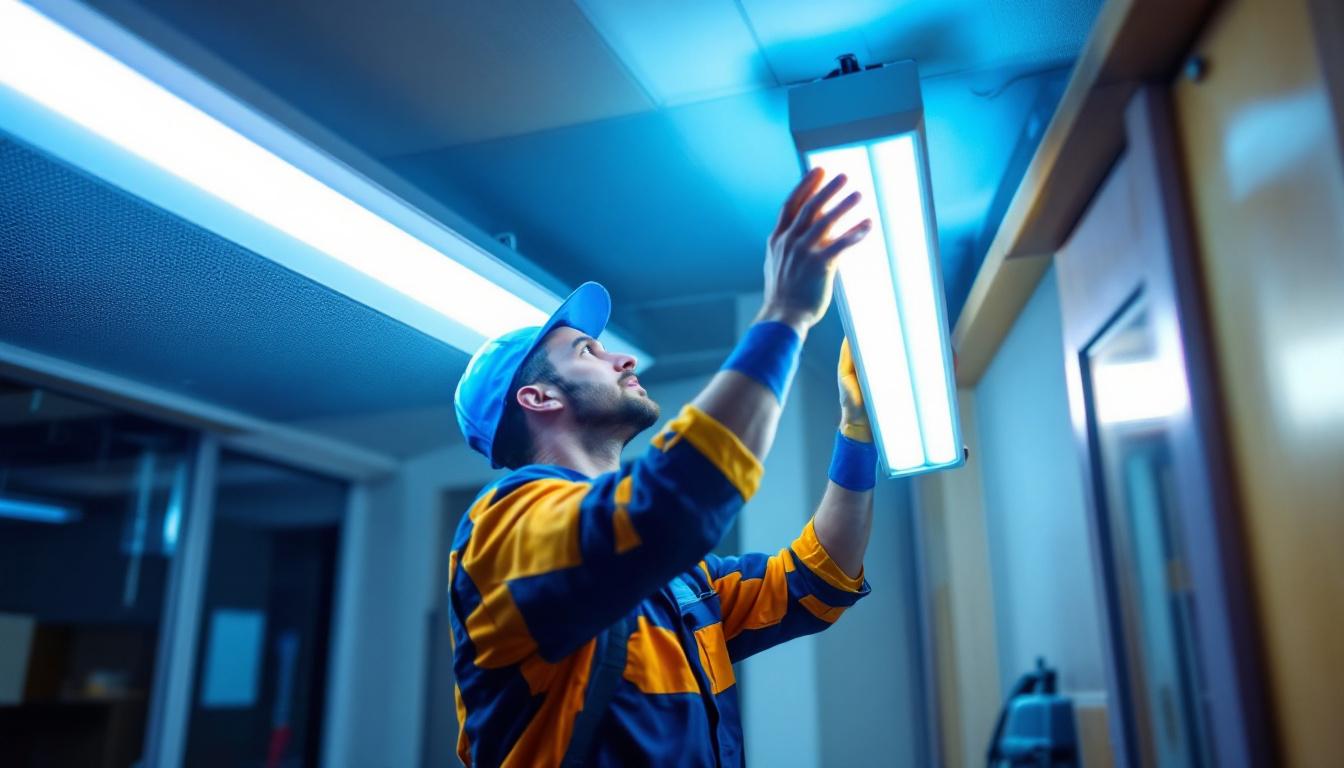
In the ever-evolving world of lighting solutions, LED ceiling light fixtures have emerged as a game-changer, particularly for lighting contractors. As the demand for energy-efficient and sustainable lighting continues to rise, understanding the benefits and applications of LED technology is crucial for those in the industry. This article explores how LED ceiling lights can enhance efficiency, reduce costs, and provide superior lighting solutions for various settings.
Understanding LED Technology
Light Emitting Diodes (LEDs) represent a significant advancement in lighting technology. Unlike traditional incandescent or fluorescent bulbs, LEDs convert electricity directly into light, resulting in higher energy efficiency and lower heat output. This fundamental difference not only enhances performance but also extends the lifespan of the fixtures. Furthermore, the compact size of LEDs allows for innovative designs and applications that were previously impossible with larger bulbs, enabling architects and designers to explore new aesthetics in lighting.
The Benefits of LED Ceiling Lights
LED ceiling lights come with a plethora of advantages that make them an attractive option for lighting contractors. Firstly, they consume significantly less energy compared to conventional lighting options, which can lead to substantial savings on electricity bills. This energy efficiency is particularly beneficial in commercial settings where lighting is used extensively. In fact, studies have shown that switching to LED lighting can reduce energy consumption by up to 80%, a statistic that is hard to ignore for businesses looking to cut costs.
Moreover, LED fixtures have a longer lifespan, often lasting up to 25,000 hours or more. This longevity reduces the frequency of replacements, which can save both time and labor costs for contractors. Additionally, many LED products are designed to be more durable, with resistance to shock and vibration, making them suitable for various environments. The versatility of LED ceiling lights also allows for dimming capabilities and color temperature adjustments, providing users with the ability to create the perfect ambiance for any occasion. This adaptability is particularly valuable in spaces such as restaurants, theaters, and homes where mood lighting is essential.
Environmental Impact
With growing concerns about environmental sustainability, the shift towards LED lighting is a positive step. LEDs are free from harmful substances like mercury, which is commonly found in fluorescent bulbs. By opting for LED ceiling lights, contractors can contribute to a greener planet while meeting the increasing demand for eco-friendly solutions. Furthermore, the reduced energy consumption associated with LEDs translates to lower greenhouse gas emissions, making them a pivotal element in the fight against climate change.
In addition to their eco-friendly properties, LEDs also contribute to a decrease in light pollution. Unlike traditional lighting that emits light in all directions, many LED designs focus light where it is needed most, minimizing wasted illumination and enhancing nighttime visibility without overwhelming the environment. This characteristic is particularly important in urban areas where excessive light can disrupt wildlife and obscure the beauty of the night sky. As cities continue to grow and evolve, the adoption of LED technology can play a crucial role in creating sustainable and livable urban spaces.
Applications of LED Ceiling Lights
LED ceiling lights are versatile and can be utilized in a wide range of applications. From residential to commercial and industrial settings, their adaptability makes them a preferred choice for many contractors.
Residential Use
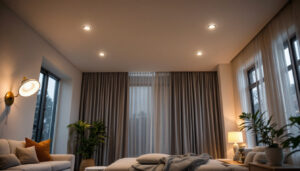
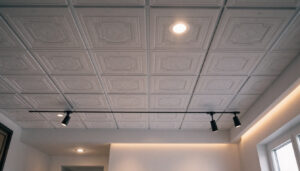
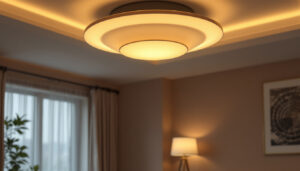
In residential spaces, LED ceiling lights can enhance the ambiance of a home. They are available in various designs, including recessed lighting, flush mounts, and pendant fixtures, allowing homeowners to choose options that best fit their decor. The ability to dim LED lights also adds to their appeal, providing flexibility in creating different moods.
Furthermore, energy-efficient LED lighting can significantly reduce household energy consumption, making it an attractive selling point for contractors when working on residential projects. Homeowners are increasingly looking for sustainable solutions, and installing LED ceiling lights can be a compelling way to meet this demand. In addition to energy savings, LED lights have a longer lifespan compared to traditional incandescent bulbs, which means less frequent replacements and reduced waste. This longevity not only contributes to a more sustainable lifestyle but also saves homeowners time and money in the long run.
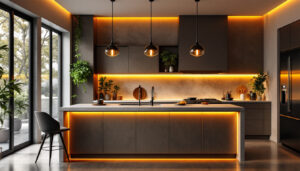
Additionally, the color temperature of LED lights can be tailored to suit different areas of the home. For example, warmer tones can create a cozy atmosphere in living rooms and bedrooms, while cooler tones are ideal for task-oriented spaces like kitchens and home offices. This versatility allows homeowners to curate their lighting to enhance both functionality and aesthetic appeal, making LED ceiling lights an essential element in modern home design.
Commercial and Industrial Use
In commercial and industrial settings, the need for effective lighting is paramount. LED ceiling lights provide bright, consistent illumination that can improve productivity and safety in workplaces. For instance, in warehouses and manufacturing facilities, proper lighting is essential for ensuring safety and efficiency.
Moreover, many commercial spaces are adopting LED lighting to comply with energy efficiency regulations and standards. This shift not only helps businesses save on operational costs but also enhances their corporate image as environmentally responsible entities. The durability of LED lights is particularly beneficial in high-traffic areas, where traditional bulbs may fail more frequently due to vibrations or impacts. This resilience translates to lower maintenance costs and less downtime, allowing businesses to focus on their core operations.
Furthermore, the integration of smart technology with LED ceiling lights is revolutionizing commercial lighting. Many businesses are now utilizing smart LED systems that allow for remote control and automation, enabling them to adjust lighting based on occupancy or time of day. This not only maximizes energy savings but also creates a more adaptable work environment. As companies continue to prioritize efficiency and sustainability, the role of LED ceiling lights in commercial and industrial applications will only grow in importance.
Choosing the Right LED Ceiling Lights
Selecting the appropriate LED ceiling lights for a project can be a daunting task, given the myriad of options available. However, understanding key factors can simplify the decision-making process for lighting contractors.
Brightness and Color Temperature
Brightness is measured in lumens, and it is crucial to choose fixtures that provide adequate illumination for the intended space. For example, areas requiring high visibility, such as offices and retail spaces, may need brighter fixtures compared to residential settings.
Color temperature, measured in Kelvins (K), also plays a significant role in the ambiance of a space. Warmer tones (around 2700K to 3000K) are often preferred for residential areas, while cooler tones (4000K to 5000K) may be more suitable for commercial environments. Understanding these preferences can help contractors make informed recommendations to their clients.
Fixture Design and Installation
The design of LED ceiling lights can vary widely, from sleek and modern to more traditional styles. Contractors should consider the aesthetic preferences of their clients, as well as the overall design of the space when selecting fixtures. Additionally, ease of installation is a critical factor; many LED fixtures are designed for straightforward installation, which can save time and labor costs.
Cost Considerations
While the initial cost of LED ceiling lights may be higher than traditional lighting options, the long-term savings can be significant. Energy savings, reduced maintenance costs, and longer lifespans contribute to a lower total cost of ownership. For contractors, it is essential to communicate these benefits to clients, helping them understand the value of investing in LED technology.
Incentives and Rebates
Many regions offer incentives or rebates for businesses and homeowners who choose energy-efficient lighting solutions. Contractors should stay informed about available programs in their area, as these can further reduce the upfront costs of LED installations. By leveraging these incentives, contractors can enhance their proposals and make LED options more financially appealing to clients.
Future Trends in LED Lighting
The LED lighting industry is continuously evolving, with new technologies and trends emerging regularly. Staying ahead of these developments can provide contractors with a competitive edge in the market.
Smart Lighting Integration
One of the most significant trends in lighting is the integration of smart technology. Smart LED ceiling lights can be controlled remotely via smartphones or smart home systems, allowing users to adjust brightness, color temperature, and even set schedules. This level of control enhances convenience and energy savings, making it an attractive option for both residential and commercial clients.
Contractors who familiarize themselves with smart lighting solutions can offer comprehensive packages that include installation and setup, positioning themselves as knowledgeable professionals in a rapidly changing landscape.
Human-Centric Lighting
Another emerging trend is the concept of human-centric lighting, which focuses on creating lighting solutions that enhance well-being and productivity. This approach considers factors such as circadian rhythms, with lighting designed to mimic natural daylight patterns. As research continues to highlight the impact of lighting on health and productivity, contractors who embrace these concepts can provide added value to their clients.
Conclusion
LED ceiling lights represent a significant advancement in lighting technology, offering numerous benefits for lighting contractors. From energy efficiency and longevity to versatility in applications, these fixtures are well-suited for a variety of projects. By understanding the advantages of LED technology, staying informed about trends, and selecting the right products, contractors can enhance their service offerings and meet the evolving needs of their clients.
As the industry continues to shift towards sustainable solutions, embracing LED ceiling lights will not only boost efficiency but also position contractors as leaders in the lighting market. The future is bright for those who adapt and innovate in this dynamic field.
Illuminate Your Projects with LumenWholesale
Ready to elevate your lighting projects with the efficiency and sustainability of LED ceiling lights? Look no further than LumenWholesale for all your lighting needs. We provide lighting contractors with high-quality, specification-grade LED fixtures at unbeatable wholesale prices. Our extensive selection not only meets but exceeds industry standards, ensuring you deliver reliable and high-performance lighting solutions. With the added benefits of bulk buying, free shipping, and no hidden fees, LumenWholesale is your go-to source for premium lighting at the best value. Don’t compromise on quality or cost—choose LumenWholesale and make the smart investment for your lighting projects. Wholesale Lighting at the Best Value is just a click away.