Introduction to LED Strip Under Cabinet Lighting
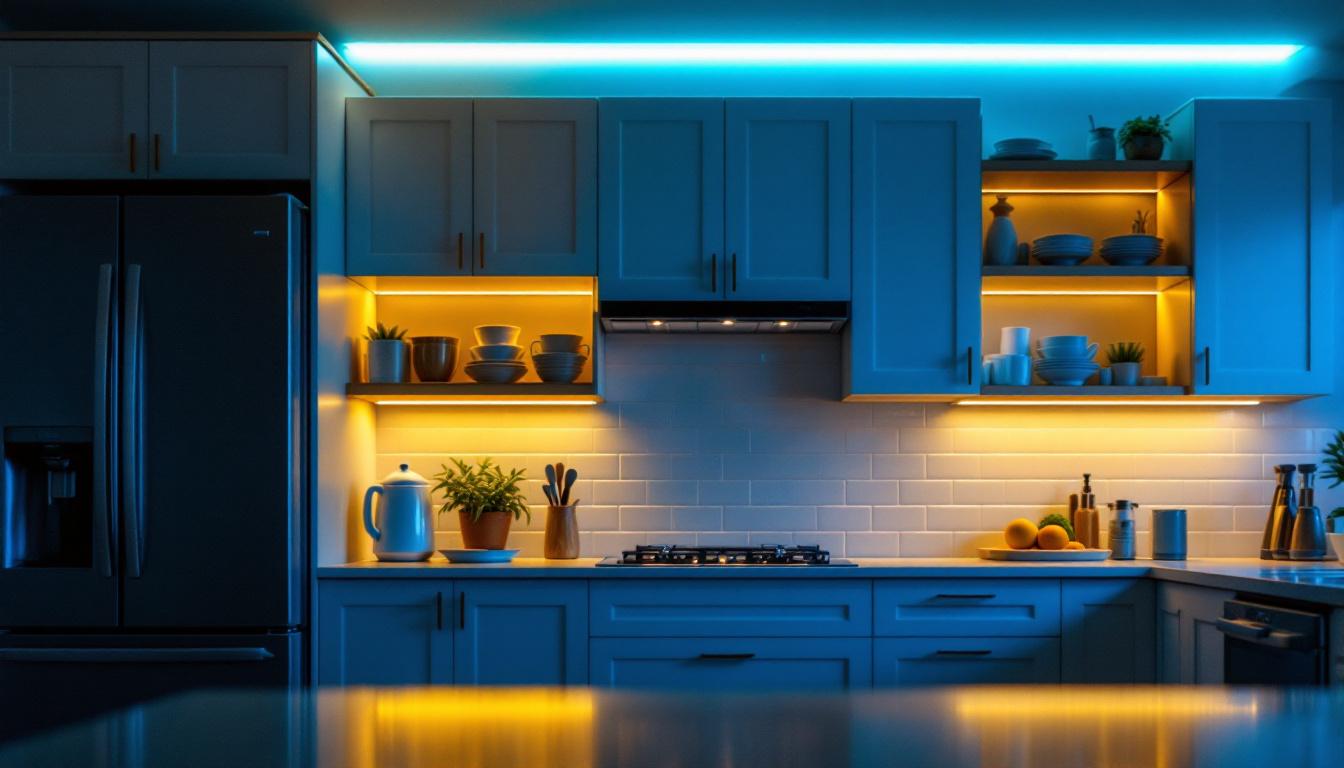
Under cabinet lighting has become an essential element in both residential and commercial spaces, offering not only enhanced visibility but also a touch of modern elegance. Among the various lighting options available, LED strip lights stand out for their versatility, energy efficiency, and ease of installation. For lighting contractors, understanding the nuances of LED strip under cabinet lighting is crucial to delivering high-quality, functional, and aesthetically pleasing lighting solutions to clients.
LED strip lights are thin, flexible circuit boards populated with surface-mounted light-emitting diodes (SMD LEDs). These strips can be installed under cabinets to provide task lighting, accent lighting, or ambient lighting, depending on the application. Their low profile and customizable length make them ideal for fitting into tight spaces, such as kitchen cabinets, display cases, and workstations.
One of the most appealing aspects of LED strip lighting is its ability to create a warm and inviting atmosphere while simultaneously enhancing the functionality of a space. For instance, in a kitchen, strategically placed LED strips can illuminate countertops, making food preparation safer and more efficient. Additionally, the color temperature of the LEDs can be selected to match the overall design aesthetic of the room, whether it be a cozy warm white for a rustic feel or a cool white for a sleek, modern look. This adaptability allows homeowners and designers to tailor the lighting to their specific needs and preferences.
Furthermore, the installation process for LED strip lights is generally straightforward, requiring minimal tools and expertise. Many products come with adhesive backing, allowing for easy application to various surfaces. Additionally, the option to connect multiple strips together means that larger areas can be illuminated without the need for complex wiring. This ease of use not only appeals to DIY enthusiasts but also opens up opportunities for contractors to offer quick and efficient installation services, ultimately enhancing customer satisfaction and expanding their service offerings.
Benefits of LED Strip Lighting Under Cabinets
Energy Efficiency and Longevity
One of the primary advantages of LED strip lighting is its energy efficiency. Compared to traditional incandescent or fluorescent lighting, LEDs consume significantly less power while delivering comparable or superior brightness. This efficiency translates into lower energy bills and a reduced environmental footprint, a key consideration for clients aiming for sustainable solutions.
Moreover, LED strips have an impressive lifespan, often exceeding 50,000 hours. This longevity reduces maintenance frequency and costs, making them a cost-effective choice over time. For lighting contractors, recommending LED strips can enhance client satisfaction through durable and reliable lighting installations. The reduced need for replacements means fewer materials end up in landfills, aligning with eco-friendly practices that many consumers prioritize today. Additionally, the lower heat output of LEDs minimizes the risk of overheating, which is particularly advantageous in enclosed spaces such as cabinets, where heat buildup can be a concern.
Flexibility and Customization
LED strips are highly flexible and can be cut to size at designated points, allowing for precise customization to fit any cabinet length or shape. This adaptability is particularly valuable in complex or irregular spaces, where traditional lighting fixtures may not be practical. The ease of installation further enhances their appeal, as many LED strips come with adhesive backing, allowing for quick and hassle-free application without the need for specialized tools.
Additionally, LED strips come in various color temperatures, from warm white to cool white, as well as RGB options for dynamic color-changing effects. This range enables contractors to tailor lighting to the specific ambiance or functional requirements of a space, whether it’s a cozy kitchen or a sleek retail display. The ability to adjust colors and brightness can also create a mood that complements the decor, making it easy to switch from bright task lighting during meal prep to softer hues for entertaining guests. Furthermore, smart LED options allow users to control their lighting through apps or voice commands, adding a layer of convenience and modernity to any installation.
Improved Visibility and Safety
Under cabinet LED strips provide focused illumination on countertops and work surfaces, significantly improving visibility for tasks such as cooking, reading recipes, or preparing materials. This targeted lighting reduces shadows and eye strain, enhancing both safety and comfort. The clear, bright light emitted by LEDs can make a significant difference in how colors and textures appear, which is particularly important in culinary settings where precision is key.
For commercial environments, such as laboratories or workshops, proper task lighting is critical to maintaining precision and reducing errors. LED strip lighting offers consistent, flicker-free illumination that supports these demanding applications. Moreover, the durability of LED strips means they can withstand the rigors of busy workspaces without compromising performance. In addition, the low heat emission of LEDs contributes to a safer working environment, reducing the risk of burns or heat-related accidents. As a result, businesses can operate more efficiently while ensuring the safety and well-being of their employees.
Technical Considerations for Installation
Choosing the Right LED Strip Type
LED strips vary in terms of brightness, density of LEDs per meter, and waterproof ratings. For under cabinet lighting, selecting the appropriate strip depends on the environment and desired effect. For example, a high-density strip with 120 LEDs per meter will provide brighter, more uniform light compared to a 30 LEDs per meter strip.
Waterproof or moisture-resistant strips (rated IP65 or higher) are recommended for kitchen installations where exposure to steam or spills is likely. Non-waterproof strips may be suitable for dry, indoor environments such as office cabinetry or retail displays.
Power Supply and Voltage
Most LED strips operate on low voltage DC power, typically 12V or 24V. Selecting the correct power supply is essential to ensure consistent performance and safety. Lighting contractors must calculate the total wattage of the LED strip run and choose a power supply with an appropriate wattage rating, ideally with a 20-30% buffer to prevent overload.
Using a power supply with built-in protections against overcurrent, overvoltage, and short circuits adds an extra layer of safety and reliability to the installation.
Installation Techniques and Mounting
LED strips usually come with an adhesive backing, making installation straightforward on clean, dry surfaces. However, for long-term durability, especially in environments subject to heat or moisture, mechanical fastening with clips or channels is advisable.
Aluminum mounting channels not only secure the LED strips but also act as heat sinks, improving thermal management and extending the lifespan of the LEDs. These channels often come with diffusers that soften the light output, reducing glare and creating a more pleasing illumination.
Design and Aesthetic Considerations
Color Temperature and Mood
The choice of color temperature greatly influences the ambiance of a space. Warm white LEDs (2700K-3000K) create a cozy, inviting atmosphere ideal for residential kitchens or hospitality settings. Neutral white (3500K-4000K) offers a balanced, natural light suitable for workspaces, while cool white (5000K-6500K) delivers crisp, daylight-like illumination preferred in task-oriented environments.
For clients seeking dynamic lighting, RGB or tunable white LED strips allow for color changes and adjustments throughout the day, enhancing both mood and functionality.
Light Distribution and Diffusion
Directly exposed LED strips can produce hotspots and uneven lighting. Using diffusers or frosted covers helps to distribute light more evenly, creating a smooth, continuous glow under cabinets. This approach not only improves aesthetics but also reduces eye strain and enhances the overall quality of light.
Lighting contractors should consider the mounting height and angle to optimize light spread and minimize shadows on work surfaces.
Integration with Smart Controls
Modern LED strip lighting can be integrated with smart home or building management systems, offering clients advanced control over brightness, color, and scheduling. This integration enhances energy savings and user convenience.
For contractors, familiarity with popular control protocols such as DMX, Zigbee, or Wi-Fi-based systems is advantageous. Providing clients with options for remote control, voice activation, or automation can significantly increase the perceived value of the lighting installation.
Common Challenges and Solutions
Heat Management
Although LEDs generate less heat than traditional bulbs, heat buildup can still affect performance and longevity. Proper heat dissipation through aluminum channels or adequate ventilation is essential, especially in enclosed cabinet spaces.
Contractors should avoid installing LED strips directly on heat-sensitive materials without proper thermal management to prevent damage and ensure consistent light output.
Power Drop and Voltage Loss
In longer runs of LED strips, voltage drop can cause dimming or color shifts at the far end of the strip. To mitigate this, lighting contractors can use thicker gauge wiring, inject power at multiple points, or limit the length of continuous runs according to manufacturer recommendations.
Planning the wiring layout carefully during the design phase helps avoid costly rework and ensures uniform illumination.
Adhesion and Surface Preparation
Adhesive-backed LED strips require clean, dry, and smooth surfaces for secure attachment. Surfaces contaminated with dust, grease, or moisture can lead to poor adhesion and eventual detachment.
Proper surface preparation, including cleaning with isopropyl alcohol and allowing sufficient curing time, is a simple yet critical step to guarantee a lasting installation.
Maintenance and Troubleshooting
Routine Inspection and Cleaning
Periodic inspection of LED strip installations helps identify issues such as loose connections, damaged strips, or power supply malfunctions early. Cleaning the strips and diffusers with a soft cloth prevents dust accumulation that can diminish light output.
For commercial clients, establishing a maintenance schedule can extend the life of the lighting system and maintain optimal performance.
Troubleshooting Common Issues
Common problems include flickering lights, dim sections, or complete failure of a strip segment. Flickering often results from loose connections or incompatible dimmers, while dim sections may indicate voltage drop or damaged LEDs.
Lighting contractors should carry multimeters and voltage testers to diagnose electrical issues efficiently. Replacing faulty sections or adjusting wiring can usually resolve these problems without full system replacement.
Conclusion: Delivering Value with LED Strip Under Cabinet Lighting
LED strip under cabinet lighting represents a sophisticated, energy-efficient, and customizable solution that meets the diverse needs of modern interiors. For lighting contractors, mastering the technical, aesthetic, and practical aspects of these systems is key to providing superior service and enhancing client satisfaction.
By carefully selecting the right products, ensuring proper installation, and offering smart control options, contractors can create lighting solutions that are not only functional but also elevate the design and usability of any space. As LED technology continues to evolve, staying informed and adaptable will keep professionals at the forefront of innovative lighting design.
Get Your Premium LED Strip Lighting at LumenWholesale
Ready to enhance your lighting projects with the sophistication and efficiency of LED strip under cabinet lighting? Look no further than LumenWholesale, where we provide contractors with the highest quality, spec-grade lighting products at exceptional wholesale prices. Say goodbye to local distributor markups and hello to a vast selection of reliable, high-performance lighting that meets rigorous industry standards. With the convenience of free shipping on bulk orders, you can trust that you’re getting the best value without any hidden costs. Elevate your lighting installations today by visiting LumenWholesale for wholesale lighting that combines quality, affordability, and convenience seamlessly.