Understanding Lumens in Recessed Lighting
When specifying recessed lighting, lumens are the key metric that lighting contractors focus on. Lumens measure the total amount of visible light emitted by a source, making them a more accurate indicator of brightness than watts, which only measure energy consumption. For contractors, understanding lumens is essential to delivering lighting solutions that meet client expectations for both functionality and ambiance.
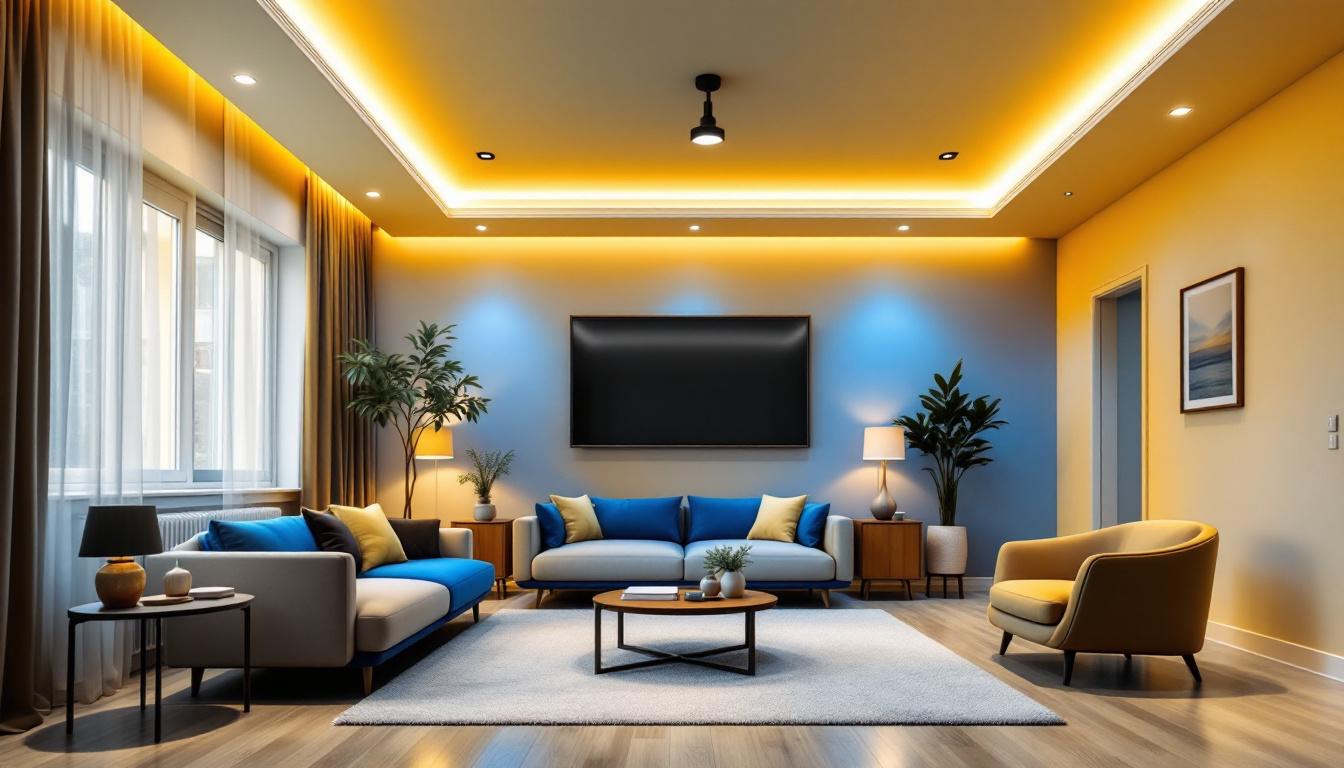
Recessed lighting fixtures come in a variety of lumen outputs, typically ranging from 300 to over 2000 lumens per bulb. This wide range allows contractors to tailor lighting schemes to different spaces and tasks. For example, a living room might require softer, lower-lumen fixtures to create a cozy atmosphere, while a kitchen or workspace demands brighter, higher-lumen options for clarity and safety.
Choosing the right lumen output also affects energy efficiency and cost. Higher lumens generally mean more energy consumption, but advances in LED technology have made it possible to achieve high brightness with minimal power use. Contractors who understand these nuances can guide clients toward lighting designs that balance brightness, energy savings, and budget.
Moreover, the color temperature of the light, measured in Kelvins, plays a significant role in how lumens are perceived in a space. Warmer light (around 2700K) can enhance the warmth of a room, making it feel inviting and comfortable, while cooler light (above 4000K) can create a more energetic and focused environment, ideal for workspaces. This interplay between lumens and color temperature is crucial for achieving the desired mood and functionality in any setting.
Additionally, the placement and directionality of recessed lighting can significantly impact its effectiveness. For instance, strategically positioning fixtures to highlight architectural features or artwork can add depth and interest to a room. Furthermore, utilizing dimmers allows for flexibility in adjusting the lumen output based on the time of day or specific activities, providing clients with a versatile lighting solution that can adapt to their needs. Understanding these factors not only enhances the aesthetic appeal of a space but also ensures that the lighting serves its intended purpose effectively.
The Advantages of High-Lumen Recessed Lighting
Enhanced Visibility and Safety
One of the most significant benefits of high-lumen recessed lighting is improved visibility. Spaces like kitchens, garages, and offices benefit greatly from bright, evenly distributed light. This reduces eye strain and enhances safety by illuminating potential hazards. For contractors, recommending higher lumen fixtures in these areas can be a selling point, especially for clients concerned about functionality.
In commercial settings, such as retail stores or medical offices, high-lumen recessed lighting can highlight products or workspaces effectively. This not only improves the user experience but can also boost productivity and customer satisfaction. For instance, in a medical office, proper lighting can help healthcare professionals perform detailed tasks with greater accuracy, while in a retail environment, it can draw attention to featured products, ultimately driving sales. The role of lighting in creating an inviting atmosphere cannot be overstated, as it sets the tone for the entire space, making it crucial for both safety and aesthetic appeal.
Energy Efficiency with LED Technology
Modern LED recessed lights deliver impressive lumen output while consuming a fraction of the energy of traditional incandescent or halogen bulbs. This efficiency translates into lower utility bills and a smaller carbon footprint for clients. For contractors, promoting LED recessed lighting as a high-lumen yet energy-efficient option aligns with growing demand for sustainable building practices.
Additionally, LEDs have a longer lifespan, reducing maintenance costs and the frequency of bulb replacements. This longevity is especially valuable in commercial or high-ceiling installations where changing bulbs can be labor-intensive and costly. Moreover, the advancement in LED technology has led to various color temperatures and dimmable options, allowing clients to customize their lighting to suit different moods or tasks. This versatility not only enhances the functionality of a space but also contributes to energy savings, as users can adjust the brightness based on their needs, further promoting an eco-friendly approach to lighting.
Design Flexibility and Aesthetic Appeal
High-lumen recessed lighting can be strategically placed to create layered lighting effects, enhancing the architectural features of a space. Contractors can use these fixtures to provide both ambient and task lighting without cluttering ceilings with bulky fixtures. This clean, modern look appeals to many clients and can increase the perceived value of a property.
Furthermore, the ability to integrate high-lumen recessed lighting into various design styles—from contemporary to traditional—makes it a versatile choice for any project. Designers can create focal points by directing light towards artwork or architectural details, while also ensuring that the overall ambiance remains inviting. The seamless integration of these fixtures into the ceiling allows for a minimalist aesthetic that many homeowners and businesses desire, eliminating the need for intrusive lighting solutions. As trends in interior design continue to evolve, the demand for such adaptable lighting options will likely grow, making high-lumen recessed lighting a staple in both residential and commercial spaces.
The Drawbacks and Challenges of High-Lumen Recessed Lighting
Potential for Glare and Over-illumination
While bright lighting is beneficial in many contexts, excessive lumens can cause glare and discomfort. This is particularly true in residential settings where softer lighting is often preferred for relaxation. Contractors must carefully calculate lumen requirements to avoid over-illumination, which can lead to client dissatisfaction and increased energy costs.
Glare can also impact the effectiveness of recessed lighting in work environments. Improperly selected or positioned high-lumen fixtures may create harsh shadows or reflections, reducing overall lighting quality.
Installation Complexity and Cost Considerations
High-lumen recessed fixtures, especially those with advanced LED technology, can be more expensive upfront than lower-lumen or traditional lighting options. This may pose budget challenges for some clients. Additionally, certain high-output fixtures require compatible dimmers, transformers, or housings, adding complexity to installation.
Contractors must factor in these costs and technical requirements during project planning. Educating clients about the long-term savings and benefits can help justify the initial investment, but clear communication is essential to avoid surprises.
Heat Management Issues
Although LEDs produce less heat than incandescent bulbs, high-lumen recessed lights can still generate significant warmth, especially in enclosed housings. Poor heat dissipation can shorten the lifespan of the fixture and create safety concerns. Contractors should ensure that fixtures are rated for the intended environment and that proper ventilation or heat sinks are in place.
Balancing Lumens with Other Lighting Factors
Color Temperature and CRI
Lumens tell only part of the story. Color temperature, measured in Kelvins, influences how warm or cool the light appears, while the Color Rendering Index (CRI) affects how accurately colors are perceived under the light. High-lumen fixtures with poor CRI or inappropriate color temperature can produce harsh or unnatural lighting, undermining the benefits of brightness.
Contractors should recommend fixtures that balance lumen output with appropriate color temperature and high CRI values, especially in spaces where color accuracy is critical, such as retail or art galleries.
Beam Angle and Light Distribution
The beam angle of recessed lighting affects how light spreads across a room. Narrow beam angles concentrate light in a focused area, suitable for task lighting or accenting features. Wider beam angles provide more diffuse, ambient light. Even with high lumens, a narrow beam angle can create hotspots and shadows if not carefully planned.
Contractors need to consider beam angles alongside lumen output to achieve uniform illumination and avoid dark spots or glare.
Dimming Compatibility
Dimming capability is often a must-have feature for residential and hospitality projects. Not all high-lumen recessed lights dim smoothly, and some may require specific dimmer switches. Incompatibility can result in flickering or reduced dimming range.
Ensuring that fixtures and dimmers are compatible is a vital step during specification. This attention to detail can prevent costly callbacks and enhance client satisfaction.
Practical Tips for Lighting Contractors When Specifying Lumens
Conduct a Detailed Lighting Assessment
Before selecting recessed lighting fixtures, contractors should perform a thorough assessment of the space, considering room size, ceiling height, natural light availability, and intended use. This information guides appropriate lumen levels and fixture placement.
Using lighting design software or consulting manufacturer lumen charts can help visualize the lighting effect and avoid over- or under-lighting.
Communicate Clearly with Clients
Clients often equate brightness with watts rather than lumens, which can cause confusion. Contractors should educate clients about the importance of lumens and how they relate to the desired lighting effect. Providing visual examples or mock-ups can help set realistic expectations.
Consider Layered Lighting Strategies
Rather than relying solely on high-lumen recessed fixtures, combining multiple lighting types-ambient, task, and accent-can create a more versatile and comfortable environment. This approach allows for adjustable lighting levels and enhances the overall design.
Stay Updated on Industry Standards and Technologies
Lighting technology evolves rapidly. Contractors who stay informed about the latest LED advancements, lumen efficiency improvements, and new fixture designs can offer cutting-edge solutions that benefit both their business and clients.
Conclusion: Weighing the Pros and Cons for Optimal Outcomes
Recessed lighting lumens are a critical factor in delivering effective lighting solutions. High-lumen fixtures offer clear benefits in terms of brightness, energy efficiency, and design flexibility, but they also present challenges like glare, installation complexity, and heat management.
For lighting contractors, the key lies in balancing lumen output with other lighting characteristics such as color temperature, beam angle, and dimming capability. A thoughtful, client-focused approach that includes detailed assessments and clear communication will ensure that recessed lighting installations meet both practical needs and aesthetic goals.
Ultimately, mastering the nuances of recessed lighting lumens empowers contractors to create spaces that are not only well-lit but also comfortable, energy-efficient, and visually appealing.
Illuminate Your Projects with LumenWholesale
Ready to elevate your lighting game? Look no further than LumenWholesale for a comprehensive range of high-lumen recessed lighting options that promise to meet your project’s needs. Our commitment to quality, affordability, and convenience ensures that you can provide your clients with well-lit, energy-efficient, and aesthetically pleasing spaces without the hassle. Say goodbye to inflated markups and hello to superior lighting products at wholesale prices, complete with the ease of free shipping. Discover the best value in wholesale lighting and make your next installation a shining success with LumenWholesale.