Understanding the Complexities of 4 In Can Lighting Installation
4 in can lights, also known as recessed lighting, have become a staple in modern residential and commercial lighting design. Their sleek, unobtrusive appearance offers a clean ceiling line and versatile lighting options, making them highly popular among clients. However, for lighting contractors, the installation and maintenance of 4 in can lights present a unique set of challenges that require careful planning and execution.
One of the primary complexities arises from the compact size of the 4-inch housing. Unlike larger recessed fixtures, these smaller cans demand precise placement and wiring within tight ceiling cavities. This often means working around existing structural elements such as joists, ductwork, and plumbing, which can complicate installation and increase labor time.
Moreover, the smaller size can limit the type of bulbs and trim options available, impacting both the lighting quality and aesthetic results. Contractors must balance client preferences with technical feasibility, ensuring that the final installation meets both functional and design expectations.
In addition to spatial constraints, the choice of lighting technology can significantly affect the installation process. For instance, LED options, while energy-efficient and long-lasting, often require specific dimming systems to function optimally. This necessitates additional considerations during the installation phase, such as ensuring compatibility with existing electrical systems and selecting the right dimmer switches. Furthermore, the thermal management of LED fixtures is crucial; improper installation can lead to overheating, which not only diminishes the lifespan of the bulbs but can also pose a fire hazard.
Another important factor to consider is the impact of can light placement on the overall ambiance of a space. The angle and distance between fixtures can create varied lighting effects, influencing mood and functionality. For example, in a living room, strategically placed can lights can highlight architectural features or artwork, while in a kitchen, they can provide essential task lighting over work areas. Therefore, contractors must engage in thorough discussions with clients to understand their specific needs and preferences, ensuring that the final layout enhances the intended use of each room.
Challenge 1: Navigating Building Codes and Safety Regulations
Compliance with Electrical and Fire Safety Standards
Lighting contractors must stay up-to-date with local and national building codes, which govern the installation of recessed lighting. These codes are designed to ensure electrical safety and prevent fire hazards, but they can be complex and vary by jurisdiction.
For example, many codes require that recessed cans installed in insulated ceilings be rated for direct contact with insulation (IC-rated). Using non-IC-rated fixtures in such environments can lead to overheating and potential fire risks. Contractors must verify fixture ratings and installation methods to maintain compliance.
Additionally, wiring methods must adhere to standards that prevent electrical faults. This includes using appropriate cable types, securing wiring properly, and ensuring that junction boxes are accessible. Failure to comply can result in costly rework, fines, or liability issues.
Moreover, contractors often find themselves needing to navigate the nuances of local amendments to the National Electrical Code (NEC). These amendments can introduce additional requirements or restrictions that may not be immediately apparent. For instance, some municipalities may have stricter regulations regarding the placement of electrical outlets or the use of specific materials in construction. Staying informed about these local variations is crucial for contractors to avoid potential legal complications and ensure that their installations are not only safe but also compliant with all applicable laws.
Energy Efficiency and Lighting Controls
Energy codes increasingly mandate the use of energy-efficient lighting solutions, such as LED bulbs and dimmable controls. While these requirements promote sustainability and reduce operating costs for clients, they add layers of complexity to the installation process.
Contractors must select compatible LED modules and drivers that fit within the 4 in can housings and work seamlessly with dimmers or smart controls. Mismatched components can cause flickering, reduced lifespan, or poor dimming performance, leading to client dissatisfaction and callbacks.
In addition to compatibility, contractors are also tasked with educating clients about the benefits of energy-efficient lighting. This includes explaining how LED technology not only reduces energy consumption but also enhances the quality of light, offering options for color temperature and brightness that can transform a space. Furthermore, as smart home technology continues to evolve, integrating lighting controls with home automation systems presents another layer of complexity. Contractors must be well-versed in the latest smart lighting solutions, ensuring that clients can enjoy the convenience of controlling their lighting remotely or through voice commands, all while adhering to energy efficiency standards.
Challenge 2: Managing Installation in Tight and Complex Spaces
Working Within Limited Ceiling Cavities
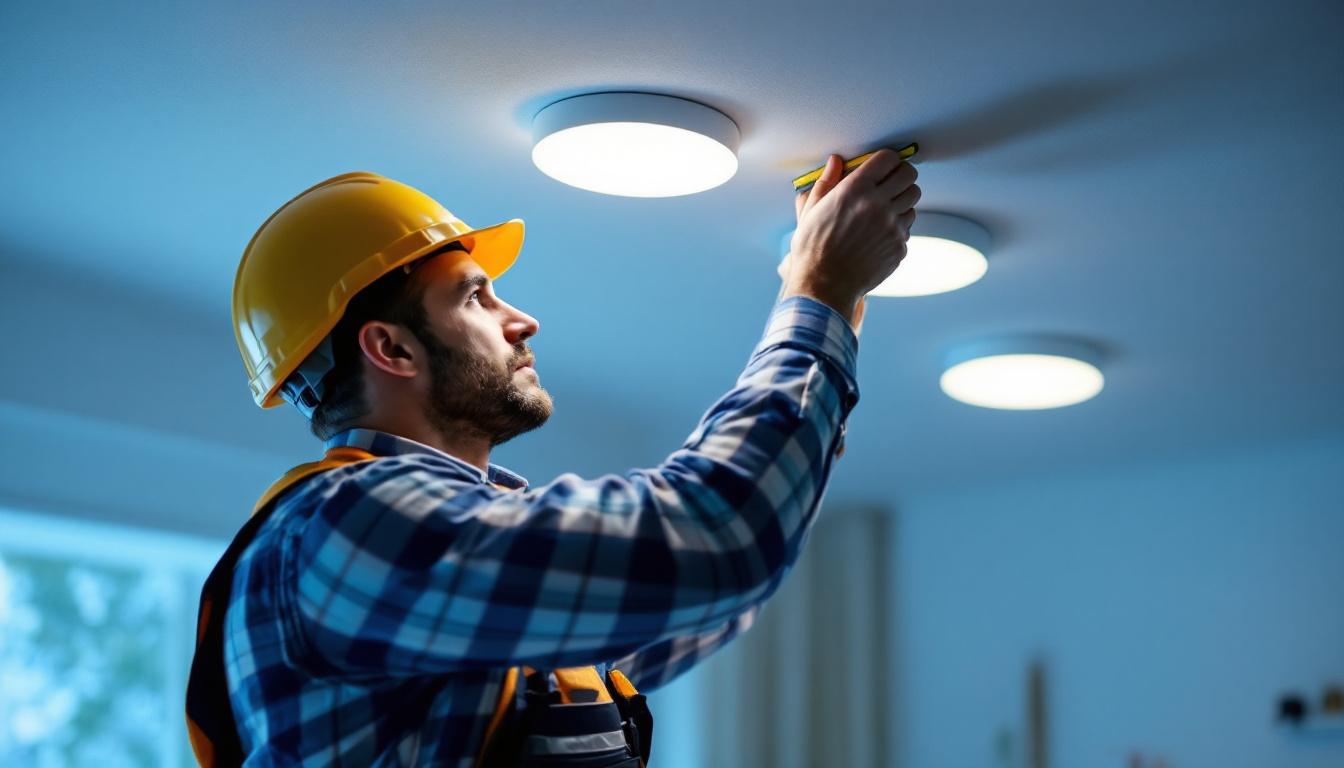
One of the most significant challenges with 4 in can lights is the limited space available in ceiling cavities. These fixtures require precise positioning to avoid interference with joists, HVAC ducts, plumbing pipes, and other infrastructure components.
Contractors often face situations where the ideal lighting layout conflicts with structural elements. Creative solutions such as offsetting fixtures, using adjustable trims, or selecting alternative lighting types may be necessary to achieve the desired lighting effect without compromising the building’s integrity. Additionally, understanding the specific layout of the ceiling structure is crucial; contractors often rely on blueprints or even thermal imaging to identify hidden obstacles that may not be immediately visible. This attention to detail not only ensures a smoother installation process but also enhances the overall aesthetic and functionality of the lighting design.
Access and Retrofitting Challenges
Retrofitting 4 in can lights into existing ceilings can be particularly challenging. Unlike new construction, where ceiling cavities are accessible before drywall installation, retrofit jobs require cutting precise holes and fishing wiring through confined spaces.
This process can be time-consuming and risks damaging existing finishes or insulation. Lighting contractors must employ specialized tools such as hole saws, flexible drill bits, and wire fish tapes, as well as meticulous measurement techniques to minimize errors and material waste. Furthermore, the choice of lighting fixtures can greatly impact the ease of installation; for example, selecting low-profile or remodel-style can lights can simplify the process, as these fixtures are designed specifically for tight spaces. Additionally, contractors must consider the existing electrical infrastructure, ensuring that any modifications comply with local building codes and safety standards, which can further complicate the retrofitting process.
Challenge 3: Ensuring Optimal Lighting Performance and Client Satisfaction
Balancing Light Output and Beam Spread
Despite their small size, 4 in can lights need to deliver sufficient illumination for the space. Contractors must carefully select bulbs and trims that provide the right lumen output and beam angle to avoid dark spots or overly harsh lighting.
For example, narrow beam angles are suitable for accent lighting but may not provide adequate general illumination. Conversely, wide beam angles can cause glare or uneven light distribution if not properly spaced. Understanding photometric data and applying lighting design principles is essential to achieve balanced results. Additionally, it is crucial to consider the layout of the space and the intended use of each area. For instance, in a kitchen, brighter, focused lighting may be necessary over work surfaces, while a living room may benefit from softer, more diffused light to create a cozy atmosphere. By strategically placing can lights and selecting the right beam angles, contractors can enhance both the functionality and aesthetic appeal of the space.
Color Temperature and Rendering Considerations
Lighting quality is also influenced by color temperature and color rendering index (CRI). Clients increasingly demand lighting that enhances the appearance of interiors and creates comfortable atmospheres.
Contractors must guide clients in choosing appropriate color temperatures—ranging from warm white to daylight—and ensure that fixtures support high CRI bulbs to accurately render colors. Mismatched lighting can negatively impact the ambiance and functionality of a space, leading to dissatisfaction. Furthermore, the choice of color temperature can dramatically affect how a room feels; warmer tones tend to create a welcoming and intimate environment, ideal for bedrooms and dining areas, while cooler tones can invigorate and energize spaces like offices or workout areas. It’s also important to consider how natural light interacts with artificial lighting throughout the day, as this can influence the perceived color temperature and overall mood of the space. By taking these factors into account, contractors can help clients achieve a harmonious balance that meets both aesthetic and practical needs.
Challenge 4: Coordinating with Other Trades and Project Stakeholders
Effective Communication and Scheduling
Lighting installation rarely occurs in isolation. Contractors must coordinate closely with electricians, drywall installers, HVAC technicians, and interior designers to ensure smooth project progression.
Misalignment in schedules or miscommunication about fixture placement can cause delays, rework, or conflicts. For example, drywall installers need to know the exact locations of recessed cans to avoid damaging fixtures or creating uneven ceiling surfaces.
Establishing clear communication channels and detailed project plans helps mitigate these risks and fosters collaboration among all parties involved.
Managing Client Expectations and Change Orders
Clients may change their minds about lighting layouts, fixture styles, or control options during the project. Lighting contractors must be prepared to handle such changes professionally, providing clear explanations of cost and timeline impacts.
Proactive communication and thorough documentation of change orders prevent misunderstandings and ensure that client expectations are managed realistically. This approach enhances client trust and contributes to successful project outcomes.
Conclusion: Mastering the Challenges of 4 In Can Lighting
4 in can lights offer numerous benefits in terms of aesthetics and functionality, but they also present distinct challenges for lighting contractors. From navigating complex building codes and working within tight ceiling spaces to ensuring optimal lighting performance and coordinating with multiple trades, contractors must bring expertise, precision, and effective communication to every project.
By understanding and proactively addressing these challenges, lighting contractors can deliver high-quality installations that satisfy clients’ needs and stand the test of time. Investing in ongoing education, leveraging the latest tools and technologies, and fostering strong collaboration are key strategies for success in this specialized area of lighting.
Get Your Lighting Solutions from LumenWholesale
As you tackle the complexities of 4 in can lighting installations, partner with a supplier that understands your needs. LumenWholesale is dedicated to empowering contractors like you with spec-grade lighting products at unbeatable wholesale prices. Our extensive selection is designed to meet the highest industry standards, ensuring you have access to reliable, high-performance lighting for every project. With free shipping on bulk orders, you can trust that you’re getting premium lighting solutions at the best value — without hidden fees or compromises. Elevate your lighting projects with the quality, affordability, and convenience of LumenWholesale. Your success is our business.