Introduction to Wall Lighting and Energy Efficiency
Indoor wall lighting plays a pivotal role in both the aesthetic and functional aspects of interior spaces. For lighting contractors, understanding how wall lighting impacts energy efficiency is crucial—not only to meet client expectations for design but also to contribute to sustainable building practices. Efficient wall lighting solutions can significantly reduce energy consumption, lower utility costs, and enhance occupant comfort.
Energy efficiency in lighting is more than just using fewer watts; it involves optimizing light placement, fixture type, and control systems to achieve the desired illumination with minimal energy waste. Wall lighting, when thoughtfully integrated, can complement other lighting layers and reduce the need for overhead lighting, which is often less efficient in certain scenarios.
Moreover, the choice of materials and technologies in wall lighting fixtures can further enhance energy efficiency. For instance, LED wall sconces not only consume significantly less energy than traditional incandescent bulbs but also have a longer lifespan, which reduces the frequency of replacements and waste. Additionally, smart lighting controls, such as dimmers and motion sensors, can adjust the brightness based on occupancy and time of day, ensuring that energy is only used when needed. This level of control not only optimizes energy use but also allows for a more personalized lighting experience that can adapt to various activities and moods throughout the day.
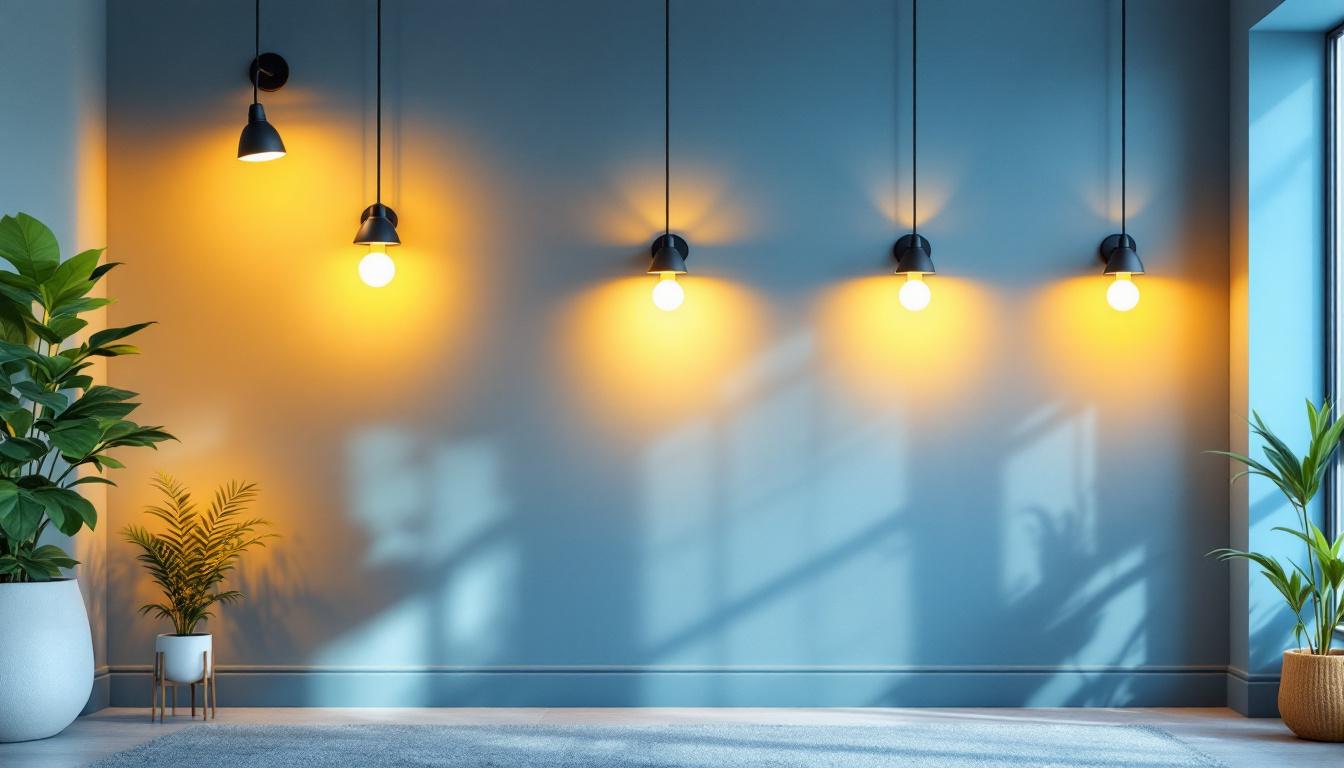
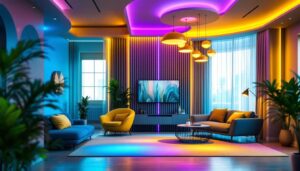
Furthermore, the strategic placement of wall lighting can create a sense of depth and dimension within a room, enhancing its overall design while promoting energy efficiency. By utilizing wall-mounted fixtures to highlight architectural features or artwork, designers can draw attention to specific areas without relying solely on overhead lighting. This not only reduces energy consumption but also creates a more inviting and dynamic atmosphere. The integration of wall lighting into a comprehensive lighting plan can thus serve dual purposes: enhancing the visual appeal of a space while simultaneously adhering to energy-efficient practices that benefit both the environment and the occupants.
Types of Wall Lighting and Their Energy Profiles
Wall Sconces
Wall sconces are among the most common types of wall lighting used indoors. They provide ambient, accent, or task lighting depending on their design and placement. Modern sconces equipped with LED technology offer substantial energy savings compared to traditional incandescent or halogen bulbs. LEDs consume up to 80% less energy and last significantly longer, reducing both operational costs and maintenance frequency.
Lighting contractors should consider the direction of light emitted by sconces. Upward-facing fixtures can create a soft ambient glow that reduces the need for additional ceiling lighting, while downward-facing sconces are ideal for task lighting near workspaces or hallways. Selecting fixtures with efficient optics ensures light is directed where needed, minimizing wasted illumination. Additionally, wall sconces come in a variety of styles, from minimalist designs to ornate fixtures, allowing homeowners to enhance their décor while benefiting from energy-efficient lighting solutions. The versatility of wall sconces makes them suitable for various settings, including living rooms, bedrooms, and even outdoor patios, where they can create inviting atmospheres and improve safety by illuminating pathways.
Wall Washers and Grazers
Wall washers and grazers are specialized fixtures designed to highlight architectural features or textures on walls. These lighting styles can add depth and visual interest, but their energy impact depends on fixture efficiency and control strategies. Using LED-based wall washers with precise beam angles can reduce energy consumption while achieving dramatic effects.
Incorporating dimming controls and occupancy sensors with these fixtures allows for dynamic lighting schemes that adjust based on use and natural light availability. This adaptability is key to maintaining energy efficiency without compromising design intent. Furthermore, wall grazers can be particularly effective in art galleries or museums, where they can accentuate artwork without creating harsh shadows. By carefully selecting the color temperature of the LEDs, designers can also influence the mood of a space, making it feel warmer or cooler depending on the desired ambiance. This flexibility not only enhances the aesthetic appeal of a room but also contributes to energy savings by ensuring that lighting is used only when necessary.
Integrated Wall Lighting Systems
Advancements in lighting technology have led to integrated wall lighting systems that combine fixtures with smart controls and sensors. These systems optimize energy use by automatically adjusting brightness levels and turning lights off when spaces are unoccupied. For contractors, specifying integrated systems can enhance the value proposition to clients focused on sustainability and operational savings.
Moreover, these integrated systems often come equipped with advanced features such as remote control via smartphone apps or voice-activated assistants, allowing users to customize their lighting experience effortlessly. The integration of daylight harvesting technology can further enhance energy efficiency by adjusting artificial lighting based on the amount of natural light entering a space. This not only reduces energy consumption but also creates a more comfortable environment for occupants. As the demand for smart homes continues to rise, offering integrated wall lighting systems can position contractors as forward-thinking professionals who prioritize both innovation and eco-friendliness in their projects.
Design Strategies to Maximize Energy Efficiency with Wall Lighting
Layered Lighting Approach
Implementing a layered lighting approach is fundamental to energy-efficient interior design. Wall lighting forms an essential layer that can reduce reliance on overhead lighting. By strategically placing wall fixtures, contractors can create balanced illumination that meets functional needs while minimizing total wattage.
For example, in residential settings, wall sconces flanking a mirror or artwork can provide sufficient light for tasks and ambiance, allowing ceiling fixtures to be dimmed or turned off. In commercial environments, wall lighting can enhance corridors and waiting areas without the energy burden of full overhead lighting.
Optimizing Fixture Placement and Orientation
Proper placement and orientation of wall lighting fixtures are critical to maximizing their energy efficiency. Fixtures should be positioned to eliminate dark spots and reduce glare, which can lead to over-illumination and wasted energy. Lighting contractors should conduct thorough site assessments to determine optimal mounting heights and angles.
Additionally, using fixtures with adjustable heads or swivels allows for fine-tuning light direction post-installation, ensuring the lighting remains efficient as space usage evolves.
Utilizing Reflective Surfaces and Light Colors
Wall colors and surface finishes significantly influence the effectiveness of wall lighting. Light-colored and reflective surfaces can amplify illumination, reducing the number of fixtures or wattage required. Contractors should advise clients on selecting finishes that complement the lighting design to enhance energy savings.
Technological Innovations Enhancing Energy Efficiency
LED Advancements
LED technology continues to evolve, offering higher luminous efficacy and improved color rendering. These advancements enable lighting contractors to specify fixtures that deliver superior light quality with minimal energy consumption. The longevity of LEDs also reduces replacement frequency, contributing to lower lifecycle costs.
Smart Controls and Automation
Integrating smart controls such as dimmers, occupancy sensors, and daylight harvesting systems with wall lighting can dramatically improve energy efficiency. Occupancy sensors ensure lights are only on when needed, while daylight sensors adjust artificial lighting based on natural light availability. These systems can be programmed to suit specific usage patterns, optimizing energy use throughout the day.
Wireless and Networked Lighting Systems
Wireless lighting controls provide flexibility and ease of installation, especially in retrofit projects. Networked systems enable centralized management of multiple fixtures, allowing contractors and facility managers to monitor energy consumption and adjust settings remotely. This data-driven approach supports continuous energy optimization and maintenance planning.
Case Studies Demonstrating Energy Savings with Wall Lighting
Residential Retrofit Project
In a residential retrofit, replacing traditional incandescent wall sconces with LED fixtures combined with dimmer switches resulted in a 65% reduction in lighting energy consumption. The homeowner reported improved light quality and the ability to tailor lighting levels for various activities, enhancing comfort while lowering electricity bills.
Commercial Office Space
A commercial office incorporated LED wall washers with occupancy sensors in corridor and lobby areas. The system reduced lighting energy use by 40%, as lights dimmed or turned off during unoccupied periods. The improved lighting design also contributed to a more welcoming atmosphere, positively impacting employee satisfaction.
Hospitality Environment
A hotel upgraded its guest room wall lighting to integrated LED fixtures with smart controls. This upgrade not only cut energy consumption by nearly half but also simplified maintenance and allowed for customizable lighting scenes that enhanced the guest experience.
Best Practices for Lighting Contractors
Conduct Comprehensive Lighting Audits
Before specifying or installing wall lighting, contractors should perform detailed lighting audits to understand current energy use and identify opportunities for improvement. Audits help tailor solutions to client needs and ensure that energy efficiency goals are achievable.
Educate Clients on Energy Benefits
Clients often prioritize aesthetics and upfront costs. Contractors should communicate the long-term energy savings and operational benefits of efficient wall lighting, helping clients make informed decisions that align with sustainability objectives.
Stay Updated on Codes and Standards
Energy codes and lighting standards are continually evolving. Staying informed about the latest requirements and best practices enables contractors to design compliant, future-proof lighting systems that maximize energy efficiency.
Conclusion
Indoor wall lighting is a powerful tool for enhancing energy efficiency in residential, commercial, and hospitality environments. By selecting energy-efficient fixtures, optimizing placement, and leveraging advanced controls, lighting contractors can deliver solutions that reduce energy consumption, lower costs, and improve occupant comfort. Embracing these strategies not only benefits clients but also supports broader sustainability goals within the built environment.
Illuminate Your Projects with LumenWholesale
Ready to elevate your lighting projects with energy-efficient solutions that don’t compromise on quality or cost? Look no further than LumenWholesale, where we provide contractors with an exceptional range of spec-grade lighting products at unbeatable wholesale prices. Say goodbye to inflated markups and hello to superior lighting that meets the highest industry standards. With free shipping on bulk orders, LumenWholesale is your go-to source for premium lighting that merges affordability with convenience. Enhance your next project and support sustainability with the best value in lighting. Wholesale Lighting at the Best Value is just a click away.