Understanding the Importance of Motion Lights in Garage Settings
Motion-activated lighting has become a staple in modern garage installations, offering convenience, security, and energy efficiency. For lighting contractors, understanding the nuances of these systems is essential to meeting client expectations and adhering to best practices.
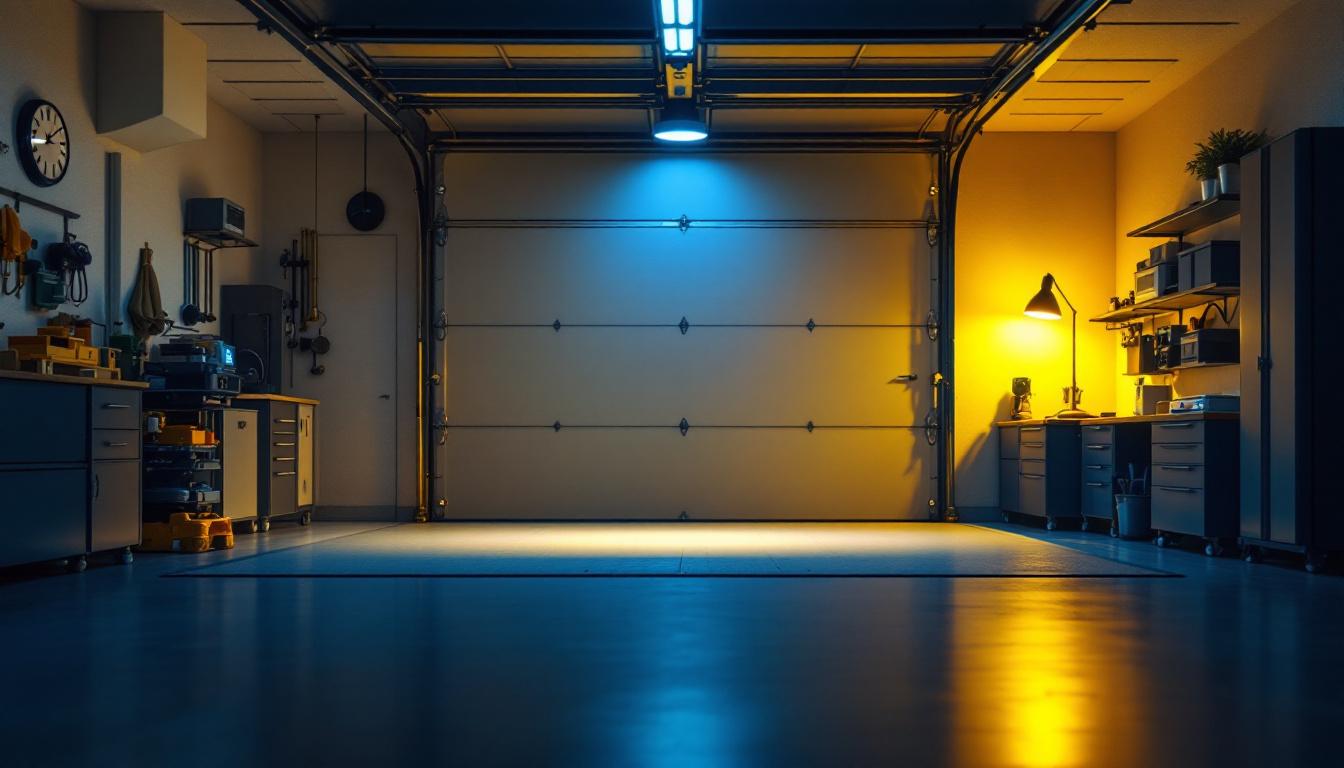
Garages often serve multiple purposes—from vehicle storage to workshops or even additional living spaces. Motion lights enhance usability by automatically illuminating the area when movement is detected, eliminating the need for manual switches. This feature not only improves safety by reducing the risk of trips and falls but also deters unwanted intruders by signaling occupancy.
Moreover, motion lights contribute to energy savings by ensuring lights are only on when necessary. This is particularly important in garages, which may not require constant illumination but benefit from quick, responsive lighting.
In addition to their practical benefits, motion lights can also be integrated with smart home systems, allowing homeowners to control their garage lighting remotely via smartphone apps. This integration can provide real-time alerts when motion is detected, giving homeowners peace of mind even when they are away from home. Furthermore, many modern motion lights come equipped with adjustable sensitivity settings and timers, allowing users to customize their lighting experience based on their specific needs and preferences.
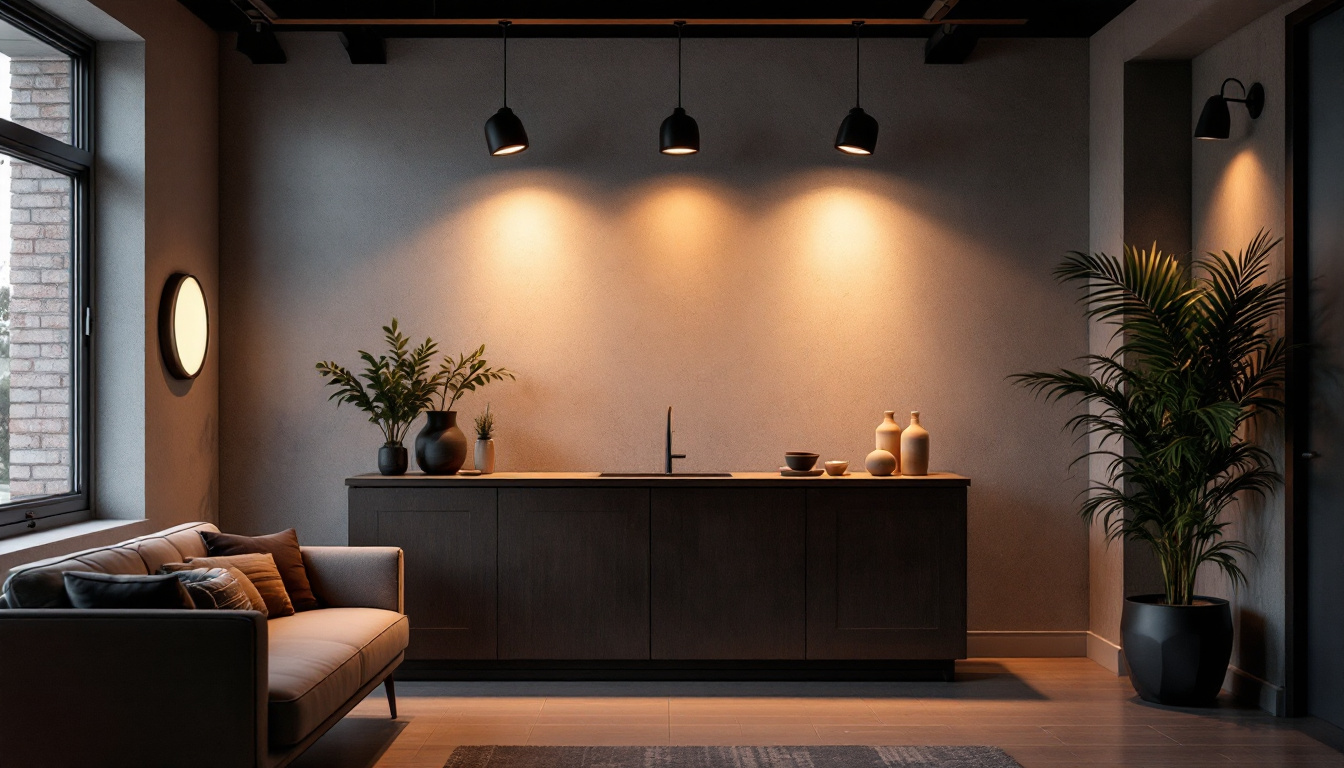
Another significant advantage of motion lights is their ability to enhance the aesthetic appeal of garage spaces. With a variety of styles and finishes available, homeowners can choose fixtures that complement their garage’s design while still providing functional lighting. From sleek, modern designs to more traditional looks, the right motion light can elevate the overall ambiance of the garage, making it a more inviting space for various activities, whether it’s a DIY project or simply parking the car.
Key Features and Technologies in Motion Lighting Systems
Types of Motion Sensors
Lighting contractors frequently ask about the different sensor technologies available for garage motion lights. The two most common types are Passive Infrared (PIR) sensors and Microwave sensors.
PIR sensors detect heat emitted by moving bodies and are widely used due to their reliability and cost-effectiveness. However, they can be less effective in extremely cold environments or when objects move slowly. It’s also worth noting that PIR sensors typically have a limited range, which can vary from 20 to 40 feet, depending on the model. This makes them ideal for smaller areas but may require multiple units in larger spaces to ensure comprehensive coverage.
Microwave sensors emit microwave pulses and measure the reflection off moving objects. They tend to have a broader detection range and can sense motion through certain materials but may be more susceptible to false triggers caused by external movements. These sensors can cover distances of up to 60 feet or more, making them suitable for expansive areas. Additionally, they can detect motion even through walls or obstacles, which can be particularly useful in complex layouts where traditional sensors might struggle.
Integration with Smart Home Systems
Another frequent inquiry concerns compatibility with smart home ecosystems. Many modern motion lighting systems can be integrated with platforms such as Alexa, Google Home, or proprietary apps, allowing for remote control and automation.
This integration enables advanced features like scheduling, sensitivity adjustments, and even alerts when motion is detected. For contractors, recommending systems with these capabilities can add value to their services and appeal to tech-savvy clients. Furthermore, the ability to control lighting through voice commands or smartphone apps enhances user convenience and can lead to energy savings by allowing homeowners to manage their lighting more effectively. Some systems even offer geofencing capabilities, which can automatically turn lights on or off based on the homeowner’s location, ensuring that lights are only active when needed. This level of customization not only enhances security but also contributes to a more energy-efficient home environment.
Installation Considerations and Best Practices
Placement and Coverage
Correct placement of motion sensors is critical to ensure optimal performance. Contractors must consider the garage layout, typical traffic patterns, and potential obstacles that could block sensor detection.
For example, mounting sensors near entry points such as garage doors or side entrances maximizes their effectiveness. Additionally, positioning lights to minimize shadows and dark spots enhances overall illumination quality. It’s also beneficial to evaluate the height at which sensors are mounted; placing them too high may reduce their sensitivity, while too low can lead to unnecessary activations. Furthermore, incorporating multiple sensors can create overlapping coverage areas, ensuring that no part of the garage is left in darkness, which is particularly important for larger spaces.
Wiring and Power Supply Options
Motion lights for garages can be powered through hardwired connections or battery-operated units. Hardwired systems offer consistent power and are often preferred for permanent installations, but they require more extensive electrical work.
Battery-powered options provide flexibility and easier installation but may require regular maintenance to replace batteries. Contractors should assess client needs, budget, and garage infrastructure when recommending power options. In addition, it’s worth considering solar-powered lights as an eco-friendly alternative, especially for garages with ample natural light exposure. These systems harness sunlight during the day and can provide reliable illumination at night, reducing energy costs and the need for wiring altogether.
Environmental Factors
Garages can be subject to temperature fluctuations, humidity, and dust, all of which can impact motion light performance. Selecting fixtures rated for damp or dusty environments ensures longevity and reliability.
Additionally, contractors should consider the potential for false triggers caused by pets, heating vents, or passing vehicles. Adjustable sensitivity settings can help mitigate these issues. It’s also important to account for seasonal changes; for instance, during winter months, snow accumulation can obstruct sensors, while summer heat may affect electronic components. Regular maintenance checks, including cleaning the sensor lenses and ensuring that no debris is obstructing their view, can significantly enhance the system’s reliability and performance over time. Moreover, educating clients on the importance of maintaining their motion sensor systems can lead to better long-term satisfaction and functionality.
Common Challenges and Troubleshooting Tips
False Triggers and Sensitivity Adjustment
One of the most common challenges contractors face is false triggering of motion lights. This can be caused by environmental factors such as moving shadows, small animals, or reflective surfaces.
To address this, many motion sensors allow sensitivity adjustments. Contractors should educate clients on how to fine-tune these settings or configure them during installation to balance responsiveness with accuracy. Additionally, it’s beneficial to inform clients about the importance of regular maintenance, such as cleaning the sensor lens and ensuring that nearby foliage is trimmed back, as overgrown plants can inadvertently cause false triggers by moving in the wind.
Sensor Range and Detection Issues
Clients often report that motion lights fail to activate at the desired distance or angle. This can stem from improper sensor placement or limitations inherent in the sensor technology.
Contractors can improve detection by repositioning sensors, selecting models with adjustable detection zones, or combining multiple sensors to cover larger areas effectively. It’s also crucial to consider the height at which the sensors are mounted; placing them too high can limit their effectiveness, while too low can make them overly sensitive. Educating clients about the optimal installation height and angle can significantly enhance the performance of their motion lighting systems.
Lighting Quality and Fixture Selection
Another frequent concern involves the quality and brightness of the light emitted. Motion lights should provide sufficient illumination for safety and usability without causing glare or harsh shadows.
LED fixtures are typically preferred for their brightness, energy efficiency, and long lifespan. Choosing fixtures with appropriate color temperature—usually in the range of 3000K to 4000K—ensures a natural, comfortable light that enhances visibility. Moreover, contractors should discuss the benefits of smart lighting options with clients, which can allow for remote control and scheduling, enabling users to customize their lighting experience according to their specific needs and preferences. This not only enhances convenience but can also lead to increased energy savings over time.
Regulatory and Safety Standards for Garage Motion Lighting
Compliance with Electrical Codes
Lighting contractors must ensure that motion light installations comply with local and national electrical codes. This includes proper grounding, wiring methods, and fixture ratings.
Adhering to these standards not only guarantees safety but also helps avoid potential legal liabilities and insurance complications.
Energy Efficiency Requirements
Many jurisdictions have energy efficiency mandates that affect lighting installations, including motion-activated systems. Using energy-efficient LED fixtures and sensors that minimize unnecessary operation can help contractors meet these requirements.
Furthermore, some clients may seek certifications such as ENERGY STAR, which can influence product selection and installation practices.
Enhancing Client Satisfaction Through Expert Recommendations
Customized Solutions Based on Garage Usage
Understanding the specific needs of each client’s garage is essential. For example, a garage used primarily for vehicle storage may require different lighting strategies than one used as a workshop or recreational space.
Contractors should assess factors such as typical occupancy, lighting preferences, and security concerns to tailor motion light solutions accordingly.
Maintenance and Longevity Advice
Providing clients with guidance on maintaining their motion lighting systems can extend product life and performance. This includes periodic cleaning of sensors and fixtures, battery replacement schedules for wireless units, and recommendations for professional inspections.
Such advice positions contractors as trusted experts and encourages long-term client relationships.
Future-Proofing Installations
As technology evolves, clients may wish to upgrade or expand their lighting systems. Contractors can add value by installing modular systems that allow easy integration of new features or additional sensors.
Recommending products with firmware update capabilities or compatibility with emerging smart home standards ensures installations remain relevant and functional over time.
Conclusion
Motion lights for garages represent a practical and increasingly popular solution for enhancing safety, security, and energy efficiency. For lighting contractors, mastering the technical aspects, installation best practices, and client communication strategies is key to delivering successful projects.
By addressing common questions about sensor types, placement, troubleshooting, and regulatory compliance, contractors can provide informed recommendations that meet diverse client needs. Ultimately, expertise in motion lighting not only improves project outcomes but also strengthens professional reputation in a competitive market.
Illuminate Your Projects with LumenWholesale
Ready to elevate your lighting installations with the best in motion lights for garages? Look no further than LumenWholesale, where we provide contractors with the highest quality, spec-grade lighting products at prices that can’t be beaten. Say goodbye to local distributor markups and hello to our extensive selection that meets rigorous industry standards. With LumenWholesale, you’ll find the perfect lighting solutions for your projects, backed by the convenience of bulk buying and free shipping. Don’t compromise on quality or value—discover wholesale lighting at the best value today and light up your work with confidence and affordability.